



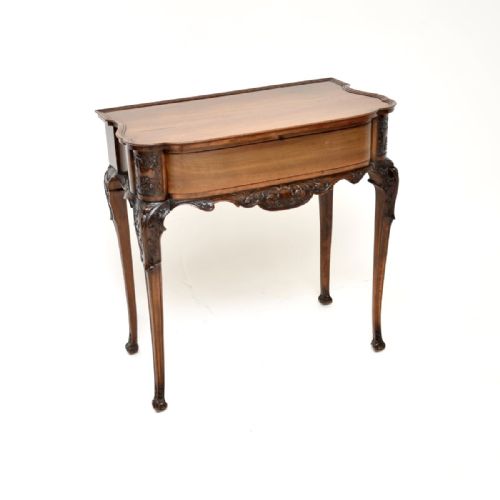
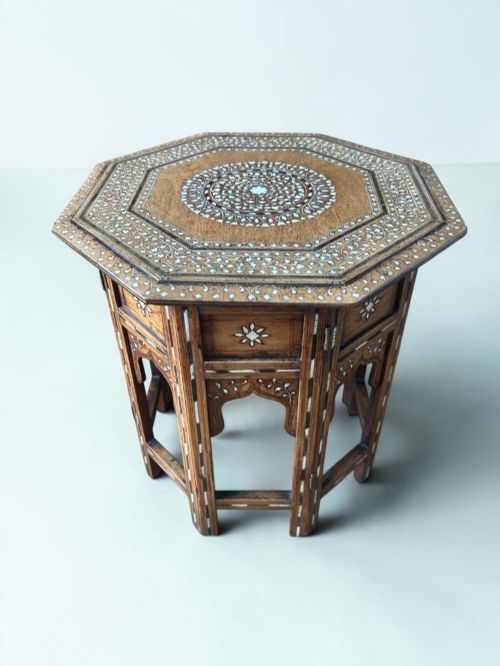
Carved Wooden Tea Table
A carved wooden tea table brings intricate craftsmanship and varied regional styles into a room, serving as a striking centrepiece for entertaining.
Carved Wooden Tea Table
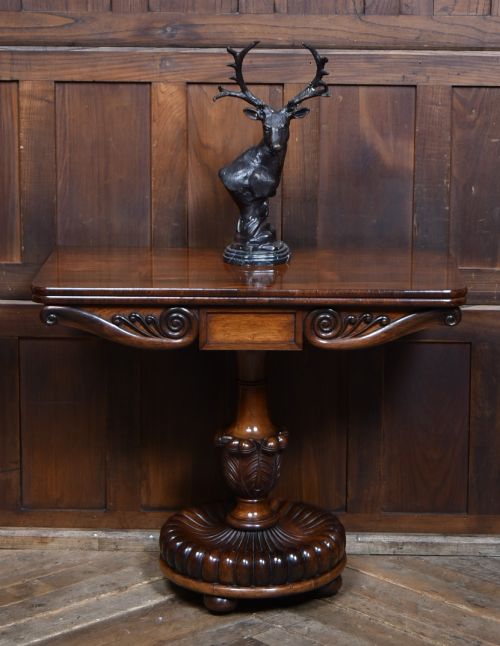
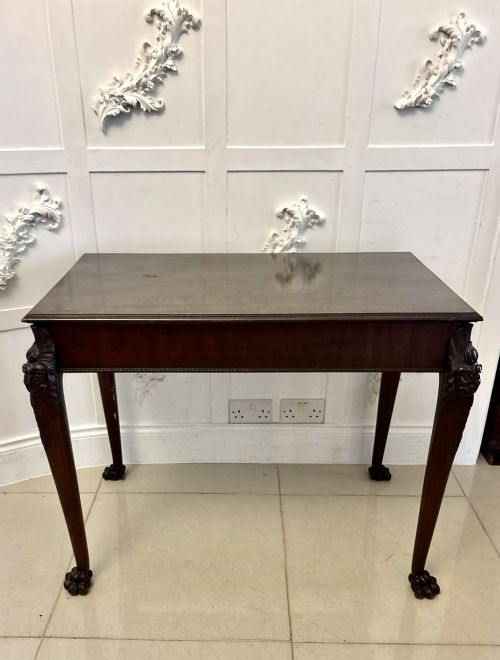
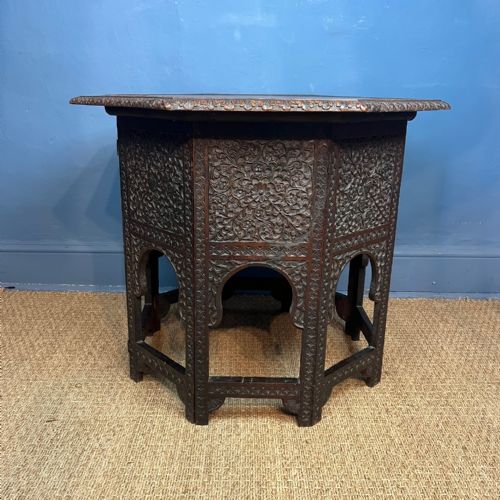
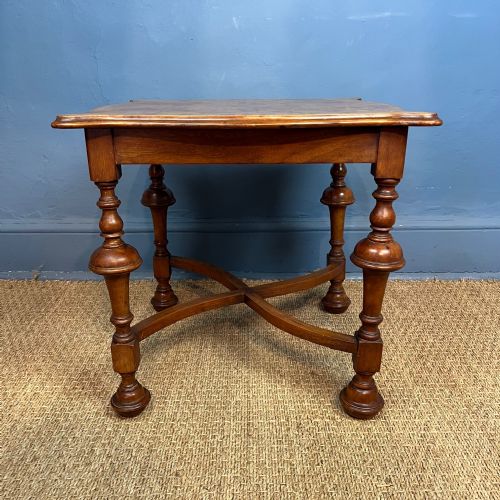
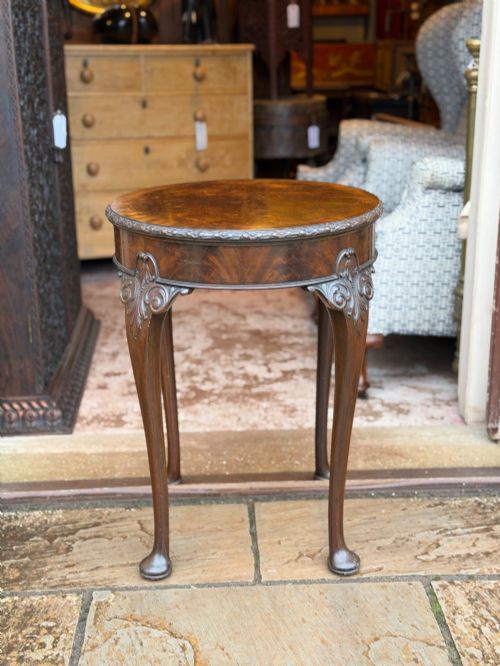
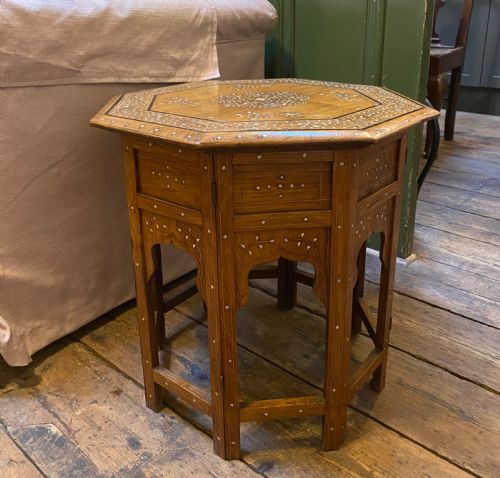
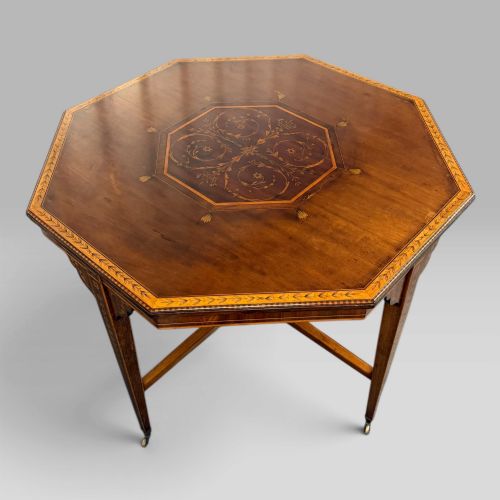
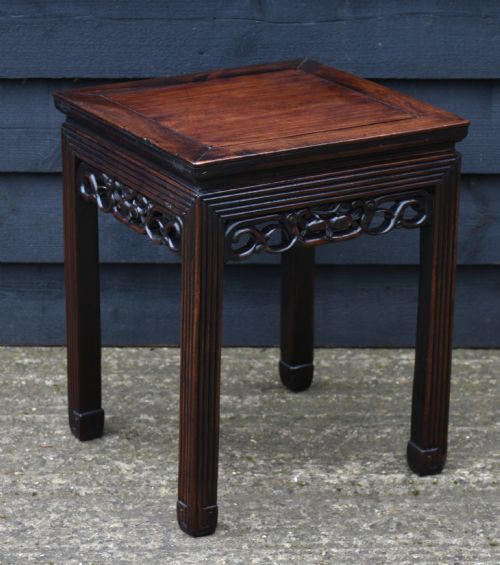
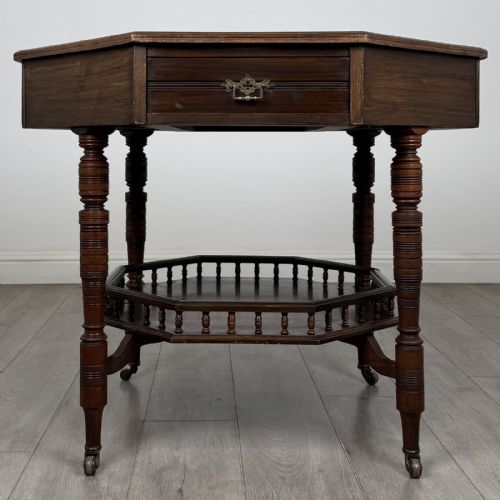
A carved wooden tea table encompasses diverse forms ranging from traditional British occasional and card tables to Anglo-Indian octagonal folding pieces and Chinese rosewood low tables. Buyers seeking this phrase encounter pieces spanning from the eighteenth century through the Edwardian era and into the early twentieth century.
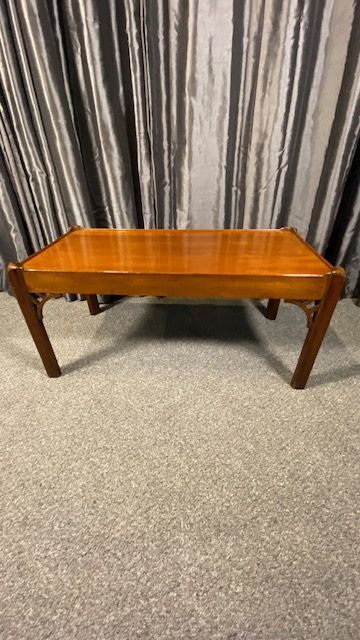
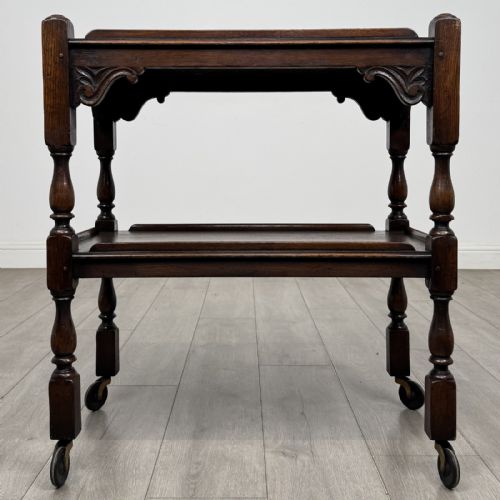
The selection frequently includes side tables, coffee tables, and specialised tray top variants designed for serving or display. Regional workshops from Hoshiarpur to Britain contributed distinct decorative vocabularies to this broad category of furniture.
Makers utilised various timber types to construct these functional surfaces, resulting in items that transition readily from historical period rooms to contemporary interiors.
Materials and Construction
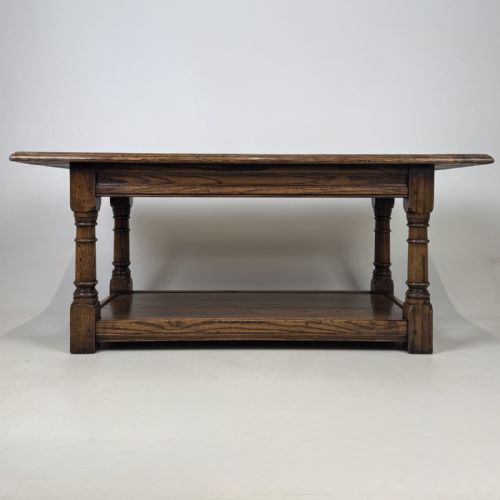
Craftsmen shaped these tables from dense hardwoods including mahogany, walnut, oak, teak, padouk, and rosewood. These timbers provided a stable foundation for deep relief carving and structural stability.
Many surfaces incorporate contrasting decorative elements such as brass inlay, mother of pearl, bone, and marquetry work. Folding mechanisms, tilt-top actions, and intricate pierced panels reflect the technical skill of period joiners and regional carvers.
Carved Wooden Tea Table Retail Price Guide 2026
Typical asking prices for carved wooden tea table among the pieces listed under this phrase on Sellingantiques today, from the lower quarter to the upper quarter. They describe what is for sale here now, not the wider market.
Some tables feature carved elephants, transforming a humble tea surface into a miniature safari.
Assessing Quality and Execution
The distinction between tiers rests upon the crispness of the hand-carved detailing and the selection of figured timbers such as burr walnut or select mahogany. Deeply undercut carving demonstrates superior hand control compared to shallow, mechanical stamping.
Structural integrity of joints, the precision of inlaid elements like mother of pearl or brass, and the retention of original surfaces separate standard items from exceptional examples.
Trevor Page & Co·Shapland and Petter·Giles Grendey
The Carved Wooden Tea Table Glossary
- Teapoy
- A small box or chest mounted on a stand, originally utilised for storing and dispensing tea before the drink became affordable for daily domestic use.
- Marquetry
- The art of applying pieces of veneer to a structure to form decorative patterns, often utilising contrasting timbers.
- Concertina action
- A mechanical framework used in expandable tables, particularly card tables, which opens like an accordion to support a fold-over top.
- Hongmu
- A category of dense, heavy Chinese hardwoods translated literally as red wood, frequently utilised for export furniture during the nineteenth century.
Carved Wooden Tea Table: Frequently Asked Questions
What is a carved wooden tea table?
A carved wooden tea table is a low or occasional surface designed for serving tea or displaying objects, often embellished with regional or period-specific woodcarving.
These pieces originate from various traditions, including British cabinetmaking, Anglo-Indian workshops, and Chinese export furniture production.
How were these tables used historically?
They served primarily in domestic parlours and drawing rooms for the formal ritual of afternoon tea, holding porcelain pots, cups, and silver accessories.
Many folding or octagonal variants allowed for easy storage and relocation around the home depending on entertaining needs.
How do I care for a wooden tea table?
Maintain the timber by dusting with a dry cloth and avoiding placement near direct heat sources or strong sunlight that can dry out the finish.
Protect delicate inlaid surfaces, such as mother of pearl or brass wire, by using coasters and avoiding harsh chemical cleaning agents.
How do I distinguish between periods?
Period identification relies on observing the prevailing furniture styles, construction methods, and timber choices typical of eras such as the Victorian or Edwardian periods.
Carving motifs and hardware mechanisms also provide reliable clues to a table's manufacturing date.