
Vintage Octagonal Table
A vintage octagonal table brings eight-sided geometry and practical surface space to a room, offering an alternative to standard rectangular and round designs.

Vintage Octagonal Table
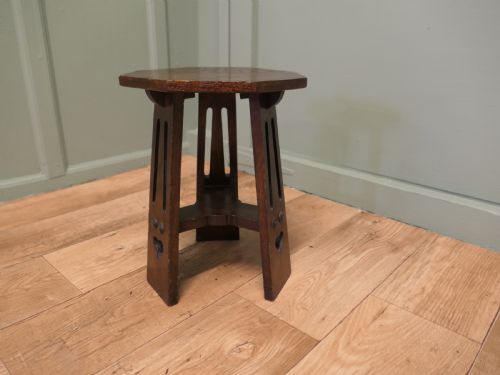
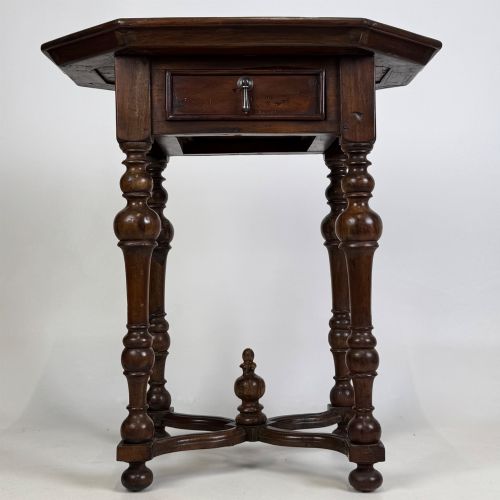
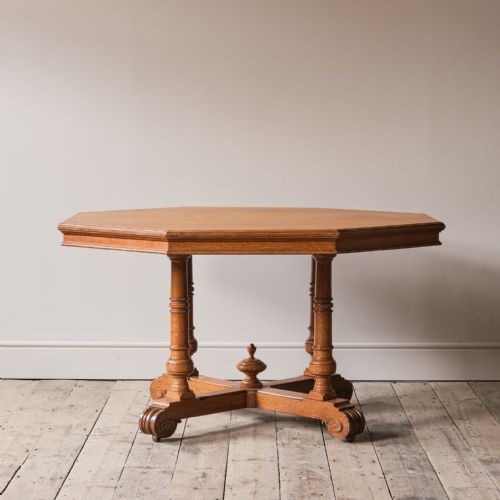
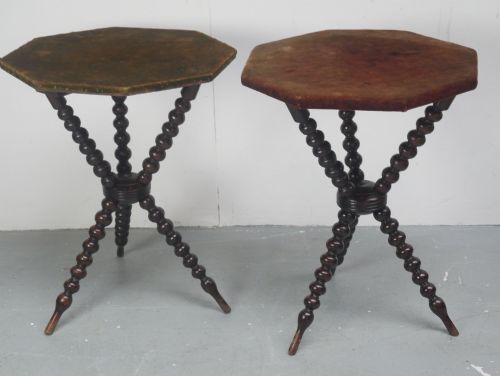
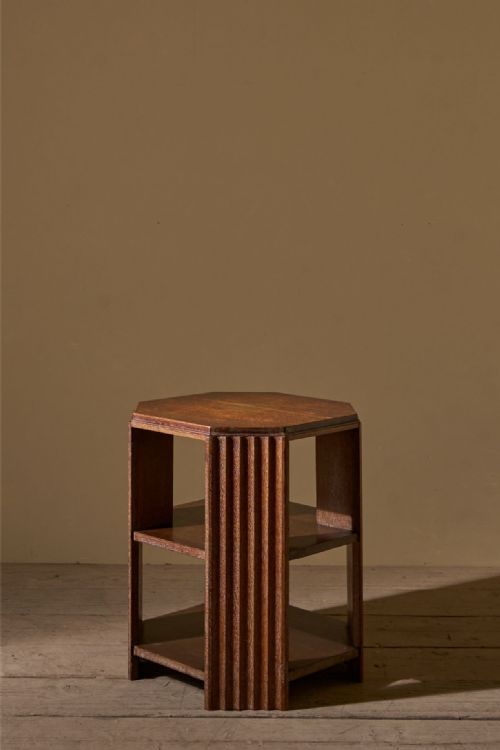
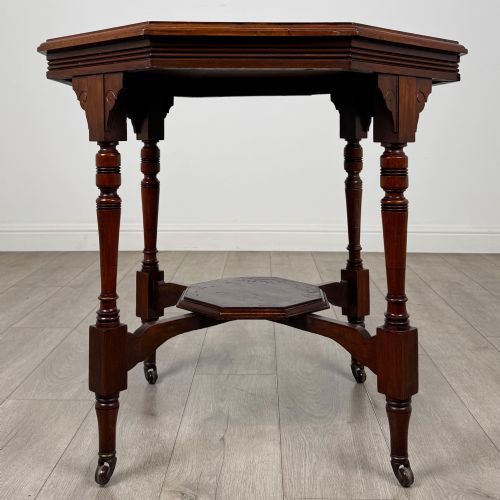
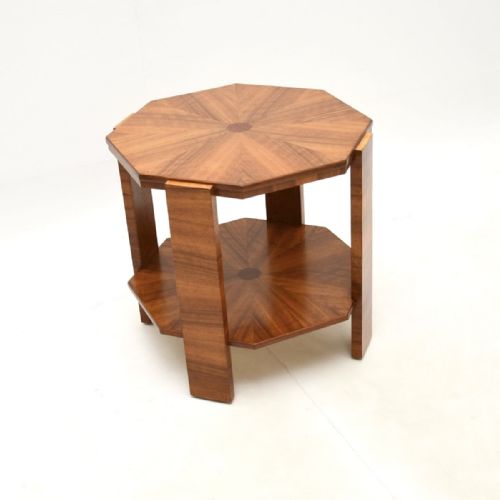
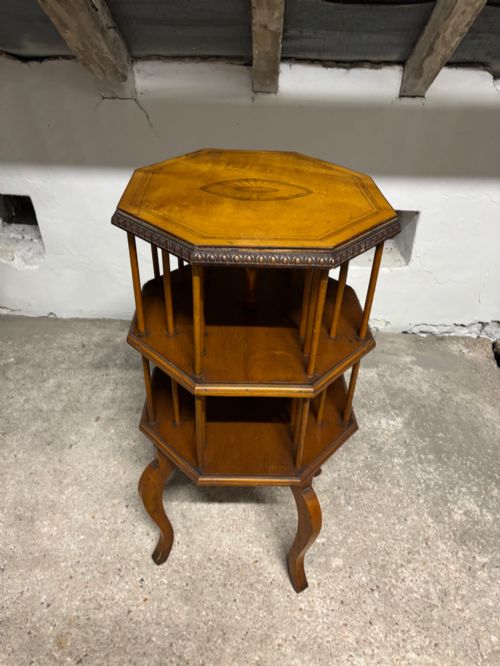
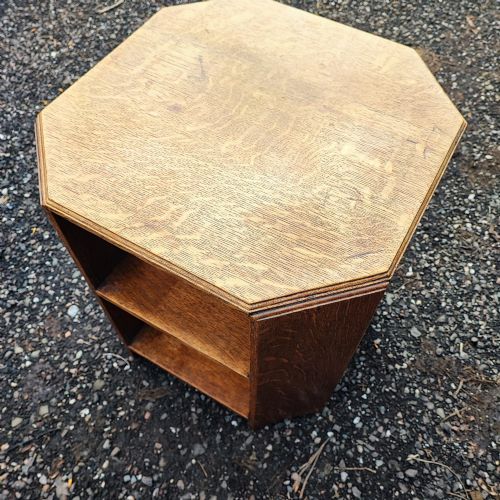
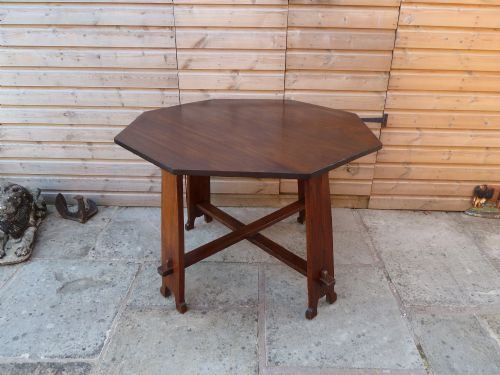
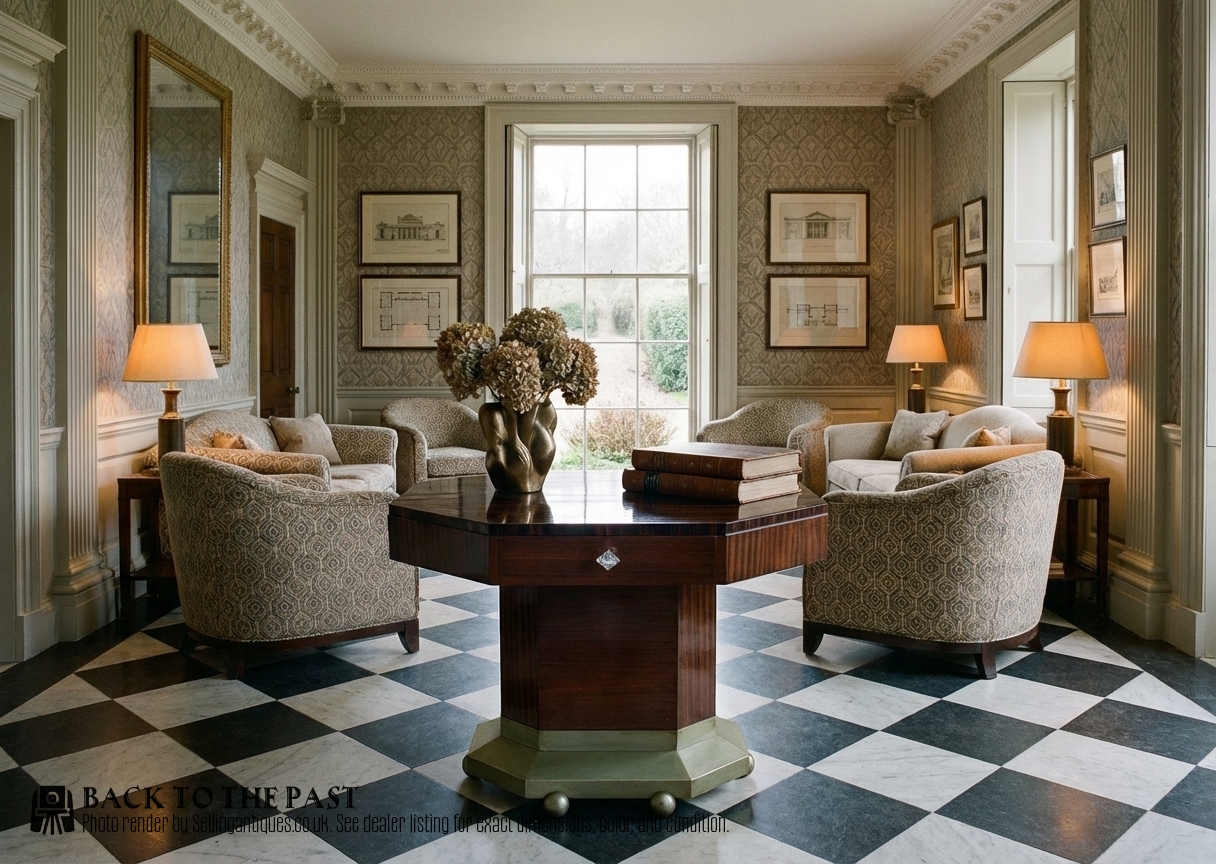
A vintage octagonal table provides a distinctive eight-sided surface suited for use as an occasional table, side table, coffee table, or centre table. These pieces emerge across various periods including the nineteenth century, the Edwardian era, and the nineteen-thirties.
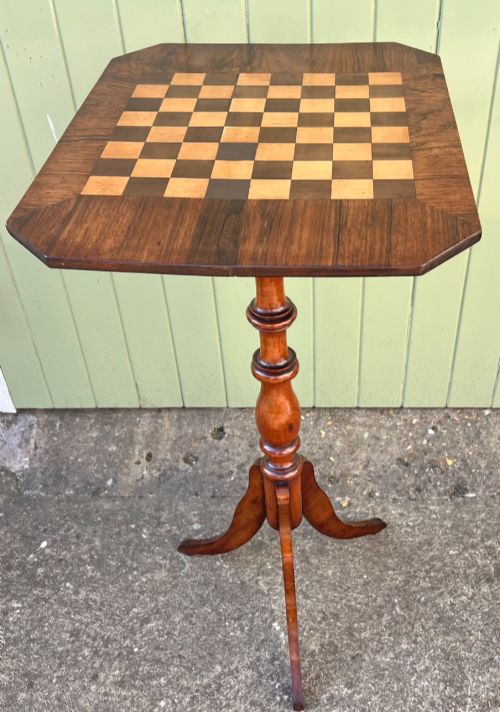
The selection includes specific forms such as plant stands, games tables, and folding Damascus tables. Origins range from British workshops to Anglo-Indian, Hoshiarpur, and Moorish production.
Materials and construction
Construction relies on a variety of timbers including oak, walnut, mahogany, rosewood, teak, padauk, hardwood, and satinwood. Cabinetmakers shaped these woods into eight-sided tops supported by pedestals, folding frames, or four-legged bases.
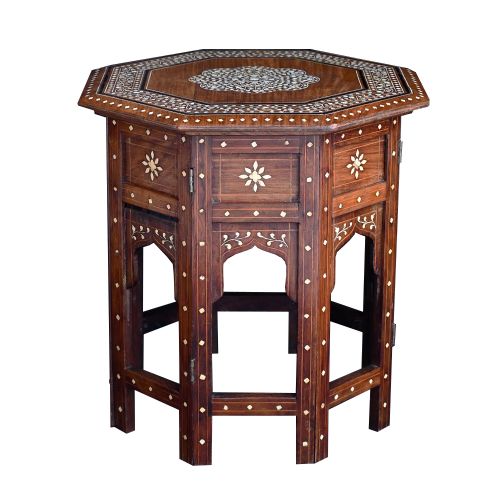
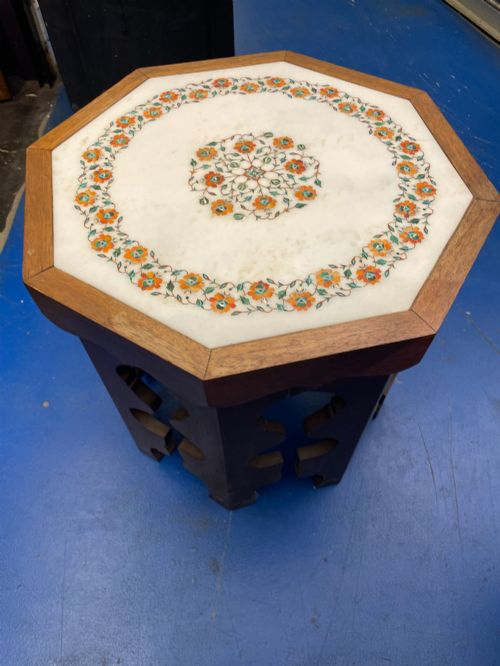
Decoration often incorporates brass, marble, and mother-of-pearl inlay, alongside painted surfaces and ebonised finishes. Intricate carving characterises pieces originating from Anglo-Indian and Middle Eastern workshops.
Vintage Octagonal Table Retail Price Guide 2026
Typical asking prices for vintage octagonal table among the pieces listed under this phrase on Sellingantiques today, from the lower quarter to the upper quarter. They describe what is for sale here now, not the wider market.
The listings span from the nineteenth century through the nineteen-thirties, encompassing Arts and Crafts, Art Deco, and Edwardian styles in oak, walnut, and mahogany.
Assessing quality
Quality depends on the precision of the eight-sided geometry and the integrity of the timber or inlaid materials. Finer examples display meticulous attention to detail in the carving and the secure fitting of inset marble or brass.
The sophistication of the design, whether an Arts and Crafts oak frame or an elaborately inlaid Hoshiarpur surface, dictates the distinction between standard production and superior craftsmanship.
The Vintage Octagonal Table Glossary
- Occasional table
- A small, movable table designed for a specific, transient use in a sitting room or parlour. These pieces function easily beside chairs or sofas.
- Centre table
- A freestanding table intended to stand away from walls, allowing access from all sides. They frequently feature finished detailing beneath the octagonal top.
- Hoshiarpur
- A style of woodwork originating from India, noted for intricate geometric inlay using materials such as brass and bone on timber bases. This technique produces dense surface patterning.
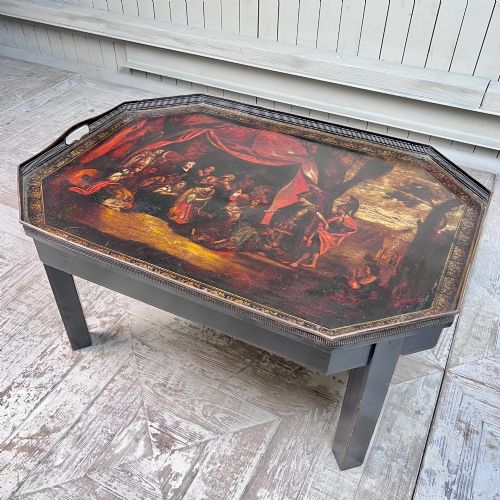
- Tole
- Painted or enamelled metalware used for decorative trays or tabletops. It provides a smooth, colourful surface supported by a folding or fixed base.
- Padauk
- A dense tropical timber valued for its reddish-brown colour and durability. Makers utilised this wood in Anglo-Indian furniture production.
Vintage Octagonal Table: Frequently Asked Questions
Where should I place an octagonal table?
An octagonal table fits well beside a sofa or armchair as a side or occasional piece. Its eight-sided shape allows it to sit comfortably in corners or serve as a central display surface in a room.
Larger versions function effectively as centre tables or games tables. The geometry breaks up the linear regularity of rectangular rooms.
How do I identify an Edwardian octagonal table?
Edwardian tables often feature light timbers such as satinwood or mahogany, frequently accented with subtle inlay work. The construction reflects early twentieth-century manufacturing standards combined with traditional cabinetmaking. Nineteeth-century predecessors typically display heavier timbers like oak or rosewood with more robust proportions.
What is a folding Damascus table?
A folding Damascus table incorporates an octagonal top resting on an intricate, collapsible wooden base that folds flat for storage or transport. These tables often feature elaborate mother-of-pearl or brass inlay. They originated from Middle Eastern traditions and gained popularity during the late nineteenth and early twentieth centuries.
Are these tables suitable for daily use?
Most vintage octagonal tables withstand normal daily use when treated with appropriate care for their polished or inlaid surfaces. Using coasters and avoiding excessive moisture protects the timber and decorative elements. Delicate inlaid pieces or marble-topped variants require gentle handling to preserve the decorative work.