
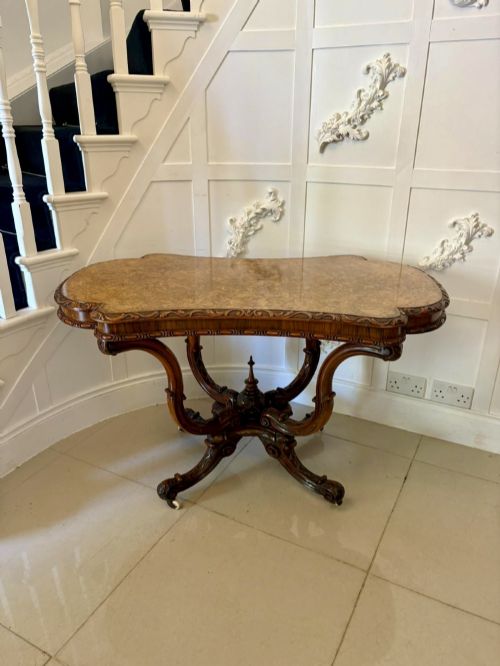
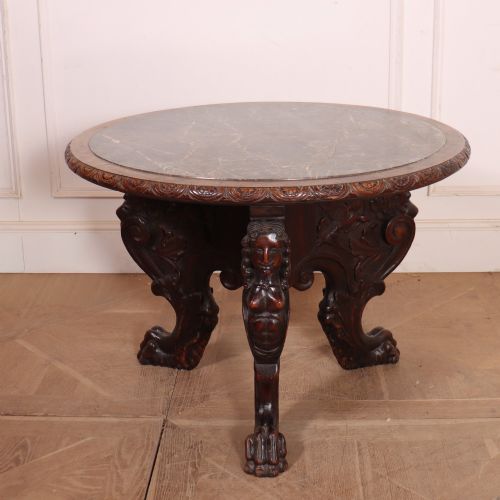
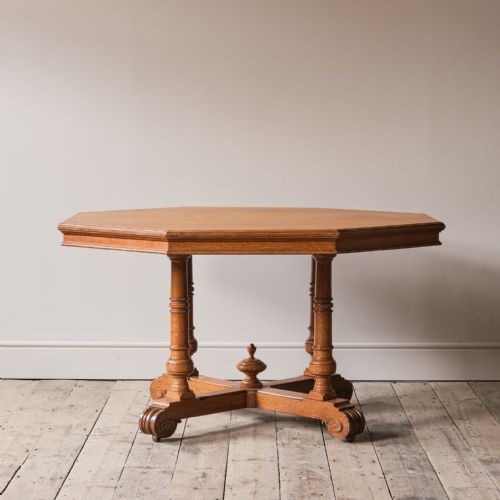
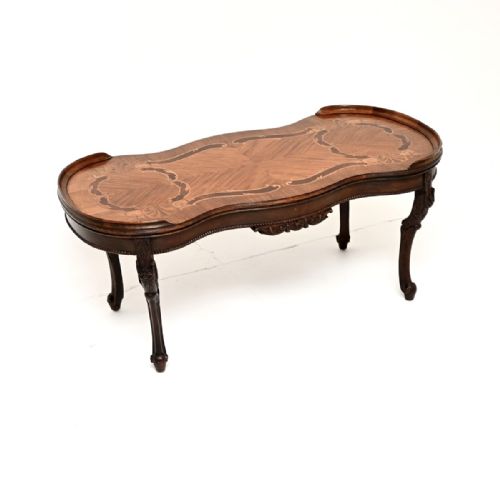
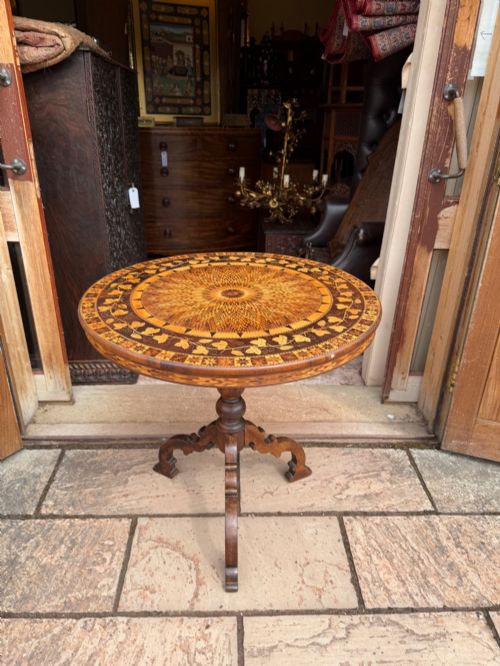
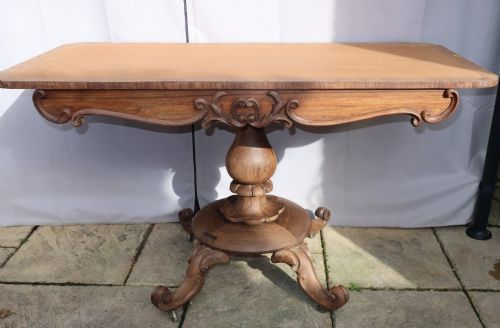
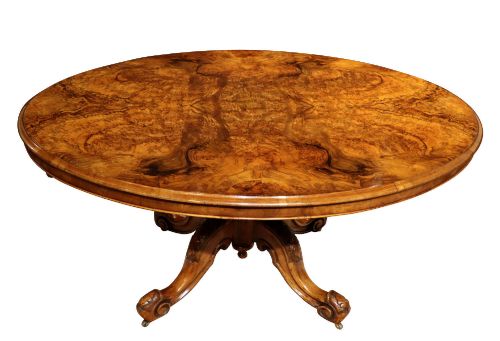
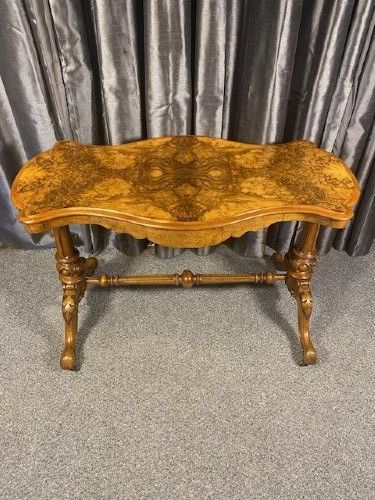

Carved Wooden Centre Table
A carved wooden centre table commands the middle of a room, bringing rich timber and confident carving into daily use.

Carved Wooden Centre Table
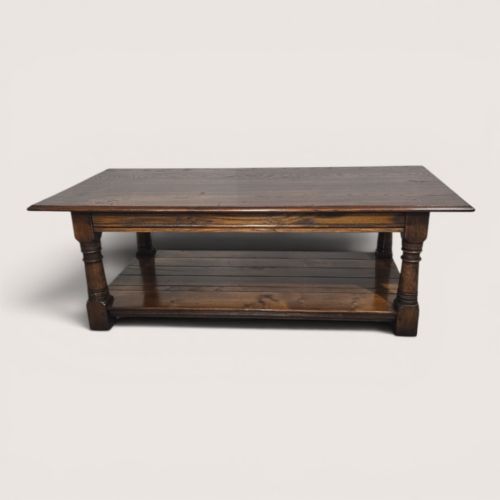
A carved wooden centre table stands independently in an interior, designed to be viewed from every angle rather than pushed against a wall. The pieces collected under this search phrase span centuries of cabinet making, reaching from seventeenth-century walnut up to twentieth-century oak and coffee tables.
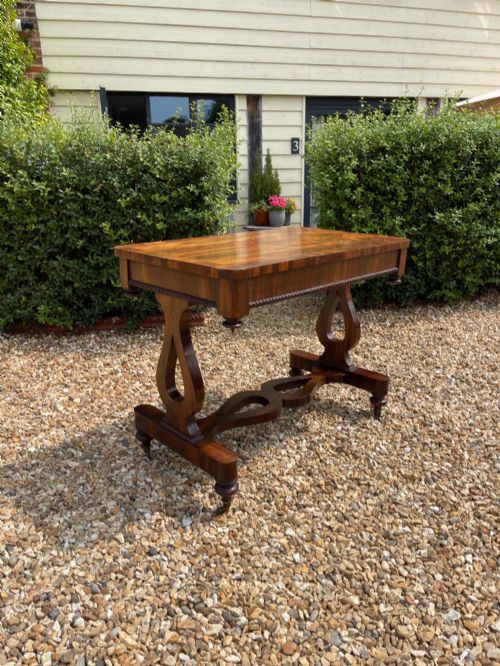
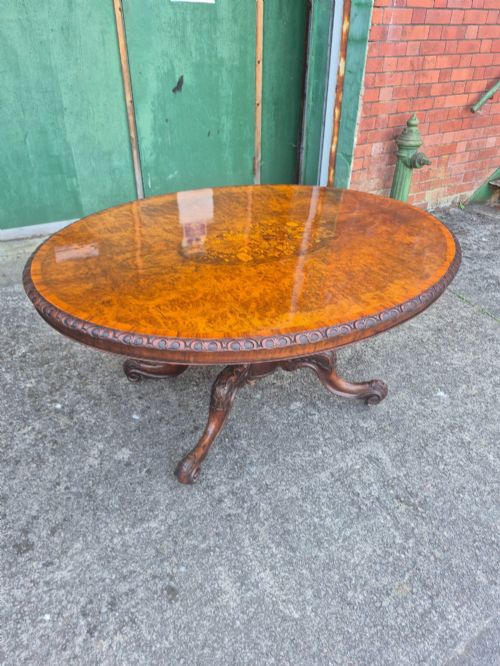
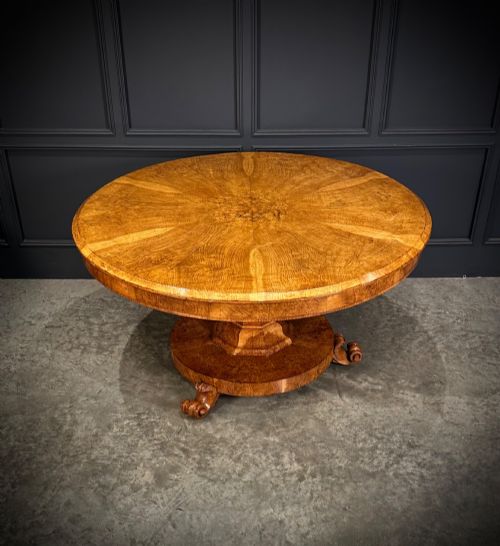
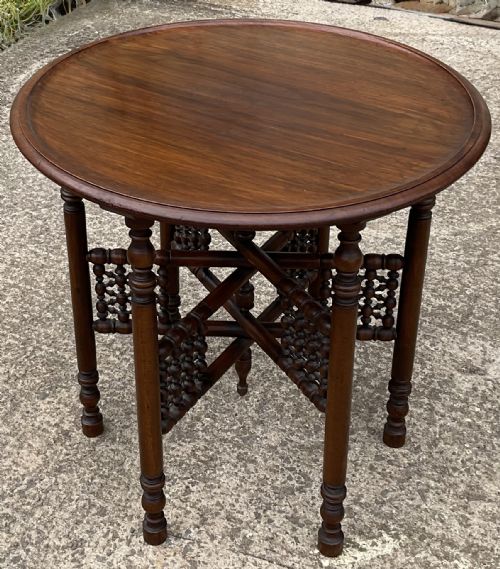
Victorian burr walnut examples dominate the selection, often taking circular or oval shapes supported on carved pedestals or quadrapod bases. Alongside these formal tables appear occasional pieces, breakfast tables, and low tables derived from diverse regional traditions.
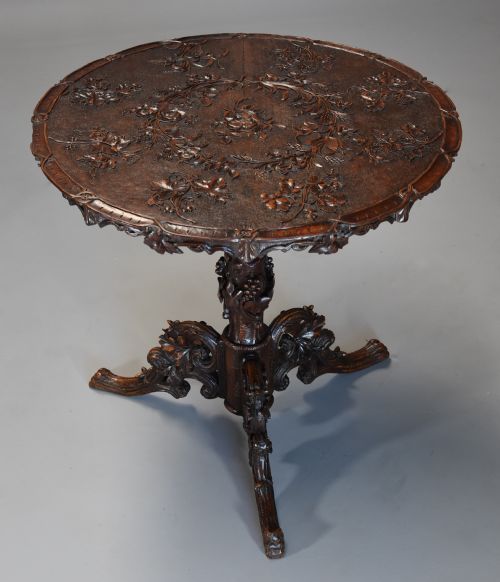
Makers from various European and international centres contributed to this group, incorporating styles that range from Regency and William IV to Anglo-Indian, Black Forest, and French Provincial designs. The common thread is a timber frame shaped by hand-carving and detailed joinery.
Judging the work
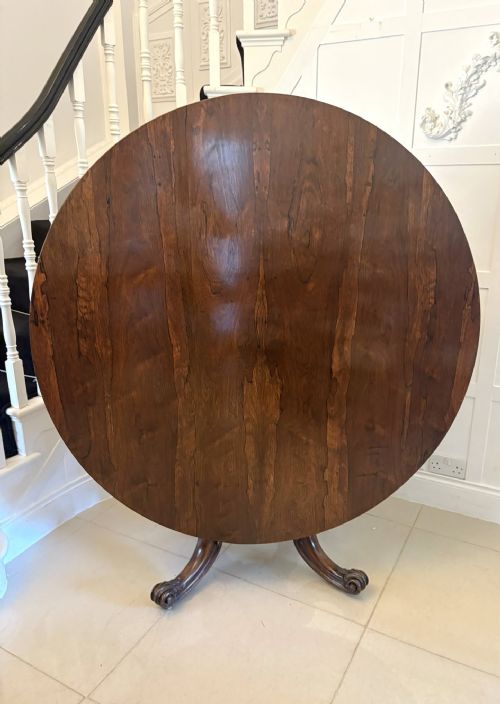
Quality rests in the depth and crispness of the carving, where confident chisel marks distinguish skilled hand execution from mechanical rounding. The choice of timber also sets pieces apart, with highly figured burr walnut and dense rosewood representing the upper tiers of production.
Structural integrity reveals itself in how the top joins the base, whether a tilt-top mechanism locks firmly or a quadrapod pedestal stands without wobble. Refined proportion and harmonious proportions between base and top separate standard utilitarian pieces from exceptional examples.
Carved Wooden Centre Table Retail Price Guide 2026
Typical asking prices for carved wooden centre table among the pieces listed under this phrase on Sellingantiques today, from the lower quarter to the upper quarter. They describe what is for sale here now, not the wider market.
Listings feature 19th-century pieces alongside 20th-century coffee tables, utilising materials like burr walnut, marble, brass, and oak.
The Carved Wooden Centre Table Glossary
- Burr walnut
- A wood harvested from walnut tree growths, producing swirling, highly figured grain patterns favoured for decorative table tops.
- Quadrapod base
- A heavy central pedestal supported by four carved legs or feet, commonly found beneath Victorian circular breakfast and centre tables.
- Marquetry
- The art of applying decorative pieces of veneer to a structure to form intricate geometric or floral designs.
- Tilt-top
- A hinged table top that can be swung into a vertical position when not in use, allowing the piece to stand flat against a wall.
- Padouk
- A heavy, durable tropical hardwood with a reddish hue, often encountered in nineteenth-century Anglo-Indian furniture.
Carved Wooden Centre Table: Frequently Asked Questions
Where should I place a centre table?
These tables are designed to stand free in the middle of a room, functioning as a focal point for lamps, books, or decorative objects.
Ensure there is enough clearance around the edges for comfortable movement, allowing the carved details and timber grain to be appreciated from all sides.
How do I care for a polished wood surface?
Protect the timber from direct sunlight and excessive heat sources to prevent the wood or veneer from drying out and cracking.
Apply natural beeswax periodically and buff gently with a soft cloth to maintain the lustre of the original polish without building up heavy residue.
Can I use a antique table daily?
Most of these pieces were built for robust domestic use from durable hardwoods like oak, walnut, and mahogany.
Use coasters and placemats to guard against moisture rings and heat marks, preserving the finish while enjoying the table in everyday life.
How do I identify the period of a table?
Look to the combination of timber choices, turning styles, and carving motifs, such as heavy rosewood or burr walnut indicating Victorian production.
Examine the underside and joints for construction methods, tool marks, and fixings that align with nineteenth-century or earlier cabinet-making practices.