

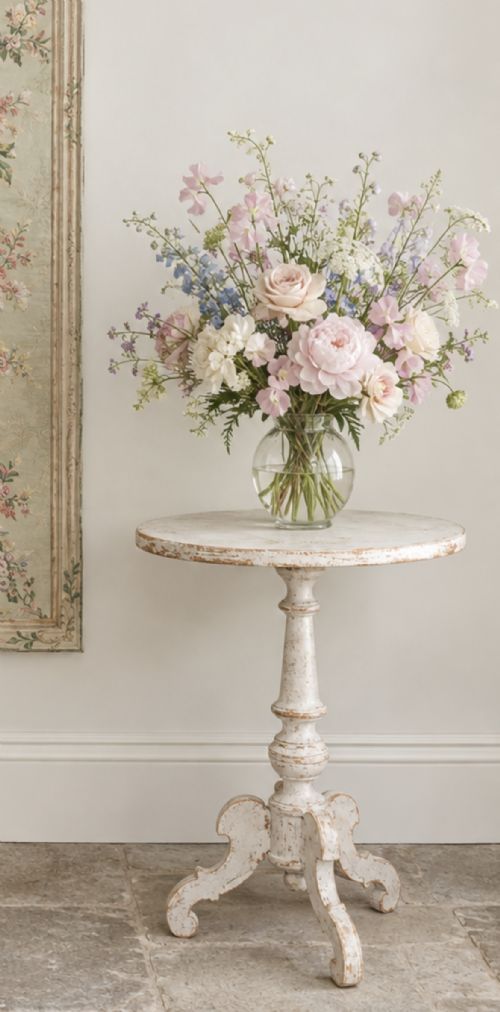
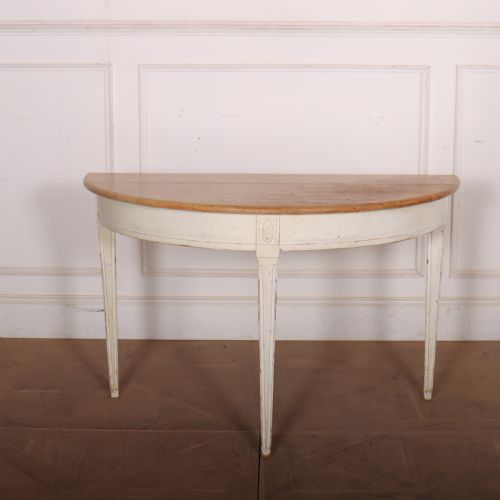


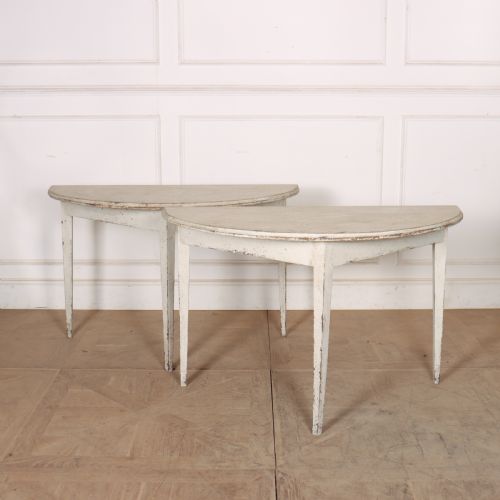

Distressed White Side Table
A distressed white side table brings a practical surface and weathered painted character to a room, drawing on regional European traditions.
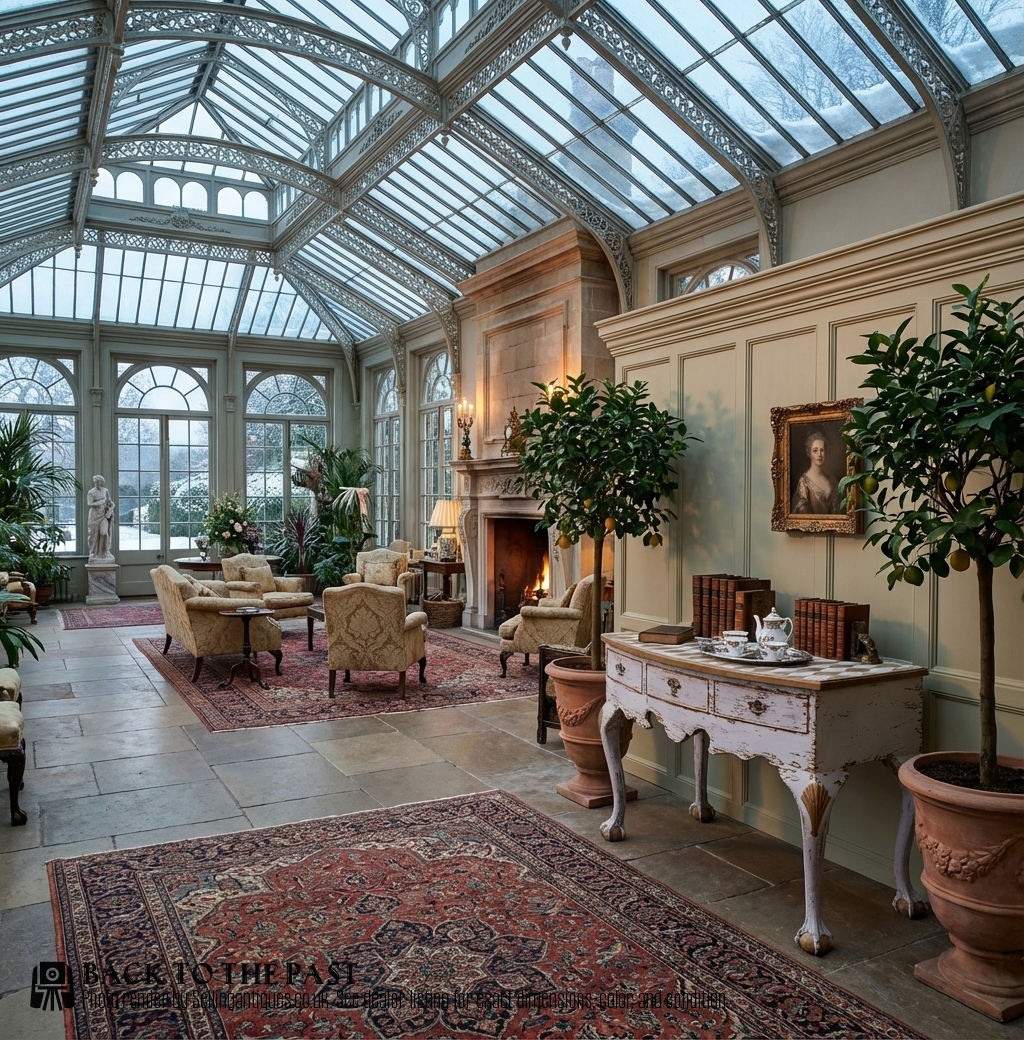
Distressed White Side Table
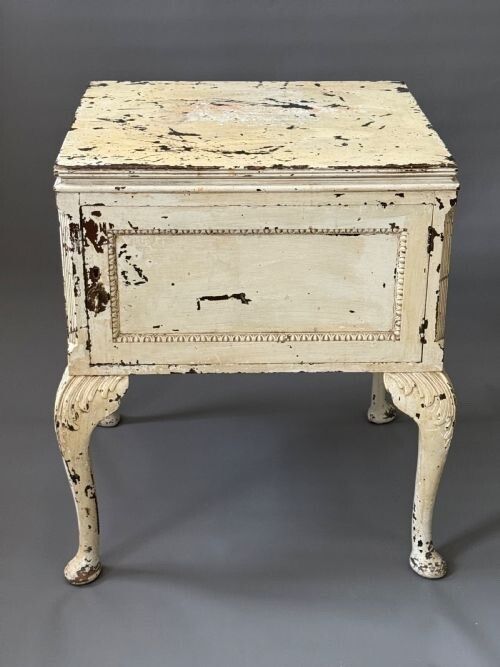
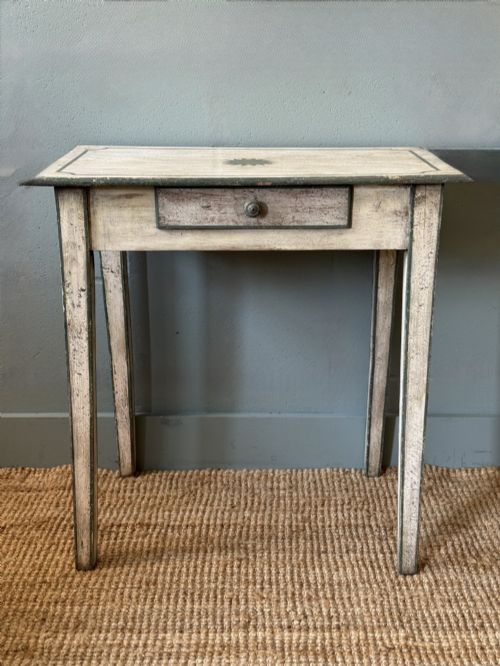
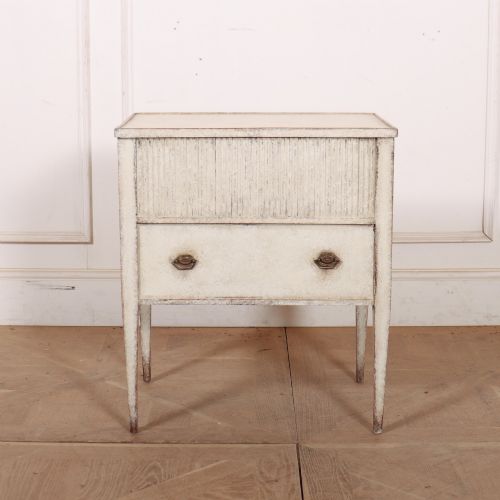
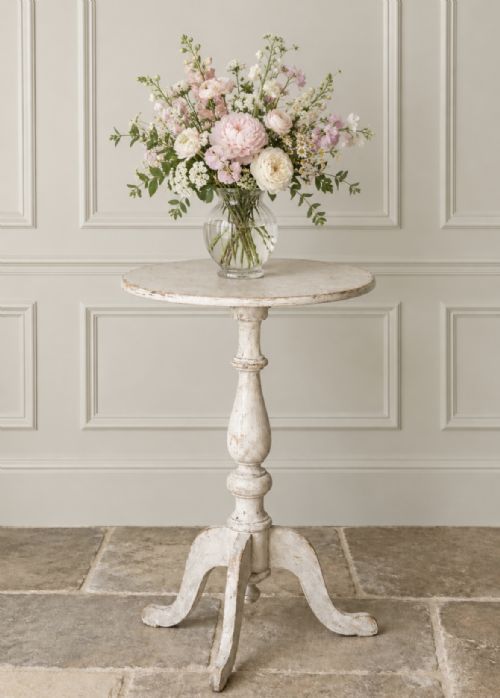
A distressed white side table encompasses various compact wooden forms such as bedside cabinets, occasional tables, console tables, and lamp stands designed for domestic placement. These pieces frequently emerge from Scandinavian country, Gustavian, French provincial, and English traditions spanning the eighteenth, nineteenth, and early twentieth centuries.
The version most commonly encountered on this page is the painted softwood or pine table hailing from Sweden or France, often finished with a pale or distressed white surface that highlights its age and utility. Console tables and demi-lune shapes also feature prominently among the current selections, alongside marble-topped and cast iron variants.
How they were made
Construction relies heavily on timber substrates such as pine, fruitwood, and oak, shaped into practical domestic furniture using traditional joinery methods. Surfaces are typically finished with layers of paint applied over wood, which subsequently develop wear over decades of use.
Certain examples incorporate stone or metal components, pairing painted wood bases with marble tops, brass fittings, or wrought iron and cast iron framing. This combination of materials provides both stability and decorative contrast for daily use.
Distressed White Side Table Retail Price Guide 2026
Typical asking prices for distressed white side table among the pieces listed under this phrase on Sellingantiques today, from the lower quarter to the upper quarter. They describe what is for sale here now, not the wider market.
The listings feature nineteenth-century painted pine, walnut, and fruitwood alongside marble tops and cast iron framing.
What varies in quality
Quality diverges according to the integrity of the original timber frame and the authenticity of the surface finish. Pieces retaining their initial painted layers demonstrate greater historical value than those subjected to modern overpainting.
The refinement of the carving and the inclusion of high-status materials, such as inset marble tops or brass hardware, elevate certain console and occasional tables above standard utilitarian pine items.
The Distressed White Side Table Glossary
- Demi-lune
- A half-moon shaped console or side table designed to sit flat against a wall. These pieces frequently appear in pairs within Swedish and French interiors.
- Gustavian
- A Swedish neoclassical style characterised by restrained classical detailing and pale painted finishes. It forms a significant portion of the painted furniture found here.
- Occasional table
- A small, moveable table intended for specific, intermittent use around a room such as holding a lamp or planter. These items appear across nineteenth-century English and Scandinavian listings.
- Console table
- A table supported against a wall by legs or brackets, often featuring a decorative marble top. They serve a prominent role in both French and Swedish domestic spaces.
- Softwood
- Timber derived from conifers, predominantly pine in these listings, which serves as the primary structural material for painted country furniture. It provides a lightweight yet durable base for surface decoration.
Distressed White Side Table: Frequently Asked Questions
What is a distressed white side table?
A distressed white side table is a compact wooden surface finished with aged or weathered white paint, originating primarily from nineteenth-century European country houses and provincial workshops.
These pieces include bedside cabinets, occasional tables, and console tables designed to offer accessible tabletop space while contributing a rustic decorative element to a room.
How do I identify a Swedish painted table?
Swedish painted tables typically display restrained neoclassical Gustavian lines or rural Scandinavian country forms, utilising pale paint surfaces on pine or softwood timber.
They frequently appear as demi-lune console tables, bedside cupboards, or occasional tables dating from the nineteenth and early twentieth centuries.
Where were marble topped console tables used?
Marble topped console tables were traditionally placed against walls in formal reception rooms, hallways, and grand country house interiors across France and Sweden.
The stone top provided a durable, cool surface suitable for displaying decorative objects or serving refreshments.
How do I care for a painted antique table?
Care for a painted antique table involves dusting gently with a dry cloth and avoiding harsh chemical cleaners that could strip or damage the historic surface finish.
Keep the timber away from direct heat sources and extreme humidity fluctuations to prevent wood movement and further paint loss.