




White Painted Console Table
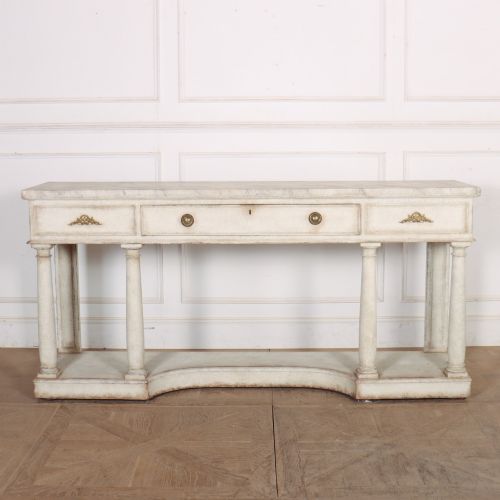
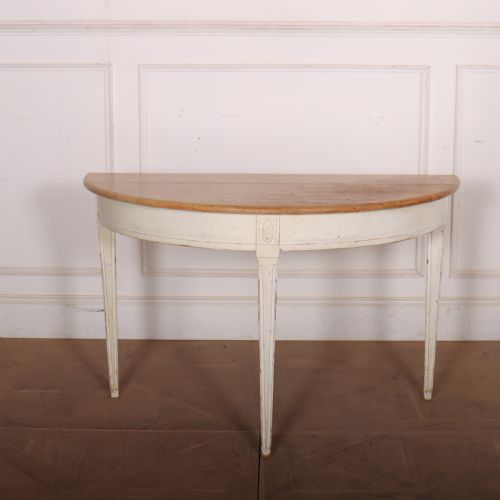
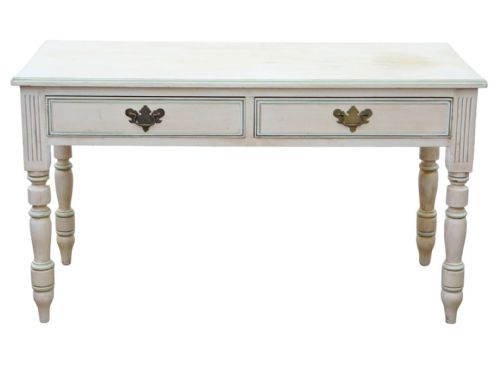
A white painted console table brings architectural presence and a pale finish to a hallway or drawing room.
Identifying white painted console table forms
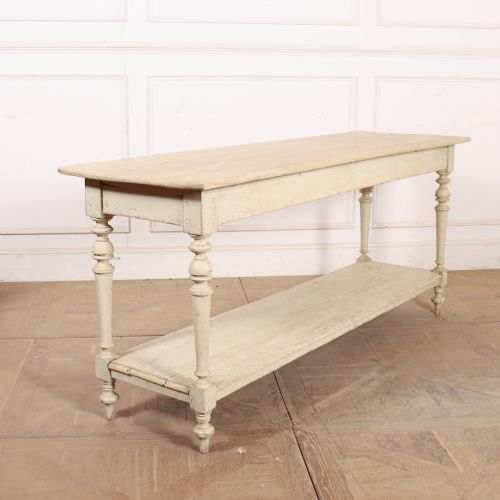
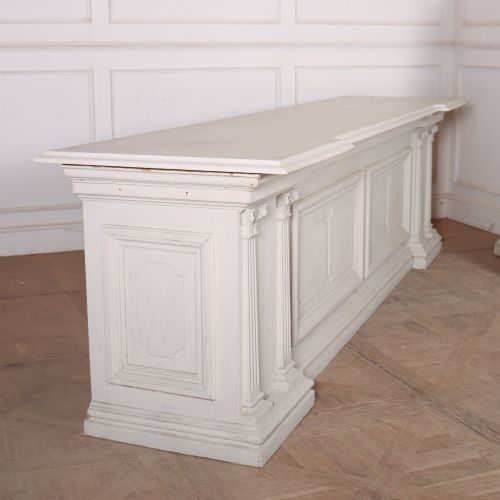
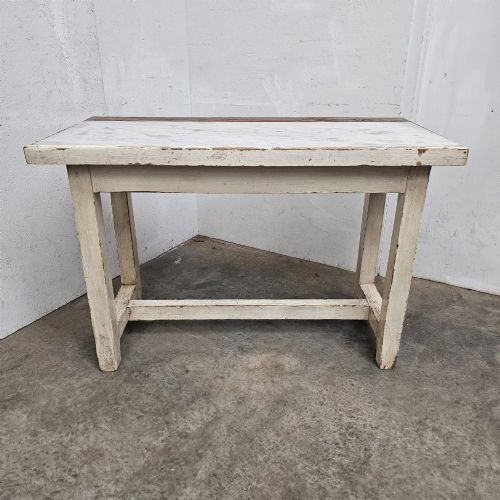
When searching for a white painted console table, buyers encounter furniture designed to stand against a wall, often featuring demi-lune shapes or rectangular proportions. The selection spans the nineteenth century, including Edwardian examples and specific years such as 1860 and 1870, alongside pieces with later painted surfaces.
Geographic origins shape the inventory significantly, with Swedish pieces reflecting Scandinavian country and Gustavian tastes, while others draw on French Neoclassical, French Provincial, French Country, and French Rococo Revival styles. Grand Regency and broader English designs also appear among the offerings.
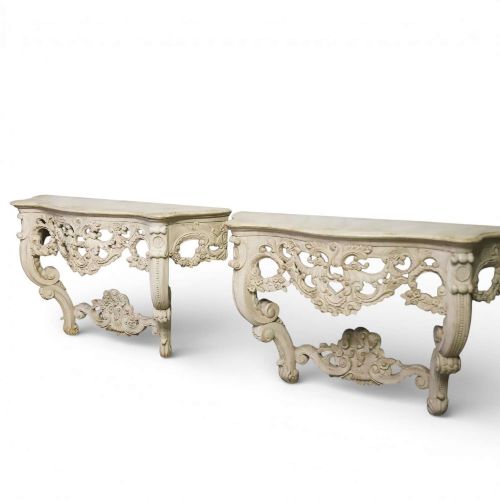
Many of these tables are found as pairs rather than single items, offering symmetry for flanking a doorway or a fireplace. The forms range from simple side tables to grander architectural consoles designed to support heavy surfaces.
Materials and construction
Construction relies primarily on pine and carved wood, providing a sturdy substrate for decorative finishes. Gesso is frequently applied to wood before painting to build up crisp architectural mouldings and decorative reliefs.
Surfaces feature painted finishes, with layers of paint applied over wood or gesso, sometimes showing the weathering of time. Tops incorporate contrasting materials such as marble and slate, adding weight and utility to the wooden bases.
Retail Price Guide 2026
Typical UK retail prices for white painted console table, calculated from the Sellingantiques database of over a million retail prices indexed since 2003. This retail price guide relies exclusively on Sellingantiques data; no external sources or auction records are used, so the figures do not describe the wider market.
Several listings arrive in harmonious pairs, sparing owners the eternal domestic debate of finding a matching second half.
Distinctions in quality
Quality reveals itself in the harmony of the carving and the depth of the timber preparation beneath the paint. Finer examples display crisply articulated gesso work and well-balanced proportions that respect their period style, whether Swedish Gustavian or French Rococo.
The integrity of the structural joinery and the authenticity of the surface finish distinguish superior pieces from later adaptations. Tables retaining integrated marble or slate tops demonstrate a higher tier of original specification compared to those with later replacements.
The White Painted Console Table Glossary
- Demi-lune
- A half-moon shape used for table tops and cabinets designed to sit flat against a wall. This profile saves floor space while providing a useful display surface.
- Gustavian
- The Swedish interpretation of French neoclassical design, characterised by restrained carving, pale finishes, and elegant, simplified forms. It flourished during the late eighteenth century and influenced nineteenth-century furniture makers.
- Gesso
- A plaster mixture applied to wood surfaces to create a smooth base for gilding or painting. It allows craftsmen to carve intricate relief details before adding colour.
- Console table
- A table supported by wall brackets or console legs, traditionally designed to stand against a wall. Because they rely partly on the wall for stability, their leg configurations often prioritise front aesthetics.
Frequently Asked Questions
Where do I put a console table?
A white painted console table suits narrow transition spaces like hallways, entrance passages, and landings where depth must be kept to a minimum. They also sit comfortably beneath large mirrors or windows in principal reception rooms.
Because their backs are often plain or designed to anchor against a wall, they perform best when given a permanent architectural home rather than floating in the middle of a room.
How do I style a painted console?
Styling depends on the proportions of the table and the material of its top, whether timber, marble, or slate. Pairing a pale Swedish or French piece with restrained accessories lets the carved detail and painted finish remain the focal point.
Keeping the surface uncluttered preserves the clean lines of Gustavian and neoclassical designs, allowing the natural grain or stone texture to contrast with the painted wood below.
How do I recognise Swedish pieces?
Swedish console tables from the nineteenth century typically display Gustavian or Scandinavian country characteristics, leaning towards lighter palettes and restrained neoclassical motifs. They often feature fluted legs, subtle fluting, and pale painted surfaces.
Comparing the carving style and the build of the pine carcass helps differentiate these northern European forms from heavier French or English equivalents of the same era.