



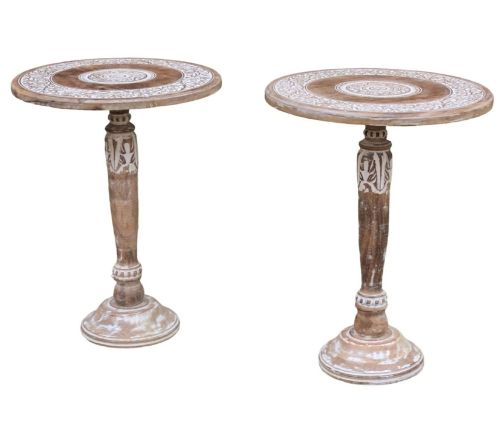
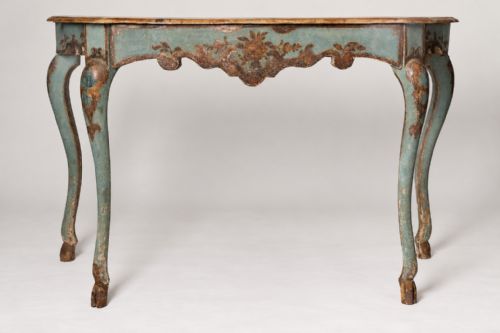
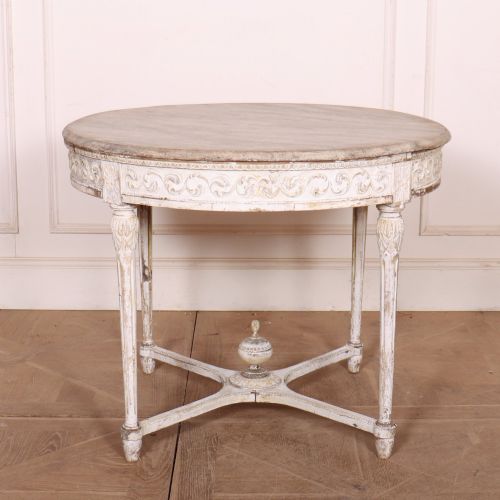

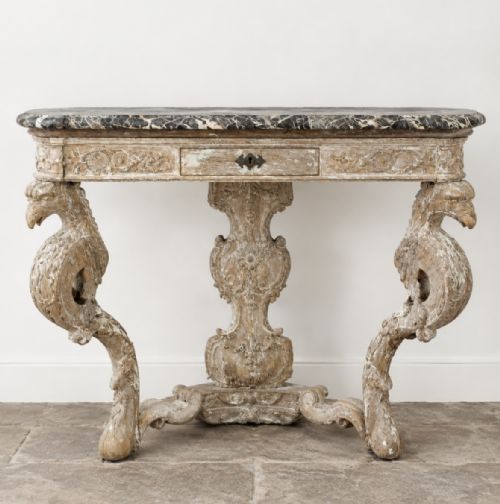
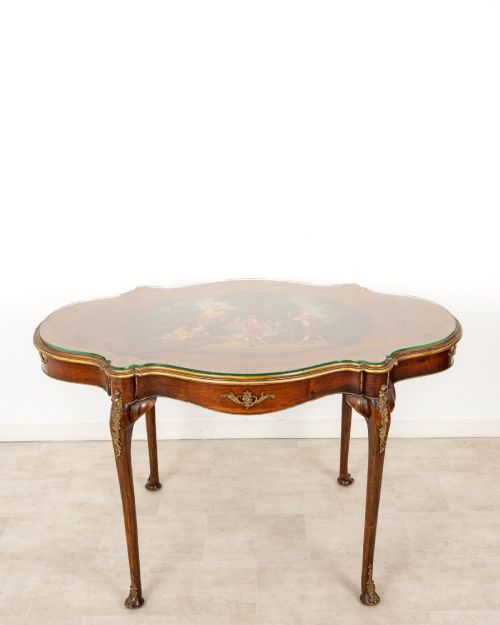
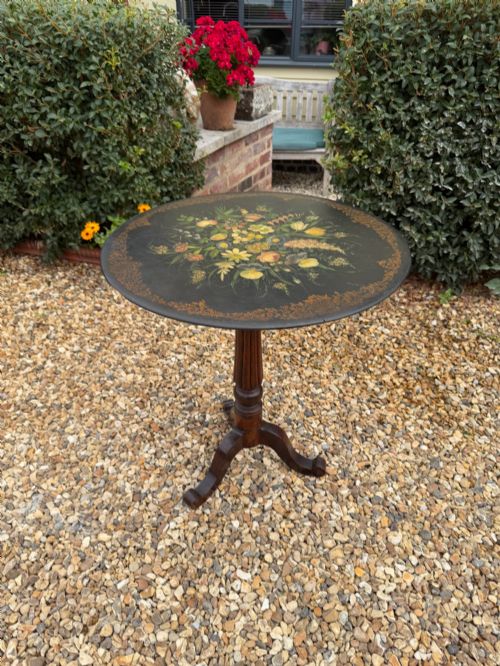

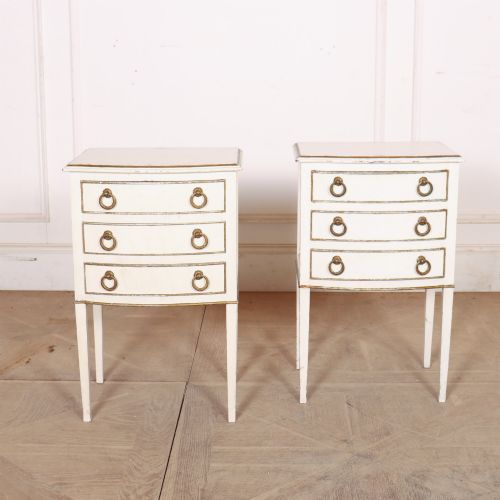
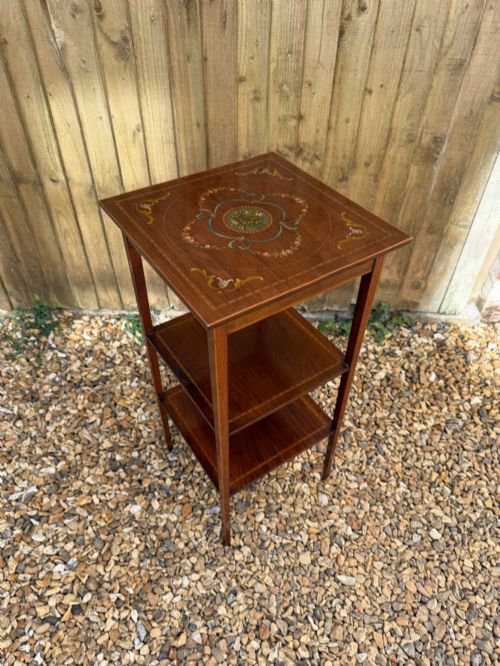
Painted Wood Side Table
A painted wood side table brings colour and character to a room, offering surface space in a compact footprint.
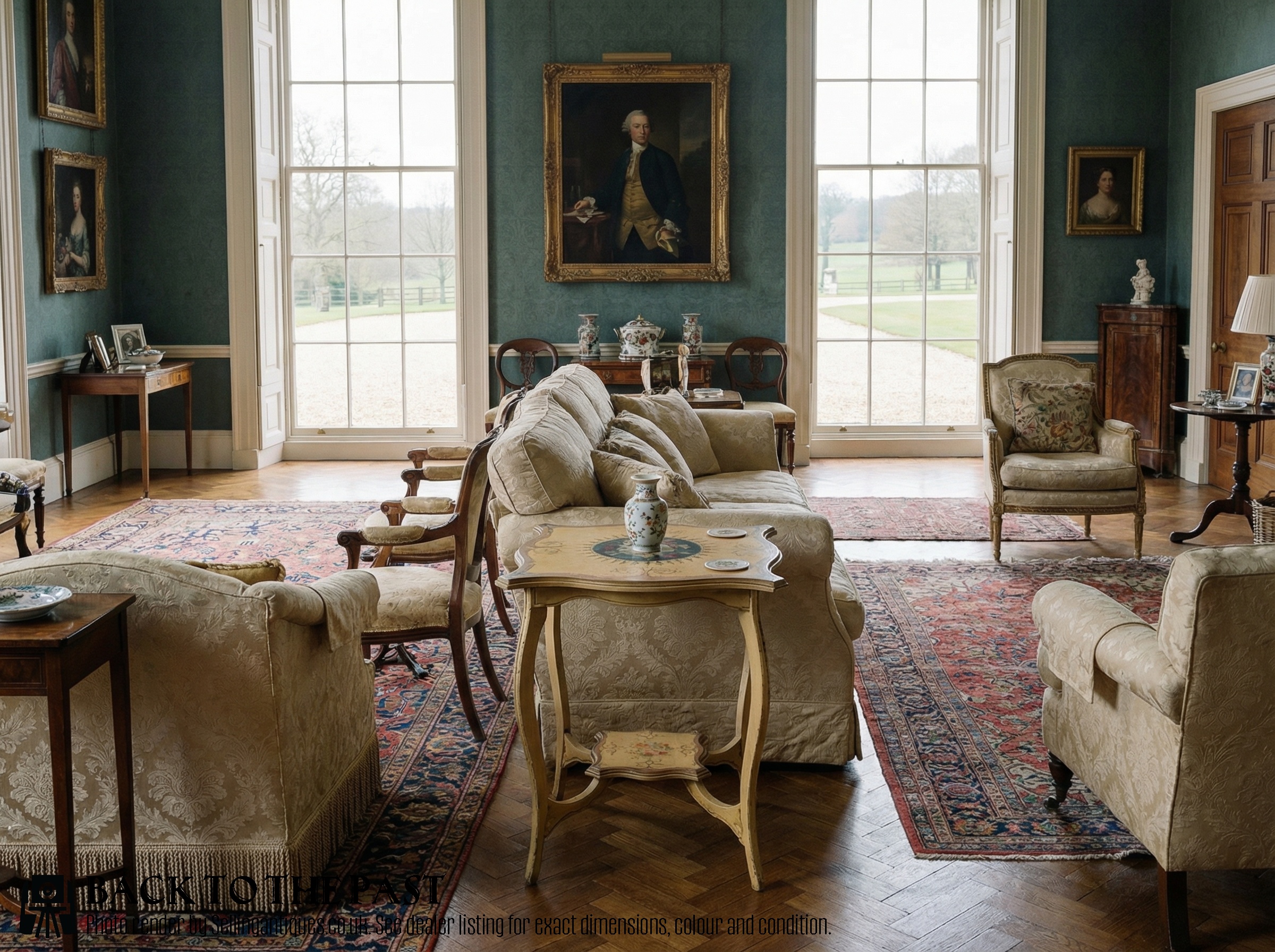
Painted Wood Side Table
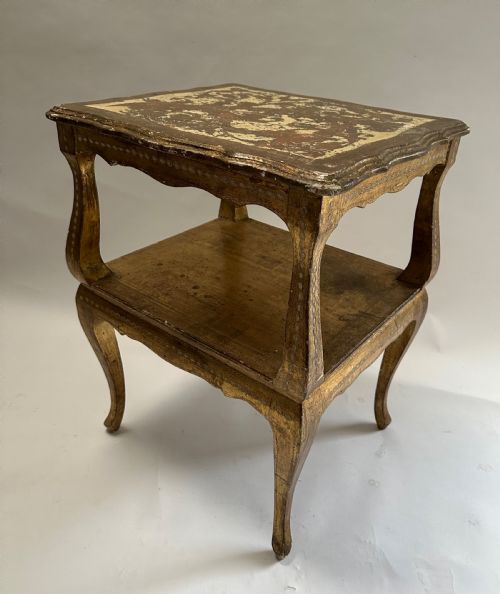
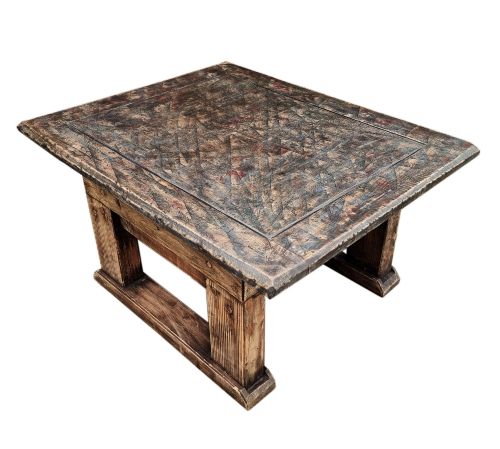
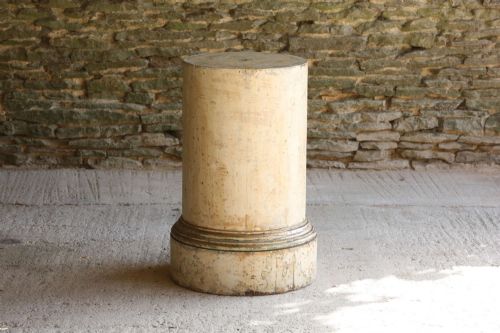
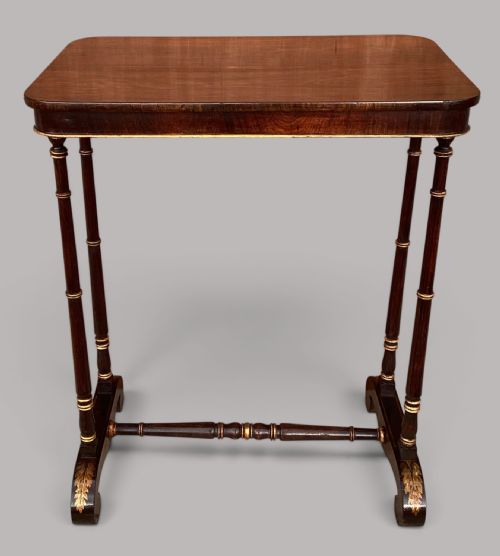
A painted wood side table is a versatile surface found across the nineteenth and early twentieth centuries in various regional styles. These pieces range from simple pine work surfaces to decorative satinwood hall tables.
Buyers meet many Scandinavian country pieces, particularly Swedish lamp tables, alongside Edwardian satinwood items and French console tables. The selection also includes occasional tables, bedside chests, and demi-lune forms designed to sit flush against a wall.
Construction spans multiple decades, touching the Georgian, Victorian, and Edwardian eras. Many examples feature delicate floral motifs or gilt details applied over a painted base coat.
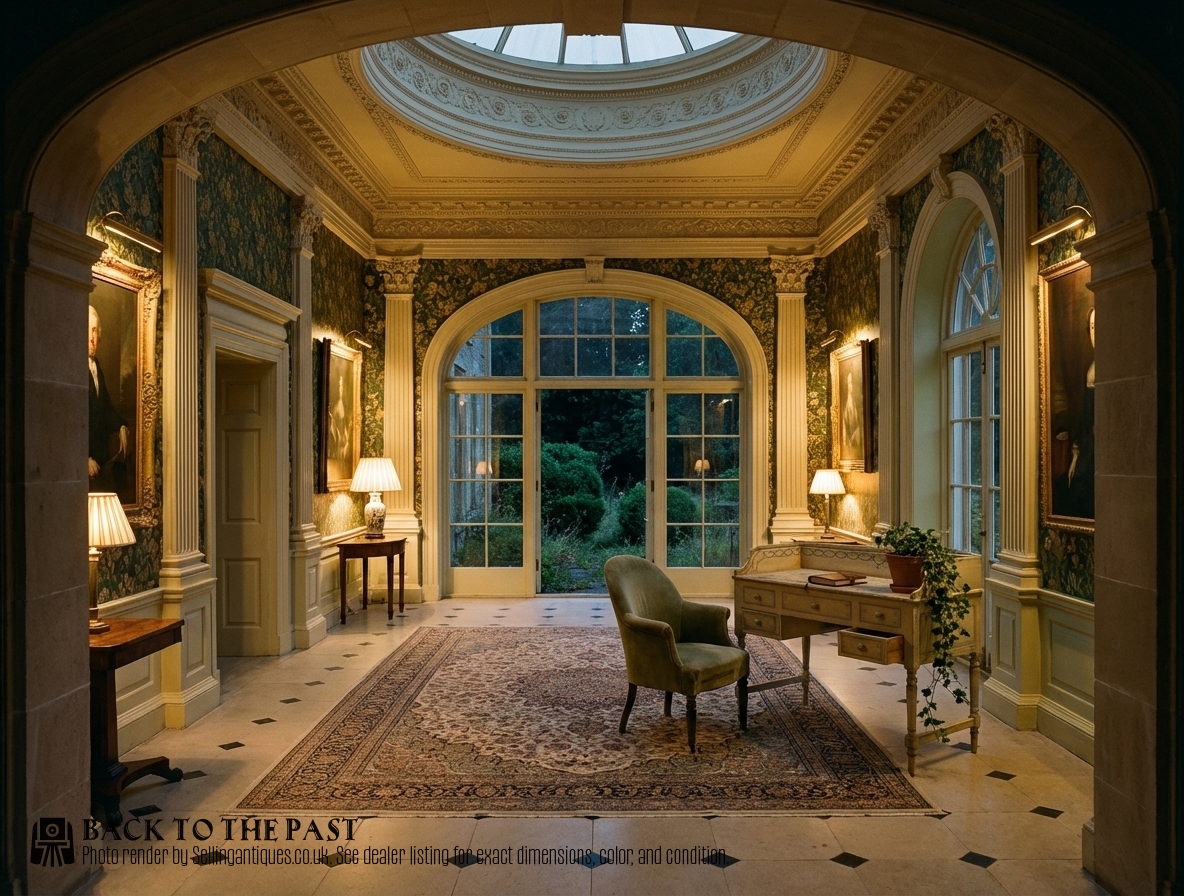
Materials and construction
Makers utilised pine, fruitwood, beech, and satinwood as a base for intricate surface decoration. Paint was layered over the timber, sometimes complemented by gold leaf or parcel gilt highlights.
Carved wood elements, brass fittings, and inset marble tops appear on finer console and centre tables. Workshops employed hand-carving alongside traditional joinery to build sturdy occasional and bedside furniture.
Painted Wood Side Table Retail Price Guide 2026
Typical asking prices for painted wood side table among the pieces listed under this phrase on Sellingantiques today, from the lower quarter to the upper quarter. They describe what is for sale here now, not the wider market.
Listings feature items from the 18th Century through the 1930s, incorporating Scandinavian, French, and English regional designs.
Assessing quality
The sophistication of the painted decoration separates standard utilitarian pieces from high-status furniture. Original hand-painted floral motifs and intact parcel gilt hold more distinction than later surface updates.
The choice of underlying timber matters greatly, with dense satinwood and finely carved pine reflecting different levels of workshop ambition. Structural integrity in the legs and joints determines how well a table withstands daily use.
The Painted Wood Side Table Glossary
- Demi-lune
- A half-moon shaped table designed to stand flat against a wall. These console pieces save space while providing a useful display surface.
- Étagère
- A set of open shelves or a multi-tiered side table used for display. These units often feature two or three levels supported by slender columns.
- Parcel gilt
- A technique where parts of a wooden object are highlighted with thin layers of gold leaf. This ornamentation contrasts against the painted wood ground.
- Satinwood
- A durable hardwood with a natural sheen, frequently painted or inlaid. It serves as a favored canvas for delicate floral decorations on Edwardian tables.
- Console table
- A table supported by wall brackets or console legs, traditionally placed in hallways or reception rooms. They often take a semi-circular or rectangular form.
Painted Wood Side Table: Frequently Asked Questions
Where should I place a painted wood side table?
These tables fit easily beside a sofa, in a hallway, or as a bedside surface where extra space is needed.
Their decorative painted finishes allow them to act as focal points or functional accents against plain walls.
How do I care for painted wooden furniture?
Dust the surface regularly with a soft, dry cloth to protect the painted finish from abrasive particles.
Avoid placing the table in direct sunlight or near heat sources to prevent the wood and paint from cracking.
Are these tables sturdy enough for daily use?
Most pieces are built from solid timbers like pine, beech, or fruitwood designed for regular household tasks.
Lighter occasional tables and lamp stands suit holding lamps and small items rather than heavy loads.
How can I tell the period of a painted table?
Look to the construction methods, wood types, and specific decorative motifs such as Edwardian satinwood or Victorian pine.
Stylistic cues like Neoclassical proportions or Gustavian palette choices also help narrow down the date of manufacture.