
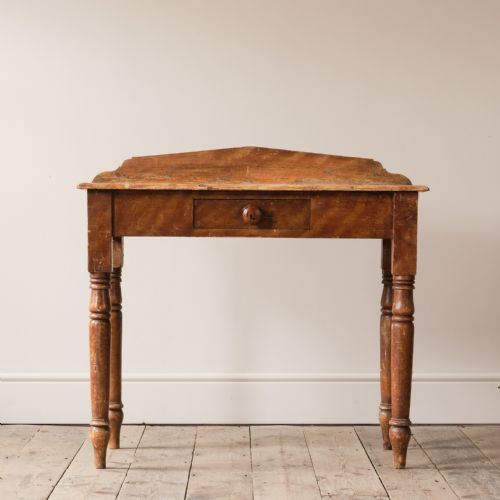
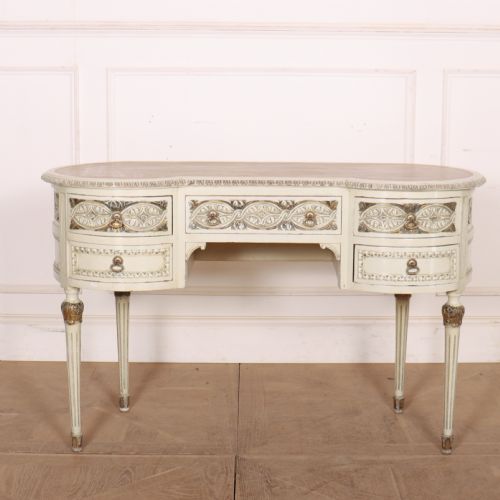


Vintage Painted Dressing Table
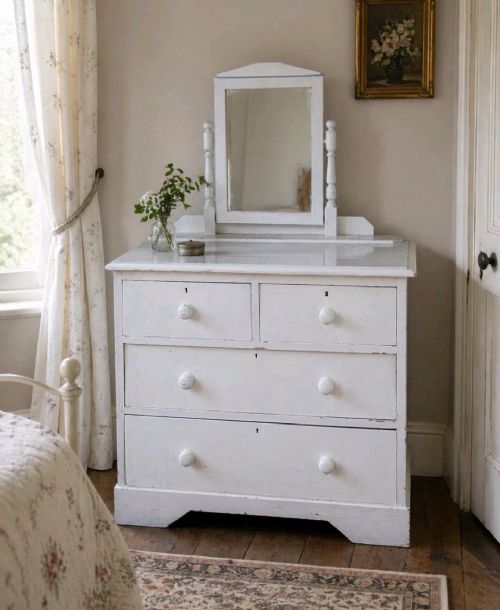
A vintage painted dressing table brings hand-finished colour and period character to a bedroom.
Vintage Painted Dressing Table
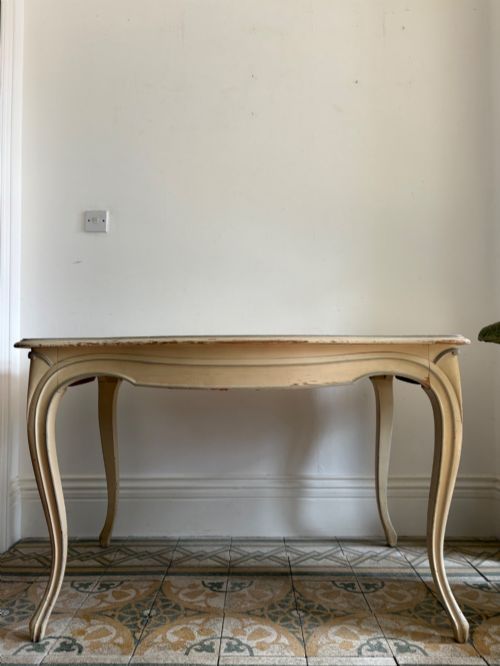
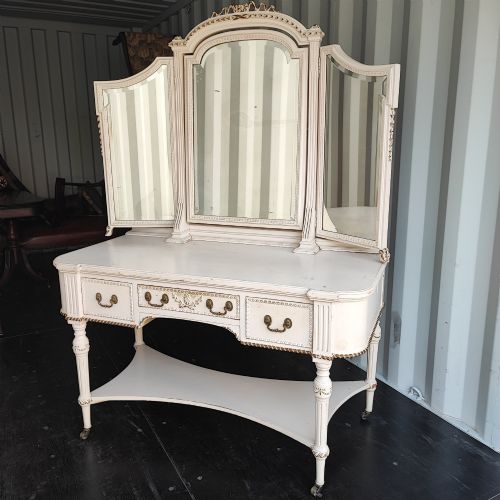
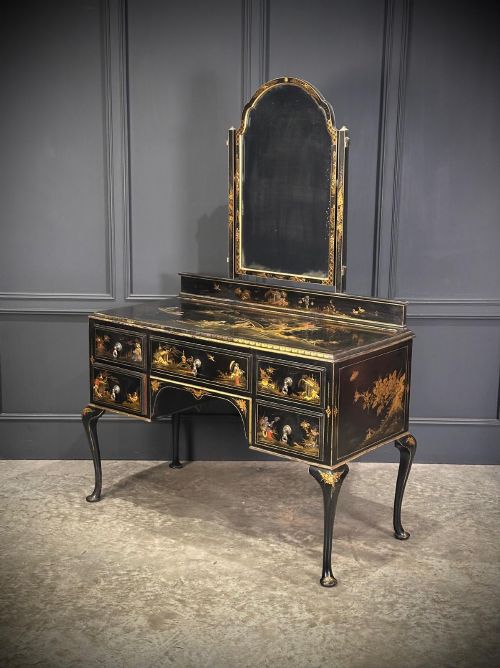
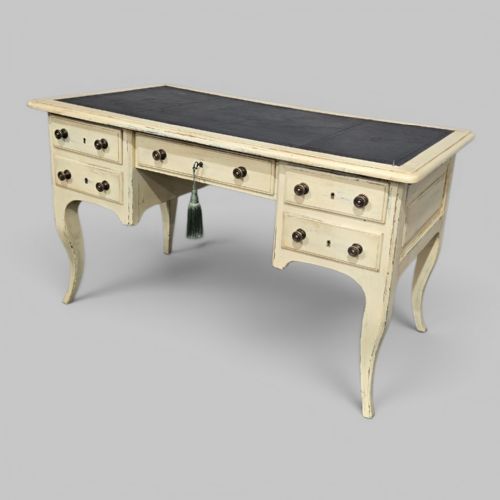
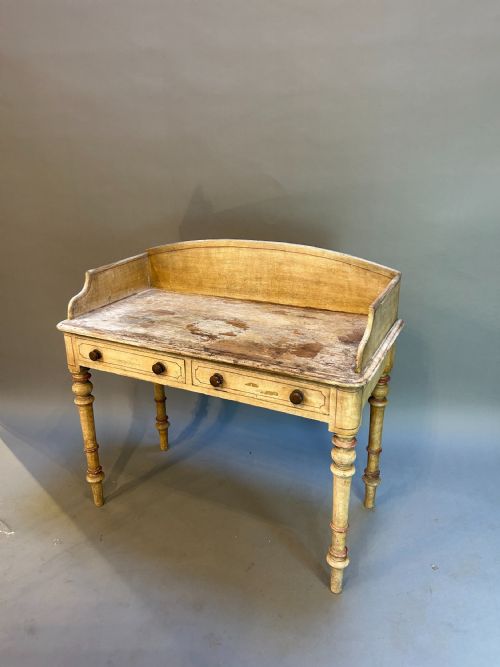
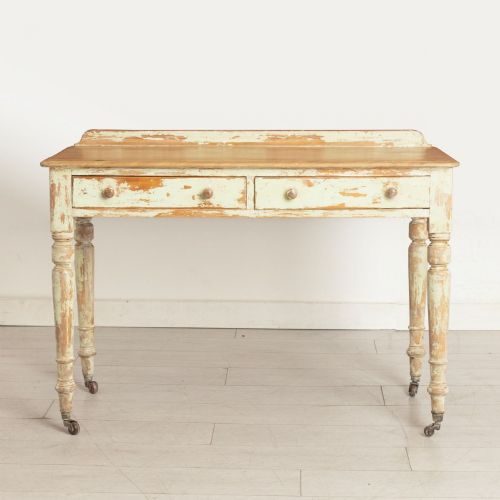
A vintage painted dressing table combines functional surface space with decorative painted finishes, spanning the nineteenth century through the nineteen-thirties. Pieces range from Victorian pine and satinwood designs to French provincial styles and Chinoiserie lacquer work.
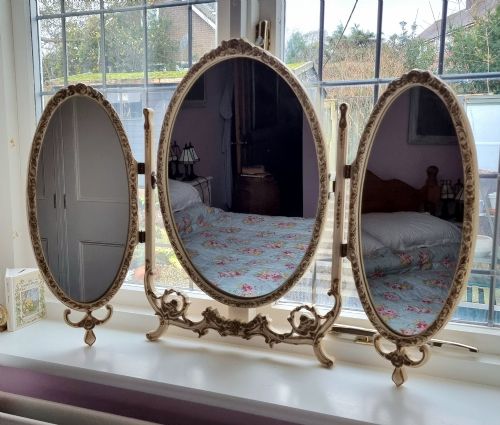
Buyers meet variations involving console tables, kneehole desks, and dedicated dressing table mirrors alongside complementary stools. The selection draws heavily on continental influences, notably French chateau and Louis styles, executed in painted wood.
The format serves both utilitarian dressing routines and decorative display within period interiors. Original paint surfaces and scumble glazes frequently define the visual weight of these surviving items.
How they were made
Construction relies primarily on timbers such as pine, birch, satinwood, and oak, frequently enhanced by applied surface layers of paint, lacquer, or scumble glaze. Brass handles and glass mirrors integrate into the foundational woodwork.
Surface decoration employs hand-applied pigments, sometimes following specific regional traditions like French provincial or oriental Chinoiserie motifs. Protective clear coats or aged patination seal the underlying wood and paint layers.
The listings show nineteenth-century pine and satinwood alongside twentieth-century French provincial and Chinoiserie styles.
What varies in quality
The integrity of the original painted surface dictates much of the visual merit, distinguishing factory-applied or later repainted items from untouched period brushwork. Finer examples display harmonious patination where wear aligns naturally with age.
Joinery execution and timber selection separate utilitarian bedroom furniture from high-status boudoir pieces. Cabinetwork quality shows in the fitting of drawers, the stability of serpentine fronts, and the detail of carved wooden elements.
maples of london and paris
The Vintage Painted Dressing Table Glossary
- Scumble glaze
- A decorative translucent paint technique dragged or wiped across a base coat to simulate finer wood grains or create mottled texture. It provides depth on nineteenth-century pine furniture.
- Chinoiserie
- European decorative style imitating Chinese artistic traditions, featuring lacquered surfaces and hand-painted oriental motifs. It appears on select dressing tables and cabinets.
- Kneehole desk
- A writing or dressing table featuring a central recessed space for the legs flanked by banks of drawers. This form allows a comfortable seated position.
- Satinwood
- A durable hardwood with a natural golden sheen and satin-like texture, frequently utilised for fine nineteenth-century dressing furniture. It takes paint and polish exceptionally well.
- Serpentine front
- A furniture silhouette featuring a convex central section flanked by two concave curves. This shape requires advanced woodworking skill to construct.
Vintage Painted Dressing Table: Frequently Asked Questions
How do I date a painted dressing table?
Dating relies on combining timber types, construction methods, and stylistic cues such as nineteenth-century proportions or nineteen-thirties art deco influences. Hardware like brass pulls and mirror glass thickness also offer chronological markers.
Examine the paint layers for signs of age beneath any surface wear. Original finishes show consistent craquelure and integration with the substrate that modern repainting fails to replicate.
Are painted dressing tables durable for daily use?
Period painted furniture withstands daily use provided surfaces receive gentle care and protection from moisture and direct heat. Solid timber carcases beneath the paint provide robust structural integrity.
Routine maintenance involves dusting with a dry cloth and avoiding harsh chemical cleaners. Protective glass tops are sometimes added to safeguard vulnerable painted writing surfaces.
What is the difference between French and English styles?
French styles like provincial or Louis XV revival often feature cabriole legs, serpentine fronts, and decorative carvings. English pieces tend towards cleaner rectilinear lines, pine construction, or satinwood finishes.
Both traditions incorporate painted finishes, but French examples lean towards ornate decoration while English versions frequently emphasise practical utility.
How do I match a mirror to a table?
Matching a mirror involves assessing the wood type, paint colour, and period characteristics of both pieces. Triple mirrors or adjustable dressing glasses should complement the scale of the console or desk below.
Standalone mirrors were frequently paired with dressing tables from different makers sharing a similar aesthetic. Look for consistent patination across the frames to ensure a harmonious pairing.