



19th Century Painted Table
When you explore a 19th century painted table, you uncover useful surfaces adorned with historic finishes ranging from rustic pine to delicate lacquer.
19th Century Painted Table
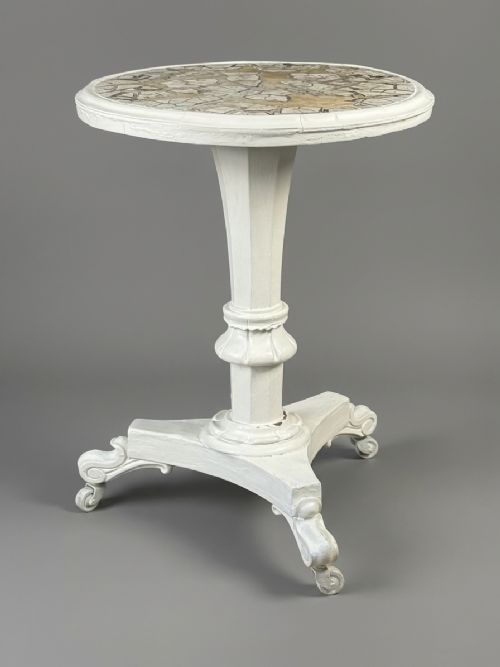
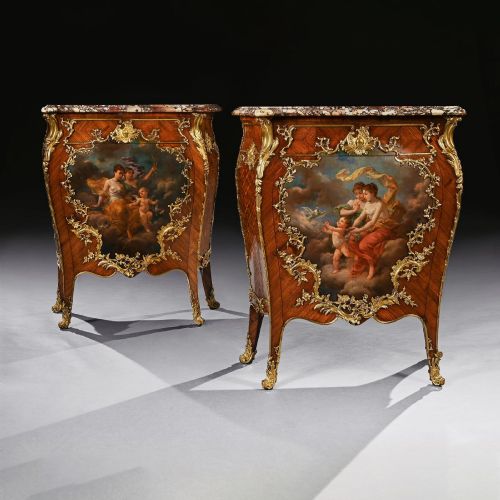
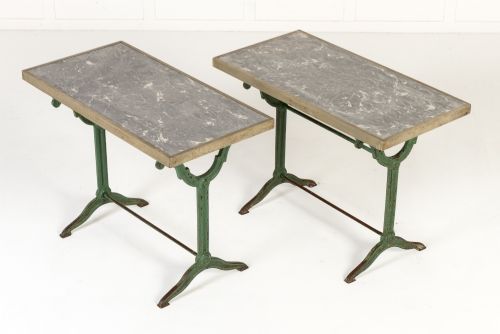
A 19th century painted table encompasses a diverse array of domestic furniture designed for dining, writing, or display, spanning simple country pine pieces to ornate urban consoles. The selections on this page draw from English, French, and Scandinavian workshops, reflecting both utilitarian farmhouse needs and refined drawing-room tastes.
Buyers frequently encounter side tables, console tables, and kitchen preparation tables, alongside smaller occasional and writing pieces. These items bridge the gap between functional household furniture and decorative art, often serving as visual anchors within a room through their distinct painted finishes.
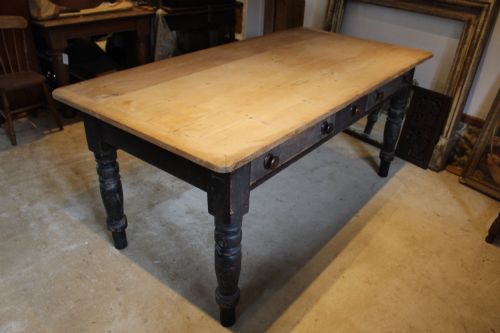
The regional origins dictate much of the character, with Swedish and English examples leaning towards utilitarian pine and dairy tables, while French iterations often incorporate marble tops and elaborate gilt detailing. Exploring these objects reveals how different cultures adapted the standard table form using local timbers and decorative palettes.
Materials and Technique
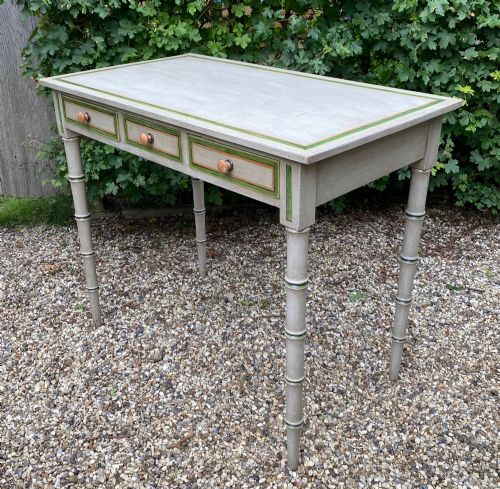
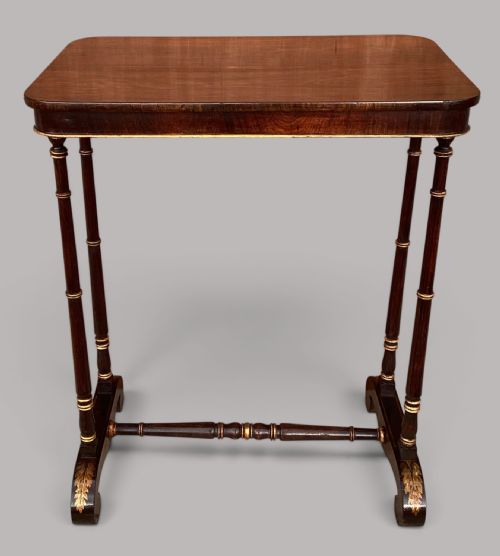
Makers predominantly constructed these tables using solid timber frames of pine, fruitwood, or mahogany, often preparing the wooden surfaces to receive layers of pigment, distemper, or oil-based paint. Artisans utilised decorative techniques such as faux bamboo turning, ebonising, and parcel gilt accents to imitate costlier materials or enhance the visual depth of the piece.
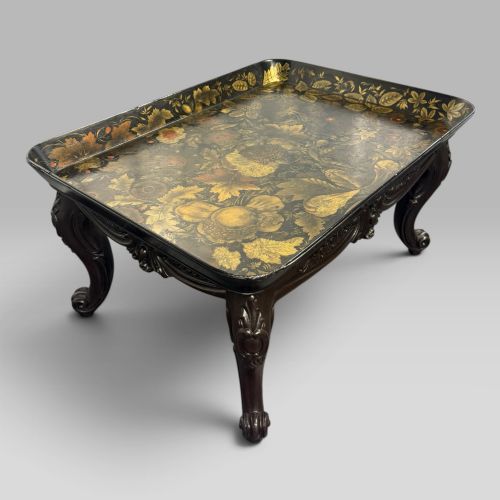
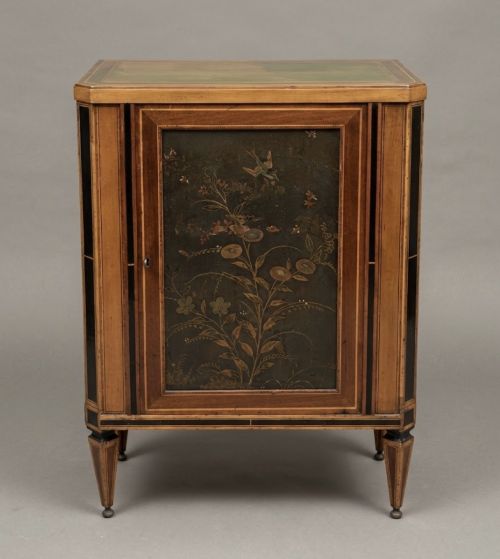
Surfaces frequently display hand-applied decorative motifs, including Chinoiserie landscapes, floral sprays, or scumble glazes designed to simulate grain patterns. Many examples preserve their original finish, while others bear traces of later decorative campaigns applied by subsequent generations of owners.
19th Century Painted Table Retail Price Guide 2026
Typical asking prices for 19th century painted table among the pieces listed under this phrase on Sellingantiques today, from the lower quarter to the upper quarter. They describe what is for sale here now, not the wider market.
Pine is the most frequently recorded wood among these listings, often paired with historic painted surfaces.
Distinctions in Quality
The standard of a painted table rests heavily on the integrity of the timber substrate and the historical authenticity of its surface decoration. Pieces retaining their original untouched pigment or early scumble paint command greater interest than those subjected to modern repainting.
Execution of decorative detail separates utilitarian work from high-style output, visible in the precision of parcel gilding, hand-painted Chinoiserie, or integrated materials like marble tops. Structural joinery and the retention of original hardware, such as drawers or stretchers, further define the calibre of the piece.
Achille Brocot·Flight Barr And Barr·Jennens And Bettridge·Kpm Berlin·Gillows
The 19th Century Painted Table Glossary
- Scumble
- A translucent layer of dark paint manipulated over a lighter base coat to create mottled or simulated wood grain effects. This technique was widely employed by nineteenth-century decorators to give inexpensive pine the appearance of exotic hardwoods.
- Chinoiserie
- European decorative style inspired by Chinese artistic traditions, featuring motifs like pagodas, figures, and landscapes. It frequently appears on lacquer and painted tables from the period.
- Parcel Gilt
- Decoration where selective parts of an object are highlighted with gold leaf or gold paint. This method accentuates carved details, mouldings, or turned bamboo-style legs.
- Demi-Lune
- Half-moon shape characteristic of console tables designed to sit flush against a wall. These tables often feature painted friezes and tapered legs.
- Cricket Table
- Small, light three-legged table of sturdy construction, typically fashioned from pine. Originating for domestic utility, nineteenth-century versions often retain original painted surfaces.
19th Century Painted Table: Frequently Asked Questions
How do I spot original paint?
Examine the surface under magnification to check for natural craquelure, wear patterns consistent with age, and the buildup of historical wax or dirt layers. Authentic early finishes show integration between the pigment and the wood pores rather than a flat, uniform modern film.
Look for signs of underlying preparation layers and consistency in the wear around handles, edges, and legs where human contact naturally occurs over decades.
Were these tables used in kitchens?
Many pine examples served as utilitarian dairy, prep, or farmhouse tables where surfaces required regular scrubbing or protective painted finishes. These working pieces prioritised robust construction and simple timber frames over delicate ornamentation.
Other forms, such as console and centre tables, belonged strictly to formal reception rooms, reflecting the stark division between domestic labour and parlour display in the nineteenth century.
Can I use a painted table daily?
Historic painted surfaces tolerate normal daily use provided you avoid harsh chemical cleaners, excessive moisture, and direct heat sources. Using coasters and protective felt pads helps preserve vulnerable pigments and delicate varnishes.
Gentle dusting with a dry microfiber cloth is generally sufficient for maintenance, as aggressive polishing can wear away thin nineteenth-century glazes and historic patination.
What defines a console table?
Console tables are designed to stand flat against a wall, frequently secured with brackets or supported by distinct front legs. Nineteenth-century versions often feature decorative painted aprons, marble tops, or gilded motifs suited for entryways and drawing rooms.
Unlike freestanding centre tables, their structural focus is front-facing, making them ideal for displaying decorative objects or supporting lamps beneath a wall mirror.