
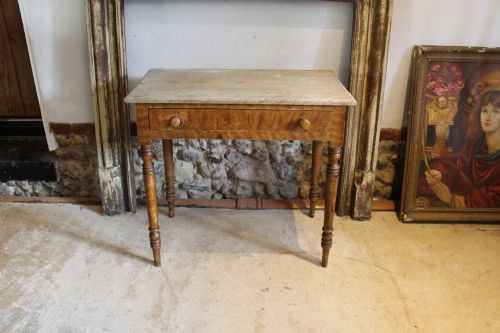

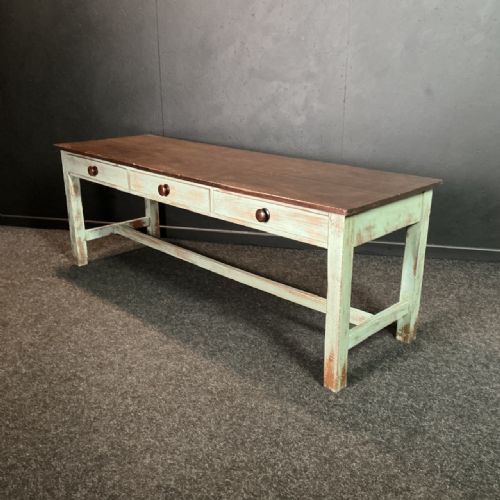
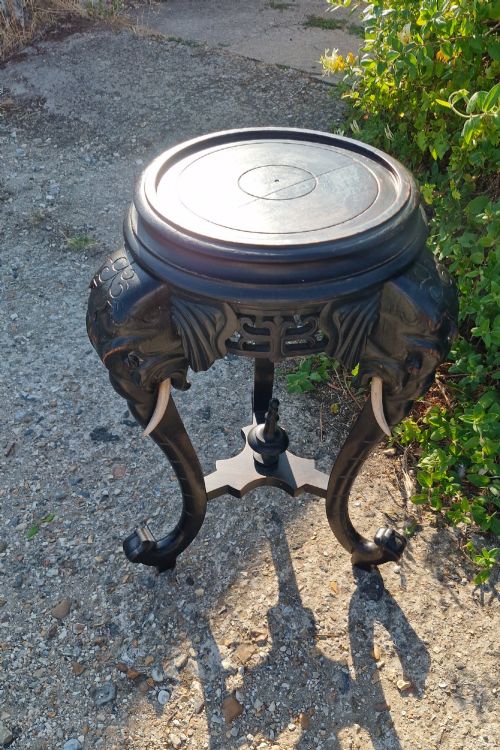
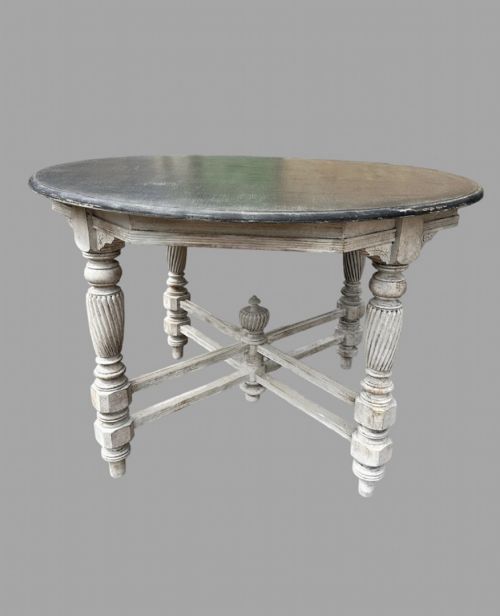
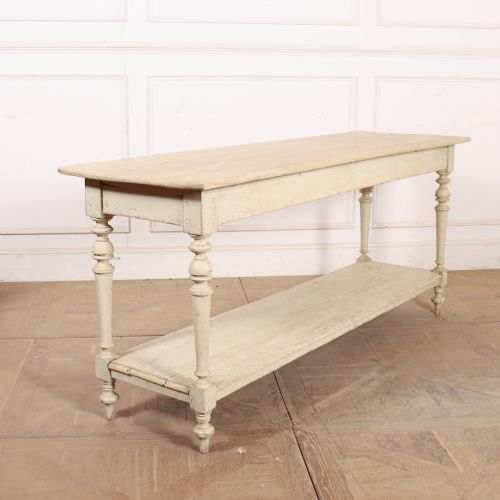
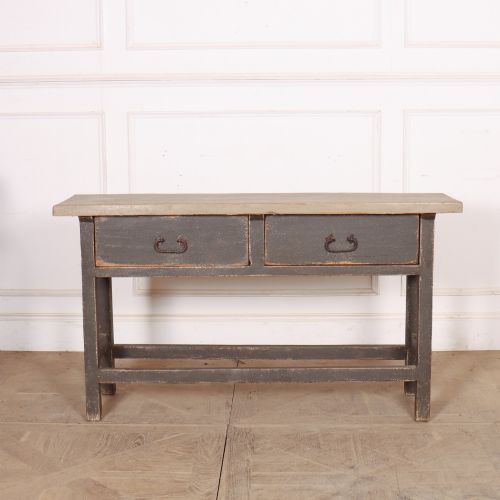
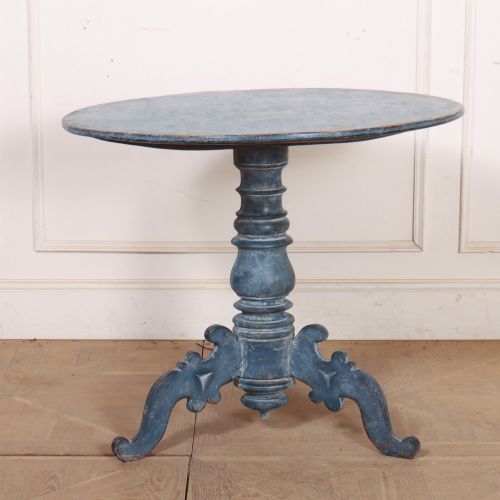
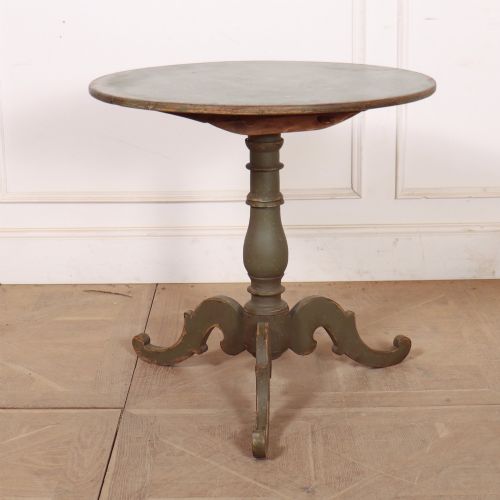
Painted Wooden Side Table
A painted wooden side table brings charm and utility to a room, offering surface space finished with character.
Identifying Your Painted Wooden Side Table
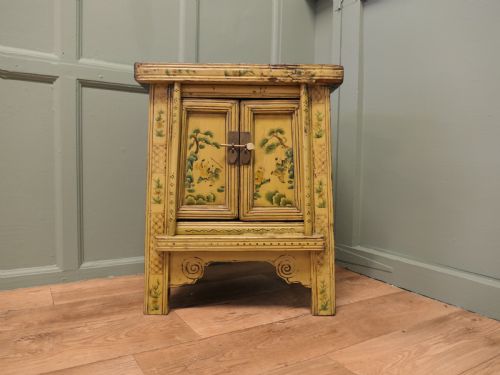
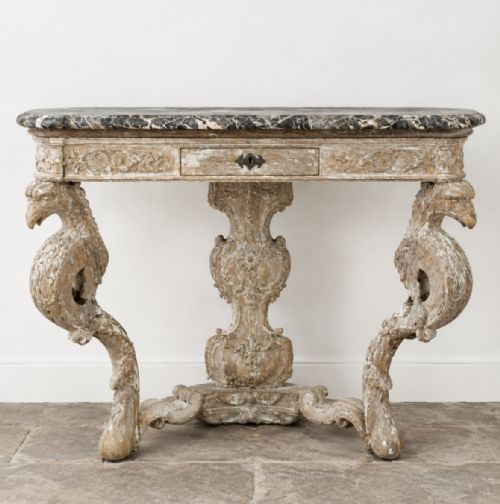
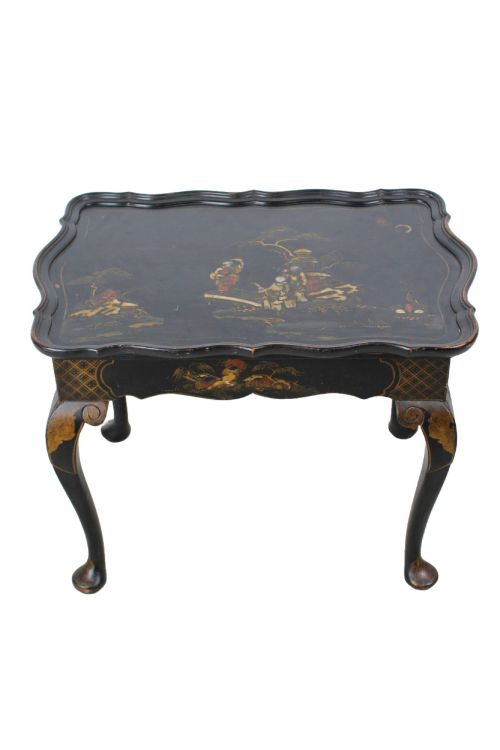
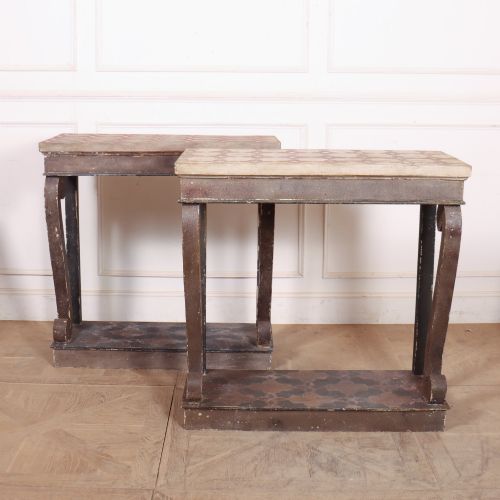
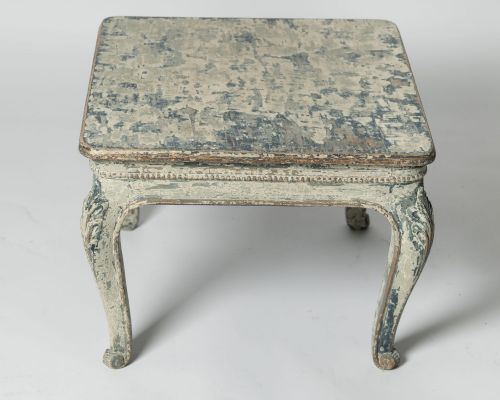
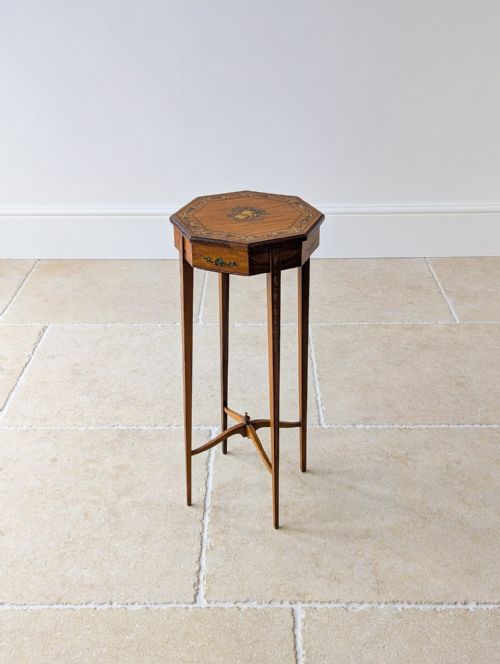
A painted wooden side table encompasses diverse forms ranging from eighteenth-century console tables to late nineteenth-century lamp tables and cricket tables. These pieces provide functional surfaces while displaying decorative painted finishes across various regional styles.
Construction and Materials
Construction relies on traditional timber framing using woods such as pine and oak for the structural elements and tabletops. Hardware components like brass occasionally feature on related server designs.
Surfaces receive layers of paint and decorative finishes, which define the visual character of the pieces. Joinery methods align with the respective periods, from eighteenth-century console builds to late nineteenth-century tables.
Retail Price Guide 2026
Typical UK retail prices for painted wooden side table, calculated from the Sellingantiques database of over a million retail prices indexed since 2003. This retail price guide relies exclusively on Sellingantiques data; no external sources or auction records are used, so the figures do not describe the wider market.
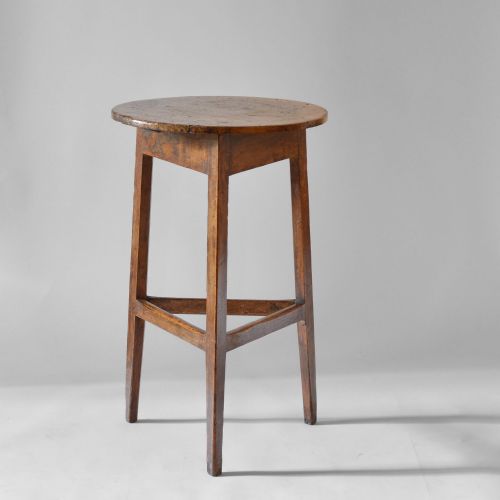
Cricket tables earned their name from three legs that resemble the wicket stumps used in the game.
Assessing Quality
Quality rests in the integrity of the timber frame and the authenticity of the painted surface. Earlier eighteenth-century examples demonstrate traditional joinery techniques distinct from late nineteenth-century production.
The sophistication of the decorative paintwork and the proportion of the console or table separate standard utility pieces from finer stylistic expressions like French Rococo or Gustavian forms.
The Painted Wooden Side Table Glossary
- Demi-lune
- A half-moon shape commonly found in console tables designed to sit flush against a wall. This format saves floor space while providing a functional surface.
- Cricket table
- A small, lightweight three-legged table traditionally used in English homes. Its design ensures stability on uneven floors.
- Console table
- A table fixed against a wall, often featuring decorative legs and front supports. These pieces function well in hallways and reception rooms.
- Potboard server
- A sideboard featuring an open lower shelf for storing kitchen pottery or serving dishes. It combines storage with a narrow footprint.
Frequently Asked Questions
Where should I place a console table?
A console table works well in hallways, entryways, or living rooms against a flat wall. Its shallow depth ensures it does not obstruct walkways while offering space for lamps or decorative objects.
Matching the period style, such as an eighteenth-century console or a Gustavian demi-lune, helps anchor the design of the room.
What is a cricket table used for?
A cricket table serves as a versatile small table suitable for lamps or drinks. Its traditional three-legged construction provides natural balance on floorboards.
These pieces fit easily beside seating areas in both traditional and rustic interiors.
How do I date these tables?
Dating relies on examining the timber, joinery methods, and overall construction characteristics. Eighteenth-century pieces exhibit different structural traits compared to items from the 1880s or 1890s.
Paint layers and decorative motifs also provide clues regarding the period and regional origin of the piece.
Are painted tables durable for daily use?
Painted wooden tables withstand regular daily use provided the surface finish is respected. Placing coasters and pads underneath hot items or liquids protects the painted wood.
Routine dusting and gentle cleaning maintain the appearance of the painted finish over time.