



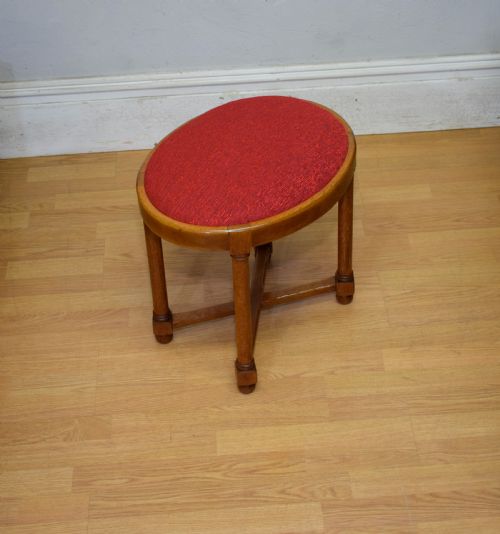

Antique Cross Stretcher Table
An antique cross stretcher table brings exceptional architectural form to a room, offering sturdy bracing and refined timber work that collectors prize.
Antique Cross Stretcher Table
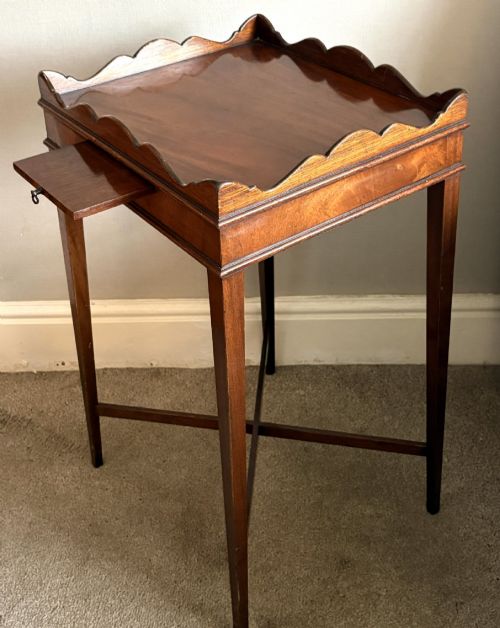
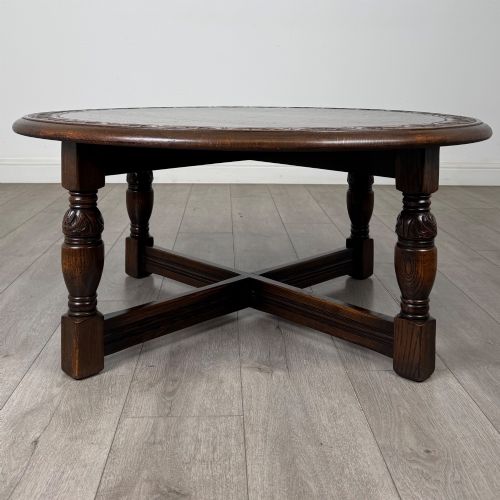
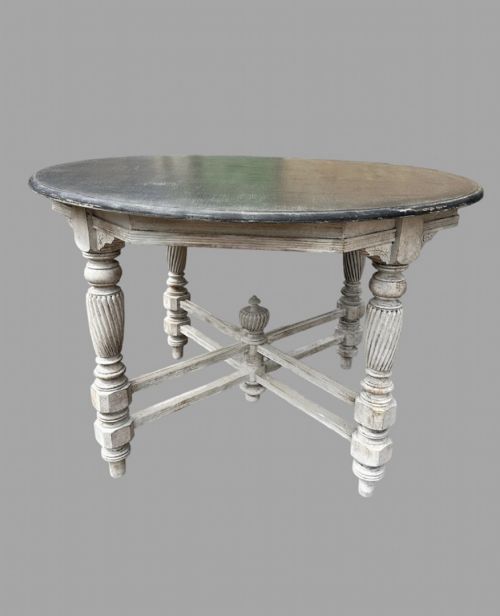
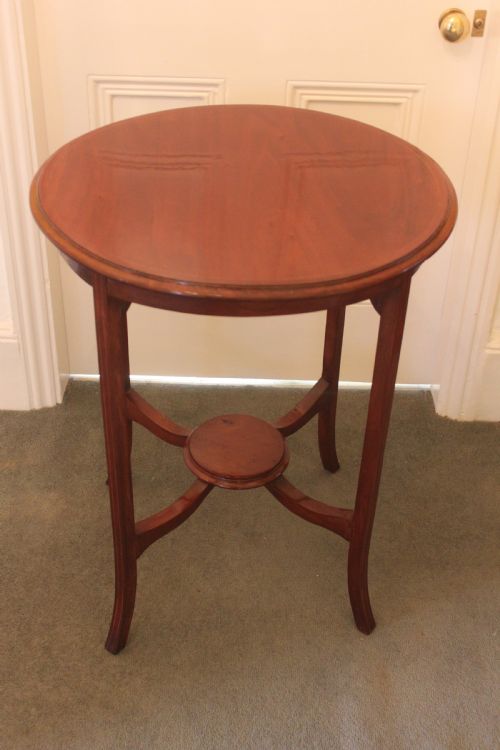
When you search for an antique cross stretcher table, you encounter diverse forms ranging from centre tables and lamp tables to occasional tables, work tables, and dressing table stools. The selection spans centuries from the 18th century through the Regency, Victorian, Edwardian, and Arts and Crafts periods, reflecting shifting domestic fashions.
The most frequent examples on this page are side and lamp tables alongside centre tables, often rendered in mahogany or oak. These pieces combine practical surfaces with the distinctive X-shaped bracing beneath.
Origins and styles vary widely, encompassing Georgian refinement, Victorian Gothic weight, Edwardian inlay, and Aesthetic Movement ebonising. Each piece demonstrates how makers adapted the structural stretcher to different domestic uses over time.
How they were made
Makers utilised solid timbers including mahogany, oak, and rio rosewood, frequently enhancing surfaces with delicate inlay, paint, or ebonisation. Structural integrity relied on precise joinery within the cross stretcher base, which tied the legs together firmly.
Additional materials such as brass fittings, bone details, and fabric or tapestry upholstery appear on specific functional variants like work tables and stools. Surface finishes range from natural polished grain to painted decoration.
Antique Cross Stretcher Table Retail Price Guide 2026
Typical asking prices for cross stretcher table among the pieces listed under this phrase on Sellingantiques today, from the lower quarter to the upper quarter. They describe what is for sale here now, not the wider market.
The documented periods span the 18th century, Georgian, Regency, 19th century, Victorian, Victorian Gothic, Arts and Crafts, Aesthetic Movement, and Edwardian eras.
What varies in quality
Superior examples distinguish themselves through the crispness of their inlay, the selection of figured timber grain, and the harmony of their proportions. The stability and joint execution of the cross stretcher itself reveal the maker's underlying skill.
Finishes also determine the tier of a piece, separating straightforward utilitarian items from finely polished rosewood or elaborately painted surfaces designed for principal reception rooms.
The Antique Cross Stretcher Table Glossary
- Cross stretcher
- A structural X-bracing system connecting the legs of a table or stool to provide rigidity and decorative balance. This architectural feature underpins the entire form.
- Centre table
- A freestanding table designed to be viewed from all sides and placed in the middle of a room rather than against a wall. These pieces often feature elaborate top surfaces and robust stretcher bases.
- Work table
- A specialised small table fitted with compartments or storage for sewing and needlework materials. They frequently incorporate delicate legs and stretcher supports.
- Ebonised
- Timber treated with a finish to simulate ebony, popular in Aesthetic Movement design. This dark surface creates a striking contrast with inlaid details.
- Gallery stand
- A small elevated table or stand featuring a raised border around the top edge to prevent items from sliding off. These refined pieces often date from the Edwardian era.
Antique Cross Stretcher Table: Frequently Asked Questions
Where should I place a cross stretcher table?
Centre tables suit the middle of a room where their X-bracing can be appreciated from all angles. Smaller lamp and occasional tables sit comfortably beside seating or against walls.
Ensure the room has sufficient space for freestanding pieces so the stretcher base remains visible and unobstructed.
How do I identify a Regency table?
Regency pieces often display classical proportions, dark mahogany timbers, and precise contrasting inlay. They reflect the early nineteenth-century fascination with ancient Roman and Greek forms.
Look for restrained elegance and structural symmetry characteristic of the period.
What is an occasional table used for?
Occasional tables provide flexible surface space for lamps, books, or decorative objects in sitting rooms and hallways. Their compact size allows them to be moved easily as domestic needs change.
They combine practical utility with the decorative character of their specific period style.
How do Arts and Crafts tables differ?
Arts and Crafts examples emphasise honest construction, solid oak materials, and visible joinery over surface ornamentation. They celebrate the handcrafted tradition rather than factory polish.
The design prioritises sturdy utility and straightforward geometric lines.