


Rustic Oak Accent Table
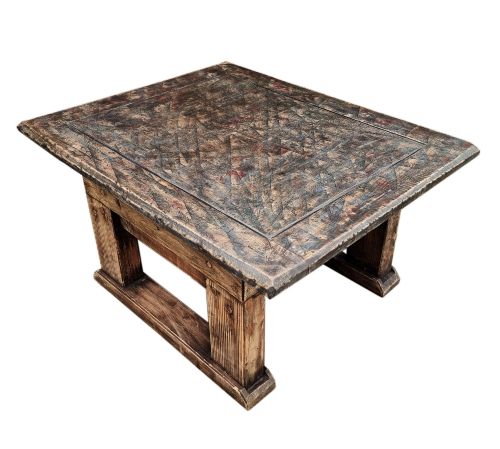
A rustic oak accent table brings heavy grain and simple lines to a corner, functioning as a sturdy spot for a lamp or a cup.
Rustic Oak Accent Table
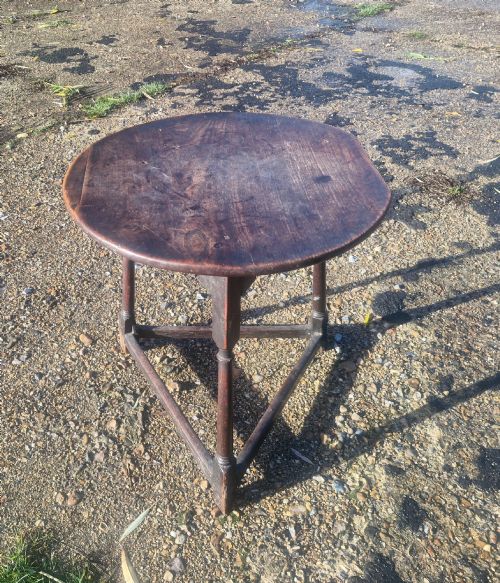
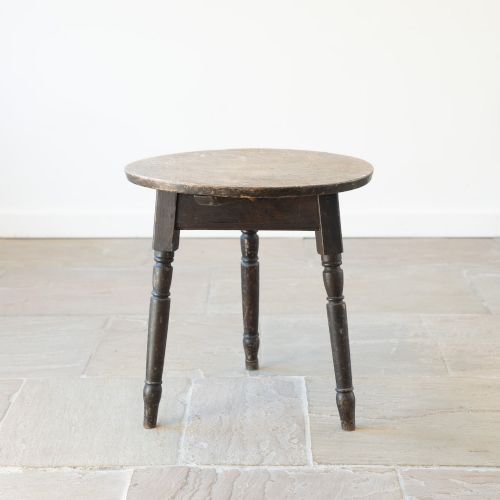
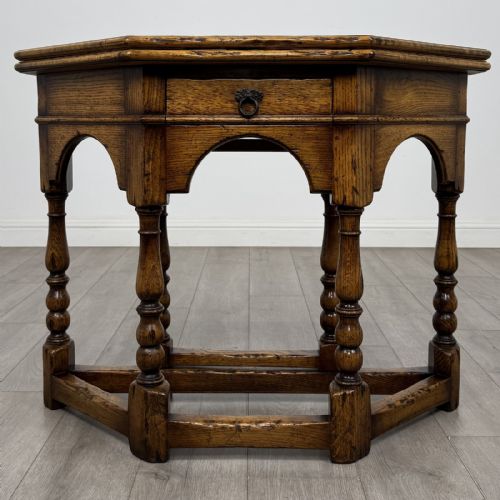
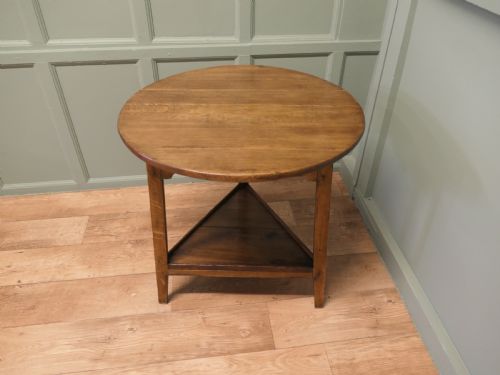
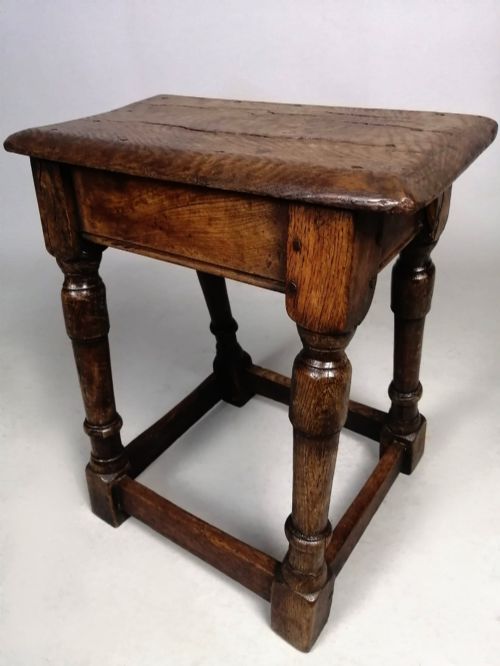
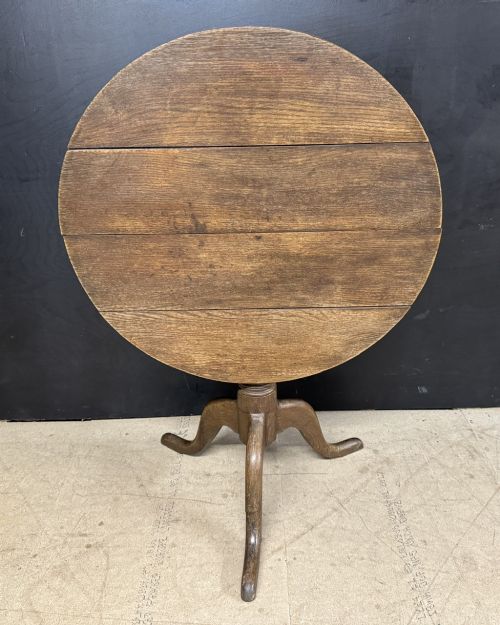
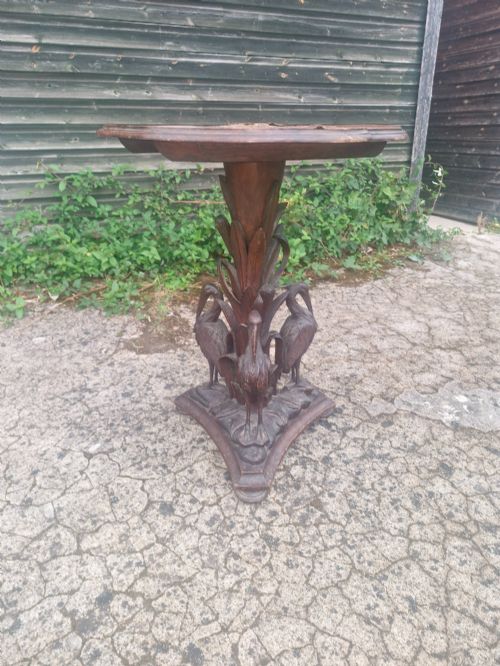
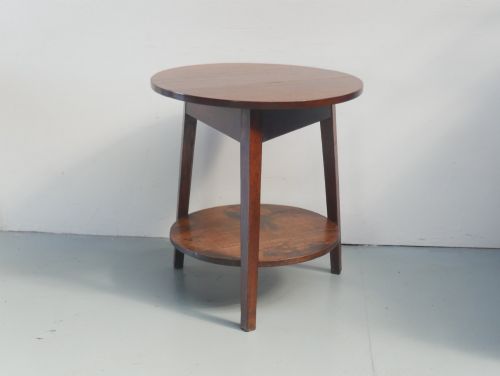
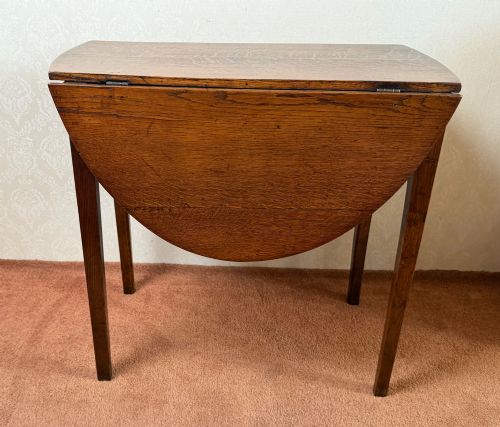
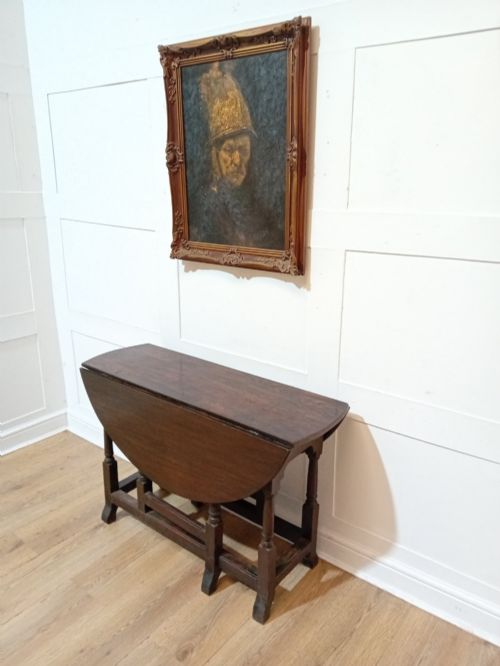
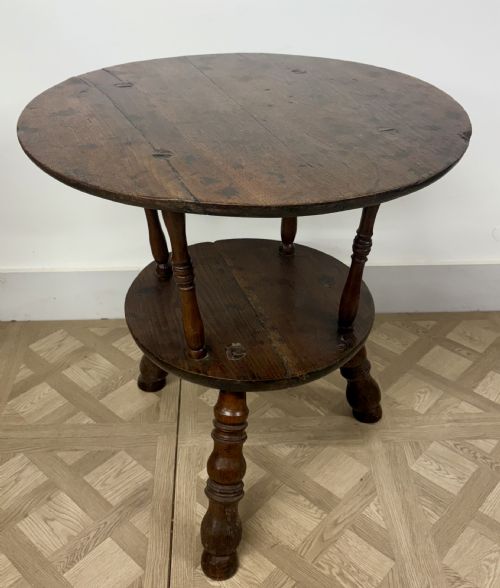
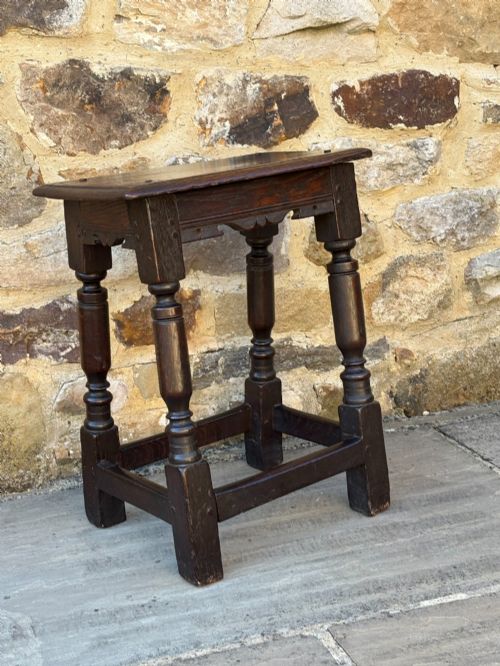
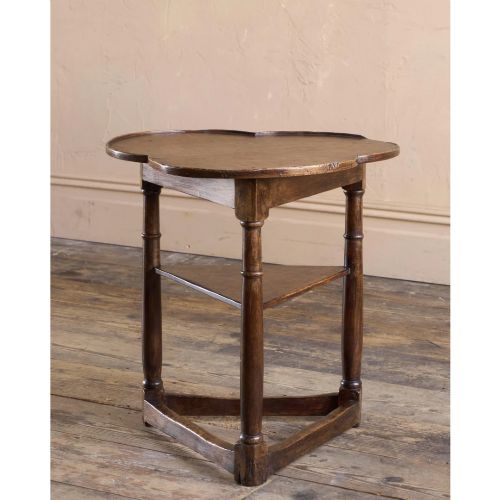
A rustic oak accent table encompasses practical household surfaces built from solid timber across several centuries. Buyers searching for a rustic oak accent table typically encounter compact side tables, tripod cricket tables, and low occasional stands.
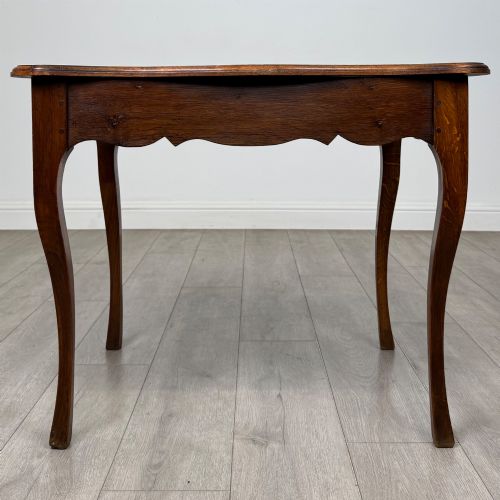
The selection ranges from seventeenth-century joint stools and eighteenth-century cricket tables to later nineteenth-century adaptations and twentieth-century interpretations. English, French, Spanish, and Dutch regional examples appear frequently in the listings.
Forms remain straightforward and domestic, prioritizing utility over ornament. Small square tables, circular tripod bases, and two-tier designs dominate the available pieces.
How they were made
Cabinet makers relied primarily on solid oak, frequently supplemented with elm for secondary timbers or brass for simple fittings and hinges. Construction methods emphasise pegged joints and sturdy framing rather than delicate veneers.
Surfaces often show the marks of hand tools, adzed tops, or early paint layers that have weathered over decades of domestic use. Turned legs, bobbin details, and simple tripod supports provide structural integrity without excessive carving.
Rustic Oak Accent Table Retail Price Guide 2026
Typical asking prices for rustic oak accent table among the pieces listed under this phrase on Sellingantiques today, from the lower quarter to the upper quarter. They describe what is for sale here now, not the wider market.
Some tripod tables feature clever tilt-top mechanisms, designed to lean flat against the parlour wall when the room needed to dance.
What varies in quality
Quality rests upon the integrity of the timber, the honesty of the construction, and the preservation of original surfaces. Pieces retain higher standing when structural elements remain uncompromised by heavy modern restorations or inappropriate replacement parts.
The weight of the wood and the crispness of early joint work distinguish superior examples from standard utility pieces. Patina accumulated through age dictates the visual depth of the oak.
The Rustic Oak Accent Table Glossary
- Cricket table
- A small three-legged occasional table, typically with a round wooden top, originating from eighteenth-century vernacular English homes.
- Joint stool
- A sturdy wooden stool built with pegged mortise and tenon joints, often used as a small side table or stand.
- Tripod table
- A freestanding table supported by three legs radiating from a central pillar, common in various eighteenth and nineteenth-century forms.
- Pollard oak
- Timber taken from trees that were pollarded, resulting in highly figured wood with dense clusters of knots.
- Vernacular
- Everyday furniture made by regional carpenters for local domestic use rather than following strict high-style London fashions.
Rustic Oak Accent Table: Frequently Asked Questions
Where should I put a rustic oak accent table?
These compact tables fit easily beside a reading chair, in a narrow hallway, or tucked into an empty corner as a lamp stand.
Their restrained proportions mean they do not crowd smaller rooms while providing a durable surface for daily items.
How do I clean an antique oak table?
Dust the surface regularly with a dry cloth and apply occasional high-quality beeswax to nourish the dry timber.
Avoid modern liquid polishes containing silicones, which can damage the aged patina over time.
Are these tables strong enough for daily use?
Most pieces were originally built for heavy domestic tasks, utilising solid oak and pegged joints designed to endure.
While antique surfaces require sensible protection from moisture and heat, their structural framework remains remarkably robust.
What is the difference between a cricket table and a side table?
Cricket tables specifically feature three splayed legs and a circular top, designed to stand firm on uneven floors.
Standard side tables generally use four legs, square or rectangular tops, and often include lower shelves or drawers.