

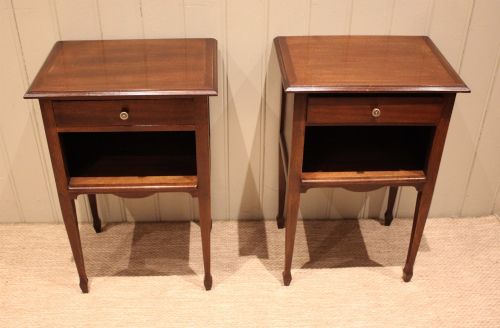
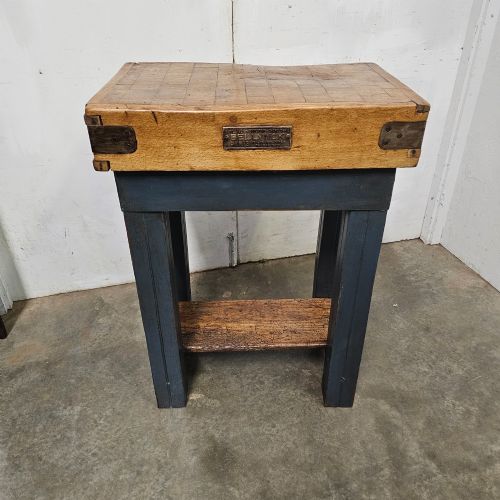
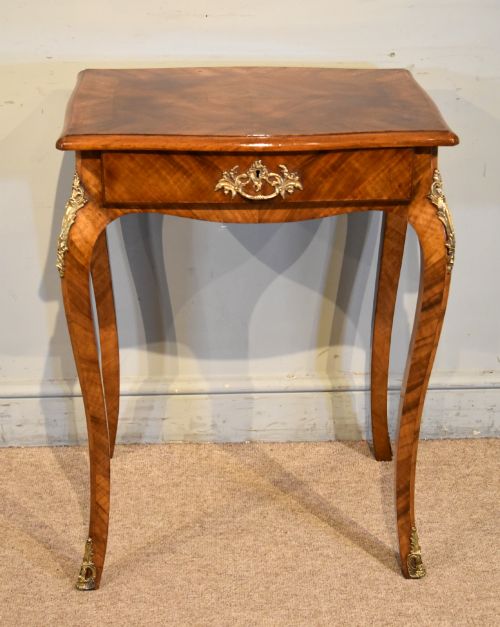
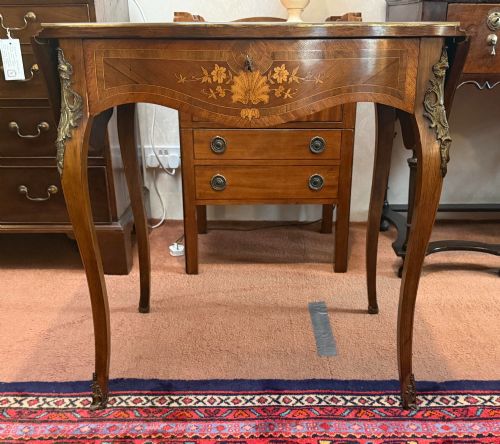

Antique French End Table
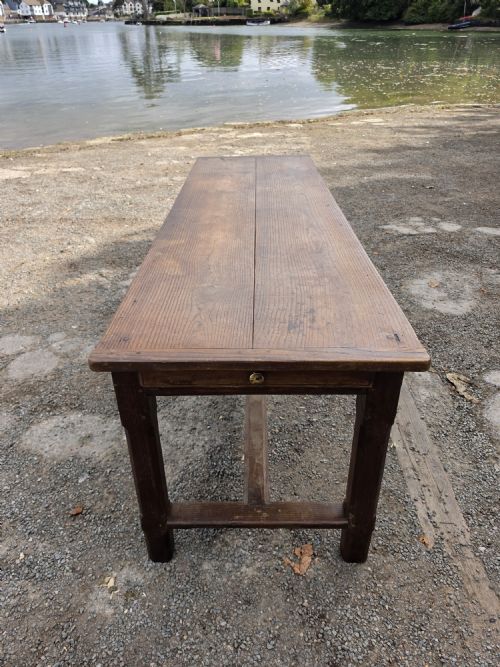
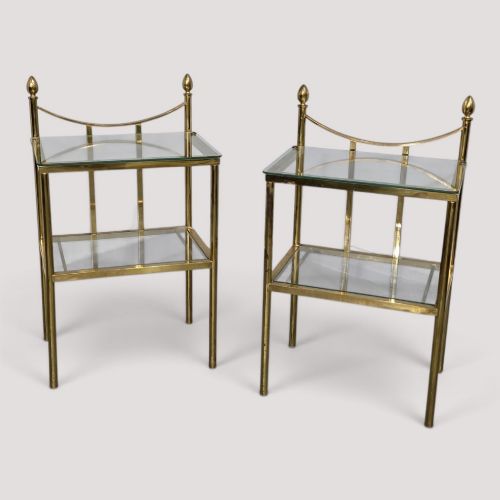
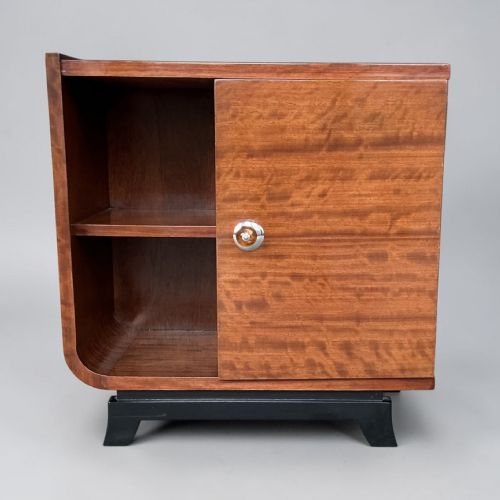
An antique french end table brings continental poise to a room, offering a sturdy surface fashioned in timber, marble, or paint.
Antique French End Table
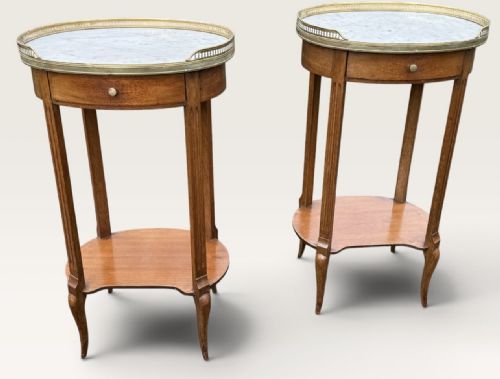
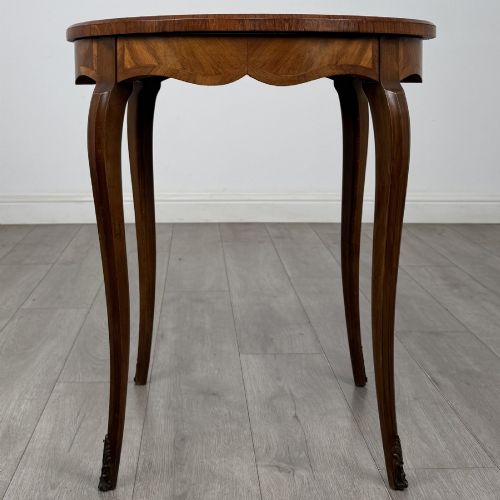
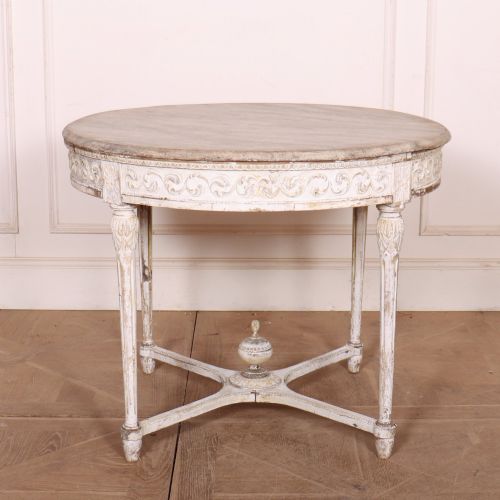
An antique french end table encompasses side tables, occasional tables, lamp tables, and gueridons designed for domestic utility and display. Buyers seeking this phrase encounter versatile small tables originating from the eighteenth, nineteenth, and early twentieth centuries.
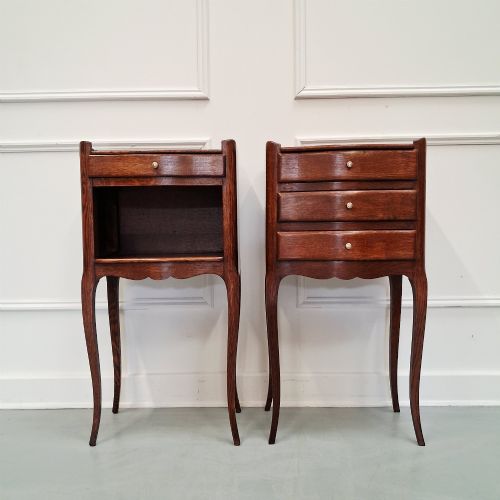
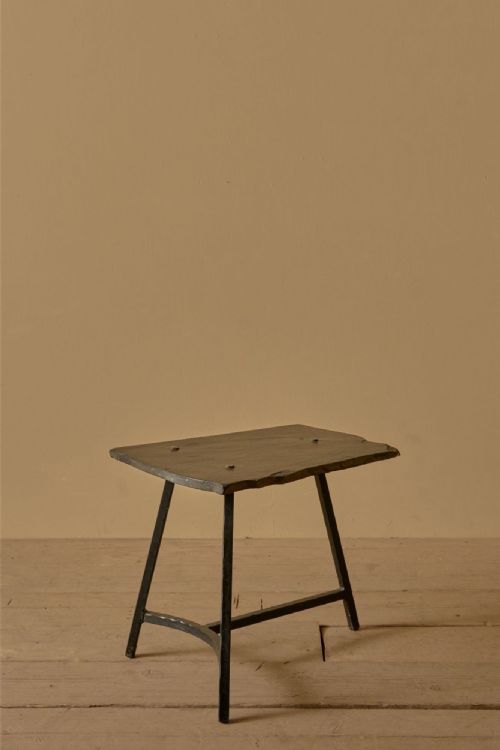
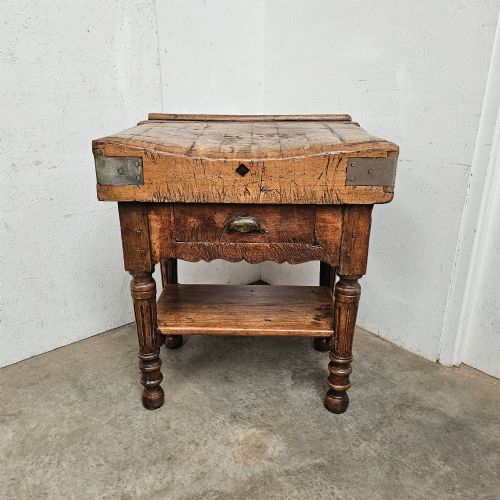
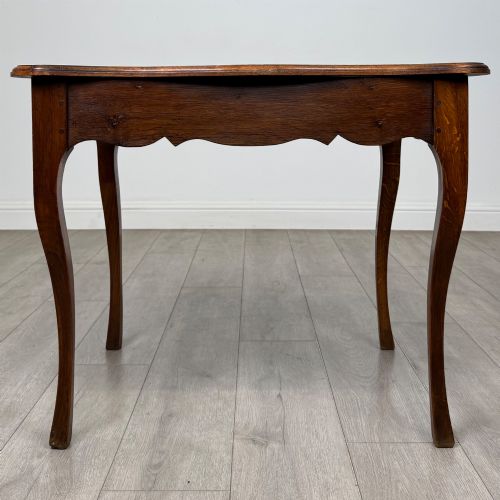
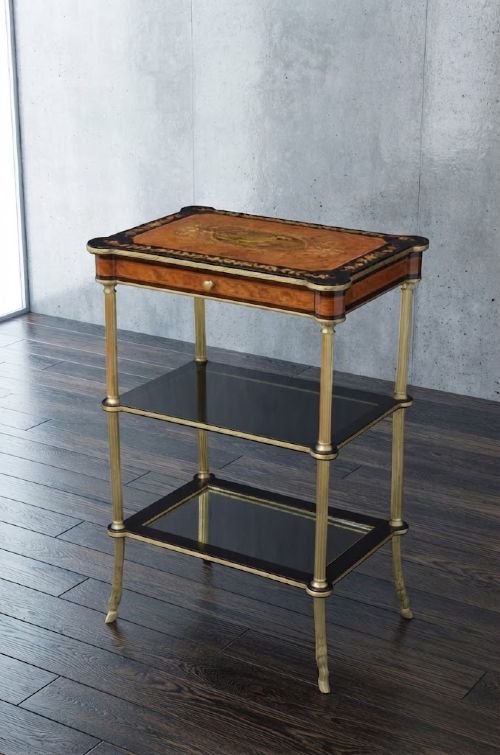
The selection ranges from rustic provincial pieces in fruitwood, oak, pine, and chestnut to refined Louis XVI revival models featuring carved wood, walnut, and marble. Regional variations span vernacular country forms and sophisticated urban creations attributed to makers such as Henry Dasson.
These tables serve beside seating or in hallways, functioning historically as supports for lighting, wine tasting equipment, or decorative objects. Surviving examples demonstrate the enduring appeal of French design across diverse periods including the 1850s, 1860s, 1890s, and 1900.
How they were made
Construction relies on traditional timber framing utilising walnut, oak, fruitwood, pine, and chestnut, sometimes enhanced by painted finishes or metal elements. Joinery techniques reflect the period of origin, from eighteenth-century provincial framing to nineteenth-century cabinetmaking standards.
Surface treatments vary from polished wood to original paint and inset marble tops, showcasing the material preferences of French workshops. Carved wood details appear on revival styles, providing decorative articulation alongside structural integrity.
Antique French End Table Retail Price Guide 2026
Typical asking prices for french end table among the pieces listed under this phrase on Sellingantiques today, from the lower quarter to the upper quarter. They describe what is for sale here now, not the wider market.
Some nineteenth-century tables clearly remember when their primary duty was holding the evening wine vintage rather than a modern reading lamp.
What varies in quality
Quality rests upon the selection of materials, such as figured walnut or dense fruitwood, and the execution of carved or painted details. Finer pieces demonstrate superior cabinetmaking skill, particularly in transitional and revival pieces reflecting Louis XVI idioms.
Condition and originality dictate standing, with surviving provenance, untouched painted surfaces, and intact marble tops elevating a piece. Lesser examples show extensive replacement or utilitarian construction typical of provincial vernacular furniture.
Henry Dasson
The Antique French End Table Glossary
- Gueridon
- A small French table, often circular, supported by a central column or pillar. These tables were popular for serving coffee or displaying ornaments.
- Fruitwood
- Timber derived from fruit-bearing trees such as cherry, pear, or apple, frequently utilised in French provincial cabinetmaking. It yields a warm tone and fine grain.
- French Provincial
- Furniture produced in the regions outside Paris, prioritising domestic utility and sturdy timber construction over courtly elaboration. Oak, chestnut, and fruitwood are typical materials.
- Occasional Table
- A small, moveable table designed for specific, intermittent uses within a room. They appear in various forms across the nineteenth and twentieth centuries.
Antique French End Table: Frequently Asked Questions
What is an antique french end table used for?
These tables function as convenient surfaces for lamps, drinks, or decorative items beside seating arrangements in sitting rooms and studies.
Historically, similar small tables served specialised domestic roles, including wine tasting or holding lighting devices in French interiors.
What materials are common in these tables?
Construction materials include traditional timbers such as walnut, oak, fruitwood, pine, and chestnut, alongside painted finishes.
Some refined examples incorporate marble tops and metal mounts, reflecting urban French workshop practices.
How do I style an antique french end table at home?
Place the table beside an armchair or sofa to provide a functional surface that introduces continental character and tactile timber textures to the interior.
Pair provincial pieces with rustic settings or use refined gueridons to add a formal nineteenth-century accent to modern rooms.