

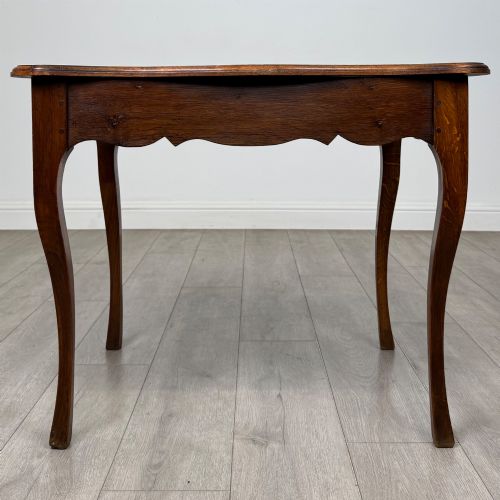
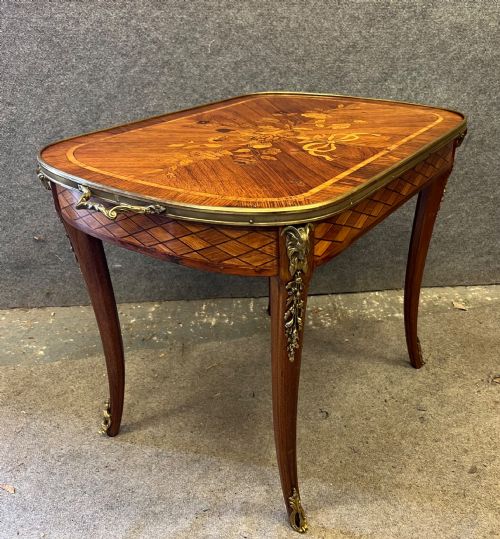
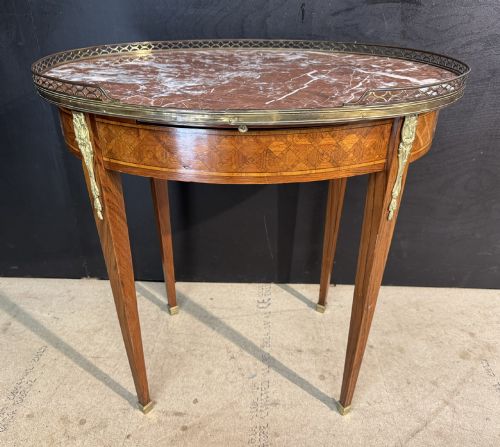
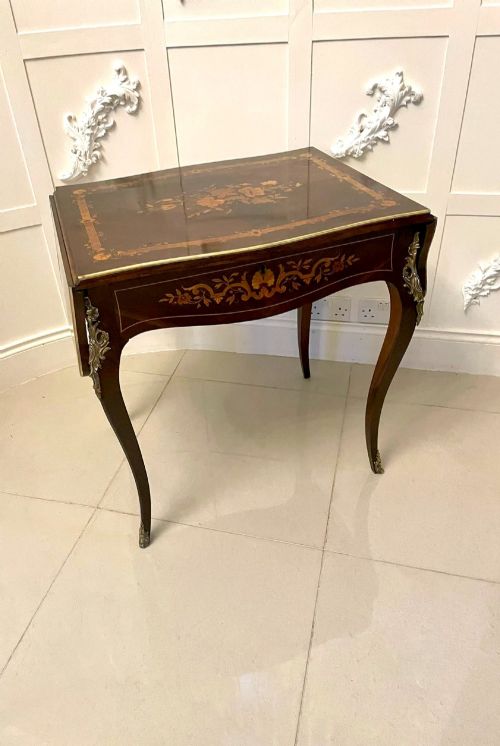
Vintage French Occasional Table
A vintage french occasional table brings continental polish to a room, offering a neat surface for a lamp or books.
Vintage French Occasional Table
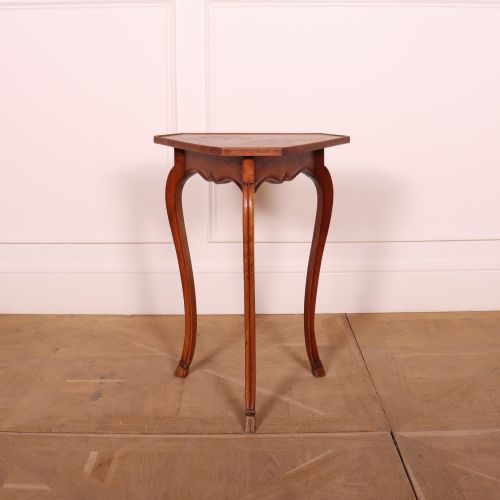
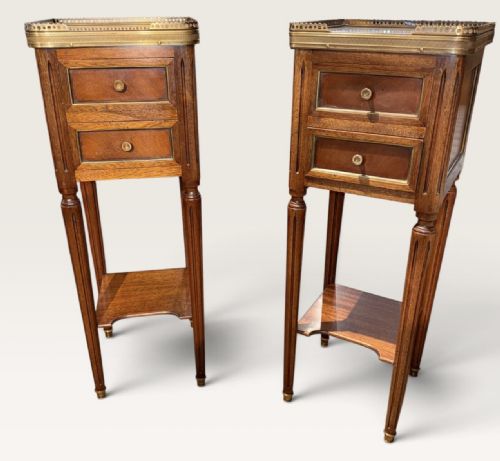
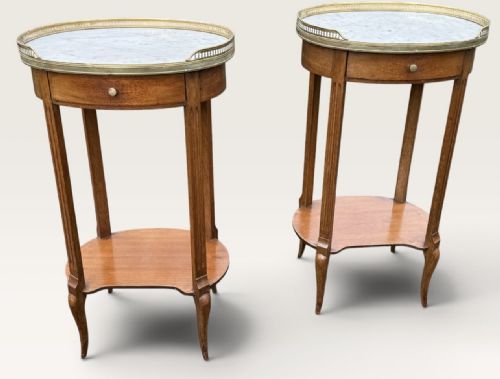
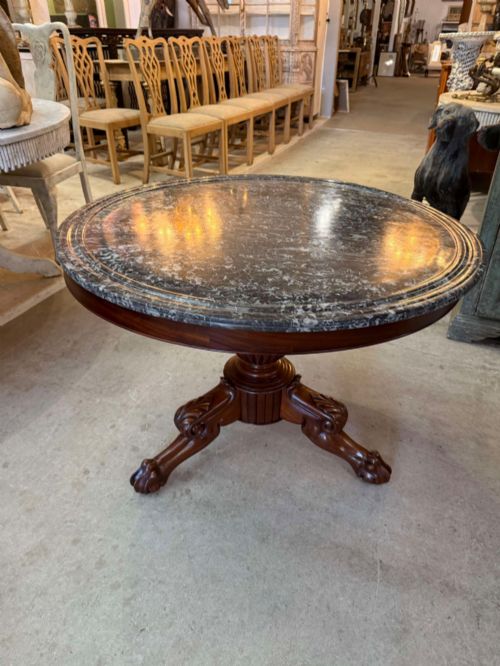
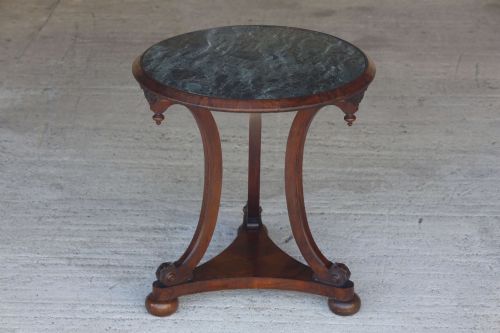
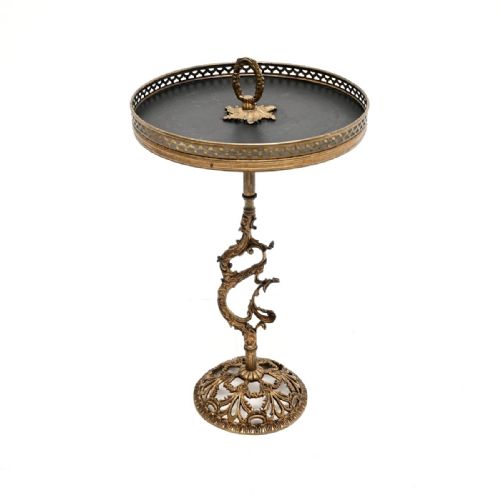
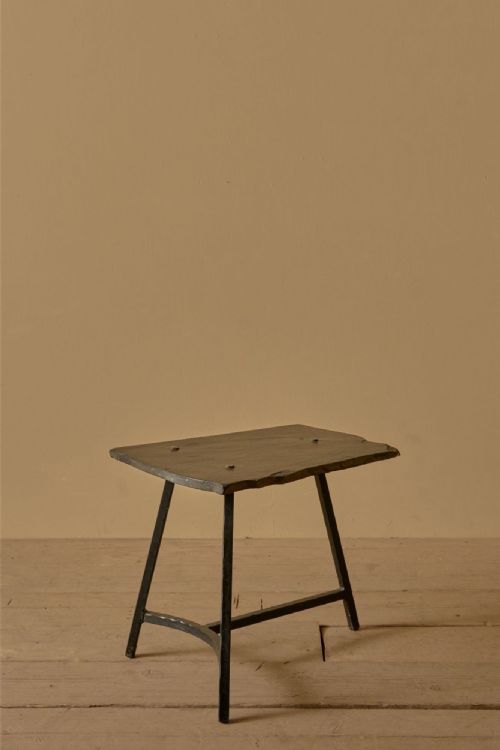
A vintage french occasional table encompasses a wide selection of small freestanding surfaces designed for domestic use, ranging from gueridons and two-tier etageres to low coffee tables and lamp tables. The pieces span the nineteenth century through the early twentieth century, incorporating periods like the Edwardian era alongside 1900, 1920, and 1930 designs.
Buyers meeting this phrase on the page will encounter diverse forms such as nests of tables, bedside chests, and side tables. Styles lean heavily towards Louis XV and Louis XVI revivals, alongside French provincial and Art Deco expressions.
Origins are rooted in continental workshops, utilising timber frameworks and decorative veneers. The forms function flexibly as side tables, centrepieces, or display surfaces in sitting rooms and bedrooms.
Materials and Technique
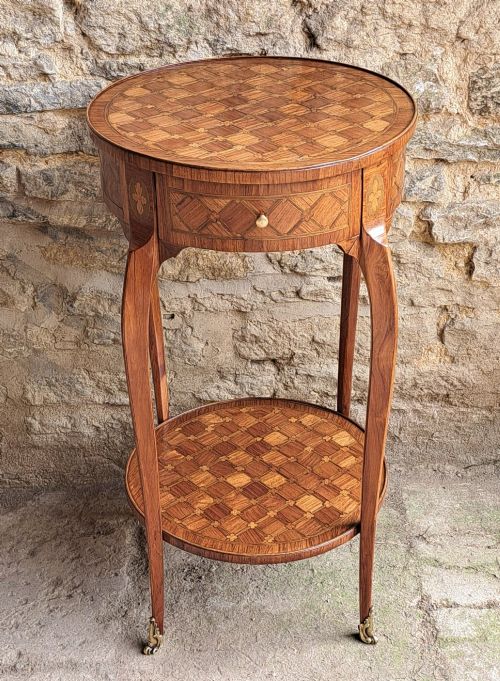
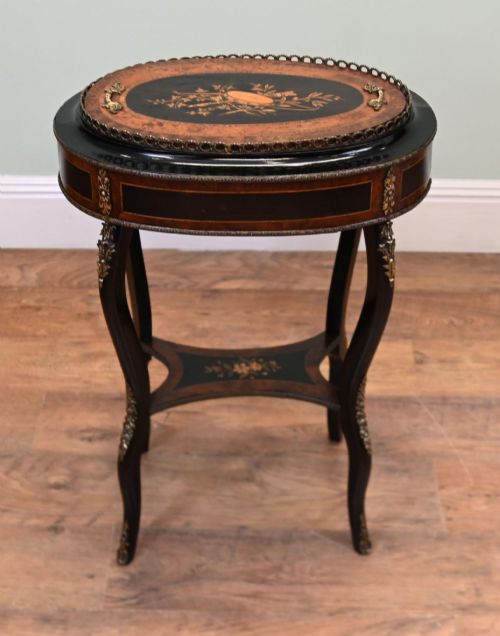
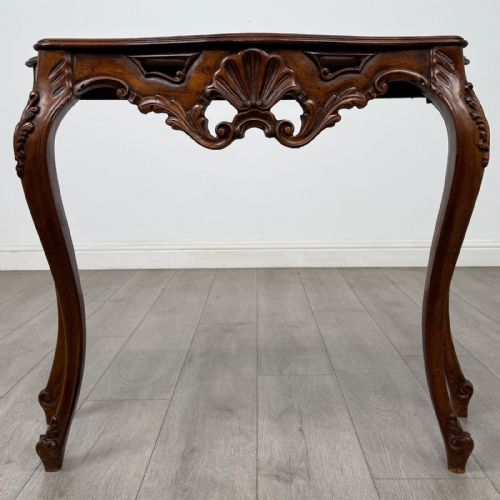
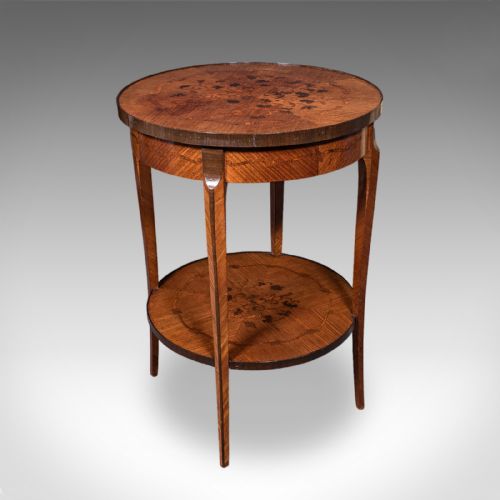
Cabinetmakers utilised hardwoods such as mahogany, walnut, oak, kingwood, and rosewood, frequently applying elaborate marquetry and parquetry veneers across the tops and shelves. Ormolu mounts, cast in bronze and gilded, embellish the corners, legs, and aprons of revival pieces.
Marble tops, appearing in green, white, and onyx varieties, provide durable, polished surfaces inset into wooden frames. Turned legs, cabriole supports, and tier structures are joined using traditional carpentry methods appropriate to each period.
Vintage French Occasional Table Retail Price Guide 2026
Typical asking prices for vintage french occasional table among the pieces listed under this phrase on Sellingantiques today, from the lower quarter to the upper quarter. They describe what is for sale here now, not the wider market.
Listings feature nineteen-century pieces alongside 1930 Art Deco examples, using walnut, mahogany, and marble.
Craftsmanship and Proportion
The division between standard items and superior examples lies in the crispness of the bronze or ormolu mounts and the intricacy of the timber inlay. Fine execution shows precision in the parquetry and marquetry patterns, whereas simpler pieces rely on plain wood grains.
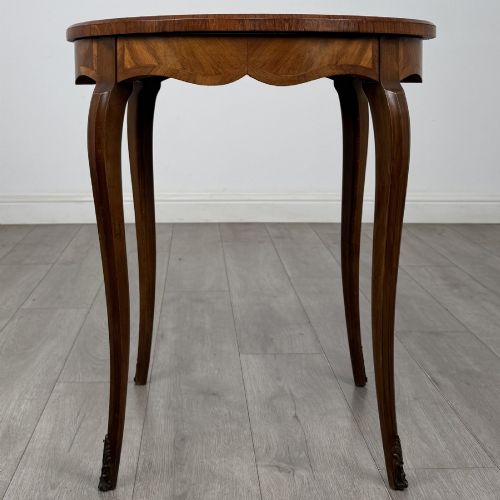
Structural refinement also separates the range, visible in the fluid carving of cabriole legs and the weight of inset marble slabs. Superior tables demonstrate balanced proportions and deliberate selection of figured veneers like burr elm or kingwood.
François Linke
The Vintage French Occasional Table Glossary
- Etagere
- A set of open shelves or a tiered side table used for display and storage. These pieces often feature two or three levels connected by slender supports.
- Ormolu
- Gilded bronze applied as decorative mounts on furniture. The technique involves treating brass or bronze with an amalgam of gold.
- Marquetry
- Decorative patterns formed by the insertion of pieces of veneer into a wood foundation. Craftsmen utilise various coloured woods to create pictorial designs.
- Cabriole leg
- A furniture leg that curves outward and then tapers downward, mimicking animal limbs. It is characteristic of Louis XV style pieces.
Vintage French Occasional Table: Frequently Asked Questions
What is a gueridon table?
A gueridon is a small circular French table originally designed for holding candlesticks or decorative objects. They typically feature a slender silhouette with a marble or wood top.
These pieces function well as standalone lamp tables or beside seating areas where floor space is limited.
How do I use an etagere?
An etagere provides multiple open tiers for displaying books, small sculptures, or plants. The tiered structure creates vertical interest in a room.
They fit easily into corners or beside armchairs as accessible surfaces for daily use.
What woods are common?
French tables frequently employ exotic and domestic timbers such as kingwood, walnut, mahogany, and oak. Veneers are often arranged in geometric parquetry patterns.
Solid fruitwood and oak appear more frequently in provincial pieces, offering a rustic texture.
How do I date these tables?
Dating relies on stylistic markers, construction methods, and materials associated with specific periods like the nineteenth century or the Art Deco nineteen-thirties. Revival styles often borrow eighteenth-century motifs.
Ormolu mounts and inlay techniques also provide clear indicators of manufacturing eras.