



French Provincial End Table
A French provincial end table brings rustic elegance and practical utility to a room, drawing on centuries of European cabinet-making traditions.
French Provincial End Table
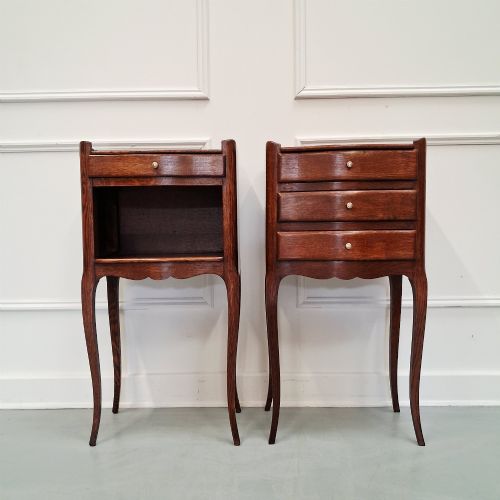
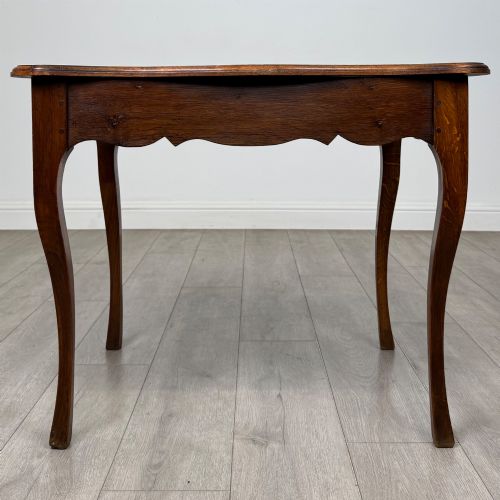
When searching for a french provincial end table, you are looking at smaller occasional surfaces, side tables, and bedside cabinets that reflect regional French domestic styles. These pieces range from robust eighteenth-century walnut examples to lighter twentieth-century fruitwood and oak designs.
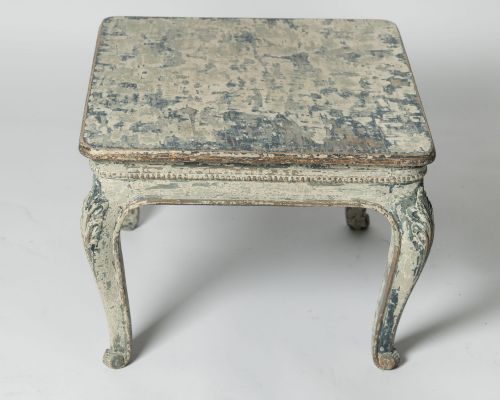
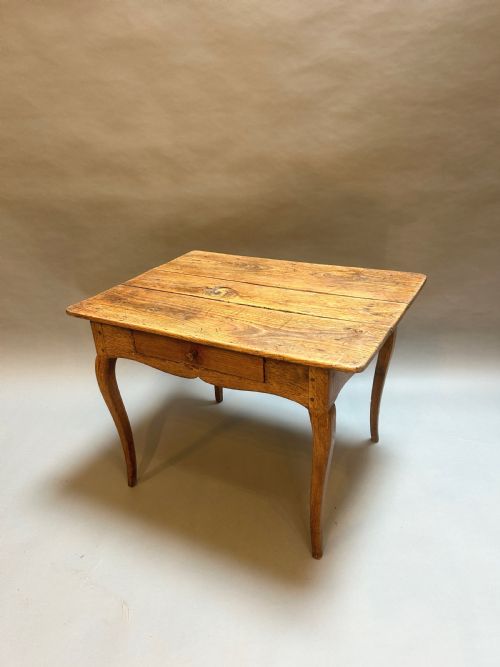
The selections on this page lean heavily towards side tables, bedside cabinets, and lamp tables created in oak, walnut, and fruitwood. You will encounter forms influenced by Louis XV styles alongside simpler rustic farmhouse interpretations.
The origins span multiple centuries, capturing both provincial craftsmanship and later revival periods. Most pieces offer compact proportions suited for modern living while retaining their traditional character.
How They Were Made
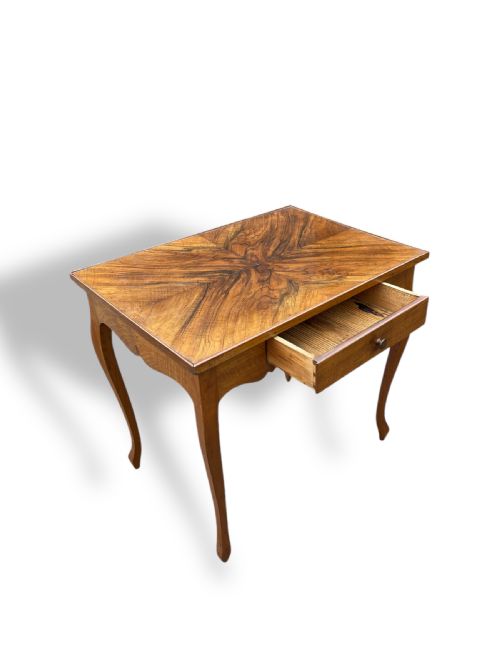
Traditional makers utilised solid timbers such as oak, walnut, fruitwood, and elm, often selecting woods native to their region for structural integrity. Surfaces frequently display natural grain patterns or decorative parquetry and floral marquetry.
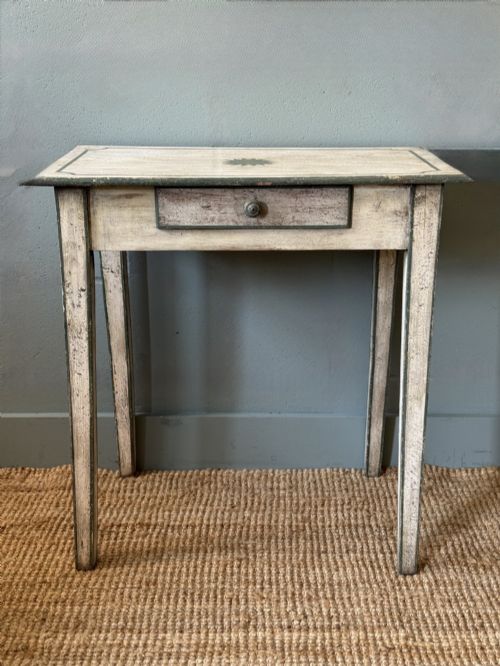
Construction methods relied on traditional joinery, sometimes complemented by carved decoration, brass fittings, or inset marble tops. Painted finishes and bleached oak treatments also appear across various periods.
French Provincial End Table Retail Price Guide 2026
Typical asking prices for french provincial end table among the pieces listed under this phrase on Sellingantiques today, from the lower quarter to the upper quarter. They describe what is for sale here now, not the wider market.
One eighteenth-century side table carries direct provenance from the estate of a former professor of moral philosophy.
What Varies in Quality
The distinction between standard provincial utility pieces and finer examples rests upon the selection of timber and the sophistication of the joinery. Walnut and fruitwood tables with detailed carving or quartered veneers occupy the upper tier of craftsmanship.
Proportion and surface preservation heavily influence the standing of an individual piece. Retaining original painted finishes, undisturbed patination, and integrated drawers elevates the character of the furniture.
The French Provincial End Table Glossary
- Fruitwood
- Timber sourced from fruit-bearing trees such as cherry or pear, prized by provincial makers for its smooth grain and warm tone. It was commonly used in regional French furniture.
- Marquetry
- The art of applying pieces of veneer to a structure to form decorative patterns and pictures. Floral motifs are frequently seen in finer nineteenth and twentieth-century examples.
- Parquetry
- Geometric mosaic woodwork used for surface decoration, commonly seen on table tops. This technique creates a patterned surface using contrasting wood grains.
- Provincial
- Denoting a style originating from the regions outside the capital, favouring sturdy utility and local materials over courtly extravagance. These designs adapt urban fashions to local tastes.
French Provincial End Table: Frequently Asked Questions
What periods do these tables cover?
The listings encompass items dating from the eighteenth century through to the early twentieth century. This includes both period originals and later revival pieces.
Craftsmanship styles range from early oak and walnut constructions to twentieth-century bleached oak and painted bedside cabinets.
How were these tables used originally?
These pieces served practical functions in provincial homes, acting as bedside storage, lamp stands, or general side surfaces. Their compact sizes made them versatile for various rooms.
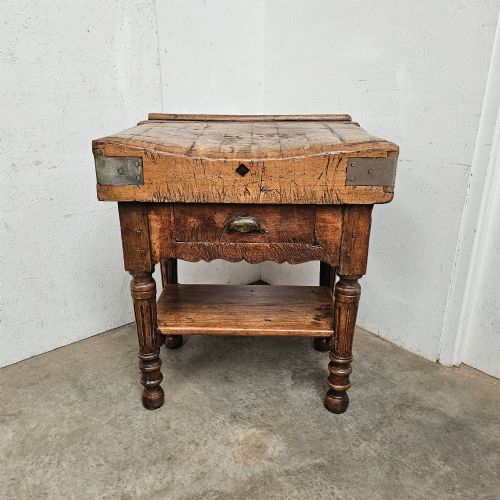
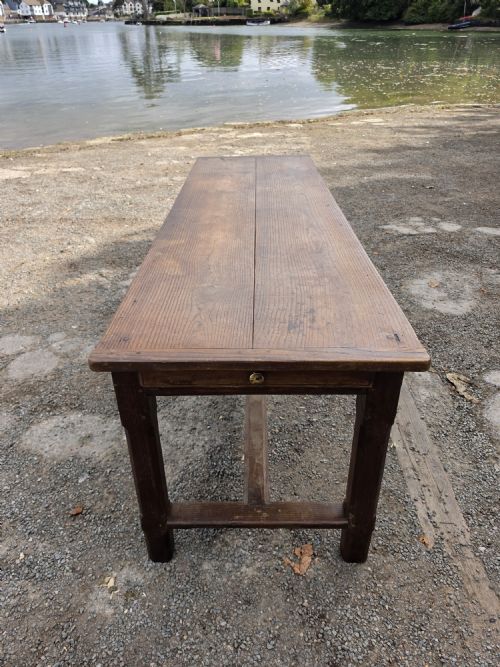
Larger variants often functioned as kitchen work tables or occasional surfaces for daily household tasks.
How do I distinguish regional styles?
Regional pieces often display simpler lines and local timber choices compared to formal Parisian furniture. Look at the framing, leg profiles, and carving depth to assess origin.
Revival pieces from later centuries frequently adopt specific historical motifs like Louis XV curves.