
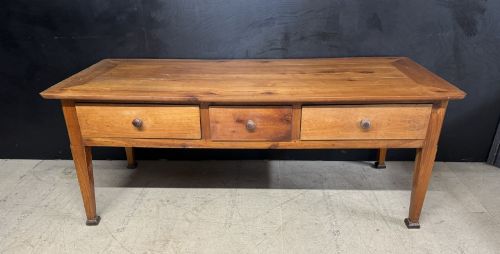
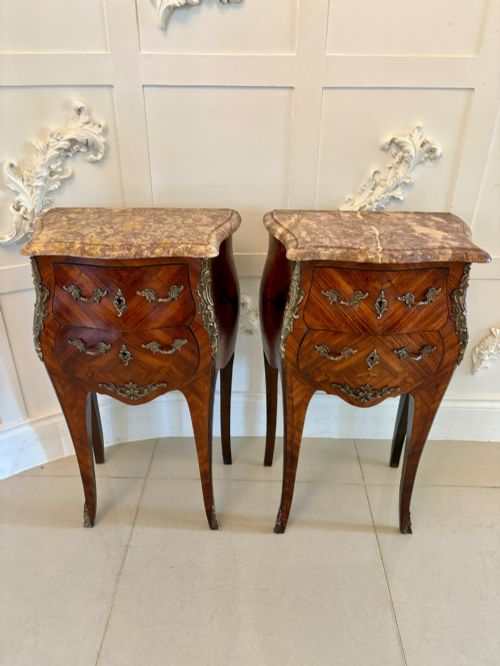
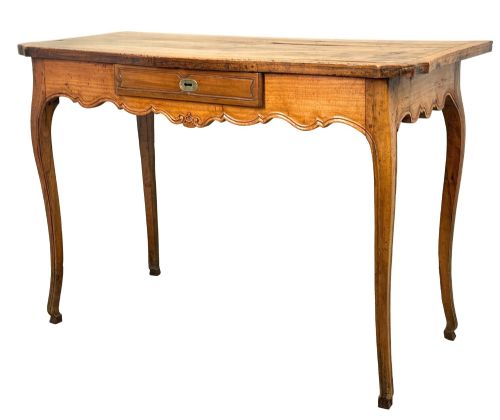
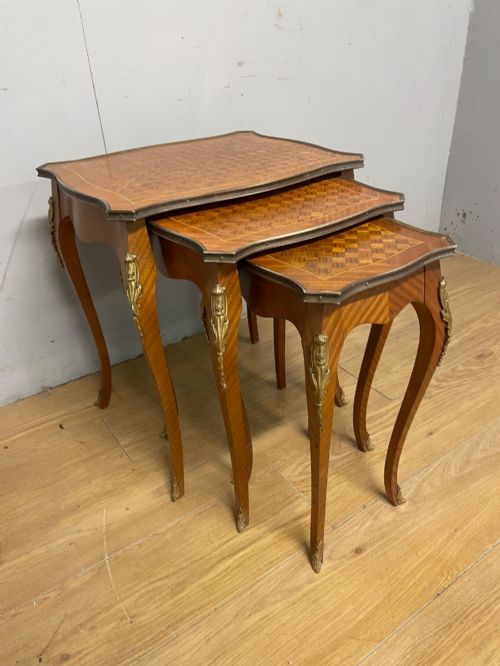

Provincial Side Table
When you select a provincial side table, you choose a functional piece of regional furniture that brings rustic character and historical utility to any room.
Provincial Side Table
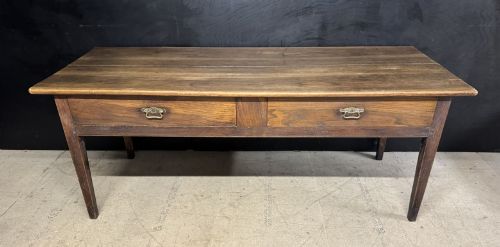
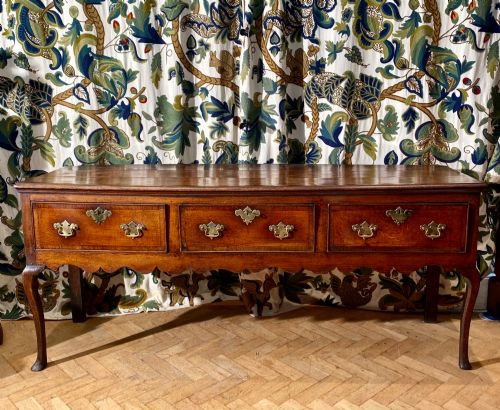
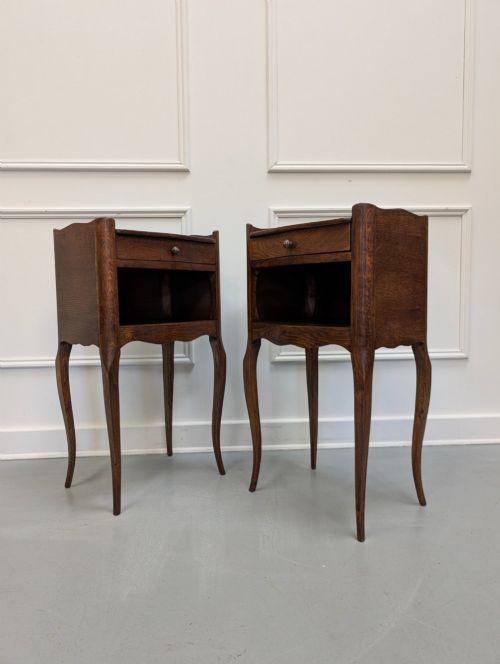
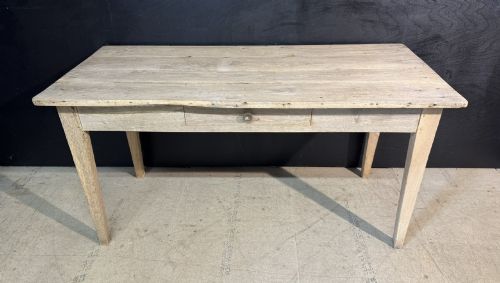
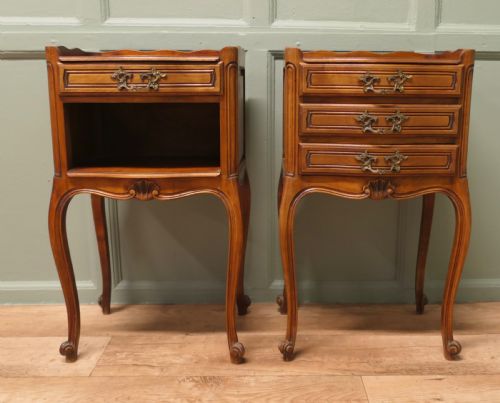
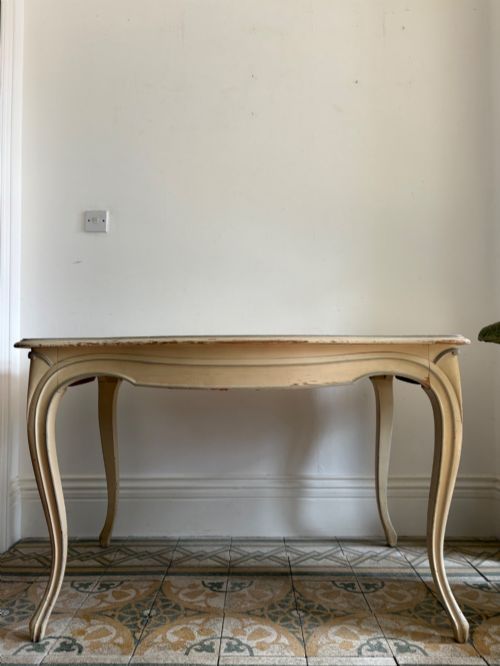
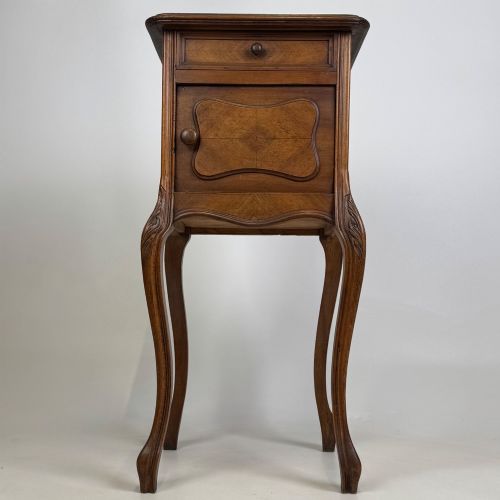
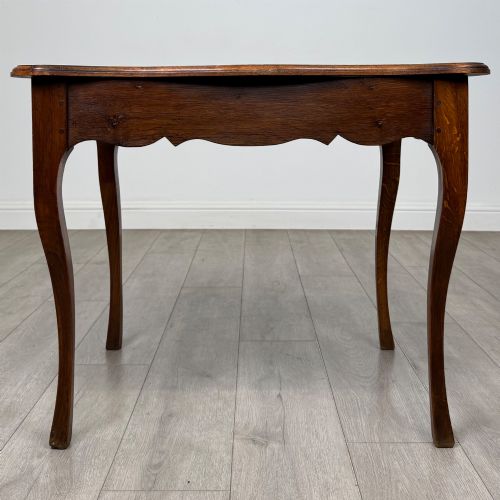
The provincial side table most frequently encountered on this page originates from French regional workshops, though English, Dutch, and Spanish examples also appear. They display vernacular styles ranging from country oak designs to painted finishes and Louis XV provincial reinterpretations.
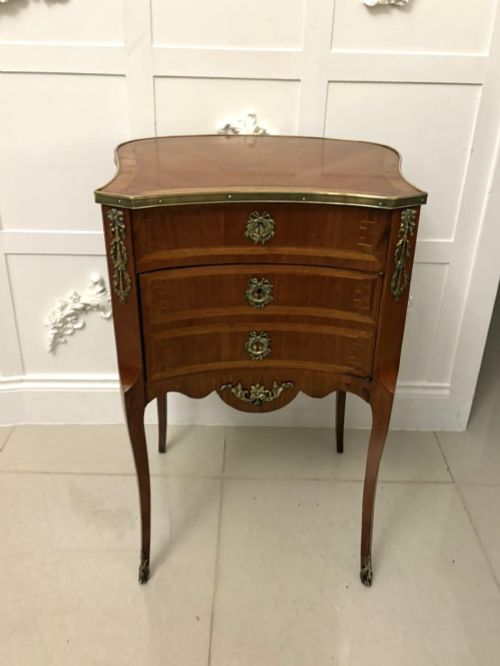
Buyers look for these pieces to introduce warmth and regional authenticity into domestic spaces, utilising them as lamp stands, halls tables, or bedside storage. Their modest proportions and honest construction make them adaptable additions to contemporary and traditional interiors alike.
How They Were Made
Cabinet makers utilised regional hardwoods such as oak, walnut, fruitwood, cherry, and chestnut, selected for local availability and durability. These timbers were frequently joined using traditional methods, creating sturdy frames capable of withstanding daily domestic labour.
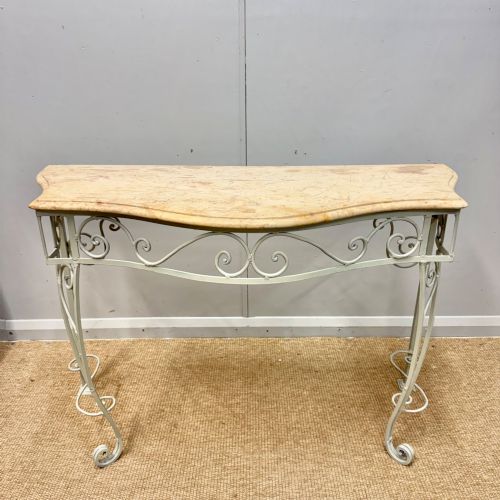
Surfaces were finished in diverse ways, ranging from natural waxed timber to hand-applied paint, marble tops, and inset suede panels. Wrought iron fittings and brass hardware provided structural reinforcement and functional detailing on console and work tables.
Listings feature oak, walnut, fruitwood, and pine timbers spanning the eighteenth to twentieth centuries.
What Varies in Quality
The distinction between ordinary utility items and finer regional pieces lies in the selection of timber and the restraint of the carving. Superior examples exhibit well-figured walnut, oak, or fruitwood, coupled with balanced proportions and harmonious integration of regional decorative motifs.
Construction integrity and the survival of original surface treatments heavily influence the standing of a piece. Tables retaining their early patinated finishes, original hardware, and uncompromised structural joints demonstrate superior craftsmanship from their respective periods.
The Provincial Side Table Glossary
- Lowboy
- A small occasional table with drawers, typically originating from the Georgian period and used as a writing or dressing table.
- Provincial
- Describing furniture made in the regions rather than the capital, often characterised by sturdy vernacular construction and local timber selection.
- Marquetry
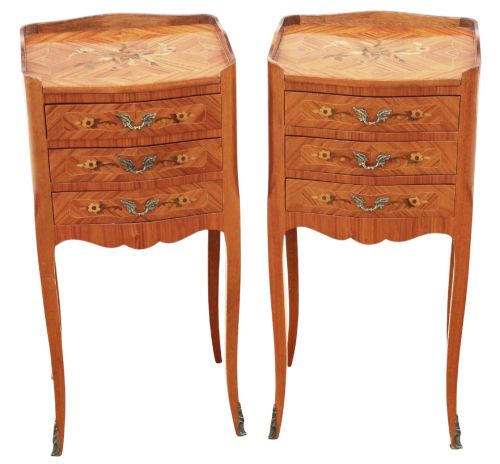
- The art of applying pieces of veneer to a structure to form decorative patterns, frequently seen on twentieth-century French tables.
- Cabriole leg
- A furniture leg that curves out and then in, mimicking the shape of an animal's leg, common in Louis XV style designs.
- Refectory table
- A long, narrow dining or serving table designed for communal meals, adapted in smaller provincial dimensions for domestic rooms.
Provincial Side Table: Frequently Asked Questions
Where were these tables originally used?
These tables served practical functions in provincial homes, farmhouses, and estates across Europe. They were placed in halls, bedrooms, and dining spaces for everyday tasks.
Over time, their roles shifted from strict utility to decorative occasional furniture used for lamps, writing, or display in modern living areas.
How do I distinguish French from English provincial tables?
French provincial examples frequently feature softer fruitwoods, chestnut, or walnut, alongside curved cabriole legs and regional carving styles. English pieces tend to utilise sturdy oak or mahogany with straighter structural lines.
Examining the timber species and leg profiles usually reveals the regional workshop traditions behind the construction.
Are marble tops original to these tables?
Many console and bedside tables incorporate marble slabs to provide a durable, heat-resistant surface for washing or serving food. These stone inserts were common on French pieces intended for practical daily use.
Checking the fit against the wooden frame helps determine whether the marble top belongs to the original period of manufacture.
How should I care for an antique wooden top?
Maintain timber surfaces by applying a traditional beeswax polish sparingly and buffing with a soft cloth. Avoid placing them in direct sunlight or near heat sources to prevent the wood from drying out.
Protect the finish from moisture by using coasters under glasses and promptly wiping away any liquid spills.