


Brown Wooden End Table
These brown wooden end table pieces offer compact surfaces for everyday rooms, combining period charm with practical proportions.
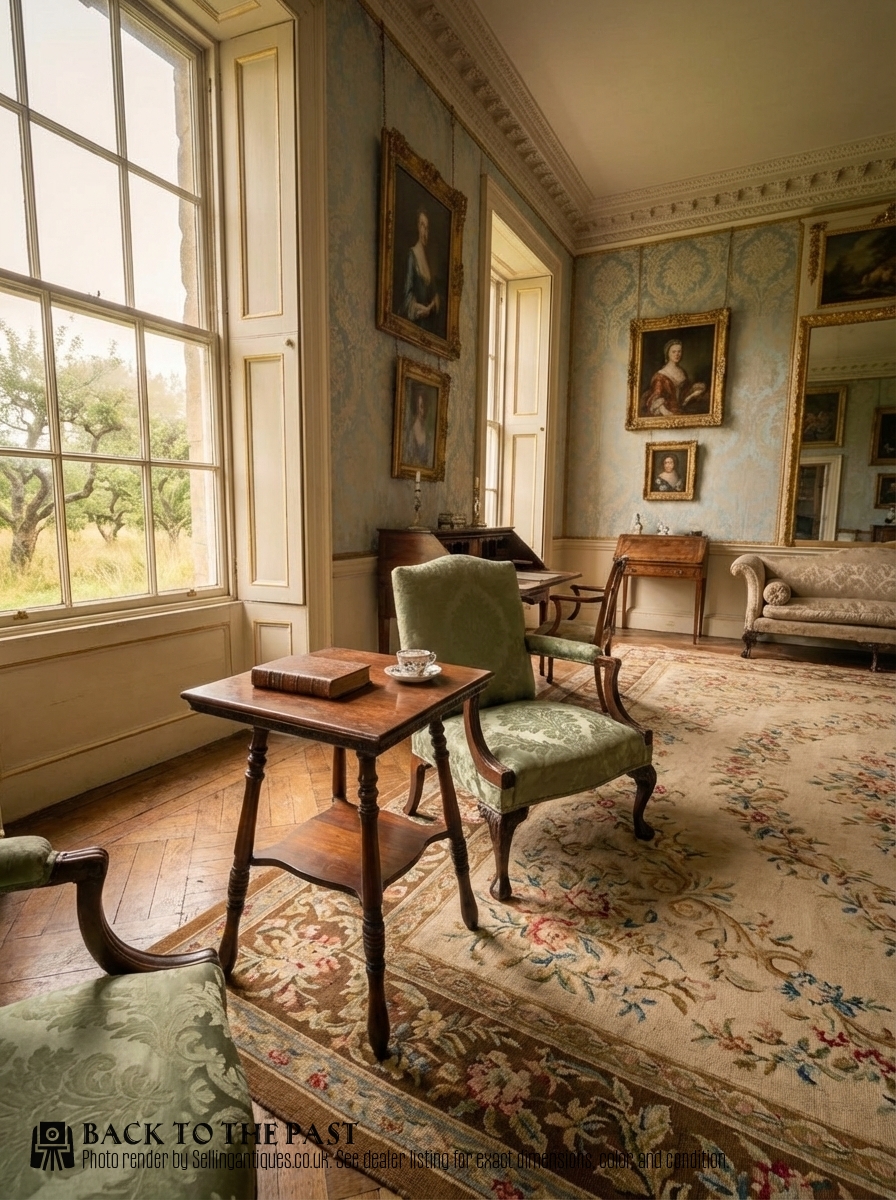
What they are
A brown wooden end table serves as a functional surface beside seating or in corners, taking the form of side tables, occasional tables, and lamp tables. These examples span the Edwardian period, 1800, the 1920s, and the Regency era.
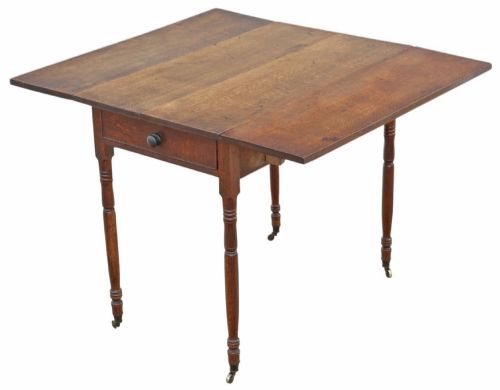
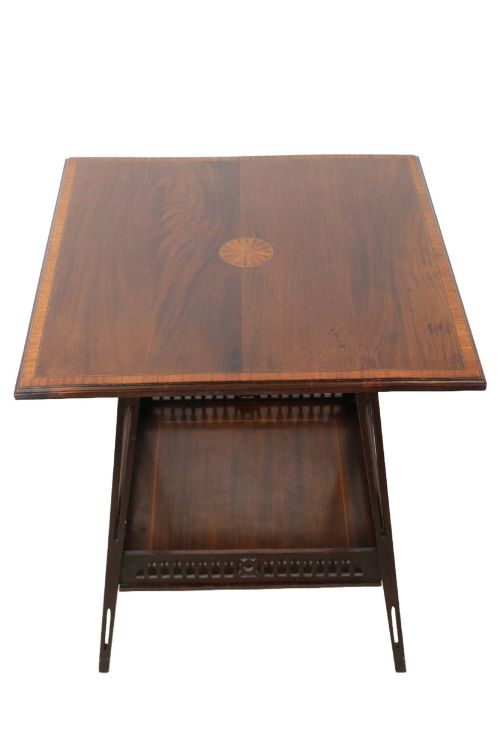
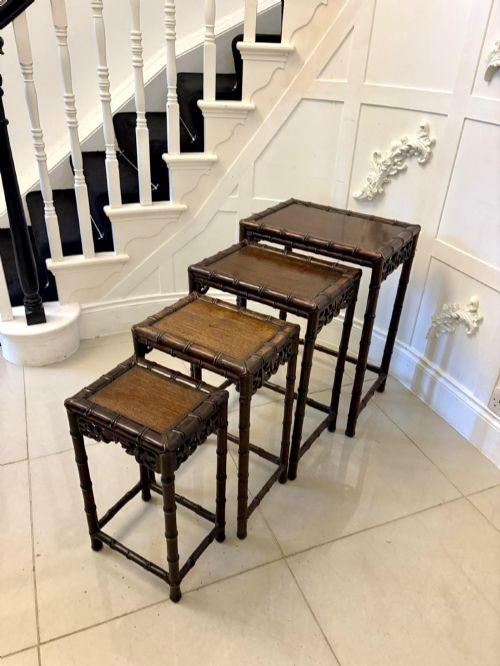
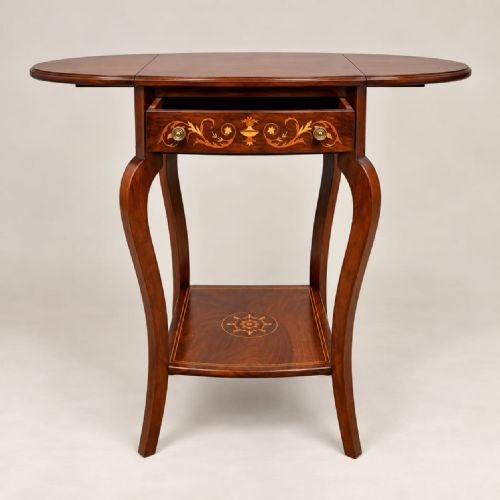
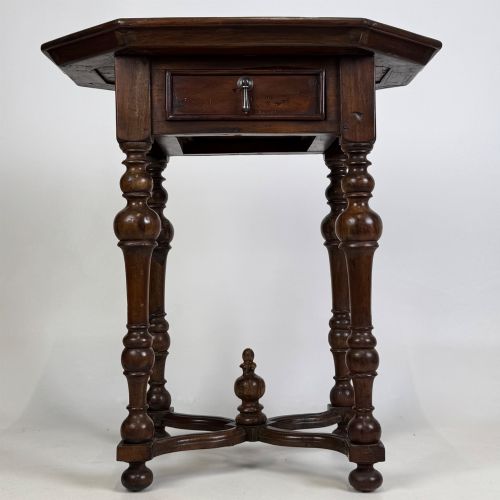
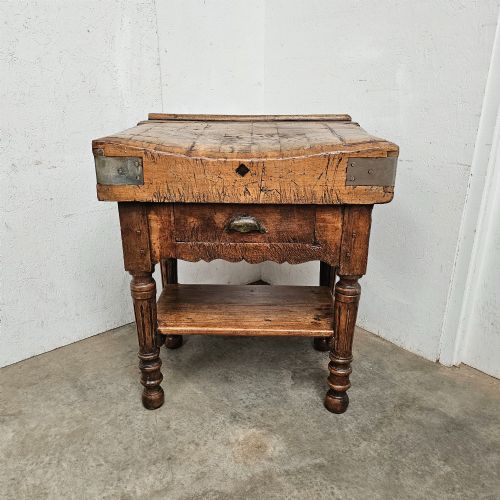
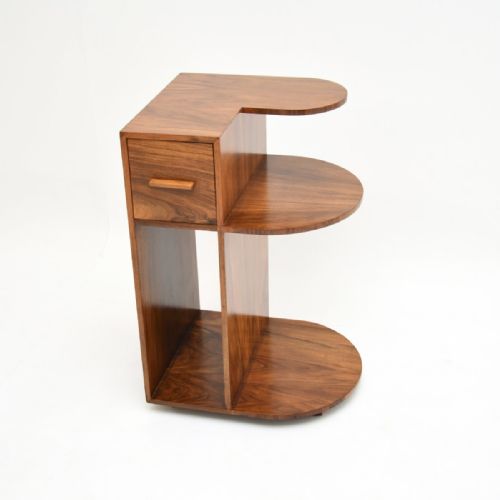
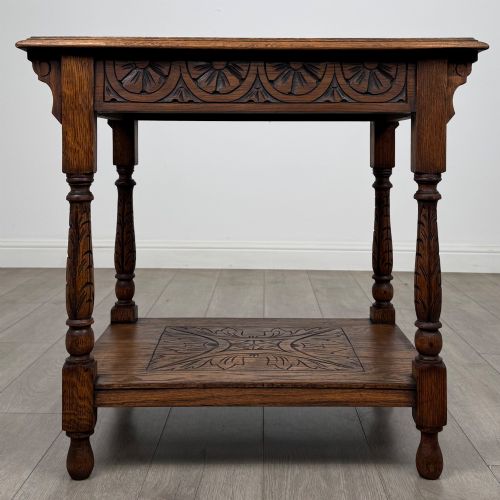
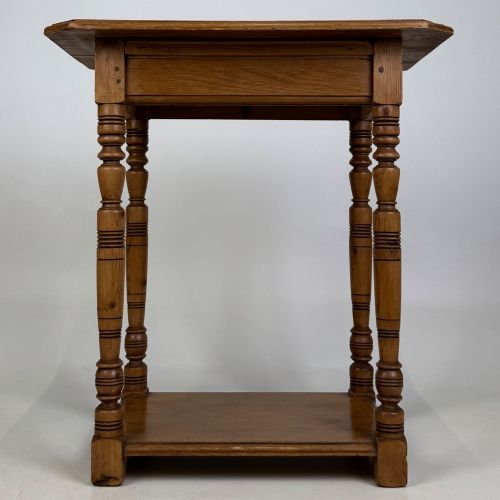
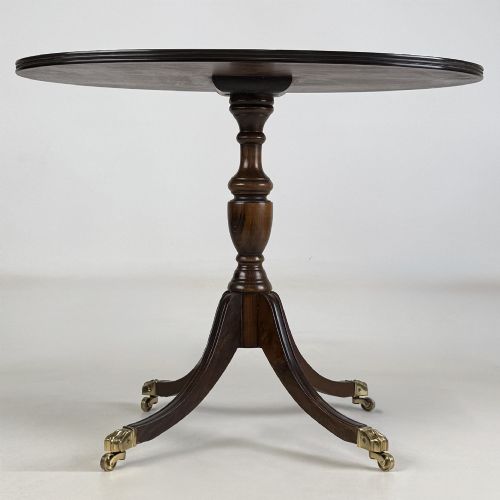
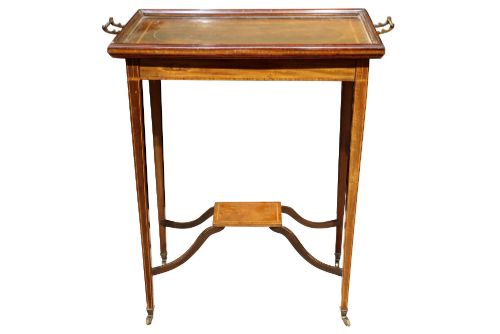
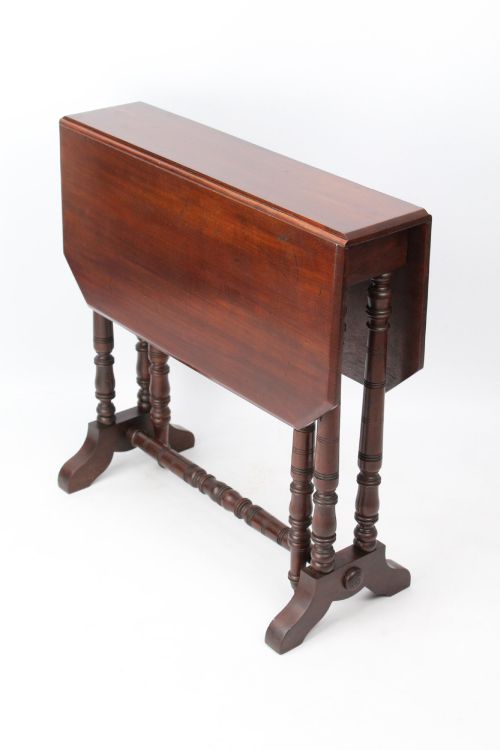
The pieces on this page include an Edwardian oak side table, a diminutive French walnut end table, a nineteen-twenties lamp table, and a Regency mahogany end table. Each version provides a compact footprint suited to domestic placement.
Makers and origins cross different stylistic traditions, encompassing Edwardian, French Provincial, Jacobean Revival, and Grand Regency designs. Buyers encounter varying heights and top shapes depending on the specific period and intended function.
How they were made
Construction relies on timber varieties such as oak, walnut, hardwood, and mahogany, chosen for structural stability and grain character. Metal elements like brass appear as fittings or hardware details on selected forms.
Joinery and surface finishing reflect the prevailing cabinet-making standards of each respective era, from the early nineteenth century to the twentieth-century production methods. Timbers are shaped into tops, legs, and supports designed to bear daily loads.
Retail Price Guide 2026
Typical UK retail prices for brown wooden end table, calculated from the Sellingantiques database of over a million retail prices indexed since 2003. This retail price guide relies exclusively on Sellingantiques data; no external sources or auction records are used, so the figures do not describe the wider market.
Diminutive French walnut tables prove that good things genuinely come in miniature packages.
What varies in quality
Quality differences lie in the selection of timber figures, the precision of the joinery, and the harmony of the proportions. Finer examples display carefully matched wood grains and balanced forms that respect their historical style.
Simpler or later pieces utilise more straightforward construction and standard hardwoods, whereas Regency and period walnut items reflect more intricate execution in their turning and surface treatment.
The Brown Wooden End Table Glossary
- Side table
- A small functional table designed to stand beside a chair or against a wall. It provides a convenient surface for holding lamps or small objects.
- Occasional table
- A versatile piece intended for temporary or flexible use within a room. These tables are easily moved to suit changing domestic needs.
- Lamp table
- A low or medium-height table specifically proportioned to support a lighting fixture. They frequently feature compact tops and sturdy bases.
- Mahogany
- A durable, reddish-brown tropical hardwood prized for furniture making. It accepts fine carving and polished finishes exceptionally well.
- Regency
- An English design period spanning the early nineteenth century. Characterised by classical influences and clean architectural lines.
Frequently Asked Questions
What is a brown wooden end table?
It is a small functional surface designed for domestic use alongside seating or in corners.
These pieces encompass side tables, lamp tables, and occasional tables made from timbers like oak, walnut, and mahogany.
Where should I place an end table?
They fit naturally beside armchairs, sofas, or beds where a reachable surface is needed for lamps or books.
Their compact proportions also allow them to function as corner pieces in hallways or tighter reception spaces.
How do I date an antique end table?
Dating relies on identifying the timber species, construction methods, and stylistic cues associated with periods like Regency or Edwardian.
Comparing the turned legs, edge profiles, and overall form against known historical examples helps establish the likely era of manufacture.
What woods are common for these tables?
Common materials include oak, walnut, mahogany, and general hardwood selections.
Each timber offers distinct grain patterns and colour depths that define the appearance of the finished piece.