
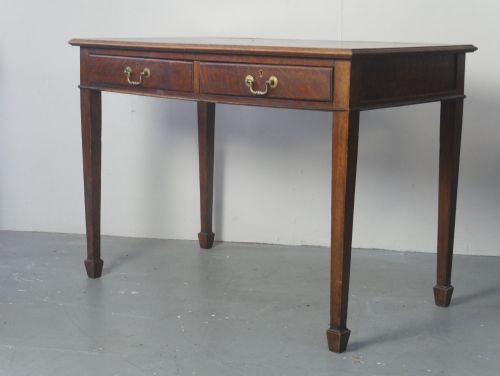
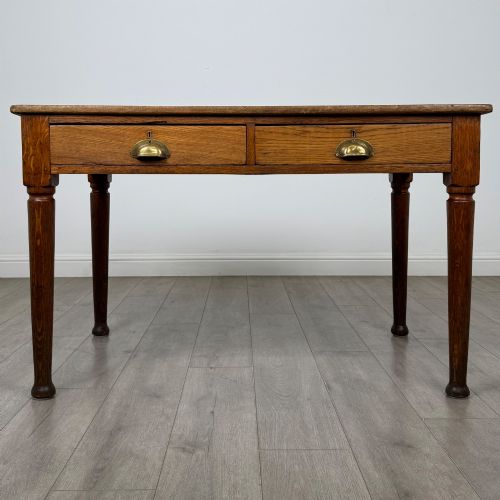
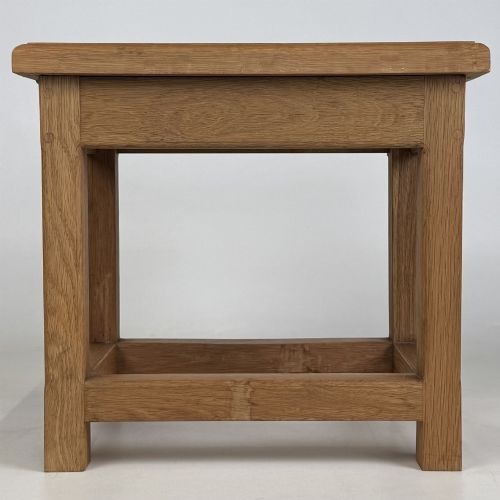
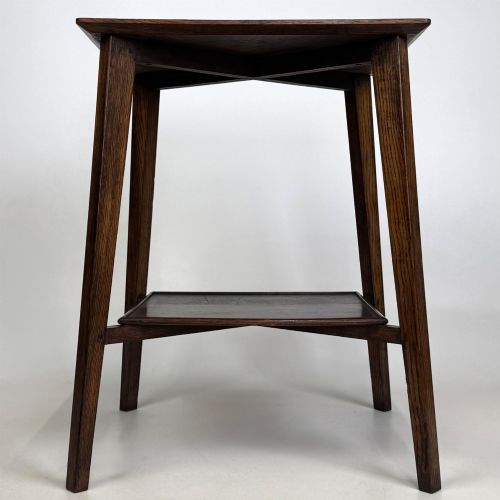
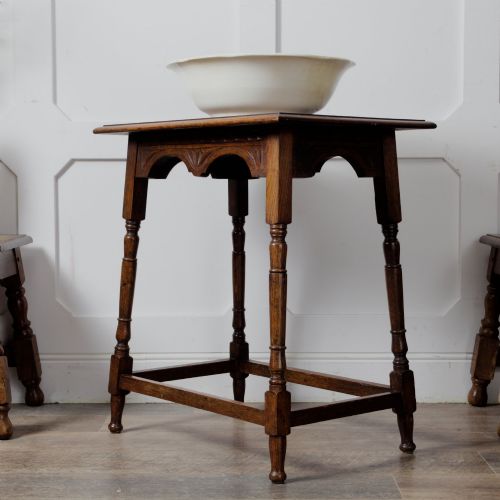
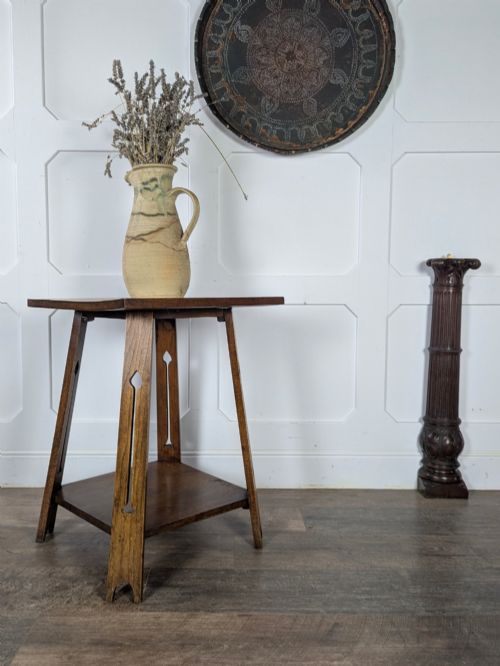
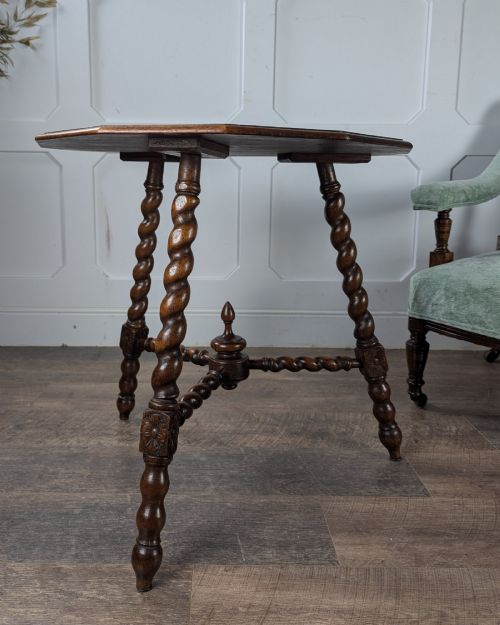
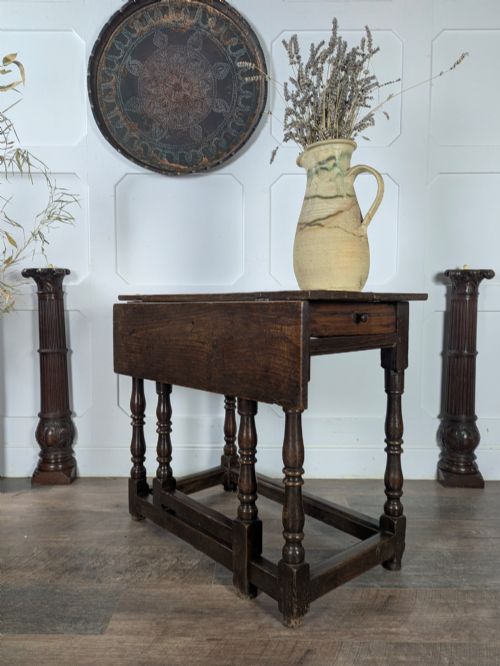
Solid Oak Side Table
A solid oak side table brings honest timber and dependable function to any corner, bridging centuries of craft from seventeenth-century tavern boards to Edwardian halls.
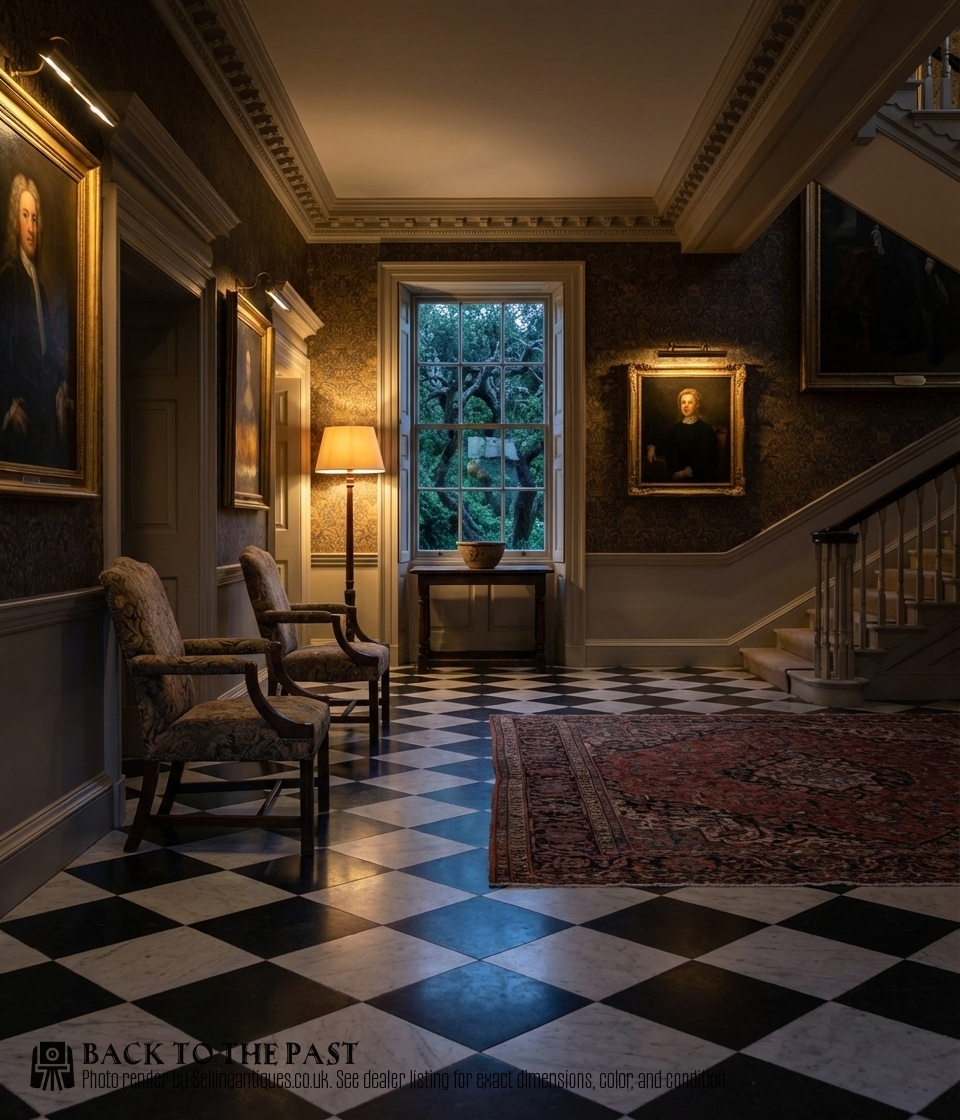
The Form and Period of Solid Oak Side Tables
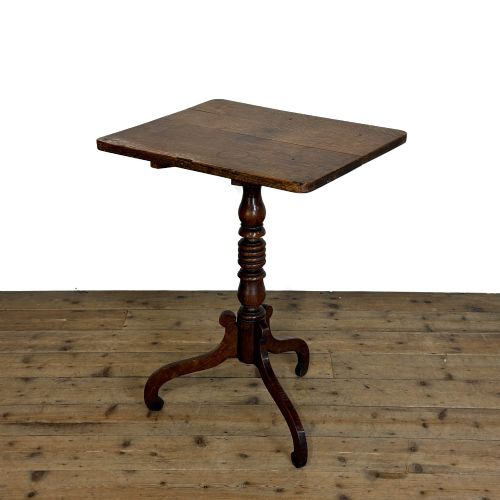
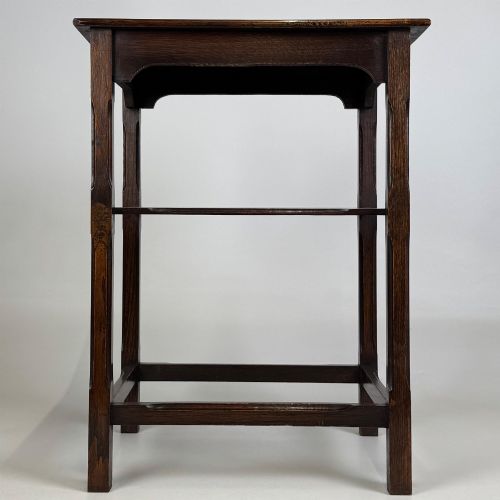
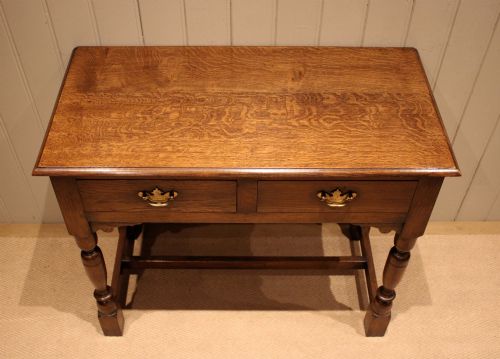
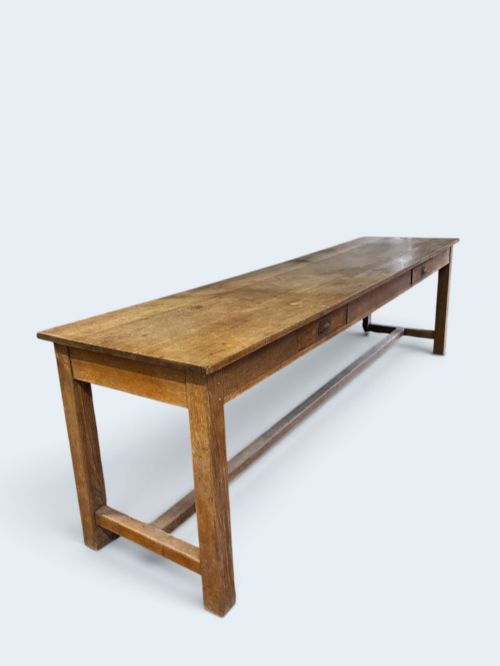
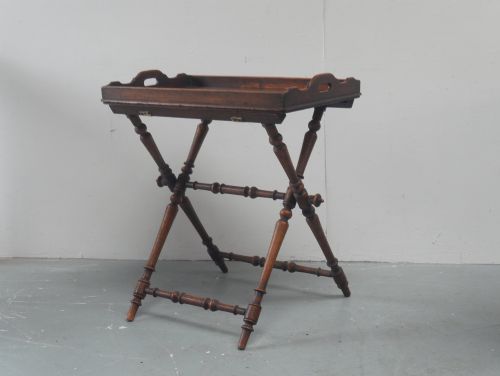
A solid oak side table spans diverse forms from utilitarian tavern boards to refined Edwardian hall tables and Arts and Crafts creations. These versatile timber pieces emerge across the seventeenth century, the Victorian era, and into the twentieth century with distinct regional character.
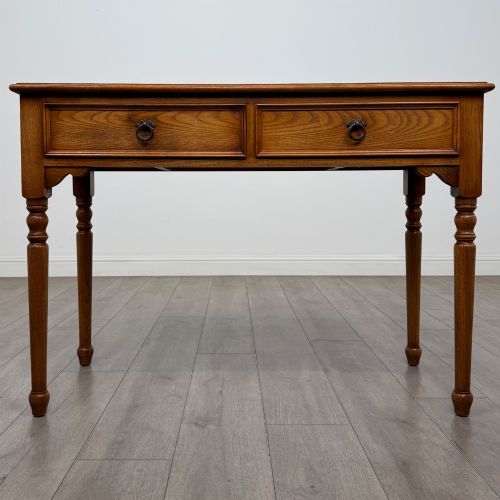
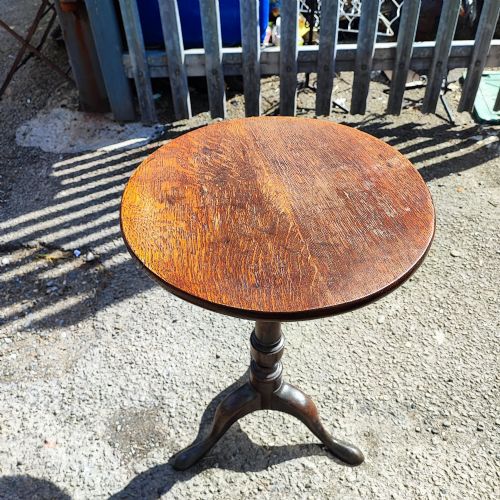
Buyers encounter compact gateleg designs, small occasional stands, lowboys, and slim console tables. The material endures through generations, adapting from vernacular English country styles to revivalist Gothic and Queen Anne interpretations.
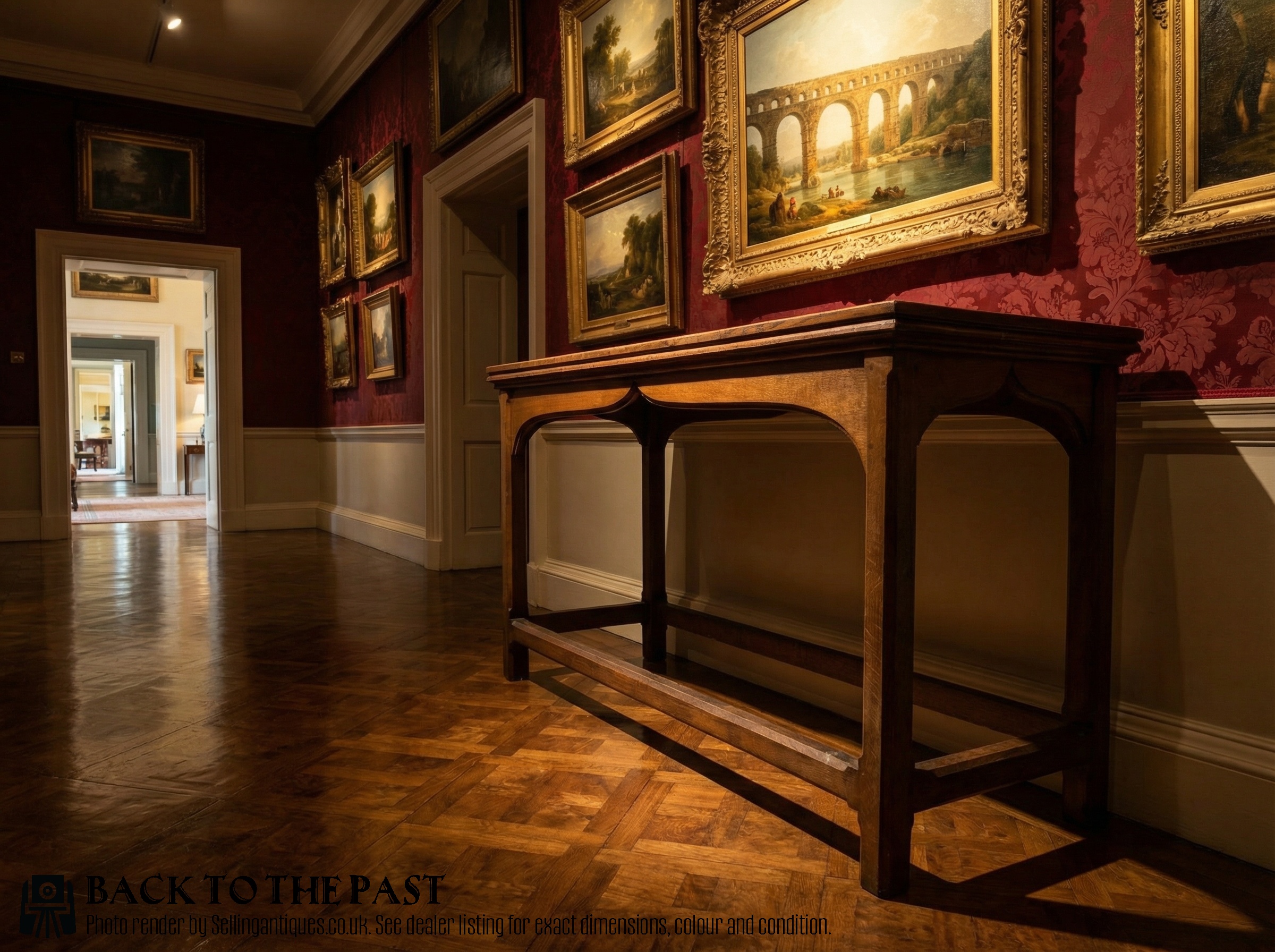
Materials and Construction
Makers utilised solid oak timber combined with brass hardware for handles, hinges, and decorative mounts. Construction methods rely on traditional joinery, sturdy turned legs, and carved detailing.
Surfaces display natural grain patterns developed through quarter-sawing or plain-sawing, finished by hand to preserve the dense character of the wood.
Retail Price Guide 2026
Typical UK retail prices for solid oak side table, calculated from the Sellingantiques database of over a million retail prices indexed since 2003. This retail price guide relies exclusively on Sellingantiques data; no external sources or auction records are used, so the figures do not describe the wider market.
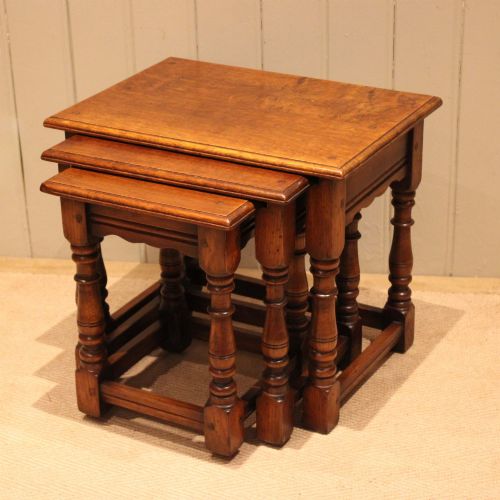
The inventory records diverse forms including gateleg, console, refectory, lowboy, and nest of tables.
Evaluating Timber and Craft
Quality rests in the selection of the timber and the integrity of the joinery rather than surface ornamentation alone. Superior examples show careful grain alignment, substantial weight, and structural stability without modern fasteners.
Proportion and execution separate utilitarian workshop pieces from master cabinet work. Refined turning, crisp carving, and untouched original surfaces distinguish the better examples in this timber.
Titchmarsh and Goodwin·Gordon Russell
The Solid Oak Side Table Glossary
- Gateleg table
- A table with hinged drop leaves supported by swing-out legs. This clever folding mechanism allows the piece to expand for use or fold flat against a wall.
- Lowboy
- A small seventeenth or eighteenth-century table with one or more drawers and cabriole or turned legs. Originally used as a dressing table or side board.
- Refectory style
- A long, narrow table design inspired by monastic dining halls. These pieces feature substantial stretchers and heavy timber construction.
- Arts and Crafts
- A design movement prioritising traditional craftsmanship, visible construction, and simple forms. Pieces in this style reject mass production in favour of honest materials.
- Jacobean Revival
- A nineteenth-century style mimicking seventeenth-century English furniture. It is characterised by heavy turning, geometric mouldings, and deep panel carving.
Frequently Asked Questions
How do I date a solid oak side table?
Dating relies on examining tool marks, joint construction, and timber shrinkage. Hand-cut dovetails and pegged joints generally indicate earlier periods, while machine-cut elements point to later manufacture.
Style indicators like turned legs and carved motifs help narrow the decade. Comparing the piece to documented examples from the seventeenth through the early twentieth century clarifies its age.
Where should I place a side table?
These compact tables fit naturally beside seating in a living room, function as a lamp stand in a study, or serve as a hall table for post and keys. Their modest proportions suit narrow corridors and awkward corners.
Placement depends on the height and footprint of the specific piece. A slim console or demi-lune version works well against flat wall spaces.
Are these tables suitable for daily use?
Oak is an exceptionally durable hardwood that withstands regular daily demands without losing structural integrity. Solid timber construction ensures the table handles everyday items like lamps and books easily.
Routine maintenance involves simple dusting and occasional waxing to protect the finish. The resilient nature of the wood means minor knocks only add to its historic character.
What is the difference between a side table and a lowboy?
A side table is a general term for any small table meant to stand against a wall or beside furniture. A lowboy specifically refers to a low table featuring one or more rows of drawers beneath the top.
Lowboys typically date from the seventeenth or eighteenth centuries and possess finer proportions. Standard side tables encompass a much broader range of simpler utility forms and later revival styles.