

Antique Oak Buffet Table
An antique oak buffet table delivers solid timber presence and centuries of utility to a dining room or hallway.
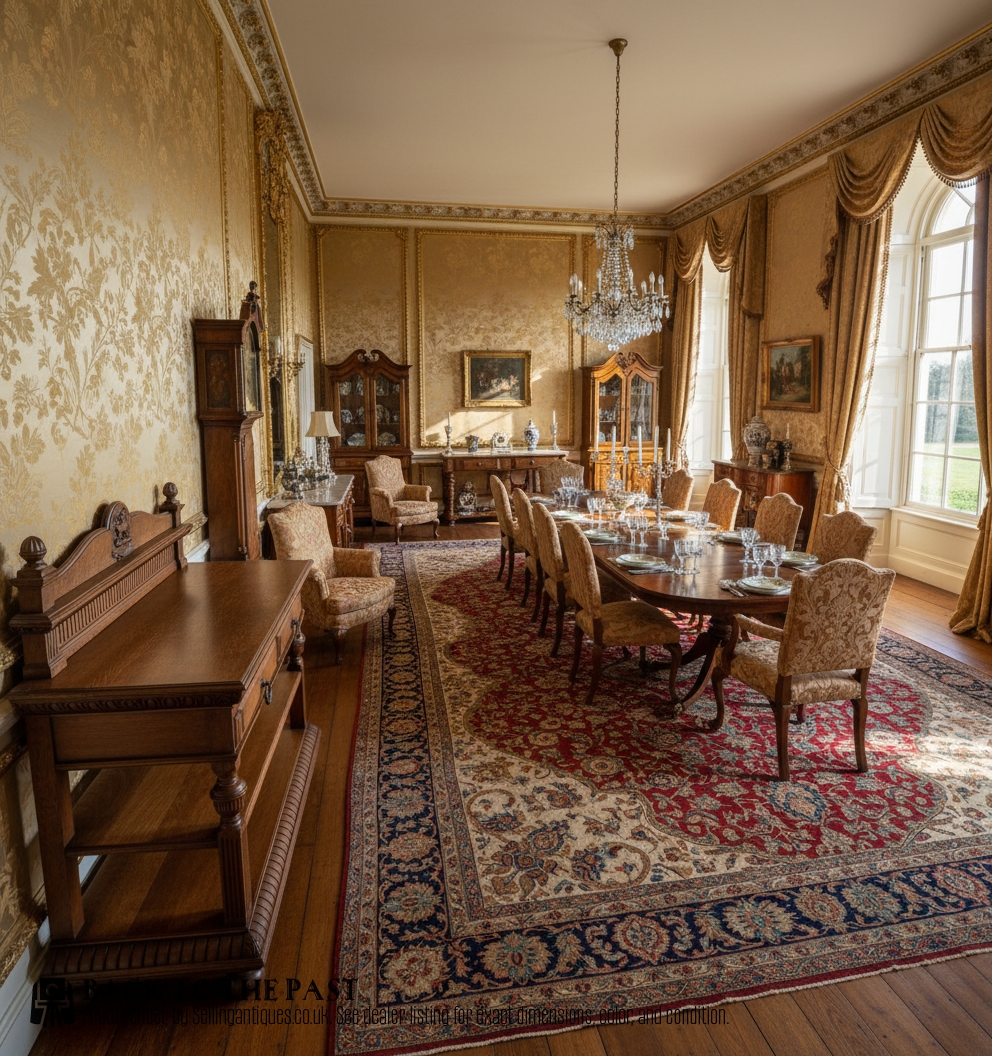
Antique Oak Buffet Table
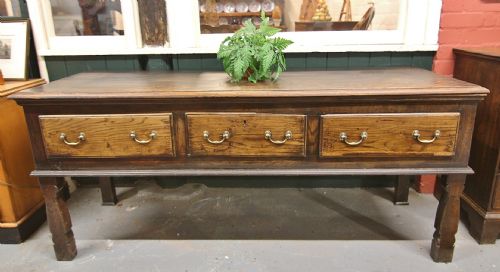
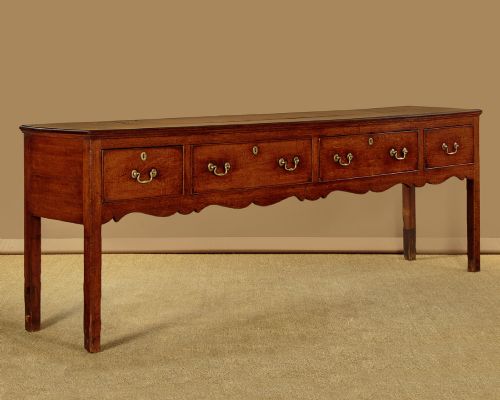
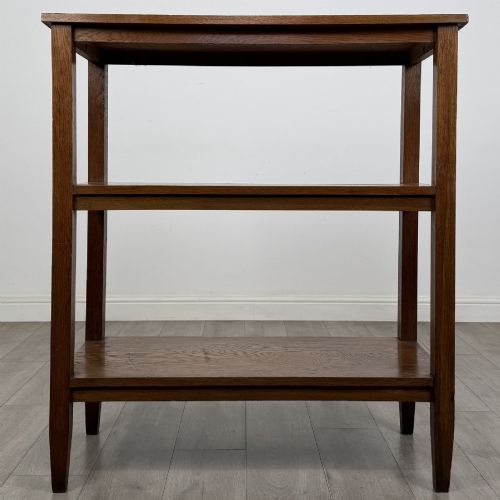
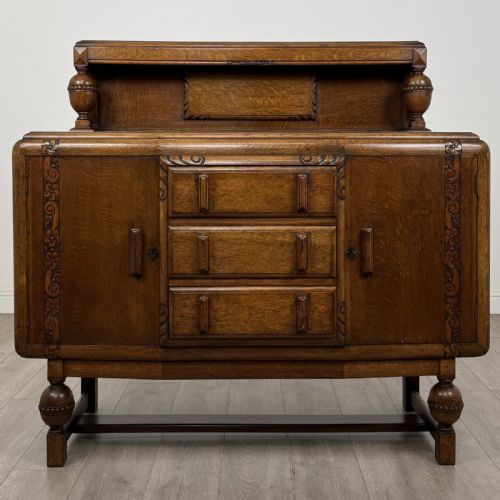
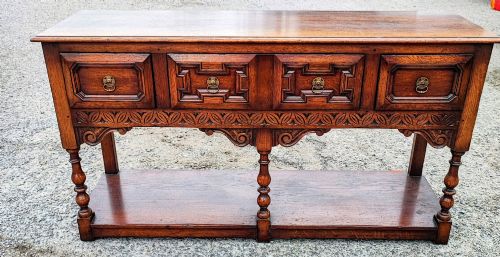
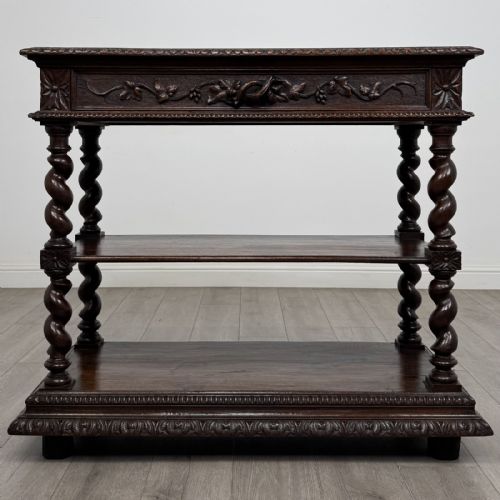
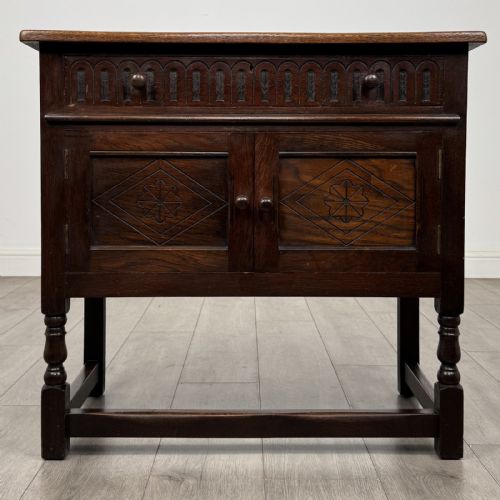
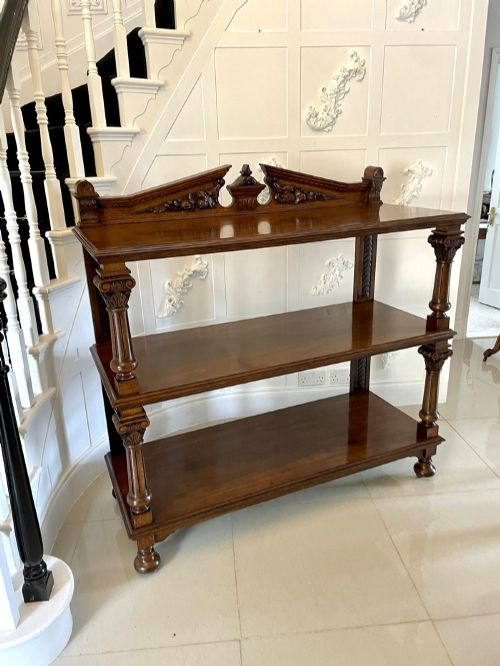
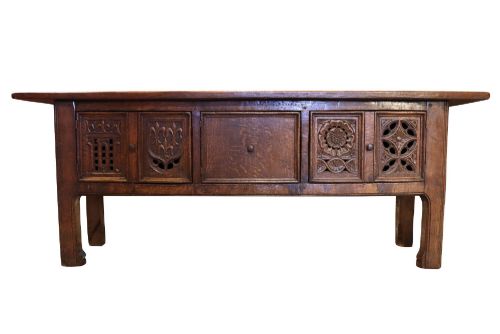
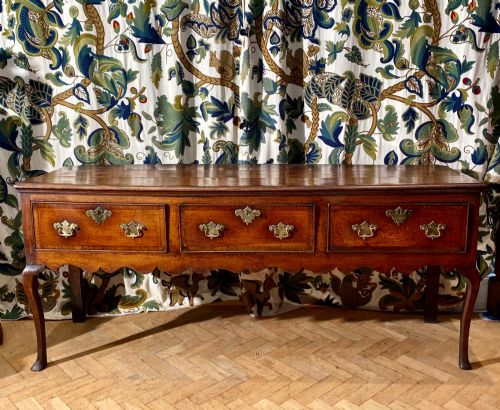
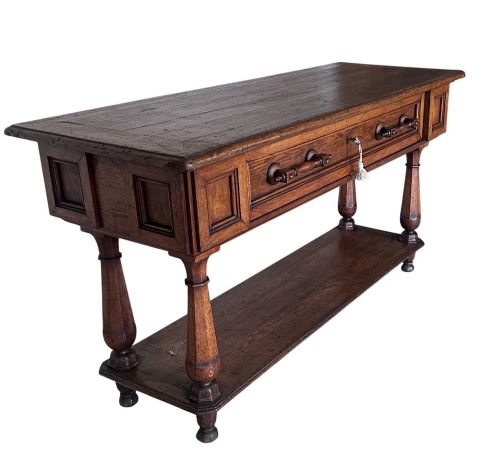
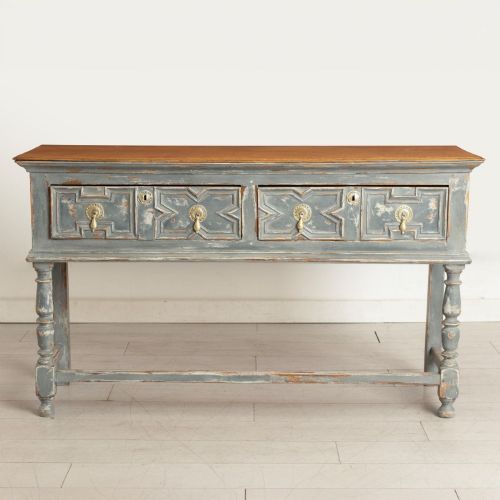
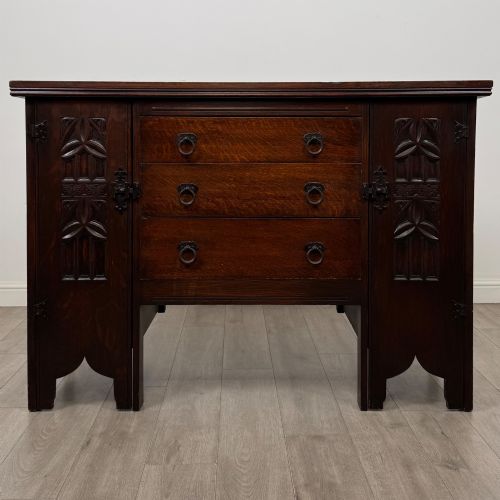
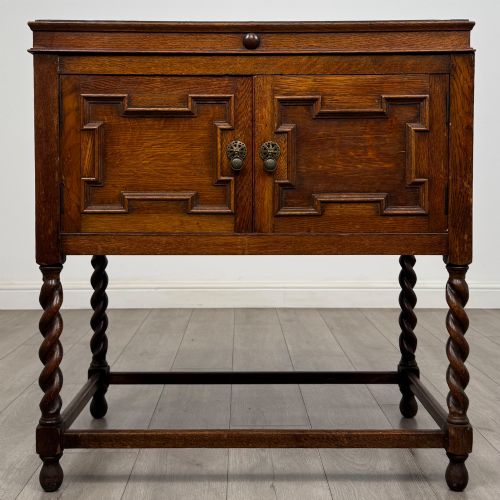
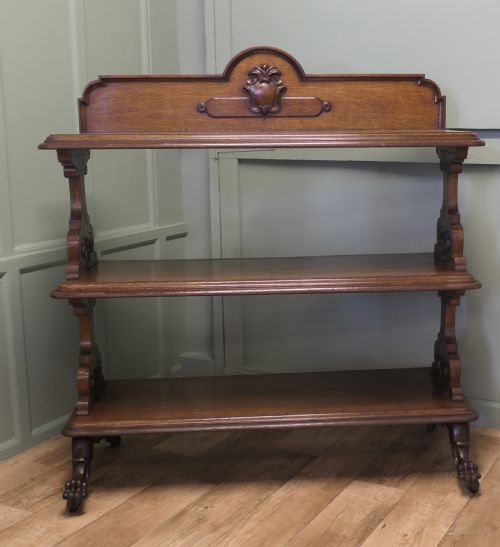
An antique oak buffet table encompasses low sideboard forms, dresser bases with open potboards, tiered serving tables, and carved Victorian buffets. Buyers seeking this phrase encounter sturdy timber furniture designed for serving food and storing household dining wares.
The selection ranges from eighteenth-century George III potboard bases and Welsh dressers to nineteenth-century Gothic Revival servers and Edwardian golden oak cupboards. Regional pieces from Wales, Scotland, and England appear alongside continental examples in French and Dutch styles.
Lower dresser bases with drawers and open lower shelves dominate the earlier periods, while tiered serving buffets and console tables emerge more frequently among nineteenth and twentieth-century items. Solid construction and utilitarian storage define the common thread uniting these diverse formats.
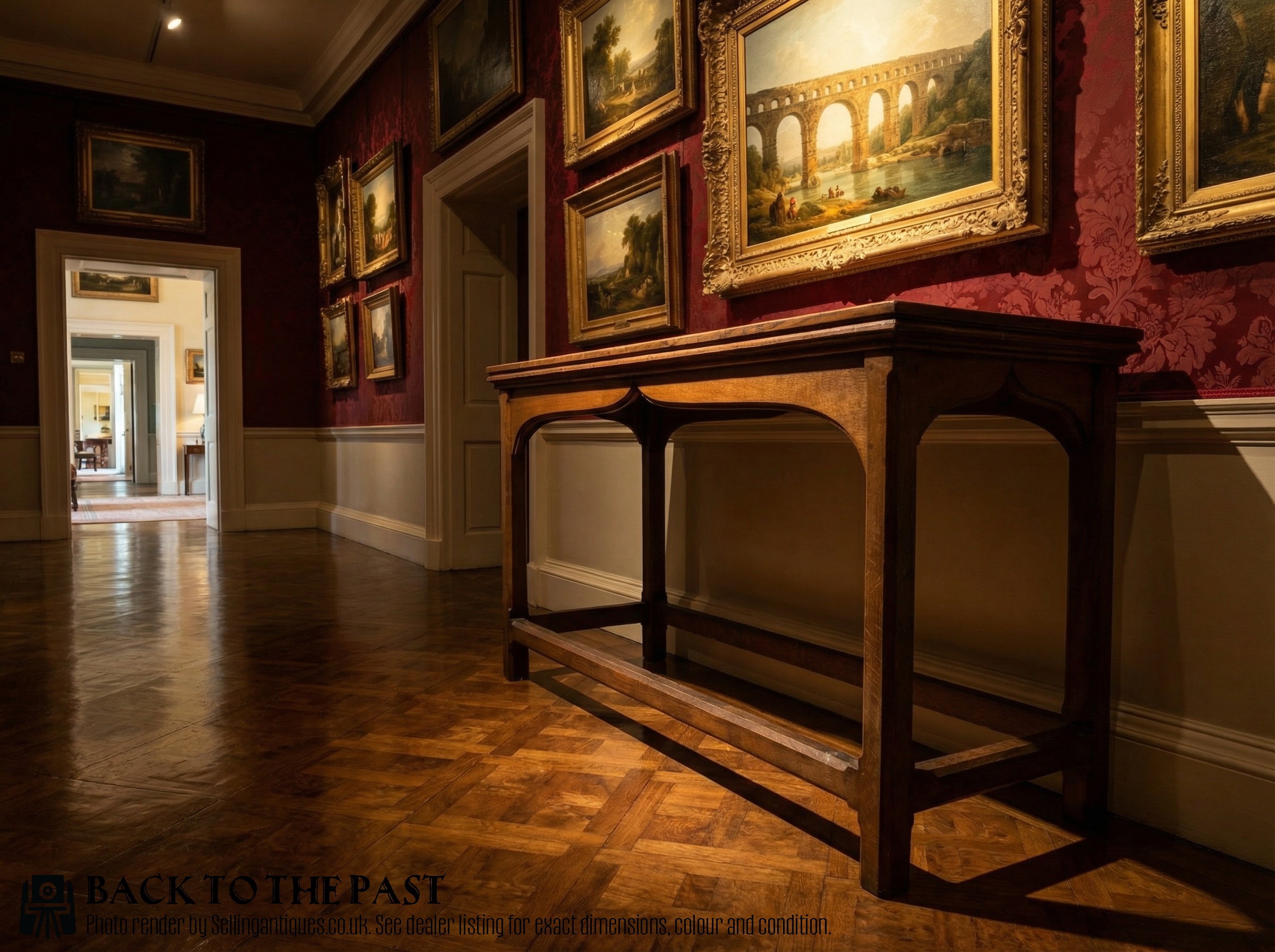
Materials and construction
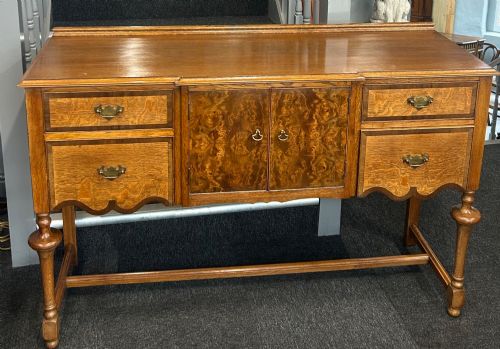
Oak forms the fundamental structural timber across the category, occasionally contrasted with pollard oak, burr walnut, fruitwood, or pine secondary woods. Blacksmith-wrought iron and brass hardware provide functional hinges, drawer pulls, and decorative drop handles.
Joinery methods rely on traditional pegged mortise and tenon frames, hand-dovetailed drawer construction, and panelled doors. Surfaces show varied historical treatments including carved relief motifs, green man details, painted finishes, and bleached tones.
Antique Oak Buffet Table Retail Price Guide 2026
Typical asking prices for oak buffet table among the pieces listed under this phrase on Sellingantiques today, from the lower quarter to the upper quarter. They describe what is for sale here now, not the wider market.
Listings span from the 1800 Georgian period through Victorian and Edwardian eras, utilising oak, brass, iron, and walnut.
Markers of distinction
Superior examples display crisp, deep hand-carved detail and timber with rich figuring, such as pollard oak or quarter-sawn boards. Finer pieces maintain balanced proportions, original brass or iron hardware, and well-preserved structural integrity without excessive later alterations.
Simpler vernacular pieces rely on honest utility, where thicker boards and regional regional joinery traditions dictate character rather than ornamental carving. Quality rests in the harmony of proportion, timber selection, and the preservation of original surfaces.
The Antique Oak Buffet Table Glossary
- Potboard
- An open lower shelf beneath a dresser base traditionally used for storing pots and pans. This lower tier sits raised above the floor on feet or stiles.
- Dresser base
- A low side table featuring multiple drawers above cupboards or an open potboard. It served as a primary food preparation and storage surface in historic kitchens and dining rooms.
- Pollard oak
- Timber taken from trees that have been pollarded, producing dense, highly figured grain patterns with distinctive knot clusters. Cabinet makers utilised this wood for decorative veneer panels on high-status Victorian buffets.
- Gothic Revival
- A nineteenth-century design style drawing inspiration from medieval architecture, featuring pointed arches, tracery, and heavy carved ornamentation. Pieces in this style often display dramatic proportions and dark patinated timber.
- Serving table
- A narrow table designed specifically for holding dishes during a meal before the widespread adoption of sideboards with extensive cabinetry. These tables often feature simple rectangular tops supported by turned or cabriole legs.
Antique Oak Buffet Table: Frequently Asked Questions
What is an antique oak buffet table used for?
These pieces functioned historically as serving stations for food, display surfaces for ceramics, and storage units for dining linen and cutlery. In modern interiors, they serve as sideboards in dining rooms, media consoles, or hallway display tables.
The deep drawers and surface space accommodate modern storage needs while introducing historic timber warmth and architectural character to a room.
How do I tell an 18th-century piece from a Victorian one?
Eighteenth-century examples often show hand-sawn timber boards, pegged joinery, and simpler vernacular lines such as open potboards and multiple small drawers. Victorian pieces frequently incorporate heavier carved decoration, Gothic Revival motifs, tiered shelving, and factory-produced hardware.
Examining the drawer construction, backboards, and tool marks helps determine whether a piece belongs to the Georgian period or the later nineteenth century.
Are these tables solid oak?
Most listings feature solid oak construction, though secondary woods like pine or fruitwood may appear in drawer linings and internal framing. Some later Victorian or Edwardian examples utilise oak veneers over a stable timber core, particularly on large buffet surfaces.
Checking the grain continuity around corners and inspecting internal drawer boxes reveals whether the item is solid timber throughout or veneered.
How do I care for antique oak furniture?
Maintain antique oak by keeping it away from direct heat sources and extreme humidity fluctuations that cause timber to split. Apply microcrystalline wax occasionally to nourish the surface and protect the historic patina without sealing the wood.
Dust regularly with a soft dry cloth and avoid silicone-based polishes that penetrate the grain and damage older finishes.