

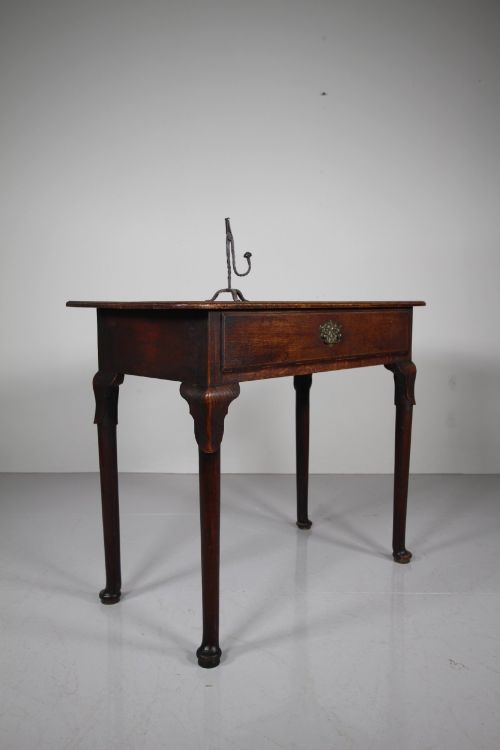
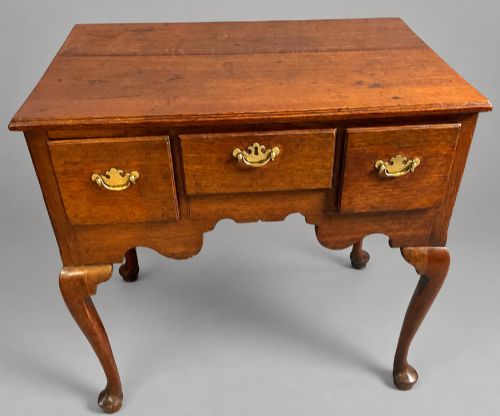
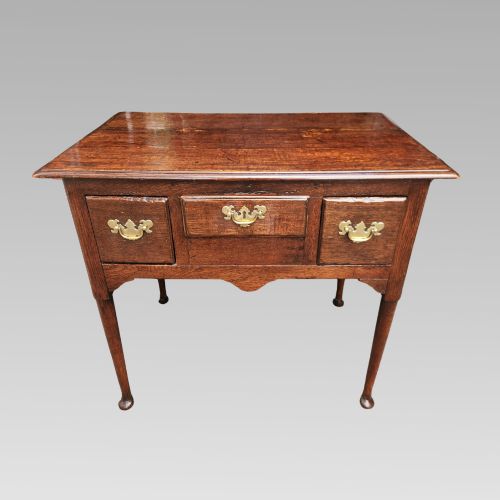
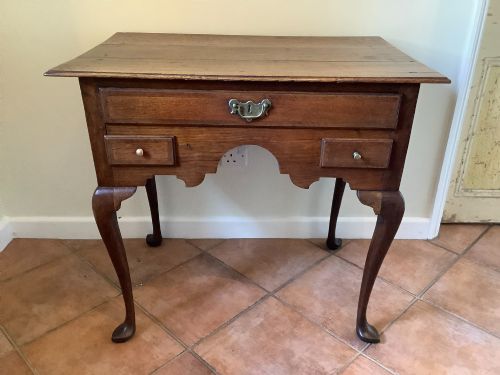
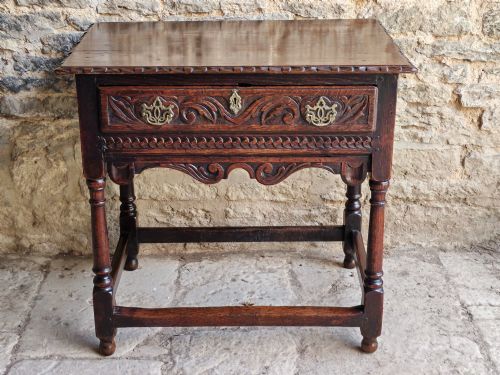
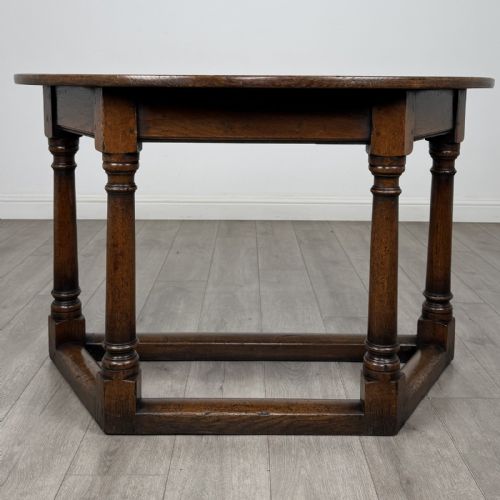
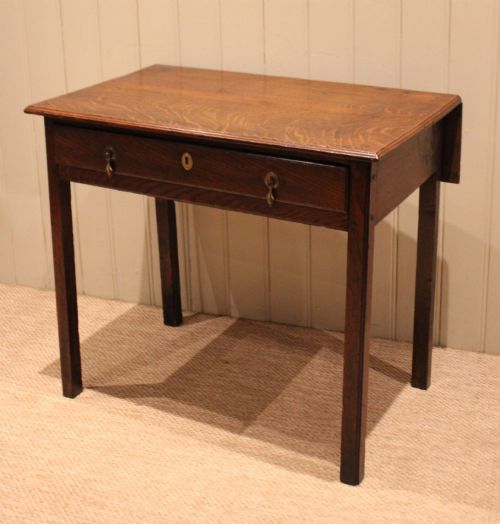
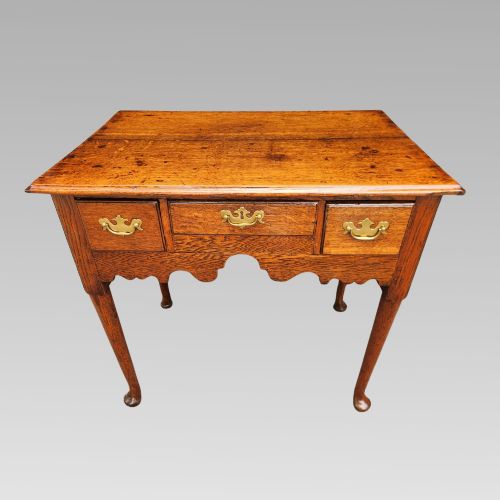
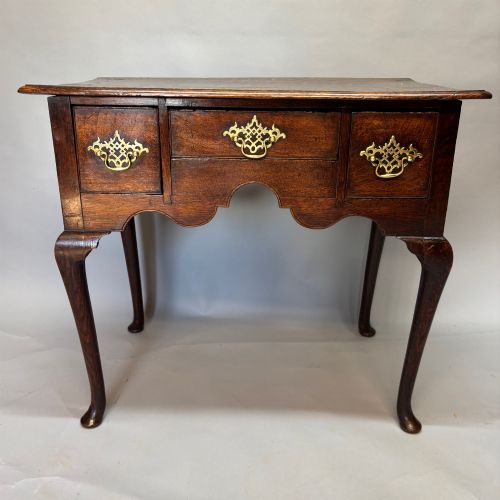
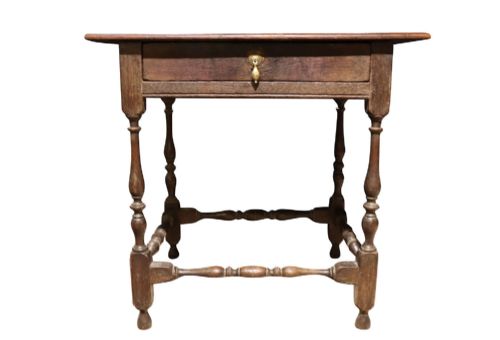
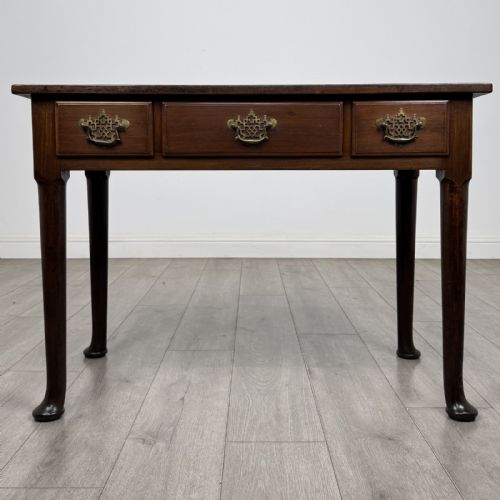
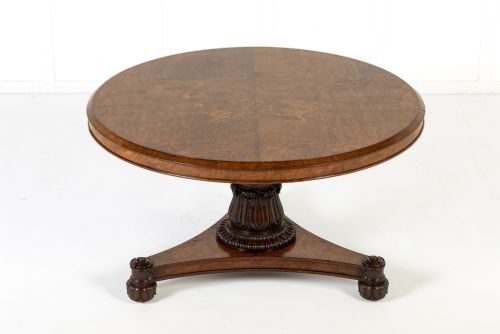
Georgian Oak Hall Table
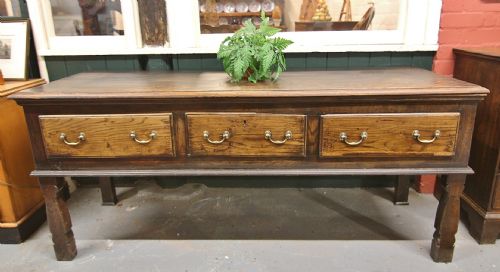
A georgian oak hall table provides a narrow surface with deep provincial character, perfectly proportioned for entranceways and corridors.
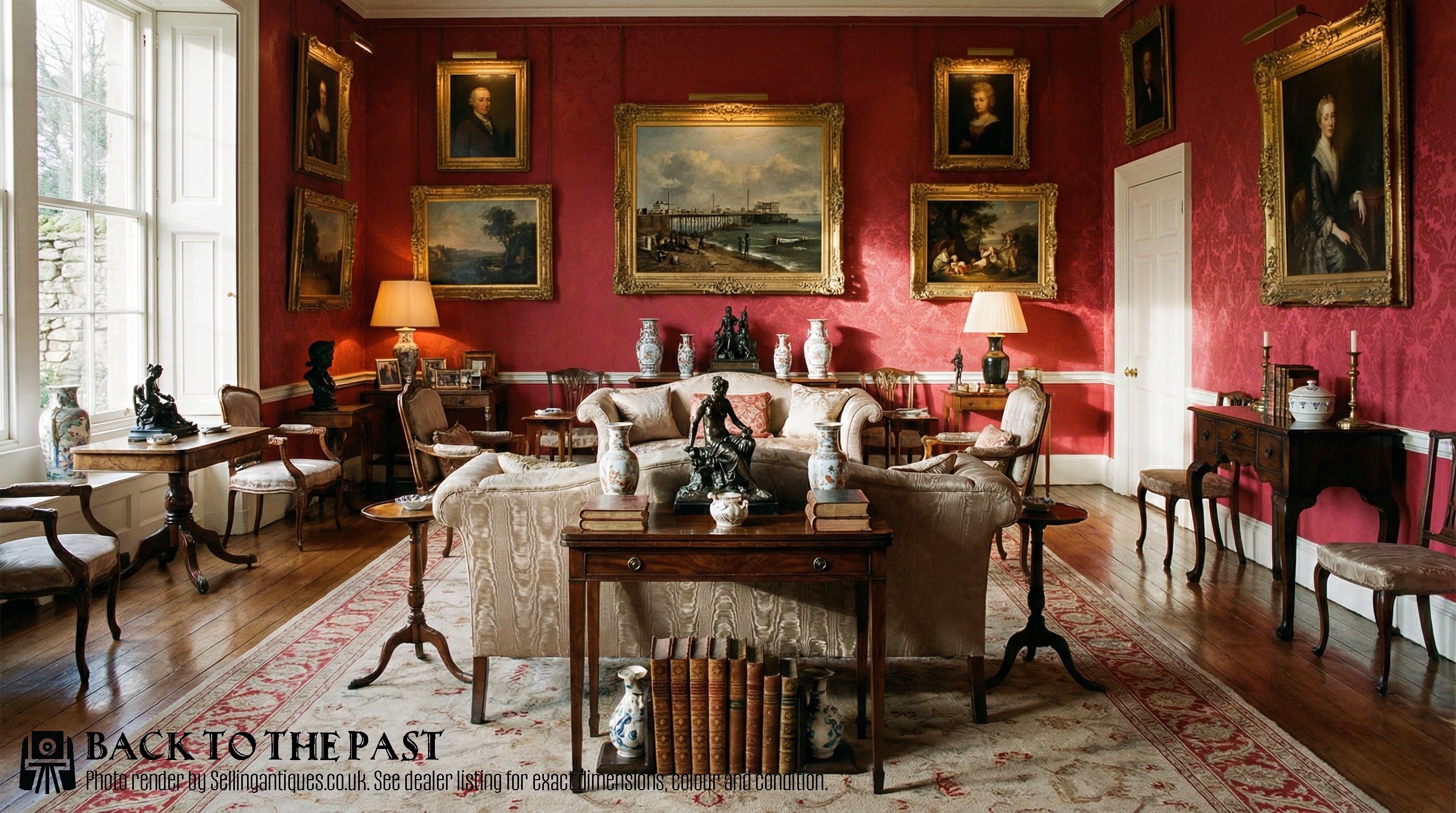
Georgian Oak Hall Table
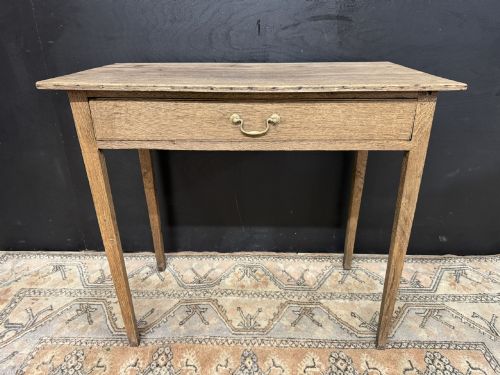
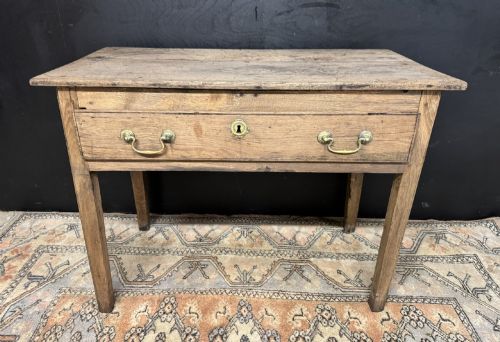
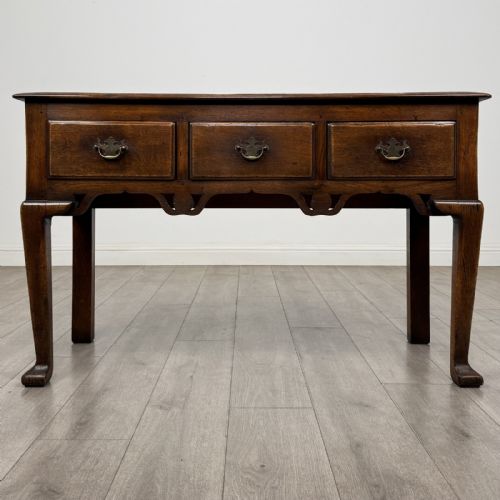
A georgian oak hall table encompasses side tables, lowboys, and occasional tables spanning the eighteenth century and into the nineteenth.
The pieces often double as lowboys with fitted drawers, or narrow console formats designed specifically for hallways and narrow spaces.
Makers utilised regional timbers, resulting in country pieces featuring plank tops, cabriole legs, or simple straight supports.
Materials and Construction
Carpenters relied primarily on solid oak, frequently augmented with secondary native hardwoods such as elm, ash, and yew for drawer linings and secondary panels.
Construction techniques include pegged mortise and tenon joints, hand-cut dovetails on drawer boxes, and applied geometric mouldings.
Surfaces exhibit natural timber grain, sometimes found bleached or finished with traditional wax polish.
Georgian Oak Hall Table Retail Price Guide 2026
Typical asking prices for georgian oak hall table among the pieces listed under this phrase on Sellingantiques today, from the lower quarter to the upper quarter. They describe what is for sale here now, not the wider market.
Some provincial drawers still hold forgotten eighteenth-century dust.
Assessing Quality
Quality rests in the crispness of the timber grain, the retention of original brass hardware, and the proportion of the legs relative to the top.
Earlier examples display tighter joinery and superior timber selection, whereas provincial country pieces lean towards heavier, more rustic proportions.
The Georgian Oak Hall Table Glossary
- Lowboy
- A small dressing or side table featuring one or more rows of drawers beneath a rectangular top. These resting tables typically stand on cabriole or straight legs.
- Dresser base
- A robust lower sideboard structure equipped with drawers and sometimes a potboard shelf beneath. These provide substantial storage in country settings.
- Geometric moulded
- A decorative front treatment utilising applied timber moulding to create panels and geometric patterns. This technique appears on early pieces.
- Cross banded
- A method of framing a table top with a border veneer laid across the grain. This adds visual contrast to the primary timber.
Georgian Oak Hall Table: Frequently Asked Questions
What is a lowboy?
A lowboy is a compact table equipped with drawers beneath the work surface, originally designed for dressing or writing.
In modern spaces, these function ideally as narrow hall tables or occasional surfaces.
How do I date an oak table?
Dating relies on observing construction methods, such as hand-cut dovetails and pegged joints, alongside timber patination.
Earlier eighteenth-century pieces often display distinct grain patterns and hardware placements compared to later nineteenth-century revivals.
Where should I place a hall table?
These narrow tables suit entrance halls, corridors, and tight spaces where floor area is restricted.
They offer a practical surface for post, lamps, or decorative objects without obstructing pathways.
What woods were used?
Makers constructed these primarily using native English oak, supplemented by elm, ash, and yew.
Secondary timbers often appear within drawer linings and internal framing components.