
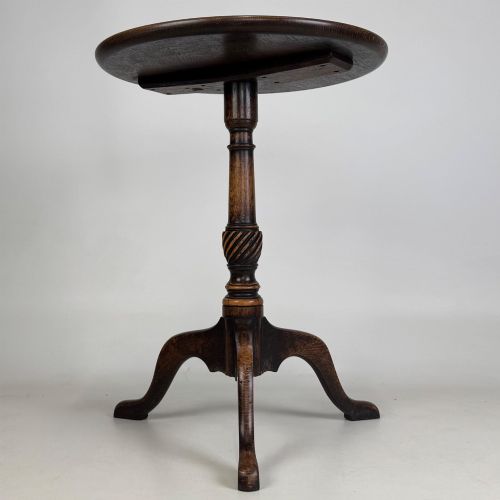
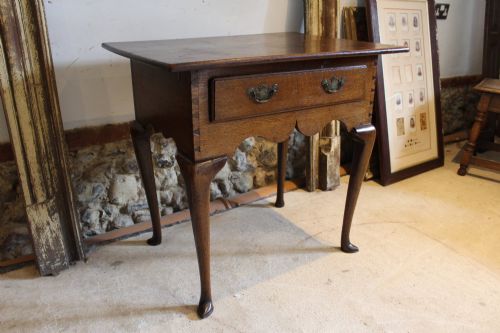
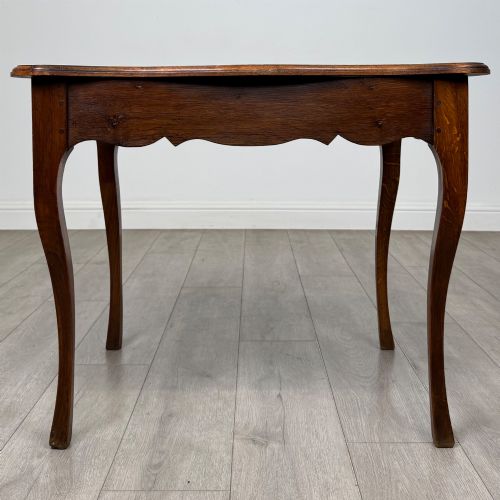
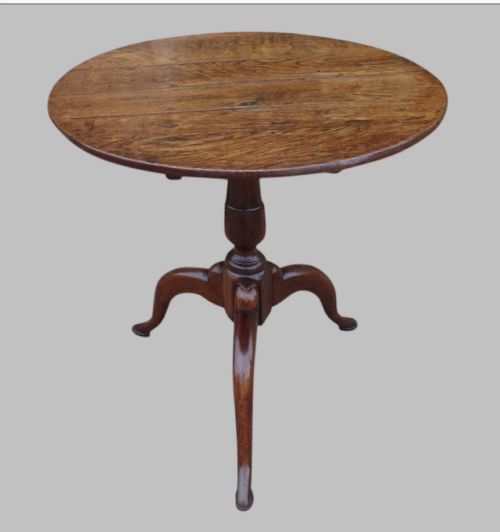
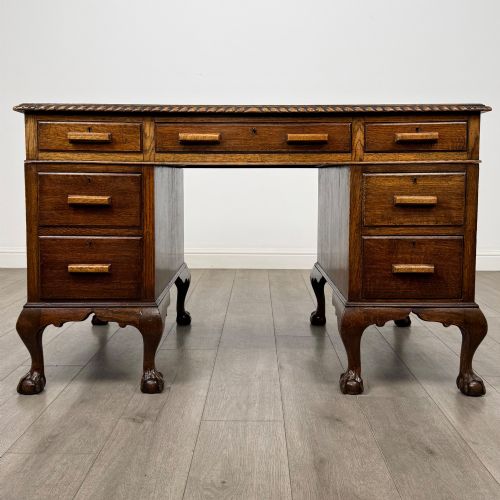
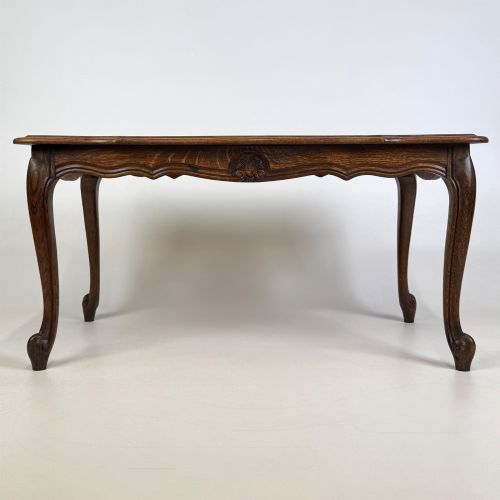
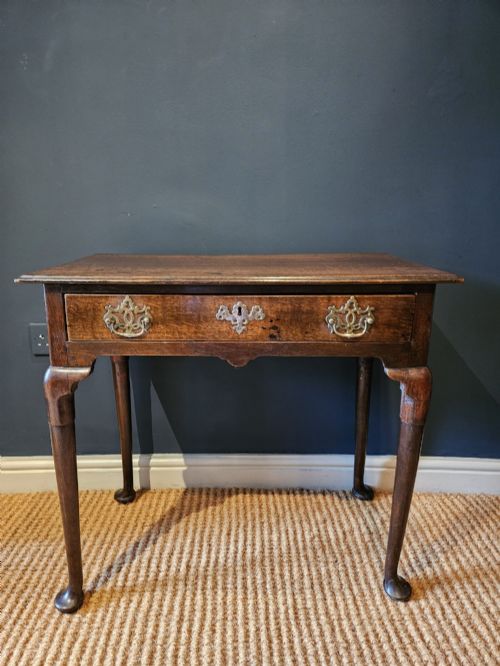
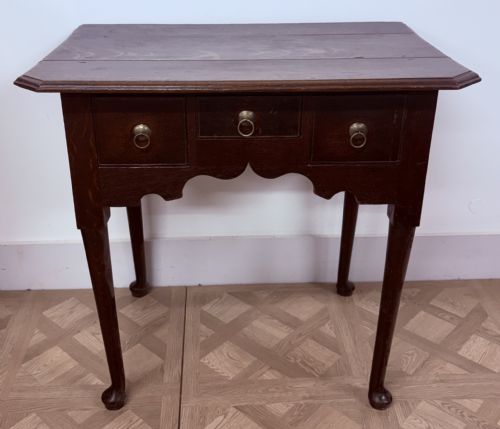
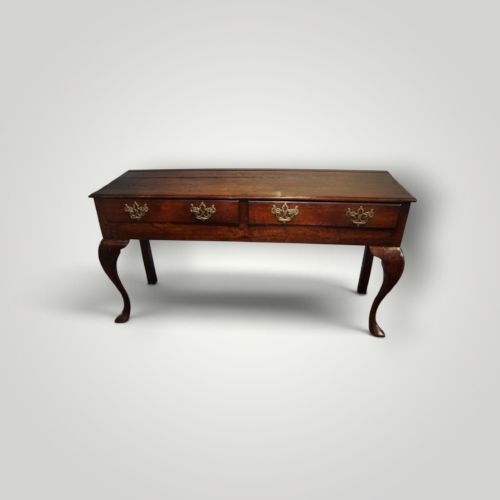
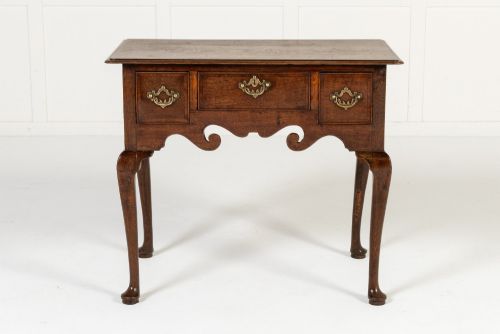
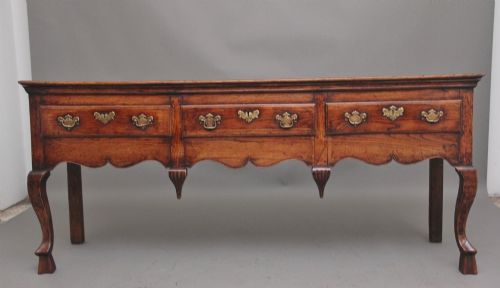
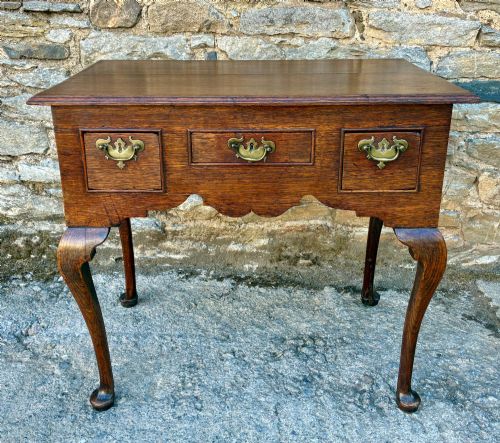
Oak Cabriole Leg Table
An oak cabriole leg table brings together sturdy timber and curved lines, offering a practical surface with distinct period character for your interior.
What these pieces are
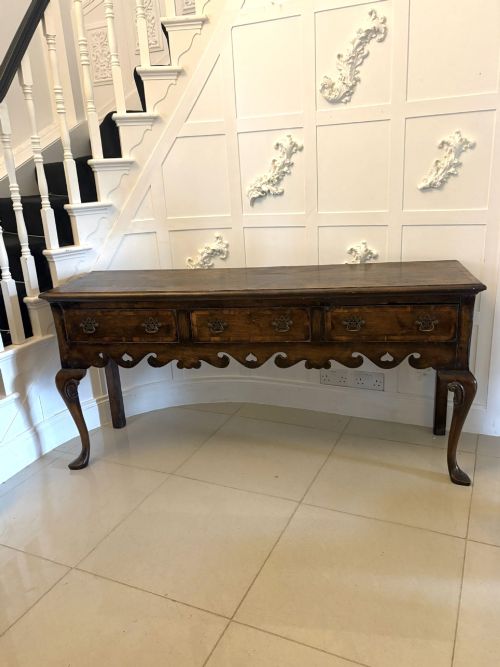
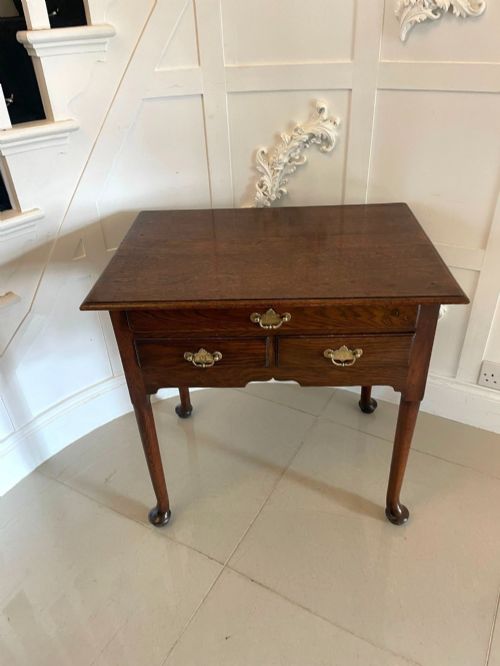
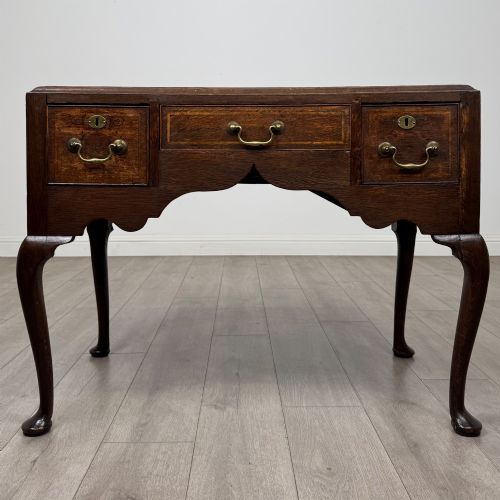
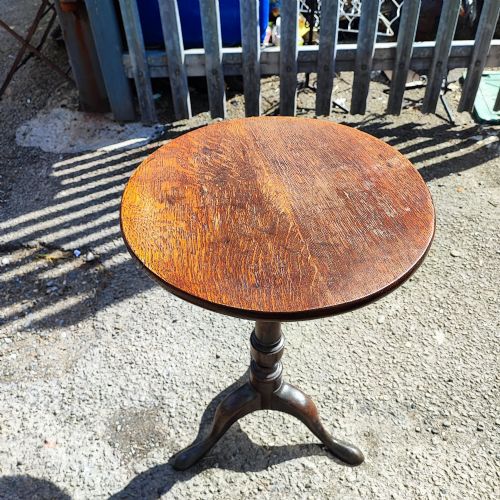
When you search for an oak cabriole leg table, you encounter a selection of historic furniture designed for daily use and formal display. The forms range from side tables and dresser bases to lowboys and sideboards, originating across the Georgian period and later revivals.
You are most likely to meet pieces dating from the eighteenth century alongside later Georgian style interpretations produced around nineteen hundred. These items utilise traditional timber construction, featuring single drawers or extended surfaces supported by curved legs.
How they were made
Cabinetmakers shaped the distinctive cabriole legs from solid wood, creating sweeping curves that taper toward the foot. Joinery methods of the period ensure stability across side tables, lowboys and dresser bases without relying on modern adhesives.
Retail Price Guide 2026
Typical UK retail prices for oak cabriole leg table, calculated from the Sellingantiques database of over a million retail prices indexed since 2003. This retail price guide relies exclusively on Sellingantiques data; no external sources or auction records are used, so the figures do not describe the wider market.
Listings for an oak cabriole leg table span the Georgian period, seventeen-fifty, and nineteen-hundred revivals, constructed in oak and brass.
What varies in quality
The distinction between standard examples and the finest work lies in the fluidity of the leg carving and the selection of timber. Superior pieces exhibit harmonious proportions where the curve of the leg integrates seamlessly with the apron and top.
Hand-cut joinery and the condition of the original oak surface define the upper tier of these items. Later revivals from the twentieth century often display different surface patination compared to genuine eighteenth-century constructions.
The Oak Cabriole Leg Table Glossary
- Cabriole leg
- A furniture leg featuring a double curve, swelling outward at the knee and tapering inward to the foot. This form mimics animal limbs and appears frequently on eighteenth-century tables.
- Lowboy
- A small oak or walnut dressing table with one or more drawers and long legs. These items served functional roles in bedrooms and parlours.
- Dresser base
- A low sideboard fitted with drawers, often supported on cabriole legs. They provide substantial surface area and storage.
- Georgian
- Pertaining to the reigns of the first four British monarchs named George, spanning the eighteenth century. Furniture from this era is characterised by classical proportions.
Frequently Asked Questions
How do I use a lowboy?
A lowboy serves as a compact surface for display or writing within a hallway, living room or bedroom. The single drawer provides convenient storage for small household items.
The modest proportions allow these tables to fit neatly against walls or behind seating without dominating the room.
Are these tables solid oak?
The listings show construction in solid oak and related timber throughout the historical periods represented. Cabinetmakers relied on this heavy wood for both structural framing and visible surfaces.
Over the centuries, the timber develops a distinct patination that reflects its age and handling.
How do I date a table?
Dating relies on observing construction techniques, joinery methods, and the style of the cabriole legs. Eighteenth-century examples display hand-tool marks and period-specific proportions.
Later revivals from around nineteen hundred imitate these earlier Georgian forms while often showing different surface wear and manufacturing consistency.
What is a dresser base?
A dresser base is a long, low table featuring multiple drawers and sturdy legs. These pieces functioned historically for food preparation and storage in domestic settings.
Today they operate effectively as sideboards or console tables in dining rooms and corridors.