



Early Georgian Lowboy
An early georgian lowboy is a compact side table or dressing table prized for its understated elegance and fine timber.
Identifying an early georgian lowboy
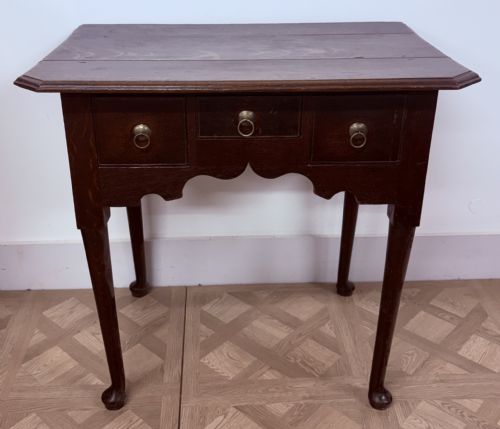
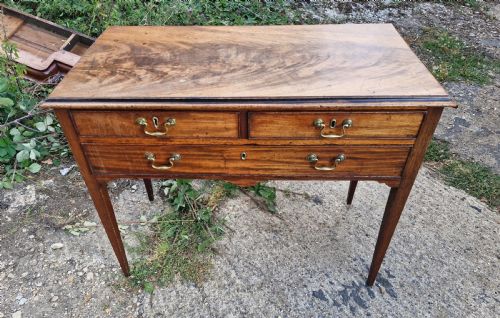
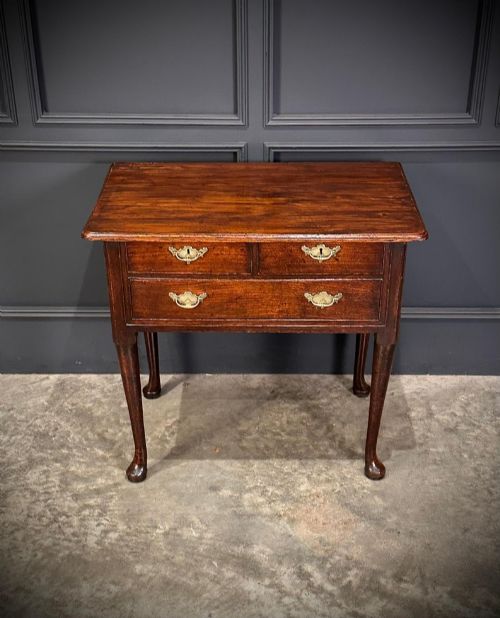
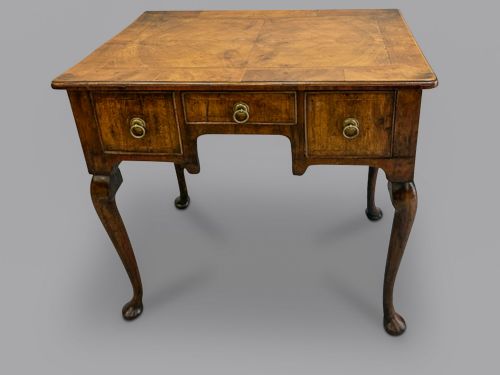
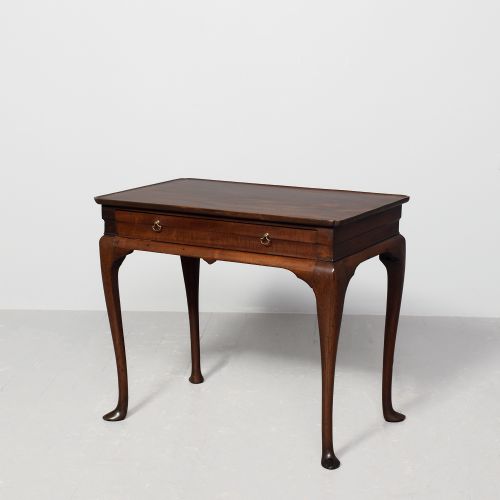
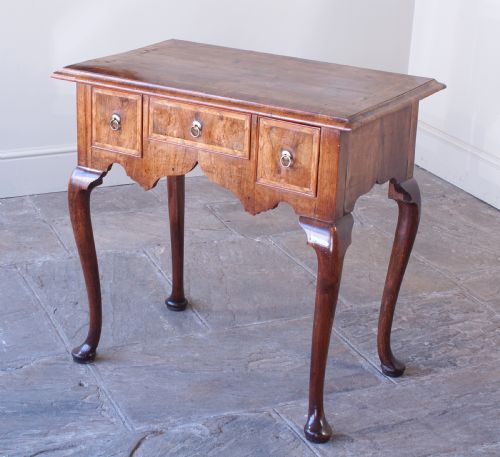
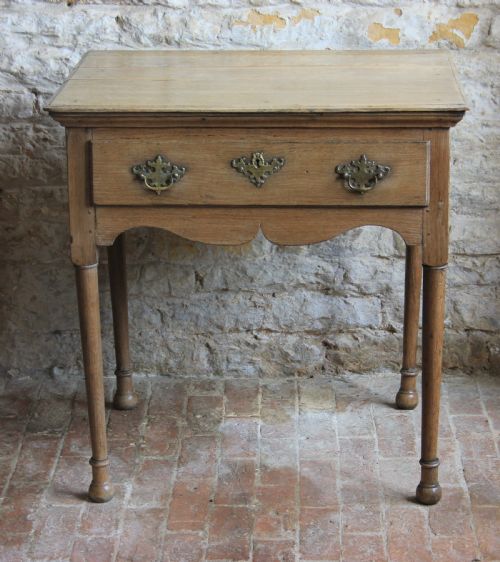
The early georgian lowboy is a low table fitted with drawers, originating in the eighteenth century during the reigns of George I and Queen Anne. These pieces function as side tables, hall tables or dressing tables within domestic interiors.
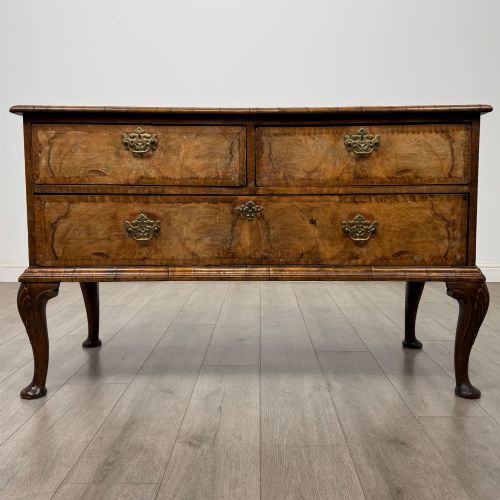
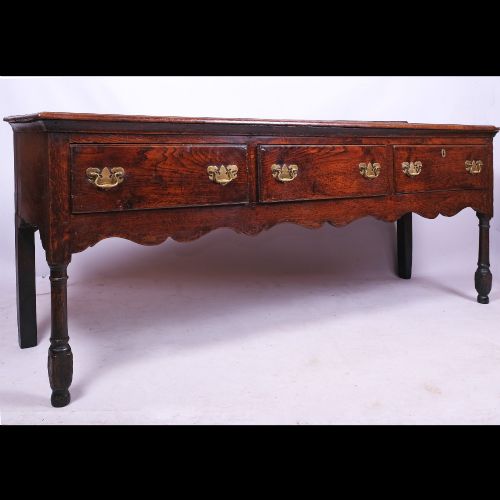
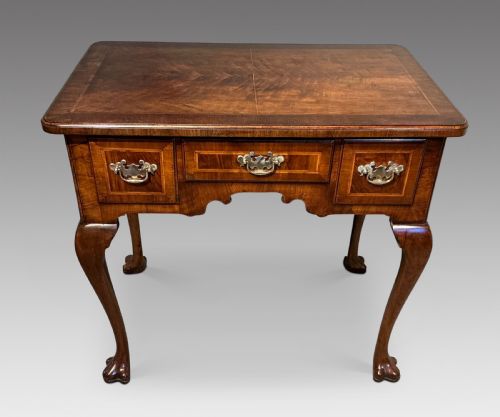
The listings show these lowboys appearing primarily in walnut, red walnut and oak, occasionally featuring figured grain. Alongside standard lowboys, the selection includes related forms such as side tables and chests on stands from the same period.
Most examples date from the early eighteenth century, around seventeen-twenty to seventeen-forty. They offer compact proportions that suit modern rooms while retaining authentic period character.

Materials and construction
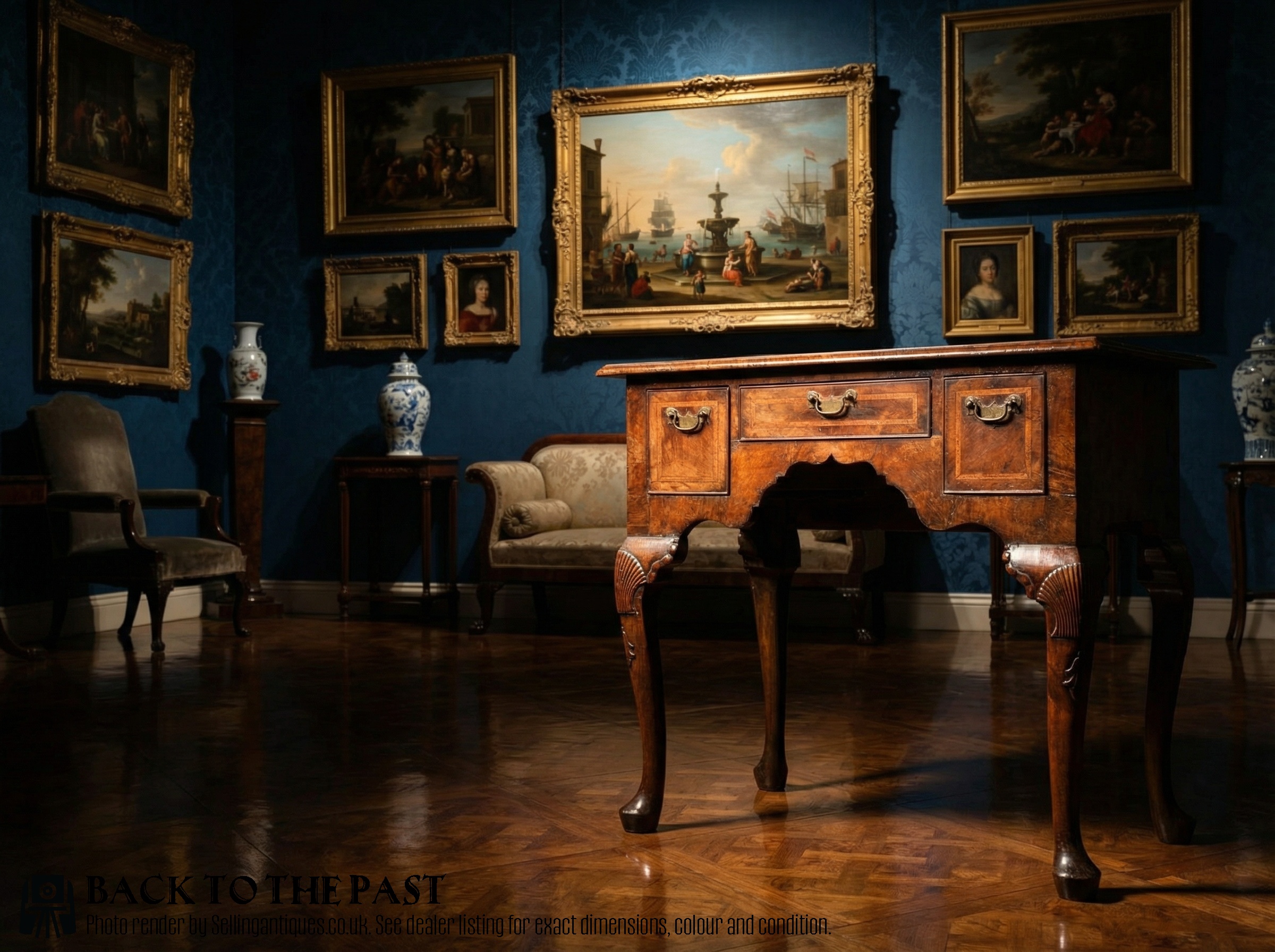
Cabinetmakers constructed these lowboys using solid timber and veneers, selecting walnut and oak for their structural strength and appearance. Figured walnut veneers create striking patterns across the drawer fronts and top surfaces.
Drawer construction and leg joinery rely on traditional eighteenth-century methods. Brass handles and escutcheons complete the drawer fronts, providing functional hardware that complements the timber.
Retail Price Guide 2026
Typical UK retail prices for early georgian lowboy, calculated from the Sellingantiques database of over a million retail prices indexed since 2003. This retail price guide relies exclusively on Sellingantiques data; no external sources or auction records are used, so the figures do not describe the wider market.
Judging quality in early tables
Quality rests in the choice of timber and the preservation of original surfaces. Figured walnut with rich depth distinguishes the finest examples from plainer oak versions.
Proportion and subtlety of form separate superior pieces. Tables retaining their original brass hardware and untouched patination command greater appreciation among collectors.
The Early Georgian Lowboy Glossary
- Walnut
- A dense, dark hardwood prized for its rich grain and utilised extensively for fine furniture during the early eighteenth century. Figured varieties display decorative swirling patterns.
- Oak
- A strong, durable native timber used for robust provincial furniture and carcase construction during the georgian period. It provides a paler, highly grained alternative to walnut.
- George I
- The stylistic period spanning the reign of the first Hanoverian monarch, characterised by restrained carved decoration and graceful cabriole legs. Furniture from this era often employs walnut.
Frequently Asked Questions
What is an early georgian lowboy used for?
These tables served primarily as dressing tables for personal grooming or as side tables in living spaces and halls. Today, they function well as compact desks or decorative accent tables.
Their shallow depth allows them to sit comfortably in hallways and narrow rooms without obstructing pathways.
How do I tell oak from walnut lowboys?
Walnut furniture typically displays a darker, warmer brown tone with intricate grain patterns, especially when figured veneers are applied. Oak presents a paler, coarser grain structure with characteristic medullary rays.
Oak lowboys often suggest a more provincial origin, whereas walnut pieces frequently reflect more refined urban cabinetmaking.
Are all lowboys from the eighteenth century?
The authentic forms originate in the eighteenth century, spanning the reigns of Queen Anne and George I. The materials and construction methods reflect the hand-tool techniques of this era.
Careful inspection of the timber joints and drawer linings helps confirm the period of manufacture.
Where should I place a lowboy at home?
A lowboy suits a hallway as a lamp table, a bedroom as a dressing table, or a living room as a side table. Its modest height and compact footprint make it versatile for various rooms.
Placements away from direct sunlight and heat sources protect the historic timber and polish.