
Georgian Oak Writing Table
A georgian oak writing table brings centuries of practical craftsmanship and rich provincial character into a modern interior.
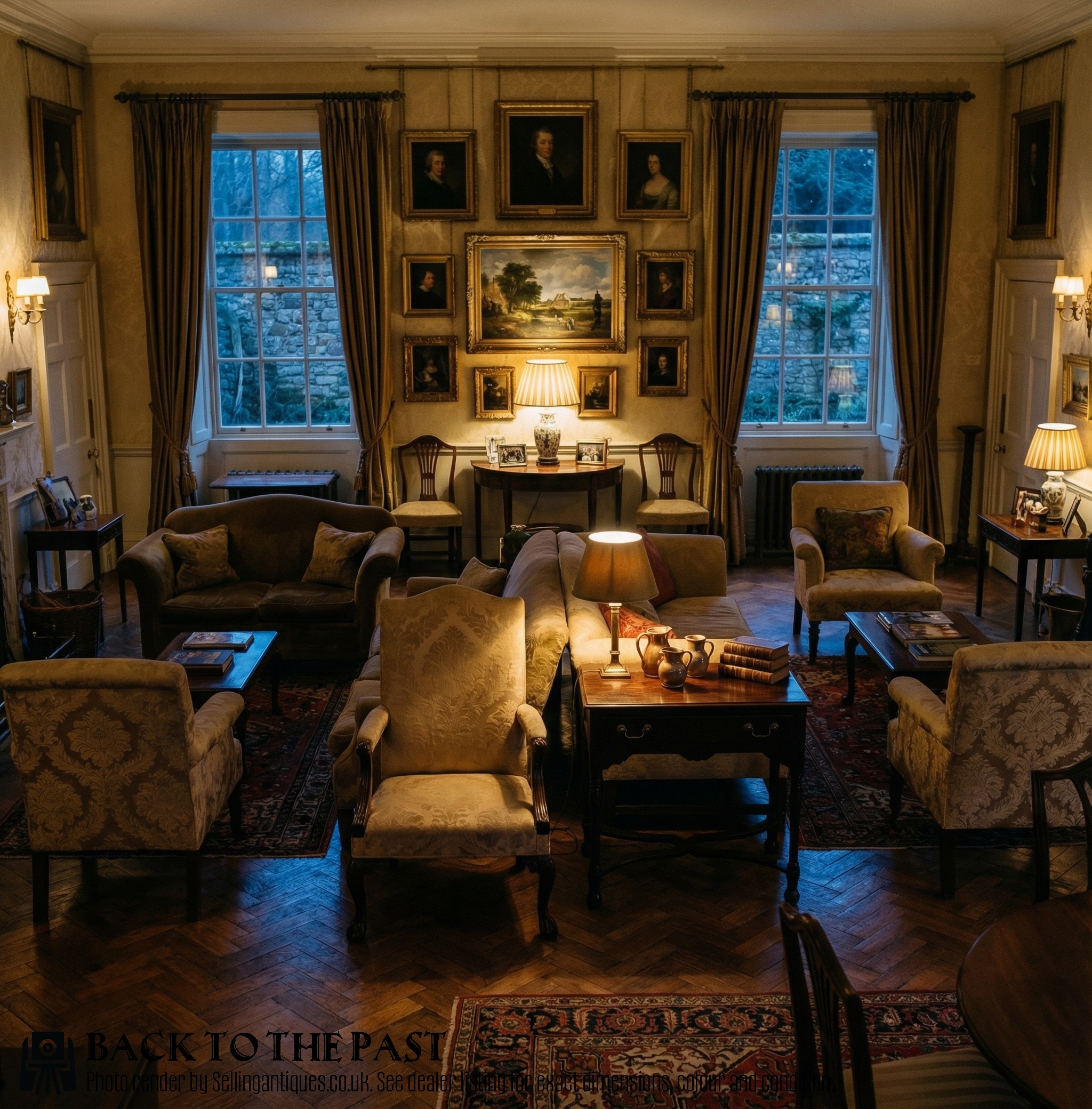
Georgian Oak Writing Table
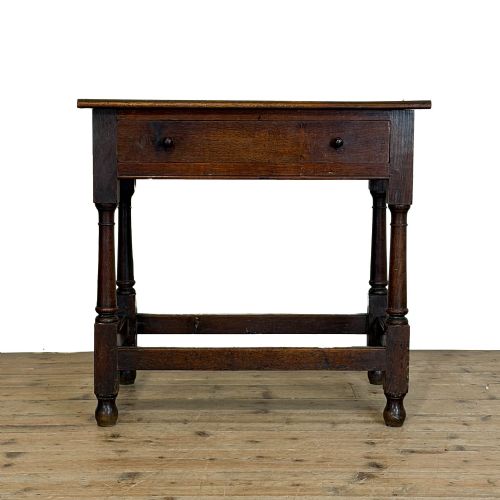
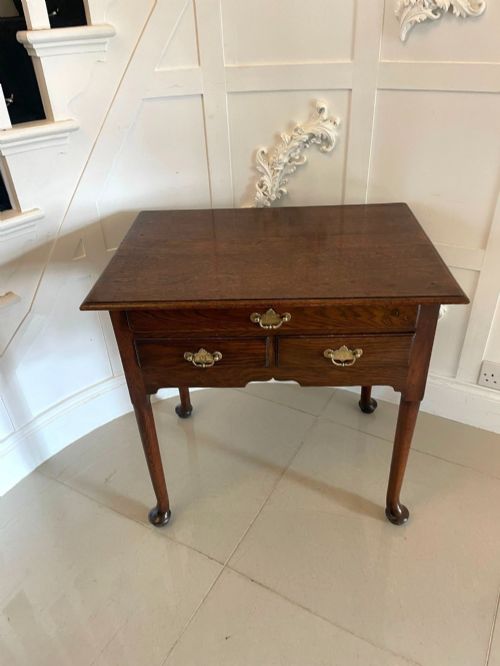
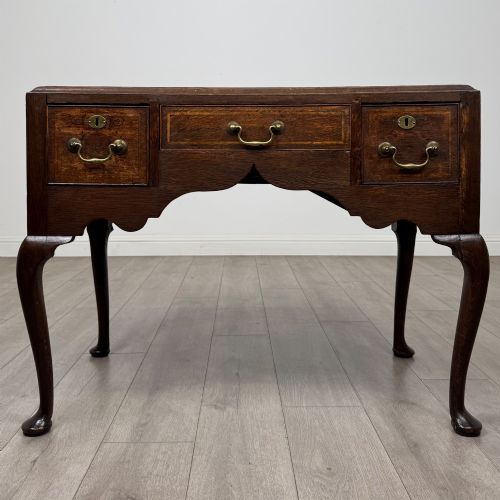
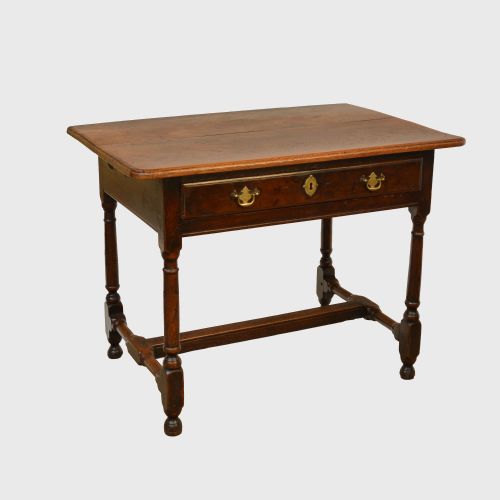
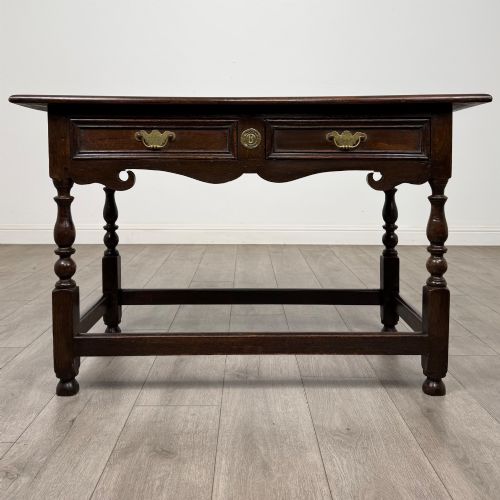
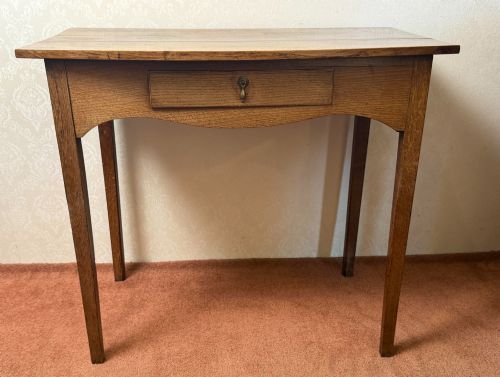
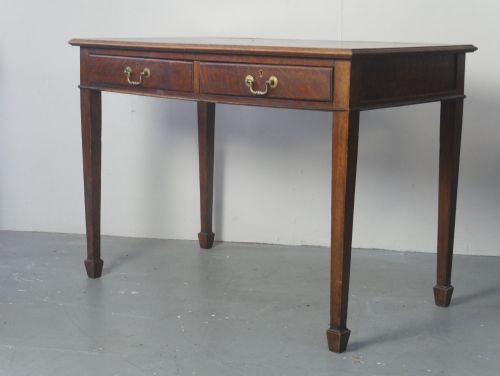
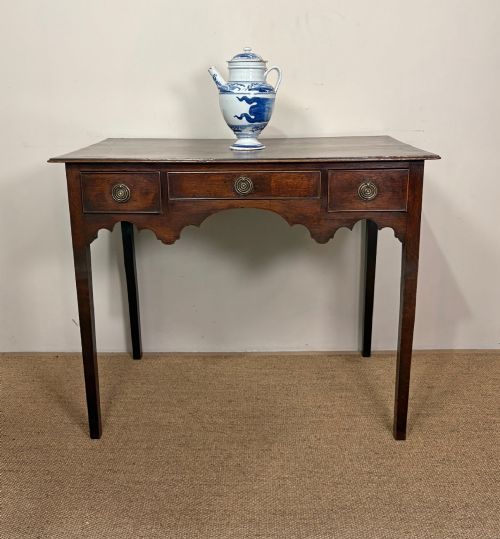
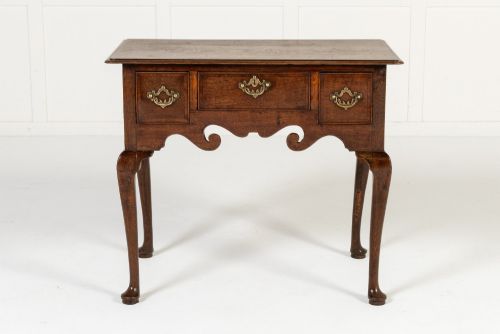
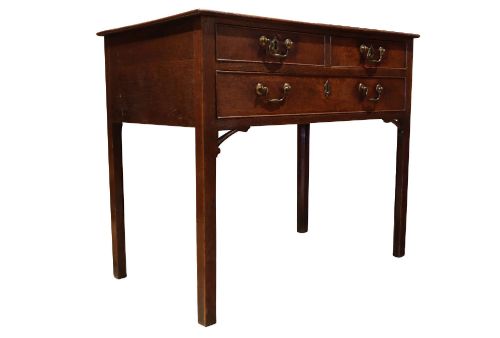
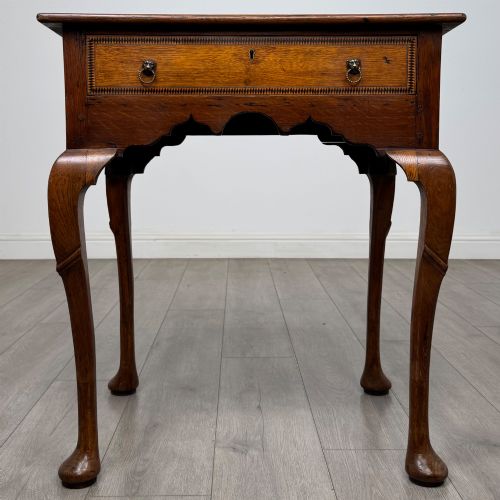
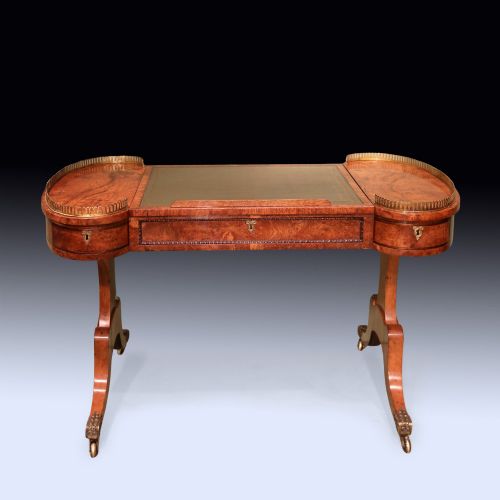
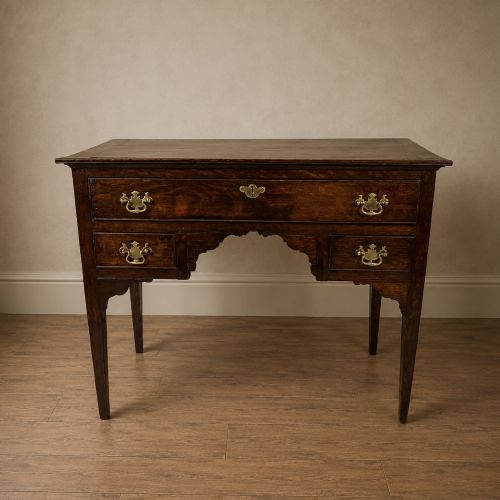
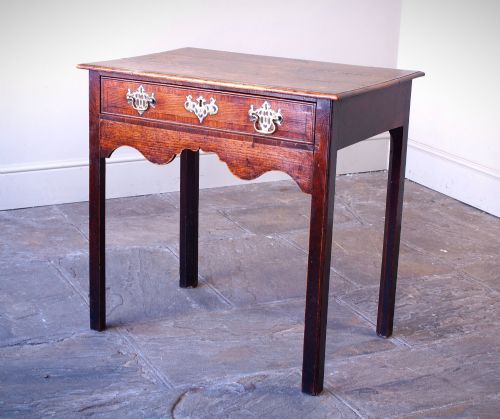
A georgian oak writing table typically presents as a compact surface designed for correspondence, often sharing its architectural footprint with lowboys, side tables, and occasional desks. These pieces span the eighteenth and nineteenth centuries, emerging from English and Welsh country houses as functional furniture for daily administration.
The versions most commonly met in daily browsing include provincial lowboys featuring single or multiple drawers, alongside straightforward writing desks from the George III and Regency periods. Secondary timbers such as elm, ash, and walnut frequently appear alongside the primary oak, revealing regional traditions and local cabinet-making habits.
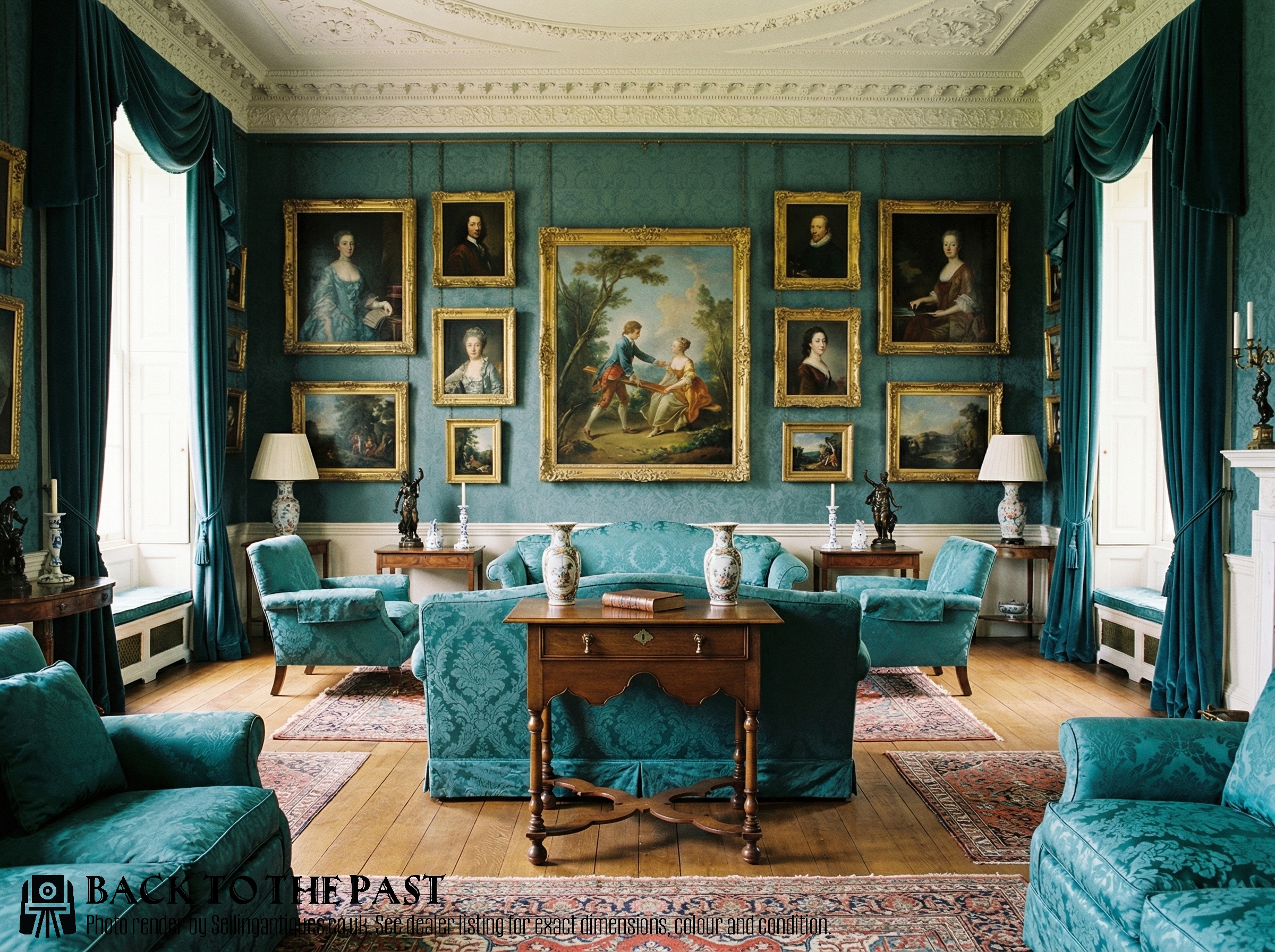
Materials and construction
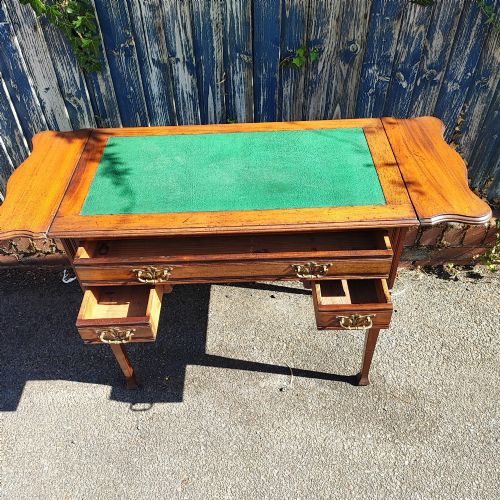
Cabinet-makers relied primarily on solid oak for frames and drawer linings, occasionally employing burr oak, pollard oak, or mahogany for top surfaces and decorative crossbanding. These timbers were worked by hand using traditional jointing methods, yielding sturdy joints and robust carcasses designed to withstand heavy daily use.
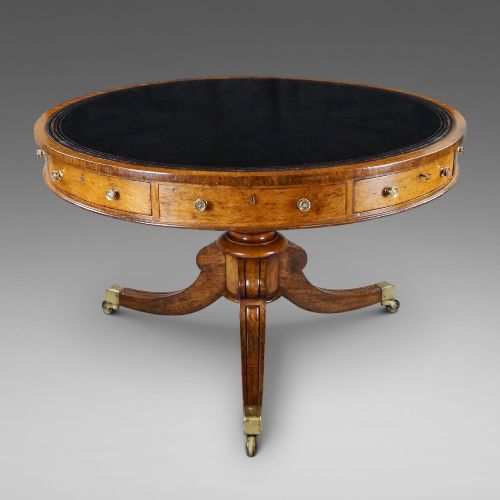
Additional materials like leather inserts, brass drop handles, and turned bobbin legs appear across various examples, demonstrating how makers adapted standard forms to suit shifting domestic fashions.
Georgian Oak Writing Table Retail Price Guide 2026
Typical asking prices for georgian oak writing table among the pieces listed under this phrase on Sellingantiques today, from the lower quarter to the upper quarter. They describe what is for sale here now, not the wider market.
Several examples feature wonderfully stubborn drawers that still stick slightly on damp mornings.
Assessing quality
Quality rests heavily on the selection of timber and the crispness of the hand-carved or turned details, where closely figured oak and balanced proportions elevate a piece above standard utility items. The integration of original brass hardware and clean interior drawer construction speaks directly to the skill of the original maker.
Provincial variations also influence desirability, as pieces retaining their original pale surfaces, untouched patination, or regional Welsh characteristics command greater attention from serious collectors.
Gillows
The Georgian Oak Writing Table Glossary
- Lowboy
- A small table with one or more drawers, commonly used as a dressing or writing surface in eighteenth-century interiors. These low-standing tables often feature graceful cabriole or straight square legs.
- Crossbanding
- A decorative border technique where thin strips of veneer are laid around the edges of a tabletop so the grain runs perpendicular to the main panel. This frames the primary timber with a contrasting geometric boundary.
- Bobbin turned
- A style of furniture leg or stretcher shaped on a lathe to resemble a series of rounded wooden bobbins or spools linked end to end. It is frequently seen on seventeenth and eighteenth-century country pieces.
- Burr oak
- A specialised timber cut from the abnormal growths on oak trees, yielding swirling, knotty grain patterns prized for decorative surfaces. It brings exceptional visual depth to tabletops and drawer fronts.
- Provincial
- A term describing furniture made in regional workshops outside London, characterised by sturdy local materials and practical, unpretentious construction.
Georgian Oak Writing Table: Frequently Asked Questions
How were these tables used originally?
These tables served primarily as compact workspaces for letter writing, household accounting, and managing correspondence in country houses. Their modest footprints allowed them to sit comfortably in studies, bedrooms, or entrance halls.
Over time, owners adapted them for various domestic tasks, using the integrated drawers to store papers, inkwells, and small personal items.
Where should I place a lowboy?
A lowboy fits naturally into entrance hallways, living rooms, or bedrooms where a large desk might overwhelm the available floor space. Their low height and shallow depth make them exceptionally versatile for narrow walls.
Pairing one with a simple chair or leaving the surface clear beneath a mirror allows the timber grain and period proportions to stand out as a focal point.
How do I care for antique oak?
Maintaining antique oak involves keeping the timber away from direct heat sources and strong sunlight, which can dry out the wood and fade the natural patination. Regular dusting with a dry, soft cloth preserves the finish.
Applying a traditional beeswax polish occasionally helps nourish the grain and protects the surface without building up synthetic residues.
How can I tell a George III table?
George III pieces often display restrained classical proportions, straight square legs, and well-figured oak panels constructed with traditional hand-cut dovetails. The hardware and structural joinery generally reflect late eighteenth-century cabinet-making standards.
Examining the secondary timbers inside the drawer boxes and the overall wear patterns helps confirm the period origins against later nineteenth-century revivals.