

18th Century Oak Side Table
An 18th century oak side table brings domestic utility and sturdy craft from centuries past into a modern room.
18th Century Oak Side Table
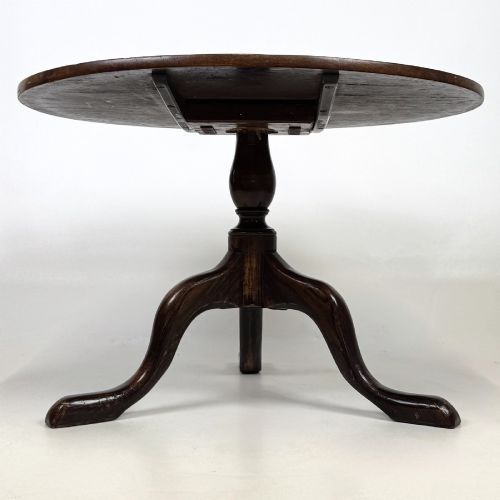
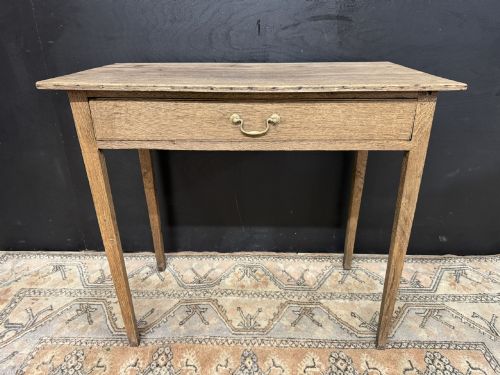
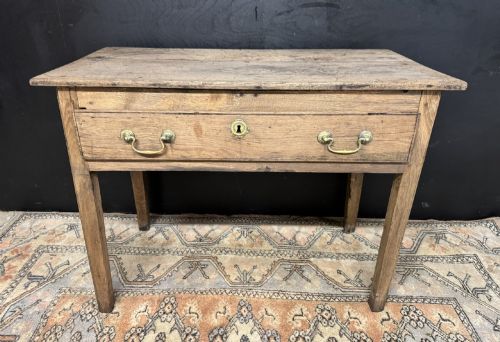
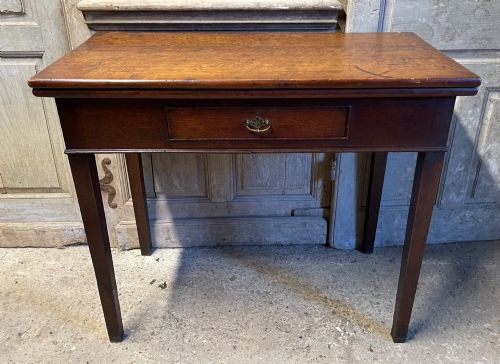
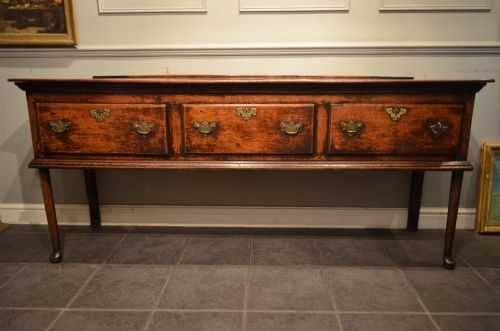
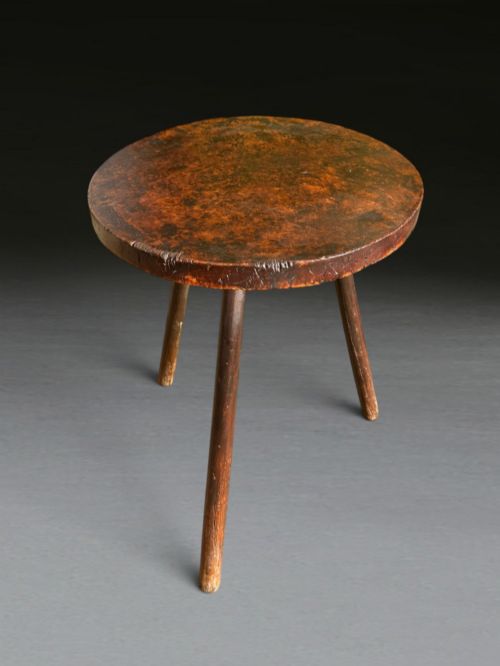
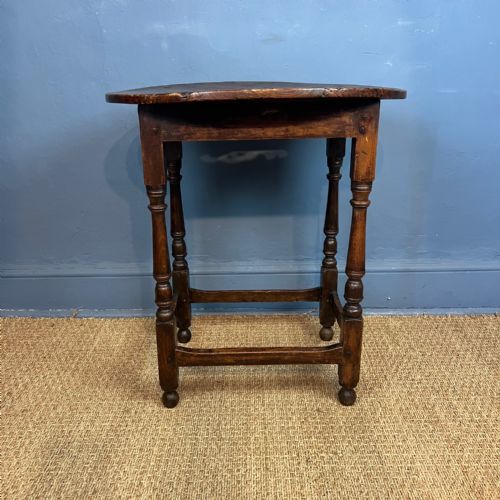
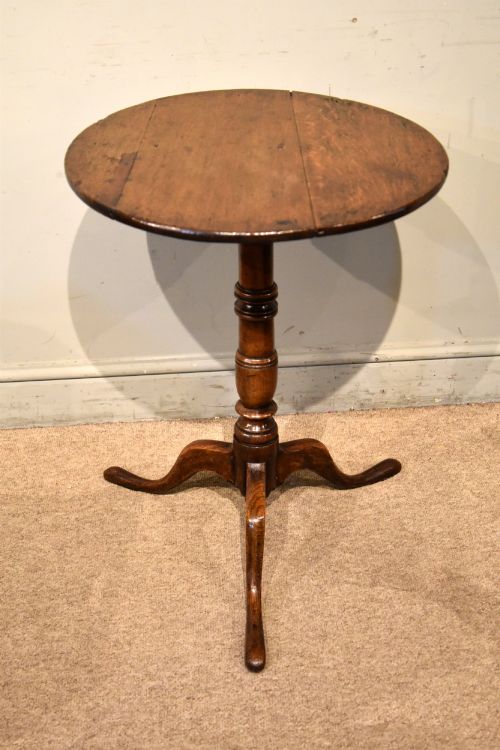
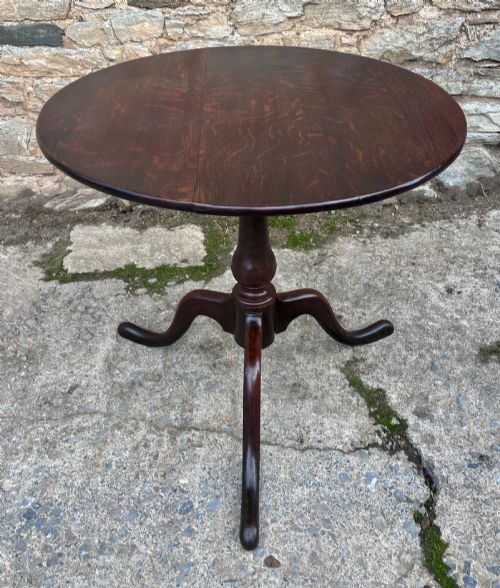
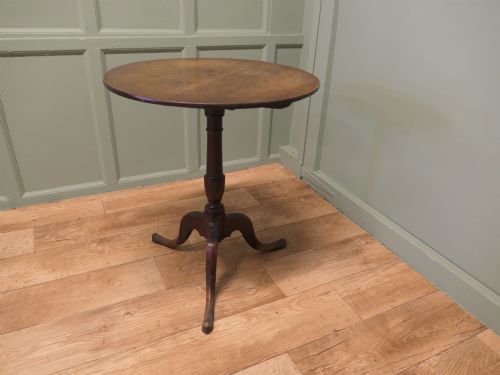
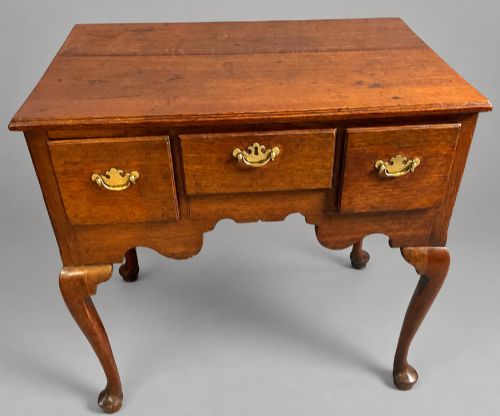
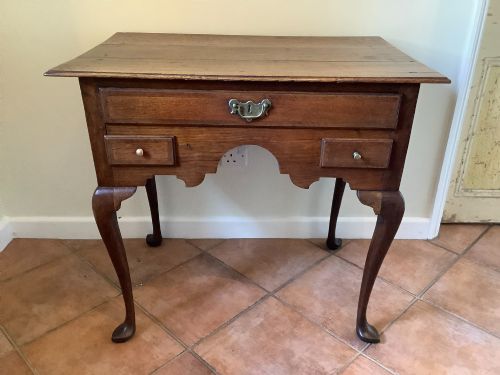
When searching for an 18th century oak side table, buyers encounter functional pieces designed for daily household use during the Georgian and Queen Anne periods. These utilitarian objects include lowboys with drawers, cricket tables with three legs, and gateleg drop-leaf tables created to adapt to changing room layouts.
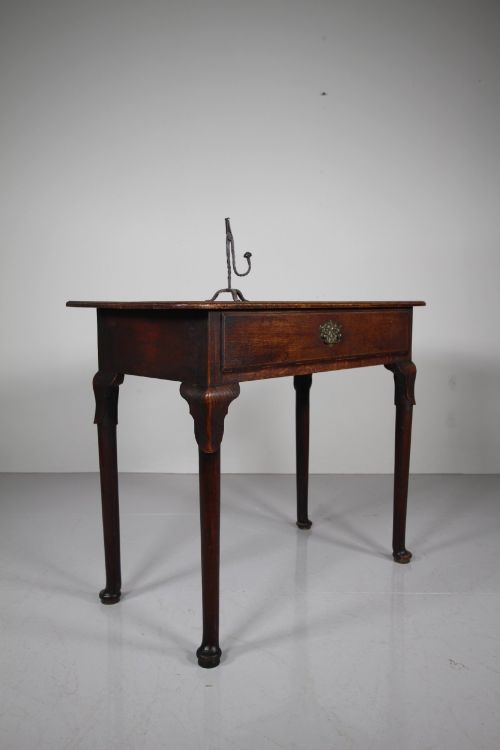
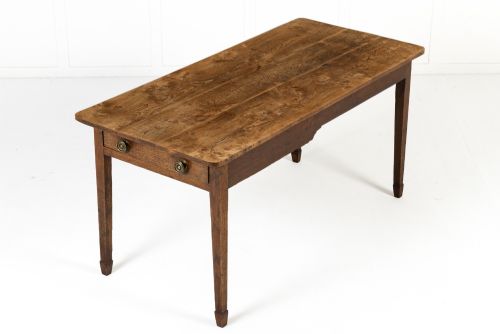
The version most commonly met on this page is the lowboy, a compact table featuring one or more drawers and standing on cabriole or straight legs. Alongside these, regional country pieces appear frequently, showing the plain vernacular styles favoured by provincial English makers utilising local timber.
Materials and Construction
Makers built these tables primarily using solid oak, often supplemented with secondary woods such as elm, fruitwood, and yew found in regional country pieces. Timbers were locally sourced, quarter-sawn in earlier periods to expose the characteristic grain figure, and joined using traditional peg and mortise techniques.
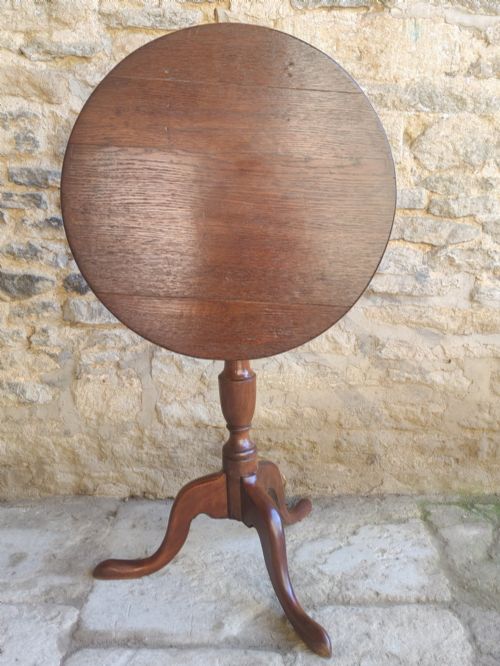
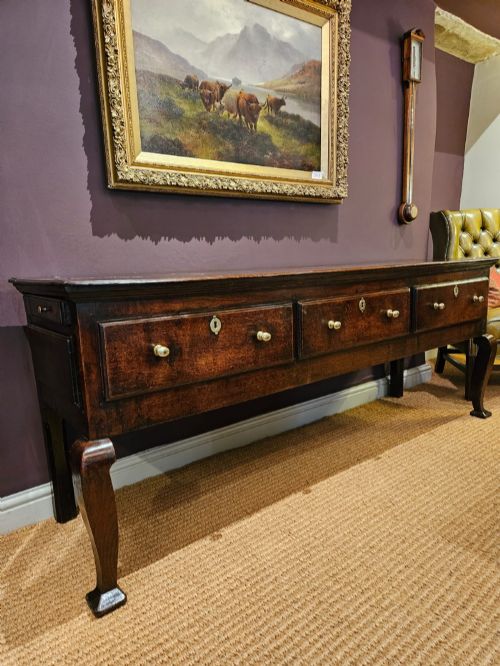
Drawer construction typically involved hand-cut dovetails, while hardware relied on brass pull handles and iron hinges. Tables designed for folding functions utilised hinged gateleg frames or tilting mechanisms supported by sturdy pivot joints.
18th Century Oak Side Table Retail Price Guide 2026
Typical asking prices for 18th century oak side table among the pieces listed under this phrase on Sellingantiques today, from the lower quarter to the upper quarter. They describe what is for sale here now, not the wider market.
What Varies in Quality
Quality in these tables depends heavily on the integrity of the timber and the restraint shown in any historical repairs or surface changes. Untouched surfaces retaining a natural patina and original hardware stand apart from pieces with heavy sanding or replaced elements.
Proportion and the execution of structural details also divide ordinary examples from finer items. Well-formed cabriole legs, crisp drawer dovetailing, and balanced proportions mark the work of more skilled provincial and metropolitan cabinet makers.
The 18th Century Oak Side Table Glossary
- Lowboy
- A small table with one or more drawers, commonly used as a dressing table or side table in the 18th century.
- Cricket table
- A small, lightweight circular table supported on three legs, often featuring a triangular lower shelf.
- Gateleg table
- A drop-leaf table with hinged legs that swing out to support the opened leaves.
- Cabriole leg
- A furniture leg that curves out and then in, resembling the leg of an animal.
- Vernacular furniture
- Domestic objects made by local craftsmen for everyday use, following regional traditions rather than high-style court designs.
18th Century Oak Side Table: Frequently Asked Questions
What is a lowboy used for?
A lowboy served multiple domestic functions in an 18th century interior, acting as a small writing desk, a dressing table with storage for personal items, or a side table for lighting.
Today, these versatile pieces function well in entrance halls or living rooms as display surfaces with convenient drawer storage.
How do I identify a cricket table?
Cricket tables feature three splayed legs and a circular top, an arrangement that kept the table stable on uneven stone or rush-covered floors.
Many examples include a triangular under-tier shelf positioned between the legs for added rigidity.
Did they use solid oak?
Makers constructed these tables from solid oak timber, frequently pairing it with secondary woods like elm and fruitwood in country workshops.
Solid construction allowed these utilitarian surfaces to endure heavy daily use across generations.
How do I distinguish regional styles?
Regional furniture often displays simpler construction details and alternative timber choices, such as fruitwood or yew, depending on local availability.
Metropolitan pieces during the same decades tended to follow formal Georgian or Queen Anne design rules more strictly.