
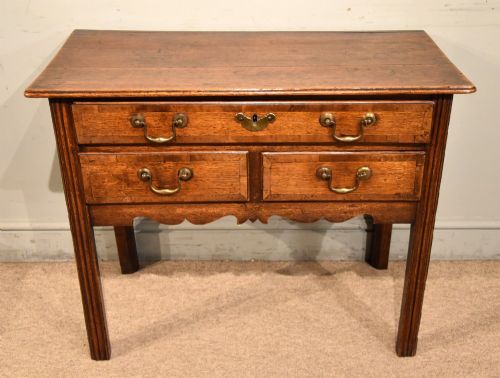
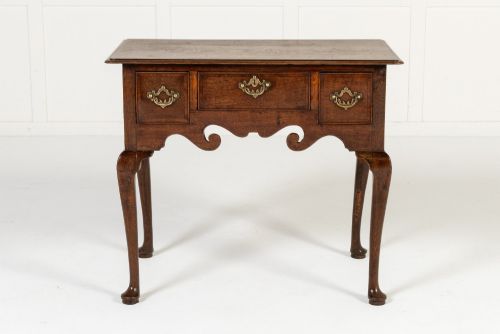
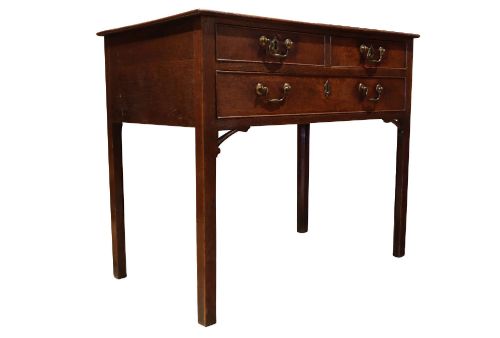
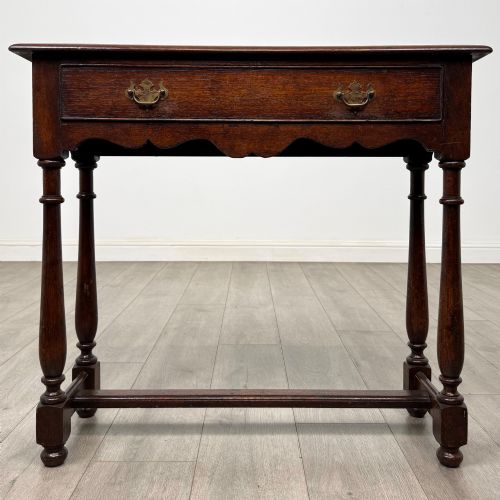
Antique Oak Lowboy Desk
An antique oak lowboy desk is a compact, fitted table designed for writing and personal storage, prized for its timber character and versatility in smaller rooms.
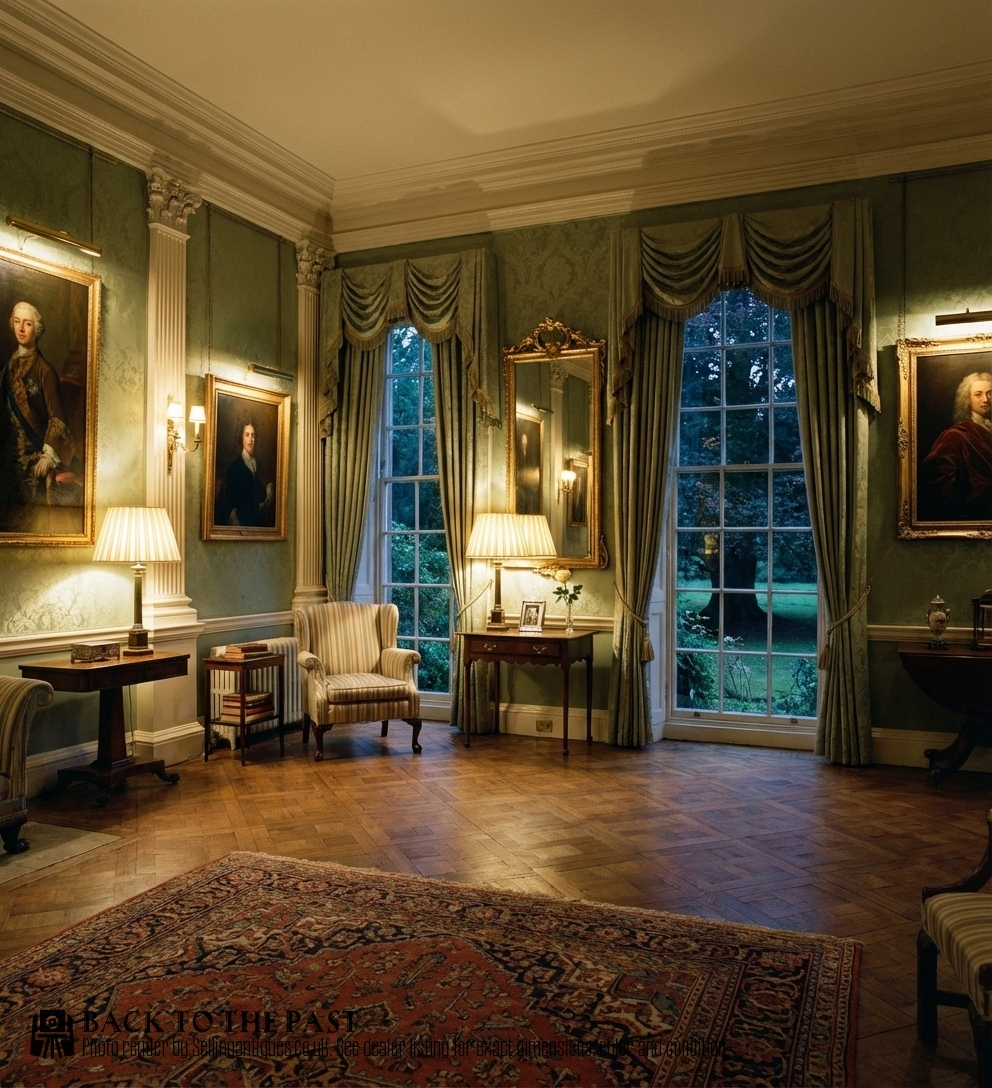
Understanding the antique oak lowboy desk
An antique oak lowboy desk combines the proportions of a side table with integrated drawer storage, offering a practical surface for correspondence. When searching for an antique oak lowboy desk, buyers encounter forms that double as side tables, console tables, and study desks.
The pieces appearing on this page span the Georgian and Victorian eras, ranging from early eighteenth-century examples to late nineteenth-century interpretations. English and Welsh origins predominate among the listings, reflecting regional variations in country workshop traditions.
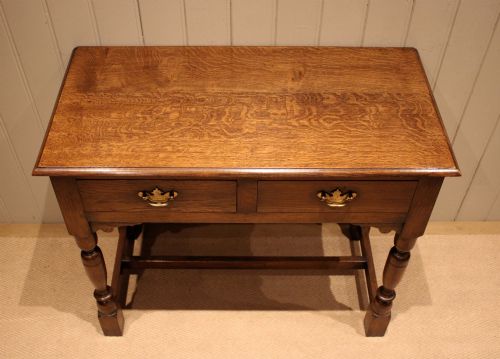
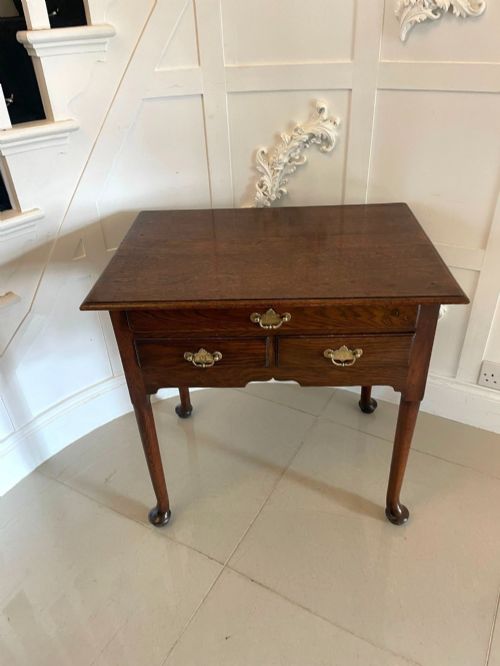
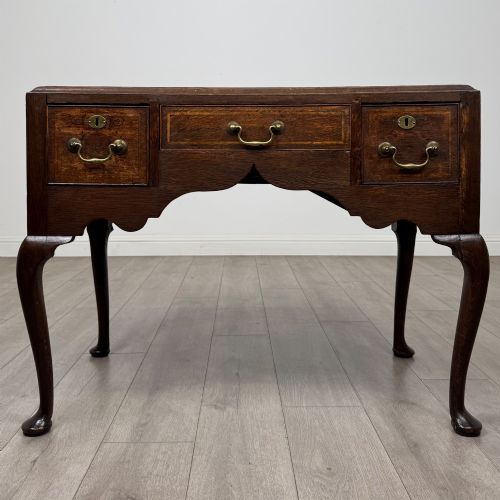
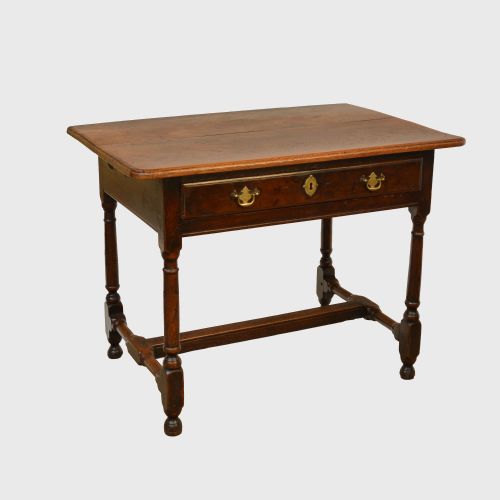
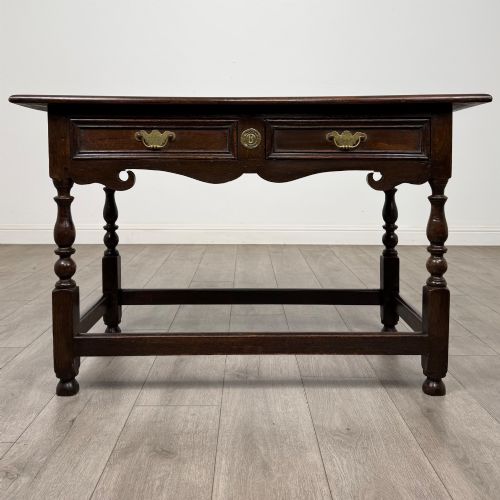
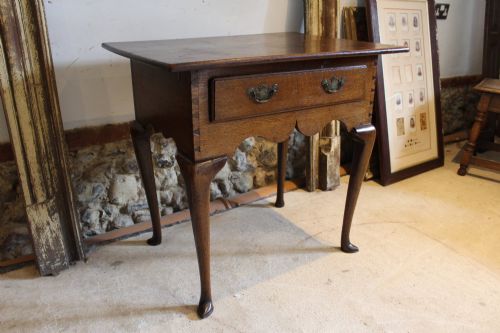
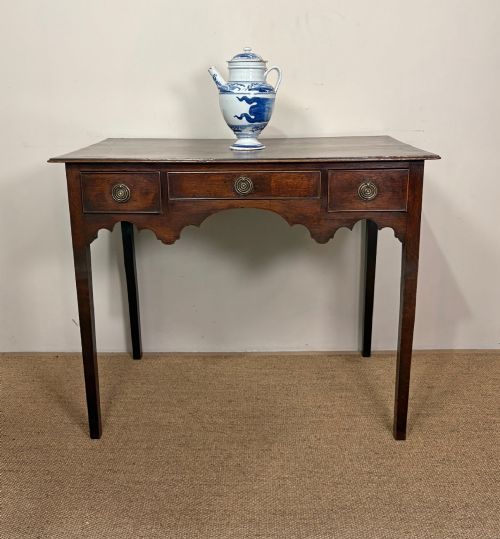
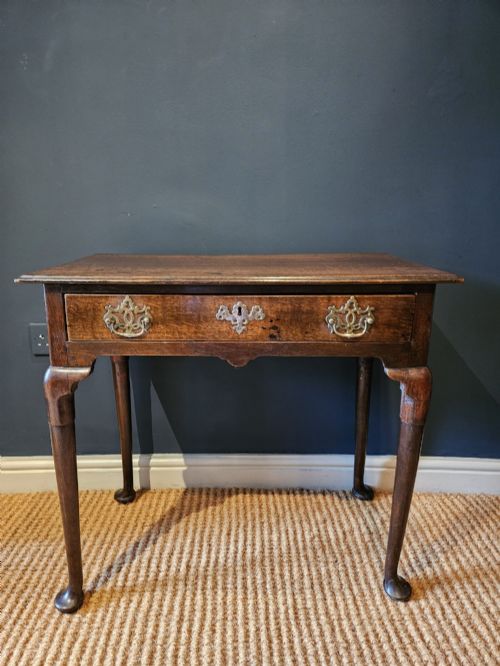
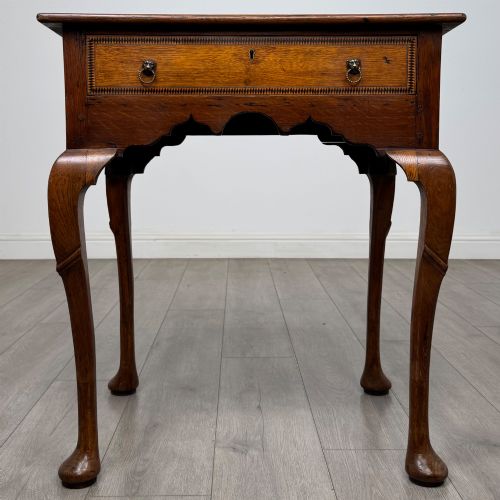
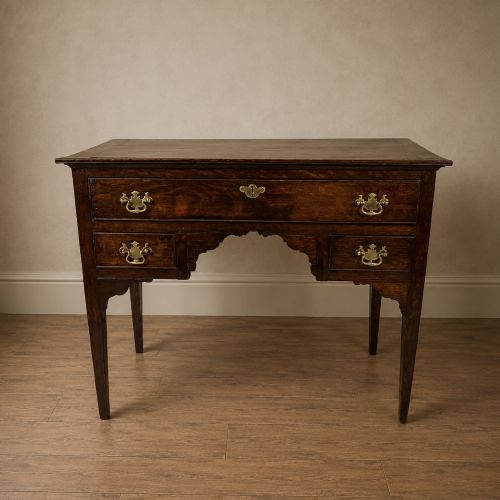
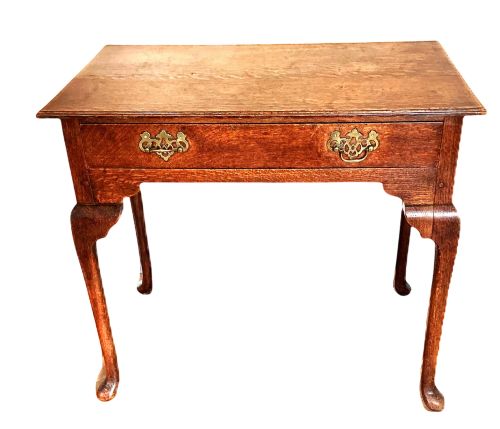
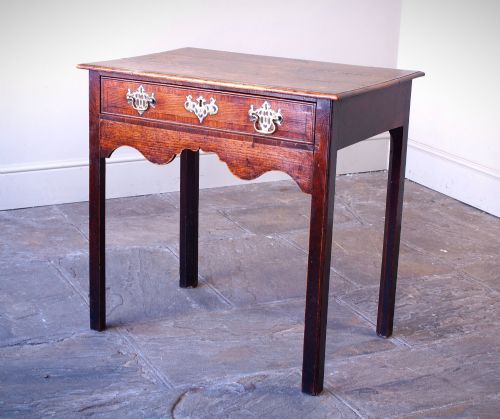
Most examples present a rectangular top above a configuration of drawers, often supported by tapering or cabriole legs. The dual identity as both a side table and a low desk means these forms fit easily into modern hallways, living rooms, and studies.
Materials and construction
Construction relies primarily on solid oak, selected for its durability and prominent grain pattern, sometimes complemented by secondary woods like walnut for drawer linings or crossbanding. Cabinet makers shaped these timbers using hand tools, joining panels with mortise and tenon joints to withstand decades of daily use.
Hardware consists of cast brass handles and escutcheons, which secure the drawers and punctuate the warm tone of the aged timber. Surface finishes develop through decades of waxing and handling, leaving a soft patina that highlights the natural figuring of the oak.
Retail Price Guide 2026
Typical UK retail prices for oak lowboy desk, calculated from the Sellingantiques database of over a million retail prices indexed since 2003. This retail price guide relies exclusively on Sellingantiques data; no external sources or auction records are used, so the figures do not describe the wider market.
Listings on this site span the Georgian and Victorian periods, constructed primarily in solid oak with brass hardware.
Distinctions in quality
Quality rests in the crispness of the drawer joinery and the integrity of the timber, where finer examples display thoughtful grain matching across the drawer fronts and top panels. Pieces originating from sophisticated urban workshops exhibit more refined proportions and delicate leg turning compared to heavier country interpretations.
The retention of original brass hardware and untouched surface patination elevates an example above those altered by modern stripping or replacement fittings. Structural honesty, such as uncompromised drawer runners and original timber bases, separates standard utility furniture from finer collector pieces.
The Antique Oak Lowboy Desk Glossary
- Lowboy
- A small table with drawers, typically standing at waist height, used historically for writing or dressing. It offers a compact footprint while providing essential concealed storage.
- Georgian
- The design period spanning the reigns of the first four Georges, characterised by classical proportions and robust timber construction. Furniture from this era often prioritises clean lines and architectural balance.
- Patina
- The deep, lustrous surface sheen developed on wood through years of polishing, exposure to light, and handling. This aged skin is valued by collectors for evidencing authenticity and age.
- Escutcheon
- A protective plate surrounding a keyhole, usually made of brass on these desks. It prevents the wood around the lock from splitting during daily use.
- Crossbanding
- A decorative border technique where thin strips of veneer are laid across the grain of the primary wood. This method frames drawer fronts and tabletops with a contrasting grain direction.
Frequently Asked Questions
What is a lowboy desk used for?
A lowboy desk functions as a compact writing table or dressing surface, featuring drawers designed to hold correspondence, documents, and small personal items. Its modest dimensions allow it to serve multiple roles in a home without dominating the floor space.
Historically placed in bedrooms, hallways, or private studies, these tables provided a stable surface for writing letters before the widespread use of large fitted desks. Today, they adapt readily to modern interiors as hallway consoles or laptop tables.
How do I tell a Georgian lowboy from a Victorian one?
Georgian lowboys typically exhibit simpler, airier proportions with architectural details influenced by classical design, often dating from the eighteenth century. Victorian examples from the late nineteenth century tend to feature heavier timber framing and sometimes incorporate revival styles.
Examining the drawer construction and internal secondary woods also helps distinguish the periods, as earlier pieces utilise hand-cut dovetails and native timbers. Regional country pieces from both eras, however, often retain traditional vernacular characteristics that blur strict stylistic boundaries.
Are these desks suitable for daily use?
Solid oak construction and robust joinery make these desks durable enough for regular writing or display tasks in a contemporary home. The timber surface tolerates normal daily activity provided it receives appropriate care and routine polishing.
Users should protect the historic wax finish from excessive moisture and heat by using coasters or desk mats. Positioning the table away from direct sunlight preserves the rich colour and grain of the aged oak.
Where were lowboy desks made?
Surviving examples originate primarily from English and Welsh workshops, reflecting local cabinet-making traditions and the availability of regional timber. Country workshops produced sturdy pieces suited to rural domestic life, while urban centres favoured more refined proportions.
Local timber selection often gives away the regional origin, with Welsh oak displaying distinct grain patterns compared to English stock. These geographic differences add historic context for collectors studying vernacular furniture.