
Brown Oak Accent Table
A brown oak accent table brings rich, deep-toned timber and striking grain into a room, offering both practical surface space and centuries of craftsmanship.
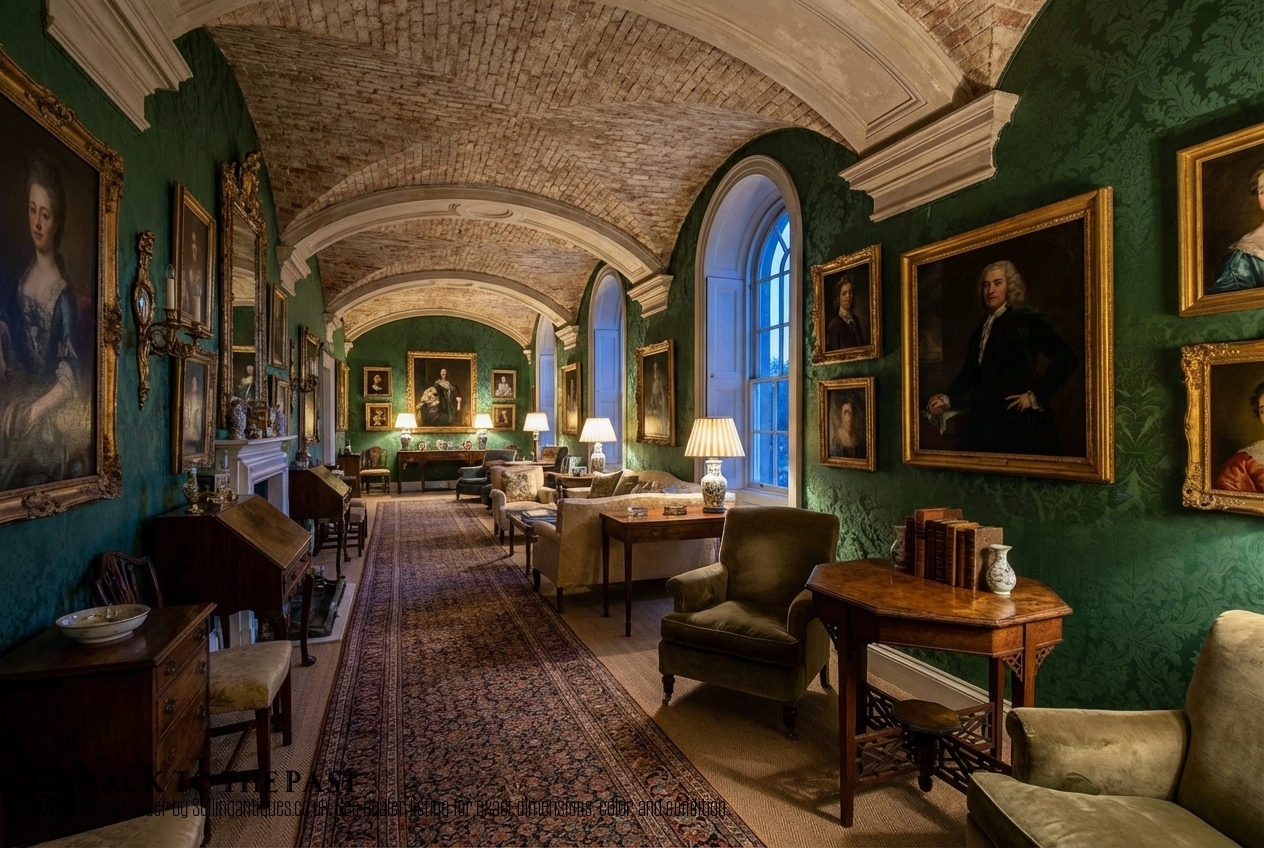
What these brown oak accent tables are
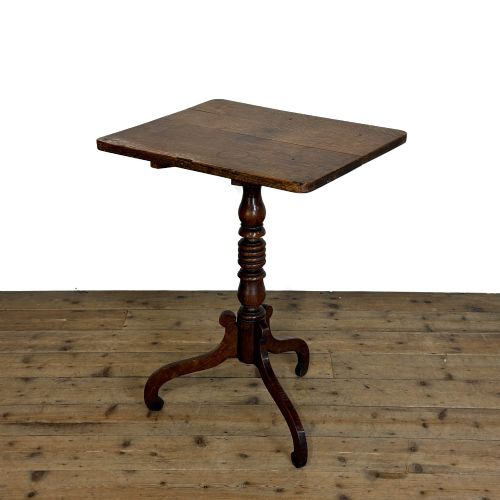
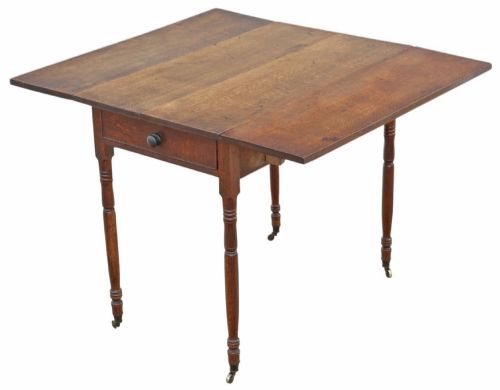
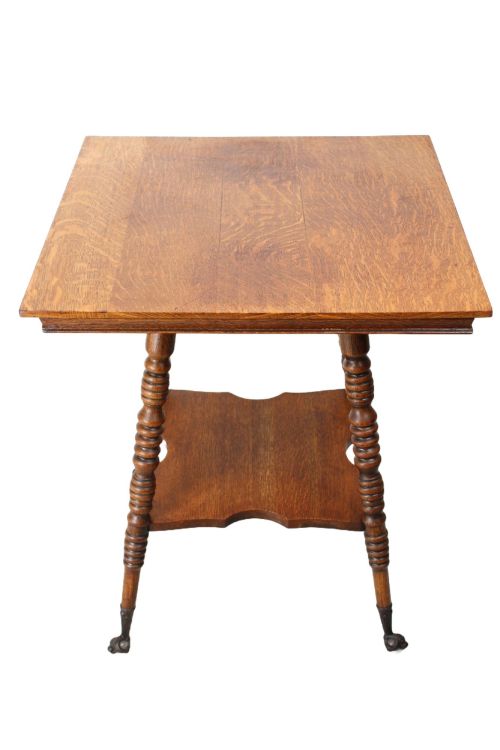
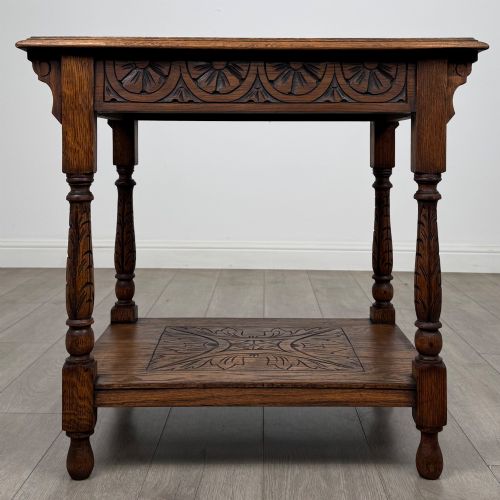
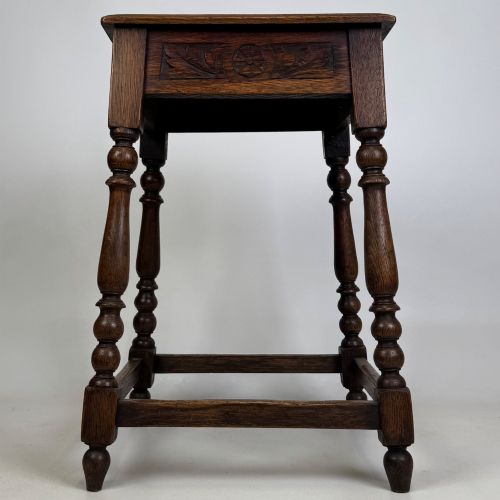
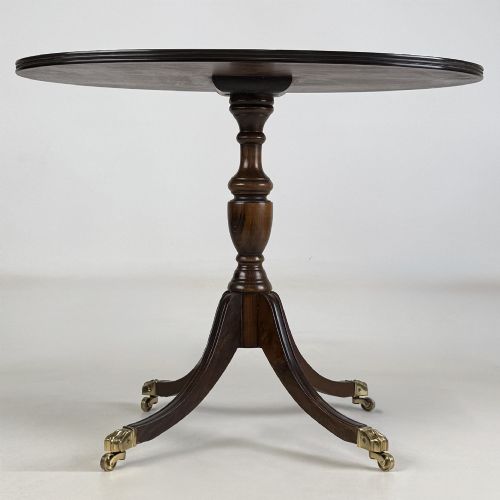
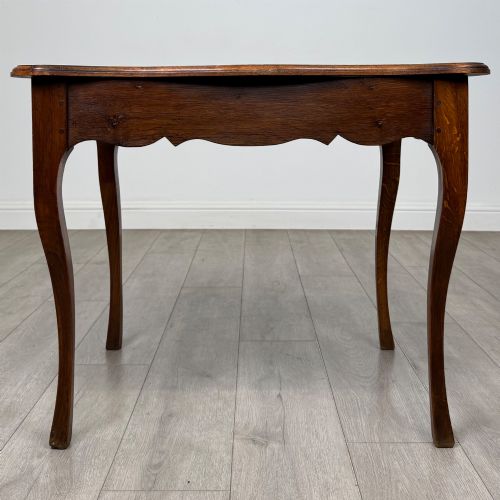
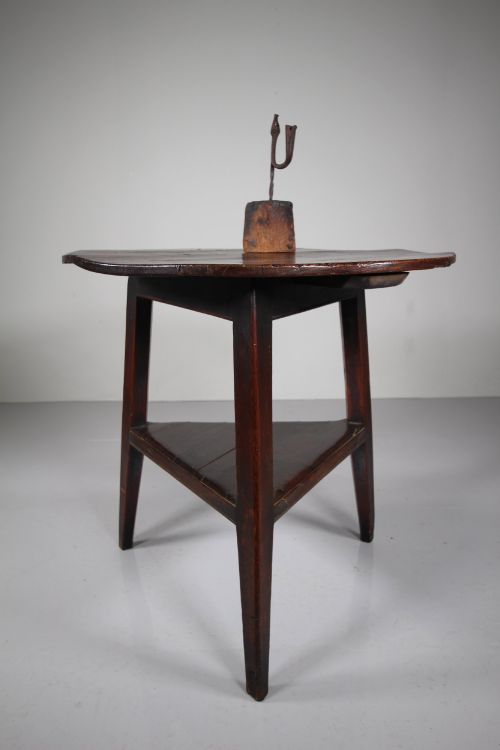
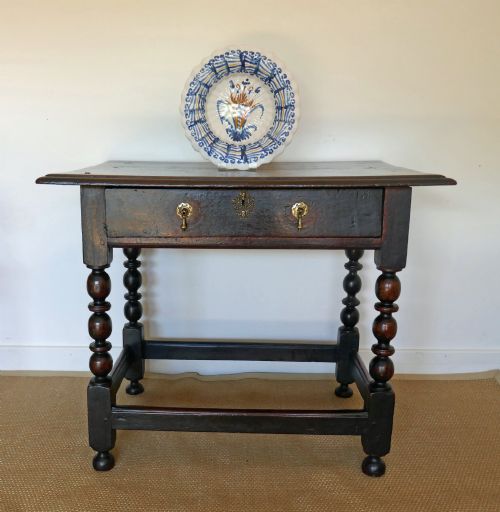
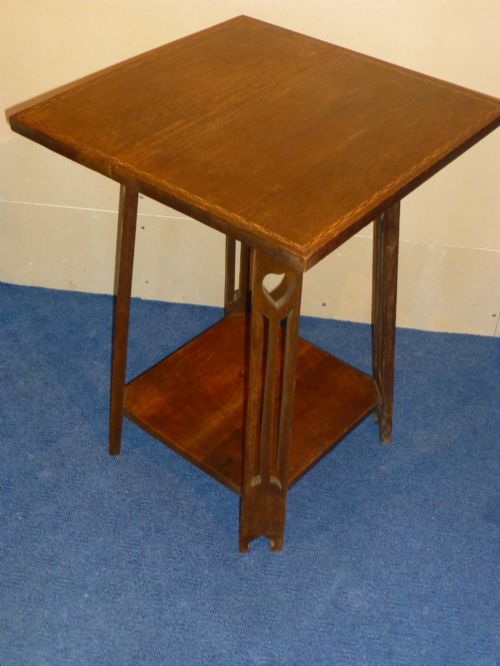
When you search for a brown oak accent table, you are looking at sturdy wooden surfaces designed for daily utility and decorative presence in a room. These pieces span several centuries, from late 17th-century English examples through to 1930s creations.
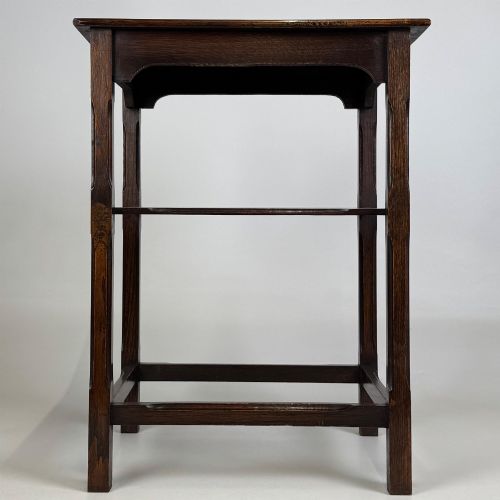
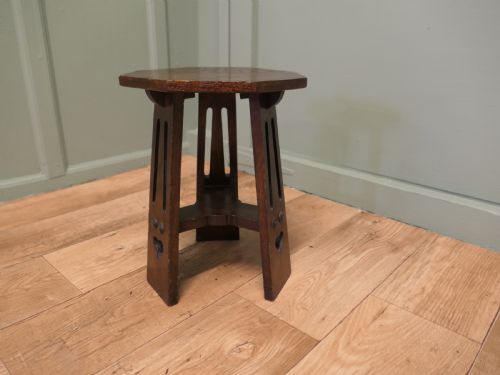
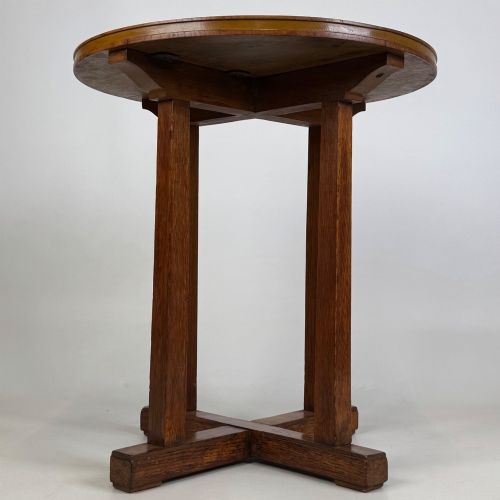
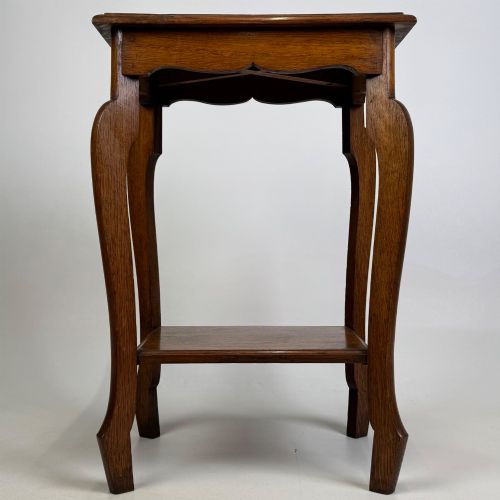
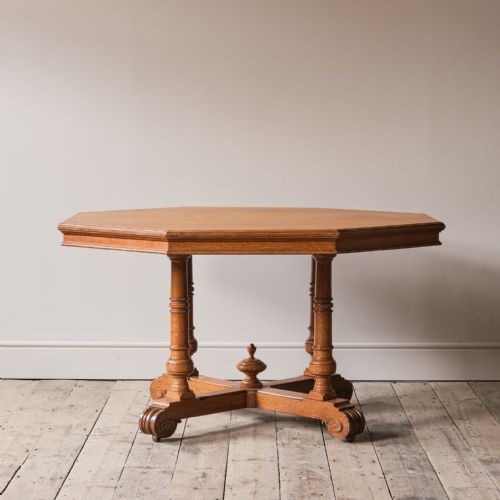
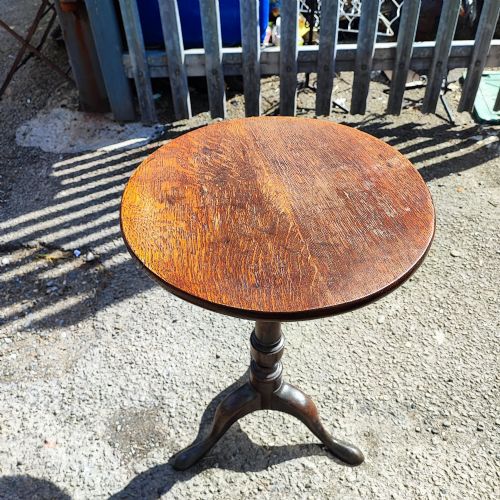
The forms on this page primarily consist of side tables and centre tables, taking both round and octagonal shapes or multi-tier occasional formats. Origins stretch across English, Welsh, and Spanish workshops, reflecting diverse regional furniture traditions.
You are most likely to meet Victorian and 18th-century interpretations, often exhibiting the rich patination that only aged oak develops over generations of use. Each piece functions as a stable platform while displaying the distinctive figuring of the timber.
What varies in quality
Quality rests in the choice of timber and the integrity of the original construction, where tight grain and deep natural patination elevate an example above standard utility pieces. Finer versions exhibit balanced proportions and careful attention to structural joinery rather than purely decorative additions.
The distinction between ordinary and superior pieces also lies in the crispness of any carved detailing and the preservation of the original surface finish. Retaining authentic timber surfaces without modern intervention marks out the more accomplished items.
Retail Price Guide 2026
Typical UK retail prices for brown oak accent table, calculated from the Sellingantiques database of over a million retail prices indexed since 2003. This retail price guide relies exclusively on Sellingantiques data; no external sources or auction records are used, so the figures do not describe the wider market.
Octagonal tops gave Victorian card players extra elbow room without knocking over their tea.
The Brown Oak Accent Table Glossary
- Oak
- A hard, heavy timber native to temperate regions, prized in furniture making for its strength and distinct figured grain. It forms the primary material for all items in this category.
- Side table
- A small functional table designed to stand against a wall or beside seating furniture. These pieces provide surface space without dominating the room.
- Centre table
- A freestanding table intended to be viewed from all sides, frequently placed in the middle of a room. Octagonal and round formats are typical examples.
- Patina
- The deep, lustrous surface sheen developed by aged wood through handling, polishing, and exposure to light over decades or centuries. It indicates genuine age.
- William and Mary period
- A design era spanning the late 17th century, characterised by refined turning and restrained proportions. Pieces from this time show early English joinery techniques.
Frequently Asked Questions
How do I date a brown oak accent table?
Dating relies on examining the construction methods, tool marks, and timber preparation visible beneath and inside the piece. Hand-cut joints and timber shrinkage patterns provide reliable clues to the century of manufacture.
Stylistic markers also help align a table with specific eras like the William and Mary period or Arts and Crafts movement. Comparing the hardware and leg turning against known period examples confirms the age.
Where should I place a centre table?
A centre table works best where it can be appreciated from multiple angles, such as the middle of a spacious hallway or sitting room. Because these pieces are finished on all sides, they act as focal points rather than resting against a wall.
Ensure there is enough clearance around the table for comfortable movement through the room. They also serve well holding lamps or decorative objects in open living spaces.
How do I care for antique oak furniture?
Protect the timber by keeping it away from direct heat sources and sudden temperature fluctuations that cause wood to split. Regular dusting with a soft, dry cloth maintains the surface without building up chemical residues.
Apply a traditional beeswax polish sparingly only when the wood appears dry, buffing it gently to preserve the natural lustre. Avoid synthetic sprays that can soften historic finishes over time.
What is the difference between side and occasional tables?
Side tables traditionally served specific utilitarian purposes near walls or seating, often featuring sturdier construction for daily household tasks. Occasional tables emerged more strongly during later design periods to be moved around a room as needed.
Multi-tier occasional tables offer extra surface levels for displaying objects in smaller footprints. Both types provide practical wooden surfaces suited to modern living spaces.