



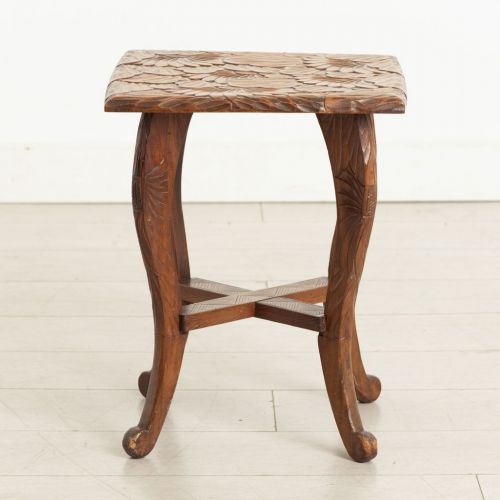
Liberty Style Side Table
A liberty style side table brings distinct craftsmanship from the late nineteenth and early twentieth centuries into a modern room.
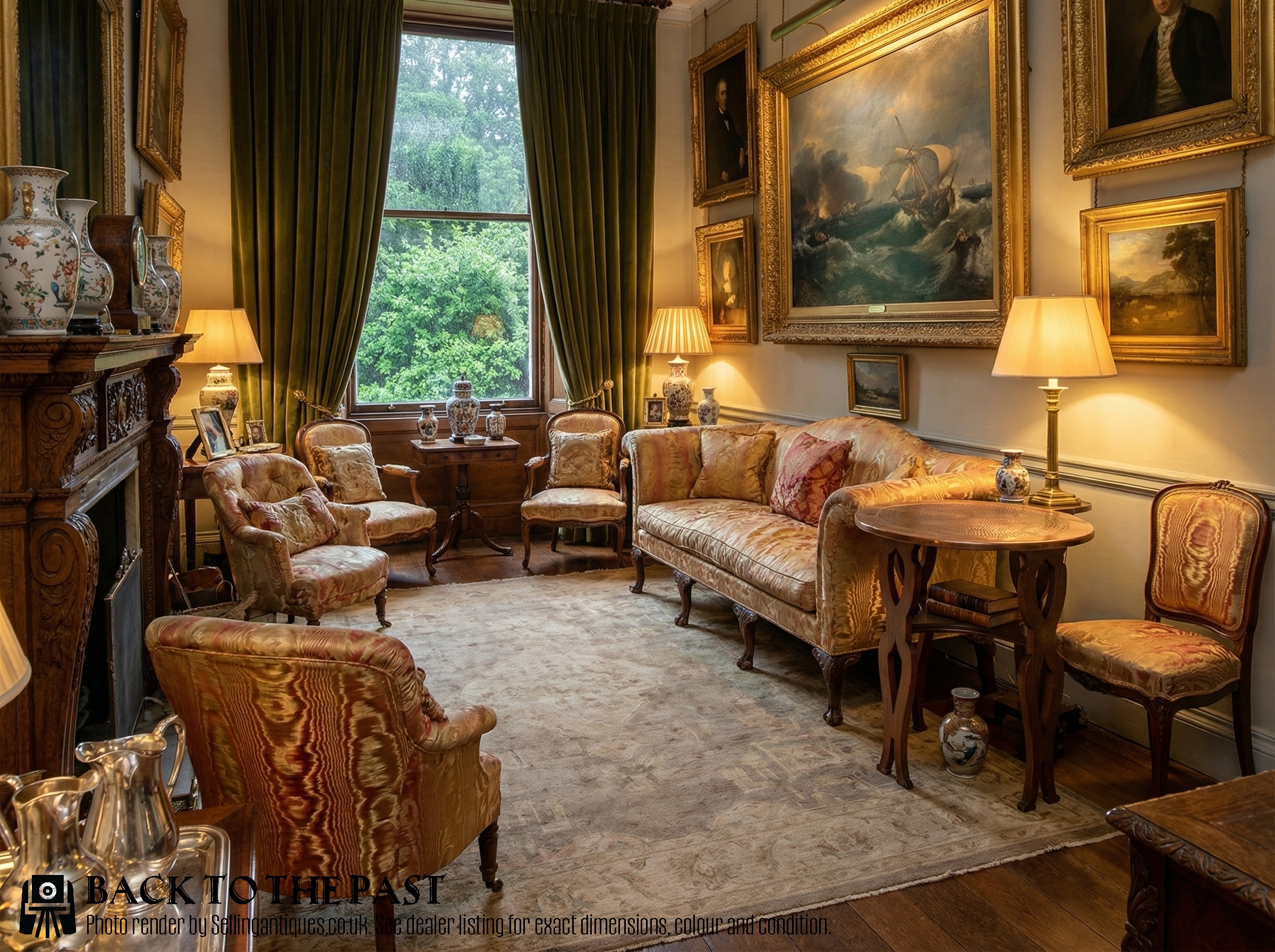
Liberty Style Side Table
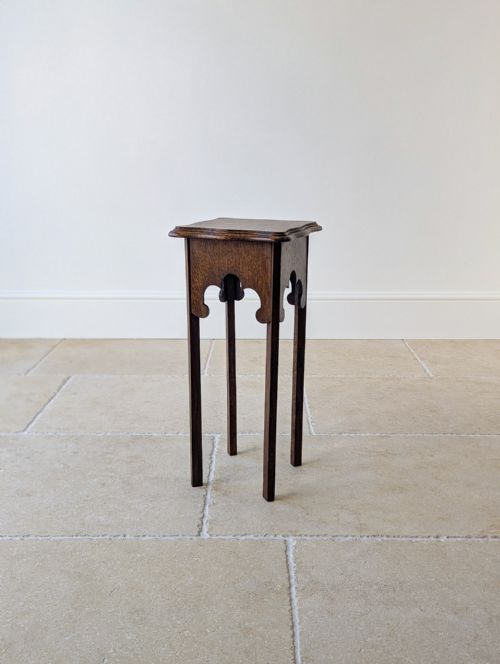
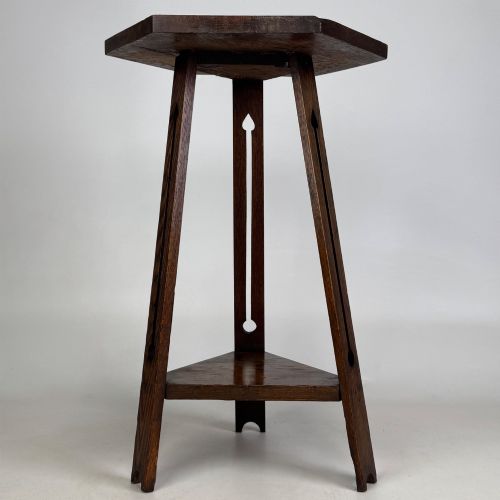
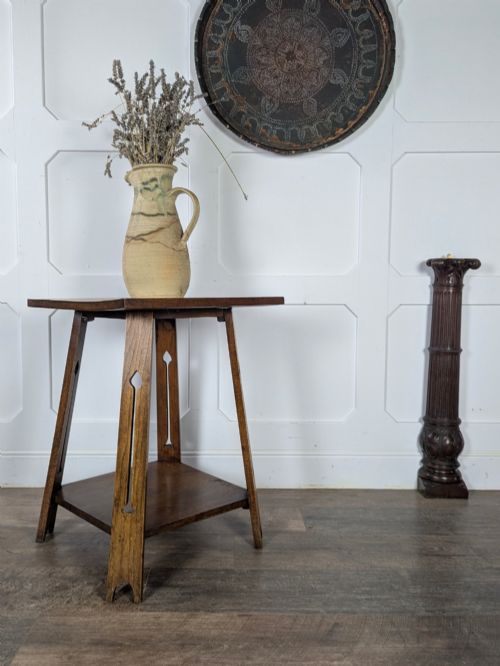
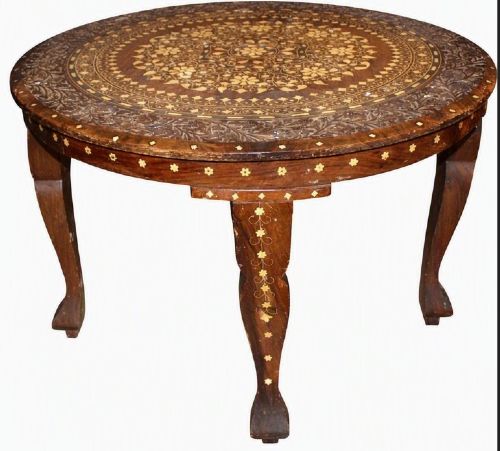
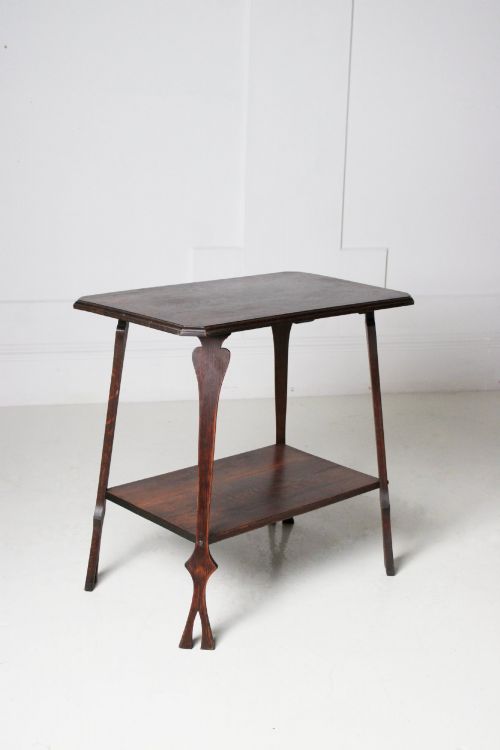
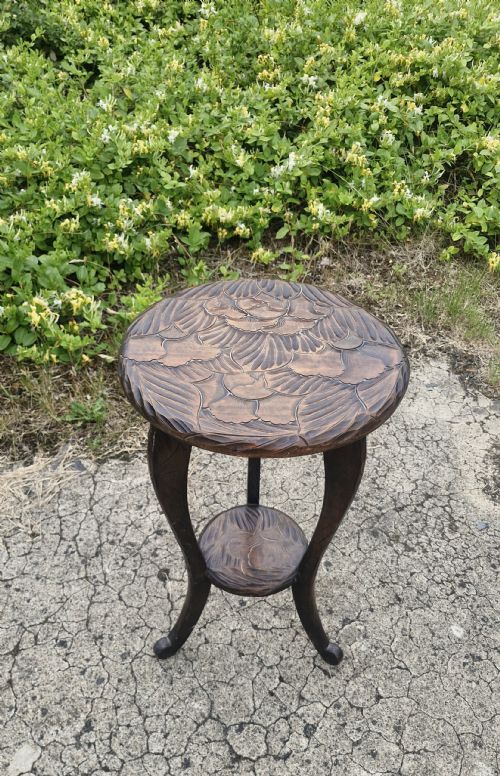
A liberty style side table spans multiple distinct aesthetic movements including Arts and Crafts, Moorish Revival, and Anglo-Japanese forms. These pieces function as occasional tables, plant stands, centre tables, and low stools originating from the Victorian, Edwardian, and early twentieth-century periods.
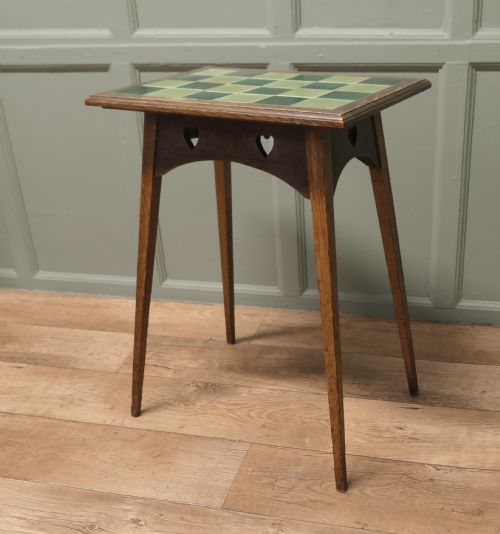
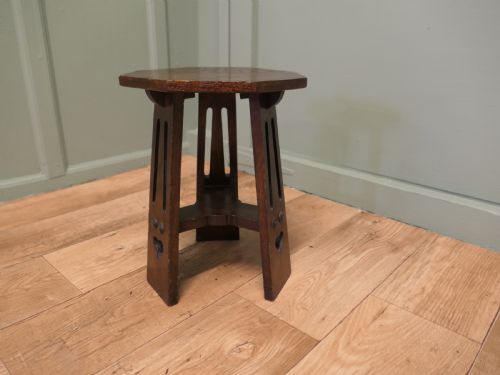
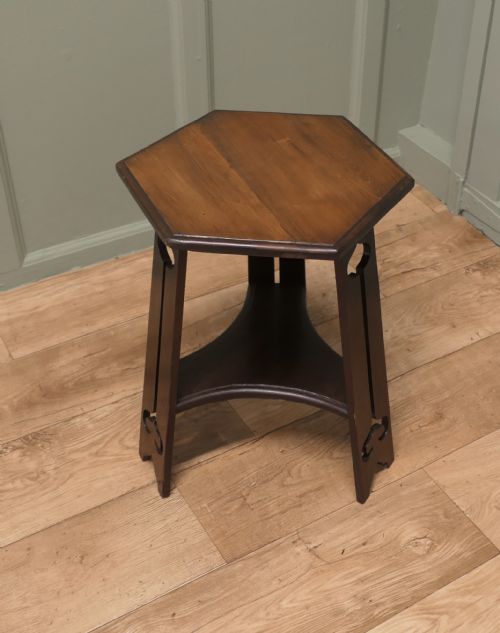
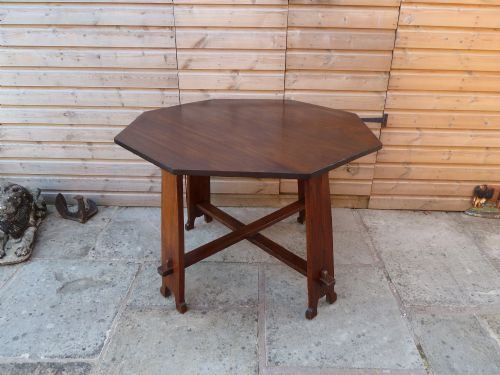
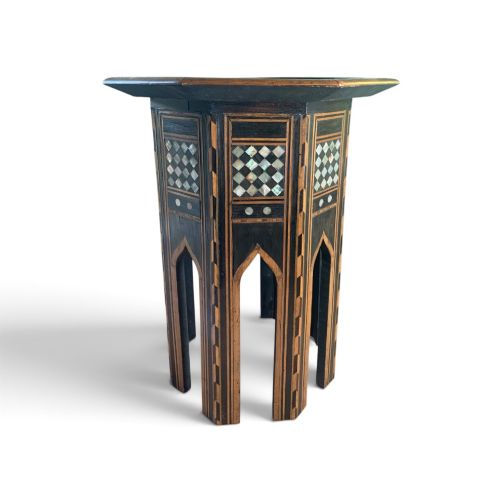
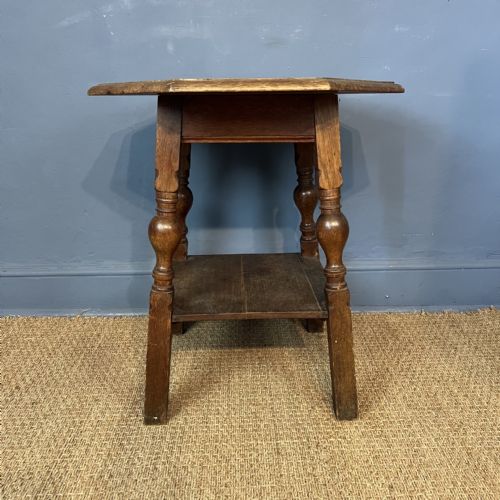
The most common examples on this page are constructed from solid oak in straightforward Arts and Crafts designs, frequently featuring octagonal tops, two tiers, or inset ceramic and copper elements. Alongside these structural oak pieces, the selection includes exotic carved hardwood occasional furniture influenced by Moorish and Japanese aesthetics.
Factors that distinguish individual examples
Quality rests in the crispness of the hand carving and the integrity of the structural joinery. Pieces featuring maker stamps or attribution display superior refinement in proportion and detail.
The choice of secondary materials, such as genuine bone inlay, heavy cast iron, or hand-beaten copper panels, elevates the standard of individual tables above basic production models.
Liberty Style Side Table Retail Price Guide 2026
Typical asking prices for liberty style side table among the pieces listed under this phrase on Sellingantiques today, from the lower quarter to the upper quarter. They describe what is for sale here now, not the wider market.
Some versatile early oak pieces began their domestic journeys serving as window seats or apprentice demonstration items.
Liberty & Co·Baillie Scott·Archibald Knox
The Liberty Style Side Table Glossary
- Arts and Crafts
- A design movement valuing handcrafting, utility, and simple forms over mass production. This style informs the majority of oak tables seen here.
- Moorish Revival
- An architectural and decorative style inspiring octagonal tables with intricate geometric fretwork and low profiles. These pieces often utilise ebonised wood or carved hardwood.
- Anglo-Japanese
- A hybrid aesthetic combining British furniture forms with Japanese motifs, flora, and hand-carved details. This approach appears frequently in imported occasional tables.
- Occasional table
- A small, movable table designed for specific, temporary uses such as holding lamps, books, or plants. They serve as versatile accents in varied room layouts.
Liberty Style Side Table: Frequently Asked Questions
What defines a liberty style side table?
These tables reflect the artistic movements promoted by Liberty and Co during the late nineteenth and early twentieth centuries, blending British craft traditions with global aesthetic influences.
They encompass diverse forms ranging from solid oak Arts and Crafts pieces to intricately carved Moorish and Japanese style occasional tables.
How do I identify an authentic period piece?
Look for traditional construction methods, material ageing, and specific design characteristics associated with the Victorian and Edwardian eras. Certain pieces bear maker stamps or paper labels confirming their origin.
Construction details such as pegged oak joints and hand-carved woodwork help distinguish genuine period items from later reproductions.
Where were these tables used originally?
Homeowners placed these versatile items in entrance halls, drawing rooms, and studies to hold lamps, plants, or calling cards. Their compact sizes allowed them to move easily between rooms as needed.
Plant stands and low stools also served specific decorative and functional roles within domestic interiors.
How do I care for antique wood furniture?
Maintain the wood by keeping tables away from direct heat sources and fluctuating humidity. Regular dusting with a soft, dry cloth preserves the finish without damaging the patina.
Avoid chemical polishes and use beeswax sparingly to nourish older hardwoods and inlaid surfaces.