
Oak Two Tier Table
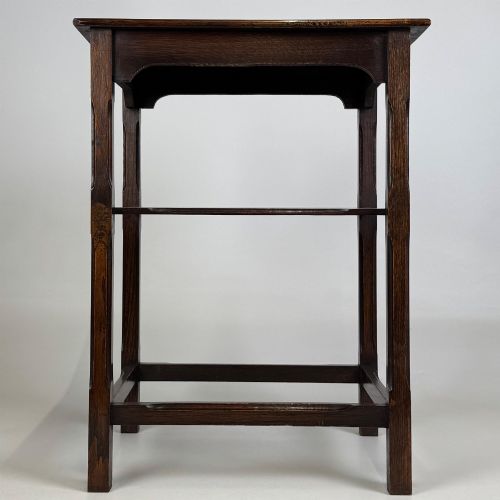
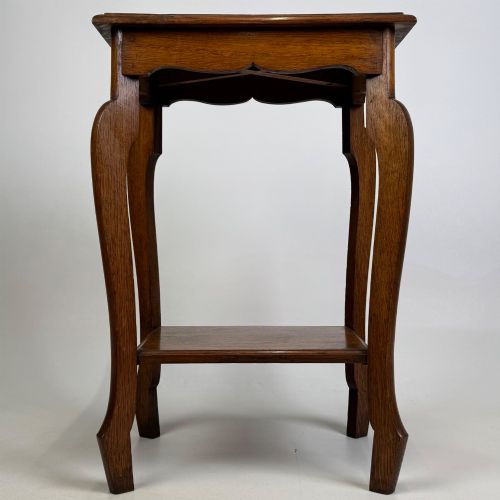
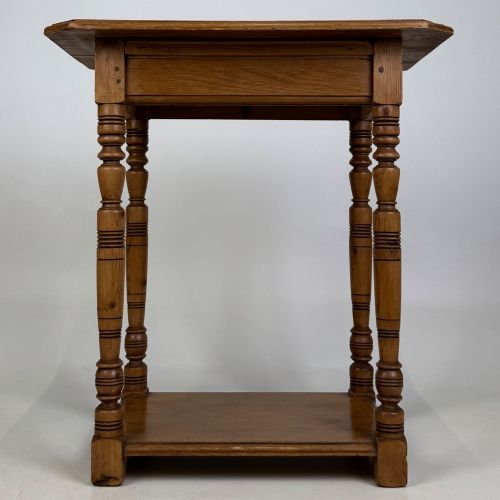
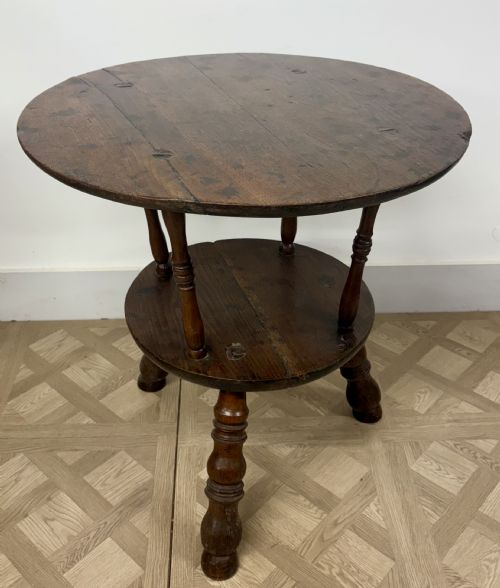
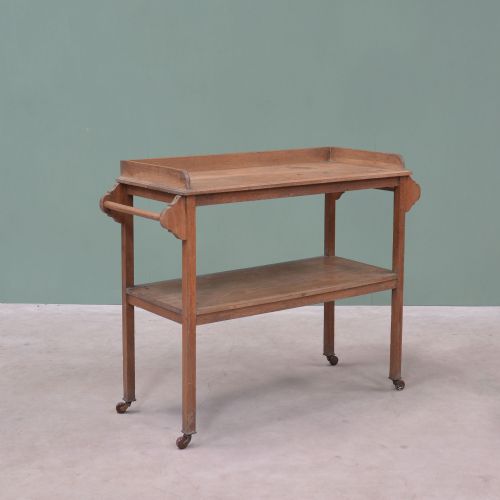
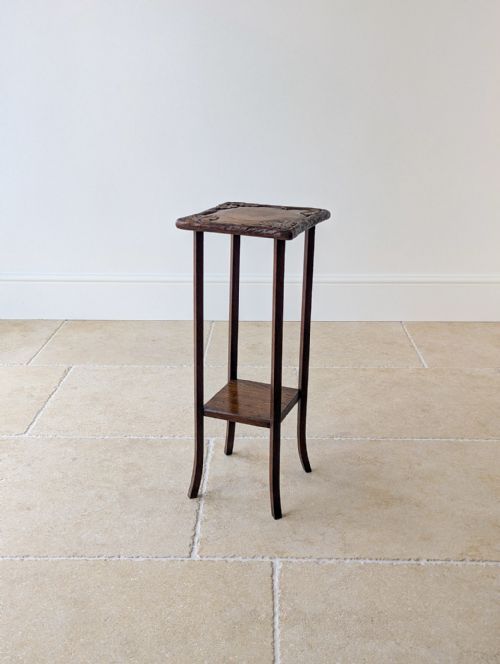
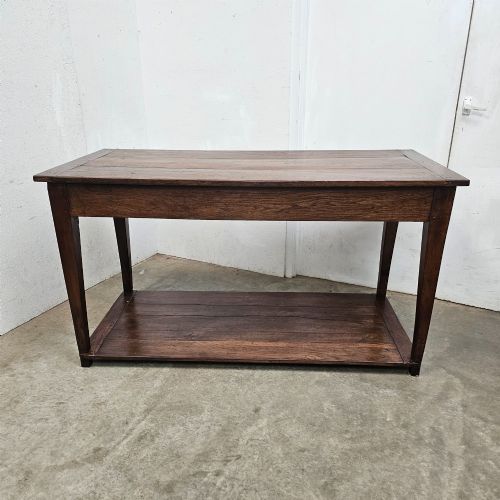
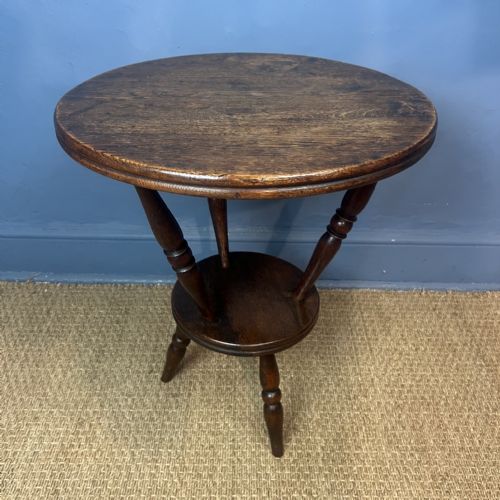
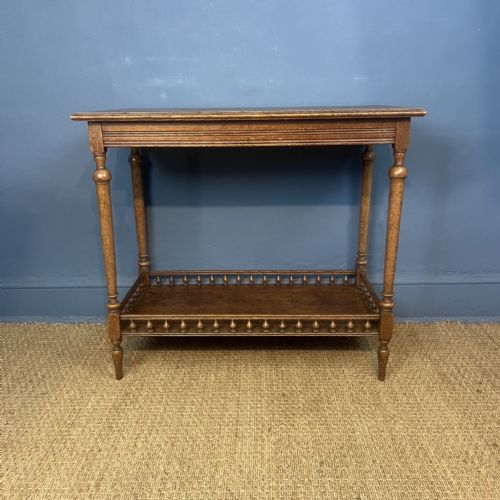
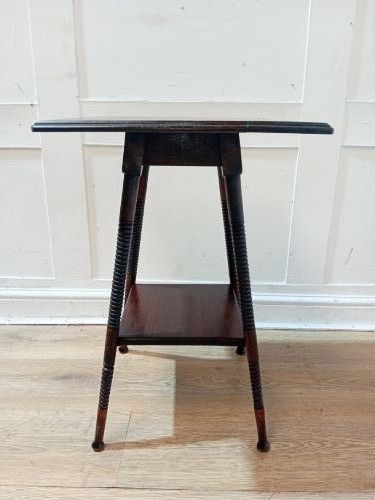
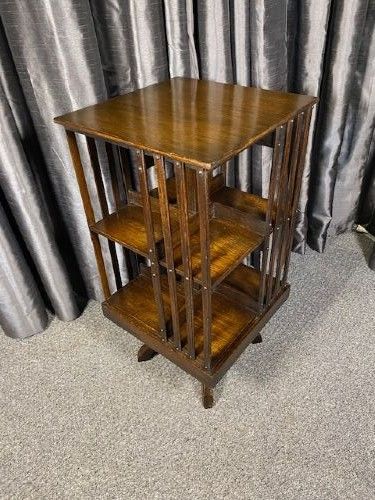
An oak two tier table provides functional double-decked surface space, bringing sturdy timber grain and period character into a room.
Oak Two Tier Table
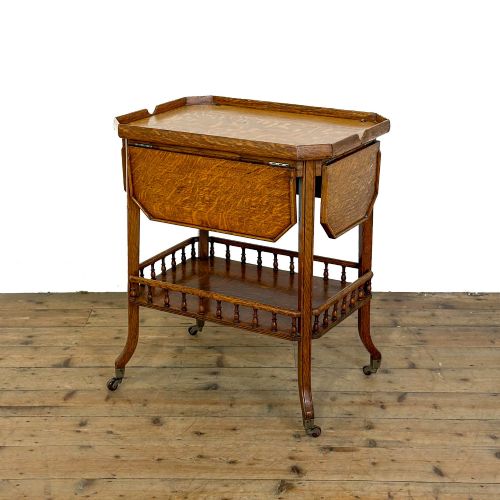
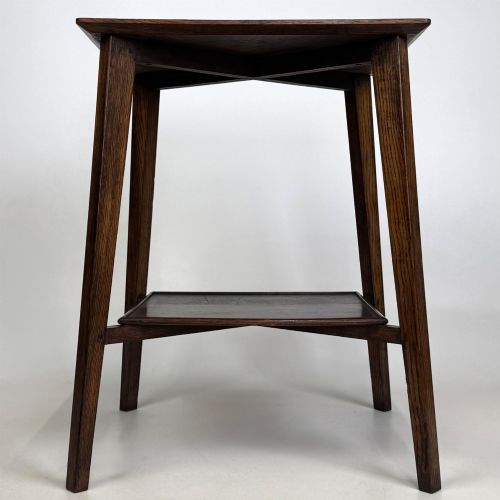
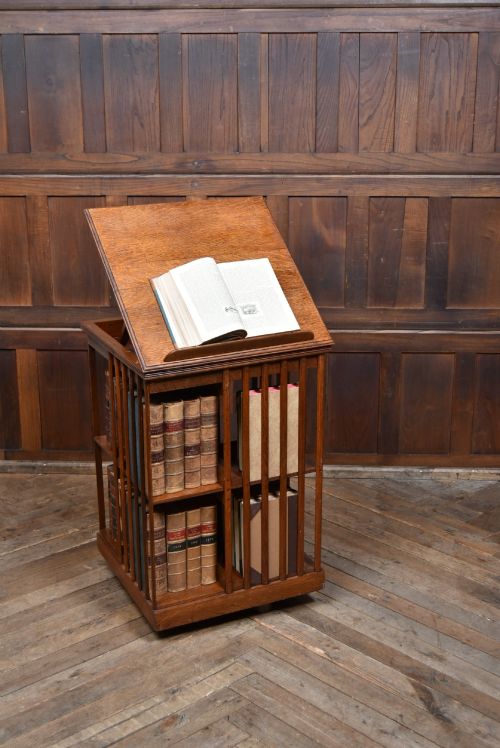
An oak two tier table offers a dual-level surface arrangement, combining a main top board with a lower shelf for extra storage or display space. These pieces appear across several eras, showing up frequently in Victorian, Edwardian, Arts and Crafts, and 1930s Art Deco guises.
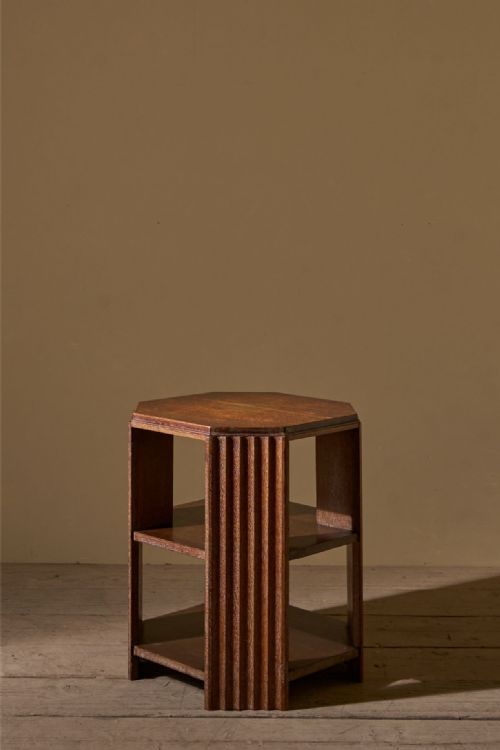
The format adapts to various domestic roles, taking the shape of side tables, occasional stands, coffee tables, lamp tables, and tea trolleys. While rectangular and circular tops dominate, examples also feature octagonal and oval configurations to suit tighter corners or specific room layouts.
Origins stretch from English workshops to French studios, encompassing simpler vernacular items alongside movement-specific designs such as Aesthetic and Arts and Crafts creations. The inclusion of a lower tier distinguishes them from standard single-board tables, making them practical choices for holding books, lamps, or decorative objects.
How They Were Made
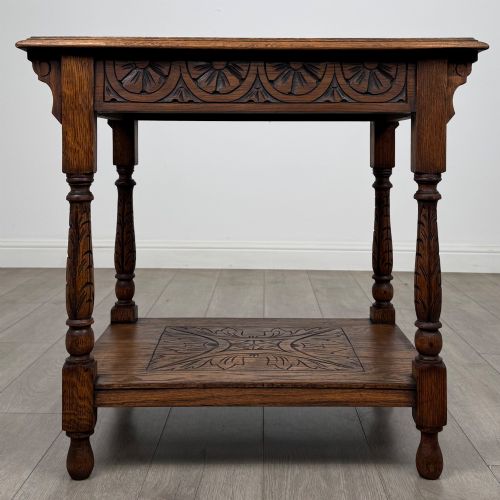
Construction relies heavily on solid oak and oak veneer, sometimes utilising alternative growths like silky oak or French oak alongside thicker timber slabs. Artisans built these tiers using traditional joinery methods, incorporating carved details or tile inserts into specific surfaces.
Individual examples display hand-carved ornamentation, shaped edges, or bleached tops, while others integrate functional additions like drawers for supplementary storage. Support structures range from simple turned legs to more substantial frames designed to bear weight across both levels.
Retail Price Guide 2026
Typical UK retail prices for oak two tier table, calculated from the Sellingantiques database of over a million retail prices indexed since 2003. This retail price guide relies exclusively on Sellingantiques data; no external sources or auction records are used, so the figures do not describe the wider market.
Some industrious Victorians used theirs to hold heavy porcelain wash jugs, which explains why the bottom shelf is sometimes delightfully scuffed.
What Varies in Quality
Quality rests upon the selection of timber grain, the weight and stability of the construction, and the crispness of any carved or shaped details. Solid timber execution with well-fitted lower shelves commands greater appreciation than veneered alternatives.
Distinction also arises from the integrity of the design period, where movement-specific pieces from the Arts and Crafts or Aesthetic eras demonstrate thoughtful proportion and integrated lower tiers rather than purely utilitarian assembly.
Heals·Gregory and Co
The Oak Two Tier Table Glossary
- Two tier
- A furniture format featuring a primary upper surface complemented by a secondary lower shelf or board. This layout doubles the available display area without increasing the floor footprint.
- Arts and Crafts
- A design movement prioritising traditional craftsmanship, visible construction methods, and simple utility. Pieces from this aesthetic often highlight the natural grain of the timber.
- Aesthetic Movement
- A late nineteenth-century style focusing on visual beauty and artistic expression rather than narrative content. Furniture from this period frequently employs clean lines and refined proportions.
- Silky Oak
- An Australian timber featuring distinctive grain patterns resembling silk strands. It appears in select imported furniture pieces from the early twentieth century.
- Tile Top
- A tabletop surface inset with decorative ceramic tiles, often seen on Arts and Crafts examples. This addition provided a heat-resistant zone for teapots or serving vessels.
Frequently Asked Questions
What rooms suit an oak two tier table?
These tables fit easily into sitting rooms, hallways, and studies where extra surface area is useful without occupying excessive floor space. The lower shelf provides a handy spot for stacking books or placing small items.
Their compact footprints make them versatile companions beside armchairs, sofas, or in entrance halls for daily essentials.
How do I date an oak two tier table?
Dating relies on observing stylistic markers, hardware, and construction techniques associated with periods like the Victorian era, Edwardian period, or 1930s.
Arts and Crafts pieces often show hand-craftsmanship and exposed joinery, whereas later deco examples lean towards streamlined circular or oval geometry.
Are these tables sturdy enough for daily use?
Solid oak construction imparts notable durability, allowing these tables to handle regular handling of lamps, books, and everyday objects.
The lower tier further braces the legs, contributing to overall structural stability across the piece.
What is the difference between side tables and coffee tables here?
Side tables generally stand taller and narrower, intended to sit beside seating or against walls, while coffee tables feature lower profiles suited for placement in front of sofas.
Both formats utilise the two-tier structure, but their height and proportions dictate their functional placement within a room.