


Warm Brown Low Table
These pieces for a warm brown low table bring practical surface space to a room, drawing you in with rich timbers and low proportions.
Warm Brown Low Table
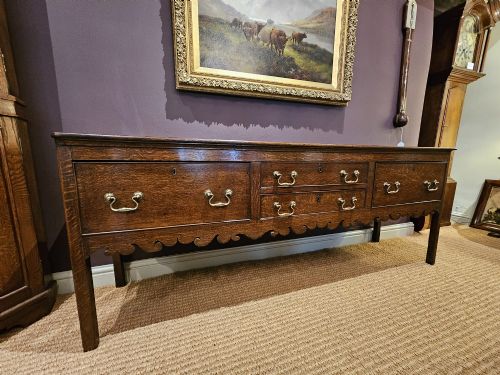
When you search for a warm brown low table, you are looking at low-slung surfaces designed for daily use, spanning coffee tables, side tables, and occasional tables. These pieces emerge from periods like the Georgian and Victorian eras, alongside early twentieth-century designs.
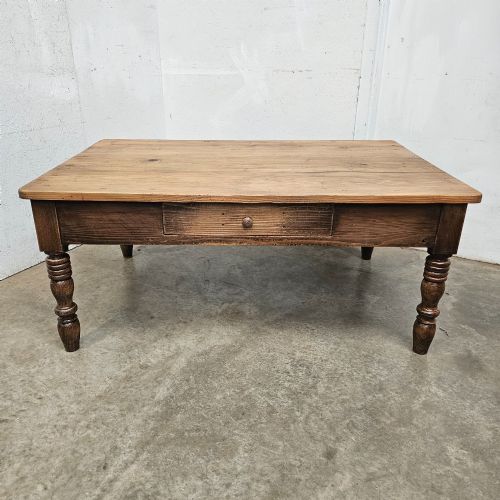
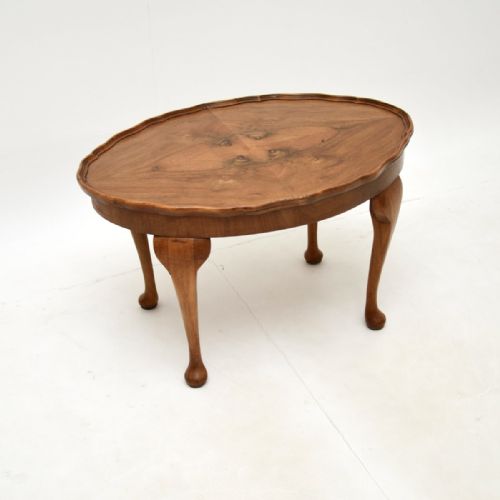
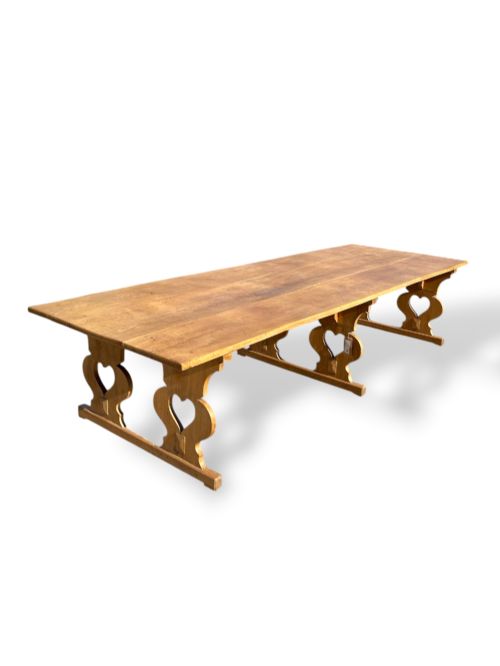
The version you are most likely to meet on this page is a wooden coffee table or side table, often fashioned from oak, walnut, or mahogany. They sit low to the floor, functioning as central meeting points in a room while displaying the natural grain of traditional timbers.
How they were made
Cabinet makers built these pieces using solid timbers like oak, walnut, mahogany, pine, and fruitwood, often selecting figured walnut or cherrywood for its distinctive grain. Joinery relied on traditional methods suited to the wood's movement over time.
Surfaces were finished to highlight the warm tones of the timber, occasionally incorporating brass details or turned legs. The construction ranges from rustic farmhouse builds to refined Queen Anne revival and Art Deco styling.
The listings on this site feature oak, walnut, and mahogany most frequently, alongside pine, fruitwood, and cherrywood.
What varies in quality
The distinction between ordinary and exceptional pieces lies in the selection of the timber and the handling of the wood grain. Figured walnut and carefully matched mahogany display a depth of tone that simpler pine or standard oak lacks.
Construction fidelity also sets examples apart, seen in the solidity of the frame and the integration of turned legs or parquetry. Maker execution, whether a country workshop or a known designer like Gilbert Rohde, dictates the refinement of the finished form.
Gilbert Rohde
The Warm Brown Low Table Glossary
- Low boy
- A small eighteenth-century table with drawers, commonly used as a side table or dressing table. It typically stands on slender cabriole or straight legs.
- Dough prooving box
- A deep wooden coffer or chest traditionally used for resting bread dough before baking. These utilitarian pieces often double as low tables in modern interiors.
- Pie crust
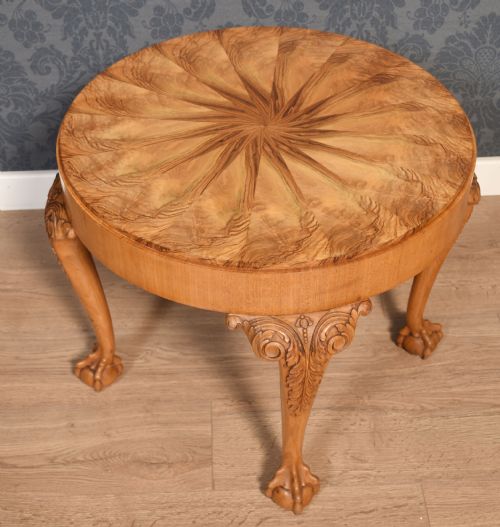
- A carved, raised decorative moulding along the edge of a round table top, resembling the crust of a pie. This detail is frequently found on walnut tables from the interwar period.
- Joint stool
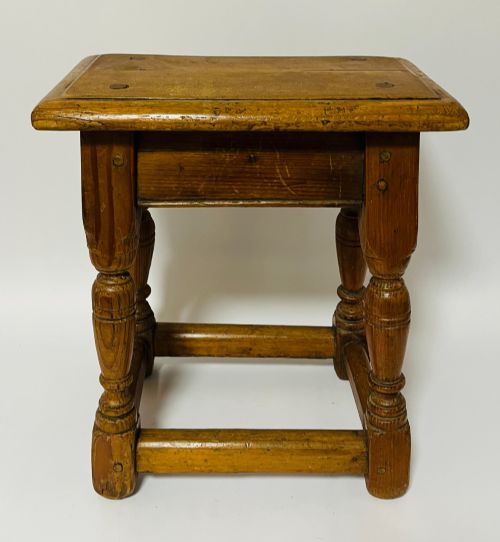
- An early form of wooden stool constructed with mortise and tenon joints, held together by wooden pegs. They provide sturdy, low seating or auxiliary surface space.
- Parquetry
- A geometric mosaic of wood pieces used for decorative inlay on furniture surfaces. It creates patterned top designs on occasional tables.
Warm Brown Low Table: Frequently Asked Questions
How do I style a low wooden table?
Pair the warm tones of the timber with neutral upholstery and textiles that complement the natural grain of the wood.
Keep surface objects minimal to let the age and material of the table remain the visual focus of the room.
Are these tables suitable for daily use?
These pieces were built from solid hardwoods like oak, walnut, and mahogany, designed to withstand generations of handling.
Use coasters and placemats to protect the historic polish and timber from moisture and heat marks during everyday living.
How do I date an antique wooden table?
Examine the construction methods, tool marks on the underside, and the type of timber used in the secondary framing. Joinery techniques and hardware often point directly to periods like the Georgian era or the nineteenth century.
Compare the turned legs, edge profiles, and overall style against documented examples from similar workshops and decades.
What is a low boy used for today?
Originally built as a small dressing or serving table, a low boy functions well as a compact side table or hallway surface.
The integrated drawers offer discreet storage for small household items while maintaining a low profile against the wall.