





Rustic Wood Cocktail Table
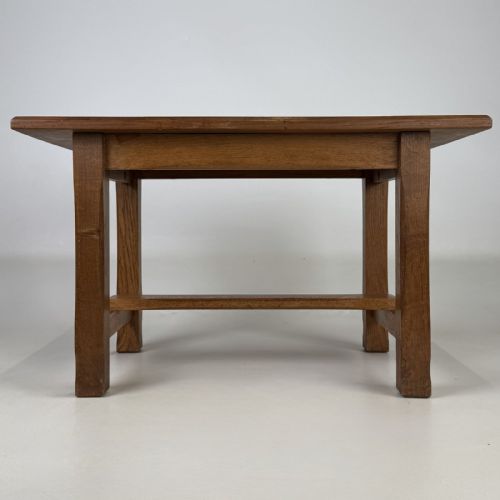
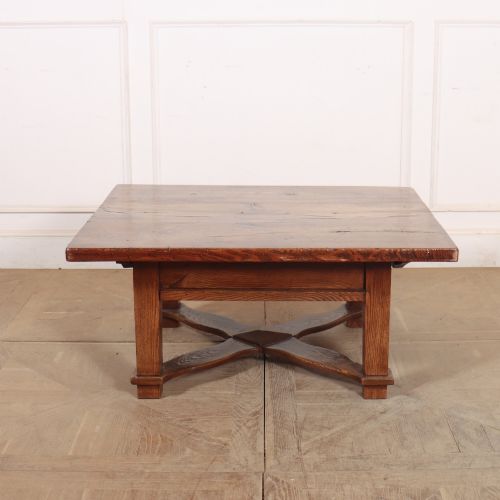
A rustic wood cocktail table brings warmth and character to a room through honest joinery and timber with plenty of grain.
Rustic Wood Cocktail Table
When you search for a rustic wood cocktail table, you are looking at low tables designed for living spaces that prioritise solid timber and traditional construction over polished refinement. The pieces seen here span coffee tables and low tables, alongside complementary home bar setups.
The versions you are most likely to meet on this page come from the nineteenth and early twentieth centuries, though earlier examples appear in heavy timbers like elm and oak. Styles stretch across rustic farmhouse and country traditions, taking in English, French, Dutch, Austrian, and Spanish provincial origins.
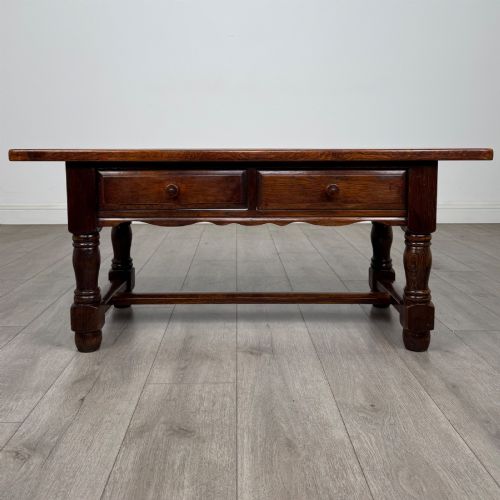
Forms range from simple low boards in pine and elm to substantial cherry wood designs fitted with practical drawers. Many show the honest marks of daily use, offering a grounded centrepiece for sitting rooms and studies.
How they were made
Makers built these tables from hard and soft woods suited to regional availability, relying predominantly on oak, pine, elm, walnut, and cherry wood. Timbers were selected for durability and pronounced grain, sometimes treated with paint or left to show the natural warmth of the wood.
Construction techniques focused on sturdy joinery capable of withstanding heavy daily use in farmhouse kitchens and country parlours. Surfaces were planed and finished by hand, occasionally incorporating functional storage such as single drawers beneath the top.
Rustic Wood Cocktail Table Retail Price Guide 2026
Typical asking prices for rustic wood cocktail table among the pieces listed under this phrase on Sellingantiques today, from the lower quarter to the upper quarter. They describe what is for sale here now, not the wider market.
Listings span periods from the eighteenth century through to 1930, featuring woods such as oak, pine, elm, cherry, and walnut alongside painted surfaces.
What varies in quality
The distinction between ordinary and exceptional tables lies in the choice of timber and the integrity of the original construction. Superior examples utilise dense, characterful hardwoods like elm, walnut, or cherry, retaining honest patination earned through decades of service rather than artificial distress.
Proportion and restraint separate better pieces from heavier, clumsier forms. A well-proportioned frame with balanced legs and tight joints demonstrates the maker's eye, whereas lesser pieces often rely on crude alterations or mismatched replacement elements.
The Rustic Wood Cocktail Table Glossary
- Coffee table
- A low table designed to sit in front of seating for drinks and books. This form became common in European and British interiors during the nineteenth century.
- Low table
- Any piece of furniture raised slightly off the floor on legs or a low base. These serve similar functions to coffee tables but often derive from earlier benches or utilitarian stands.
- Patina
- The surface sheen and softening of colour developed by wood through age and handling. A genuine patina builds slowly over generations and cannot be replicated quickly.
- Provincial
- Furniture made in regional areas away from metropolitan capitals. These pieces often reflect local tastes and readily available timber stocks rather than court fashions.
Rustic Wood Cocktail Table: Frequently Asked Questions
Where did these tables come from?
The pieces originate from workshops across Britain and continental Europe, including France, the Netherlands, Austria, and Spain. Local craftsmen built them using timber native to their specific regions.
Designs reflect the practical needs of rural and provincial homes, resulting in sturdy tables made for everyday domestic life.
How do I care for rustic timber?
Keep wooden tables away from direct heat sources and sudden humidity changes to prevent the timber from splitting. Dust regularly with a dry cloth and occasionally feed the wood with natural wax.
Avoid harsh chemical cleaners that strip the historic surface polish and dry out the grain.
Are these tables sturdy enough for daily use?
These pieces were originally constructed for heavy work in farmhouses and country homes, making them remarkably robust. Solid timbers like oak, elm, and cherry provide a stable base for everyday living spaces.
Joints are designed to handle regular weight, though protecting surfaces from excessive moisture remains sensible.
How are different wood types identified?
Oak and elm show distinct, heavy grain patterns and dark tones that deepen with age. Pine offers a lighter, softer surface with knot clusters, while cherry wood and walnut display smoother, richer red and brown hues.
Examining the underside and edges helps reveal the true nature of the timber beneath any historic paint or polish.