
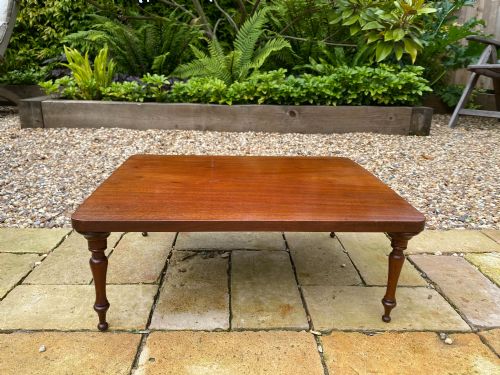

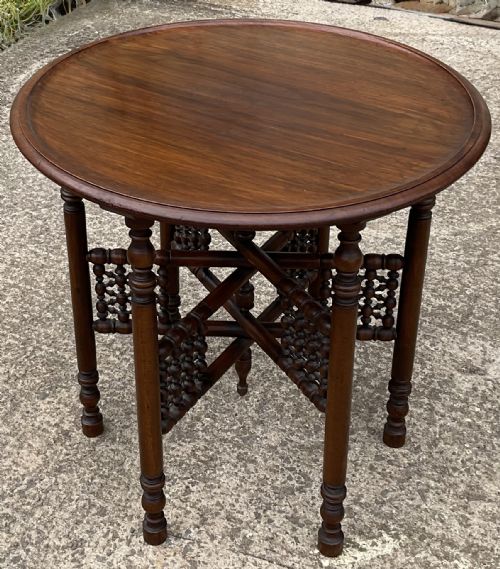
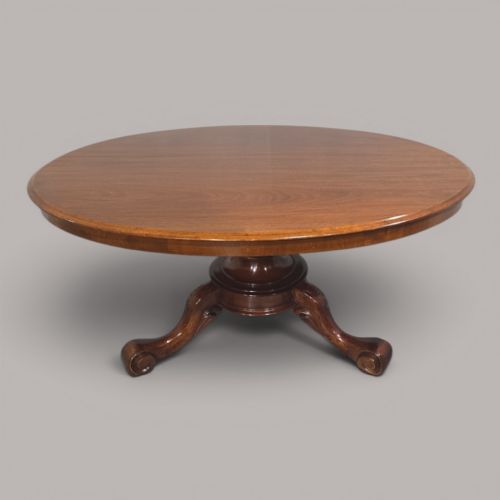
Mahogany Low Table
A mahogany low table brings warmth and functional surface space to a room, drawing on revival periods and classic timber design.
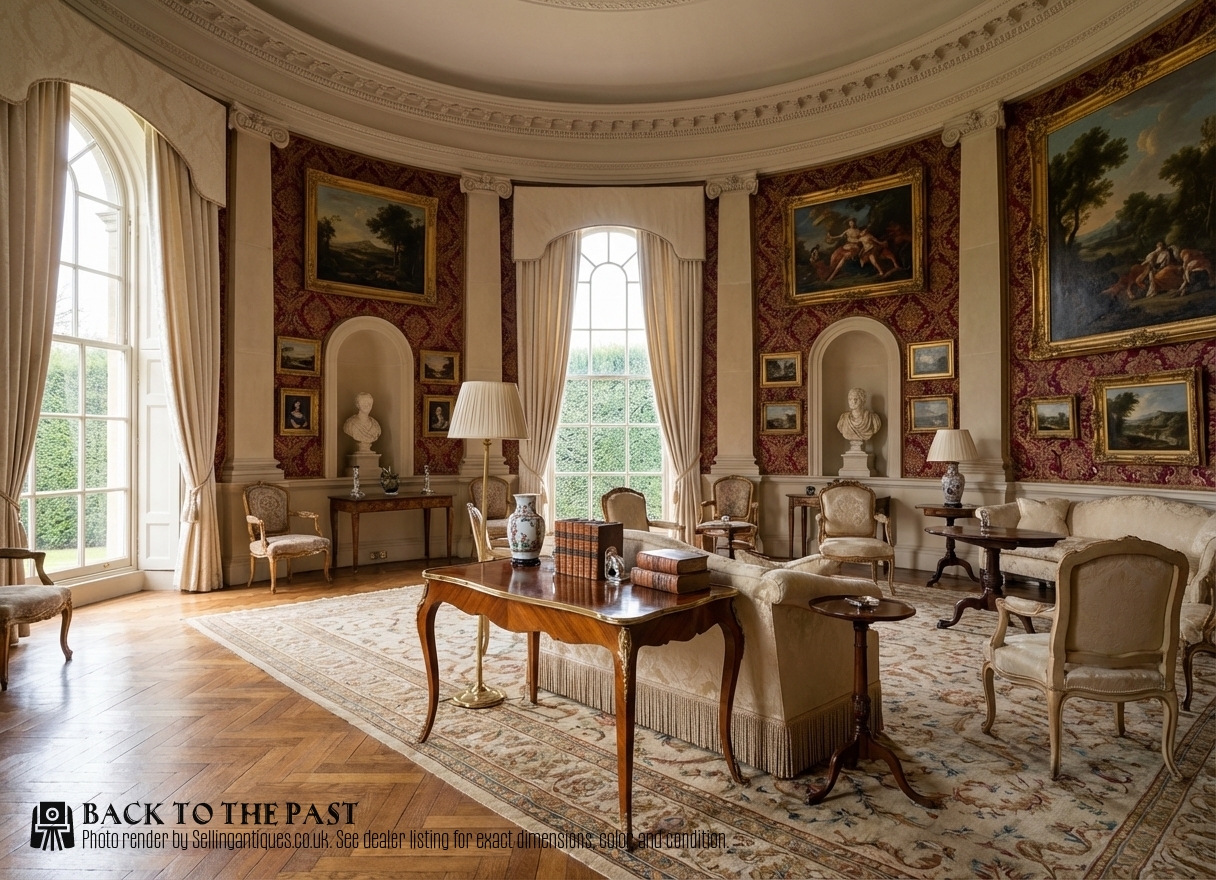
What a mahogany low table is
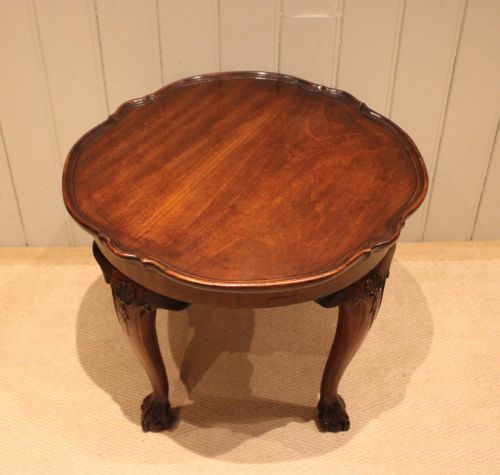
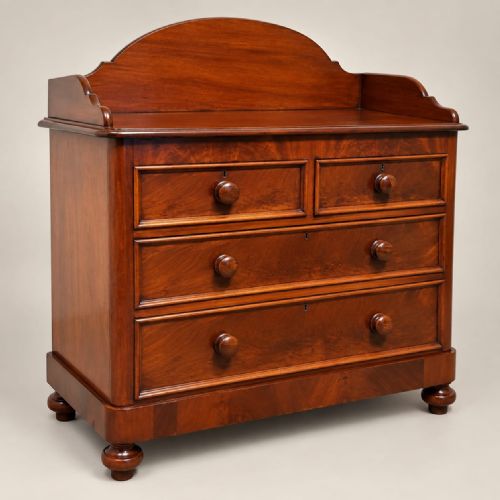
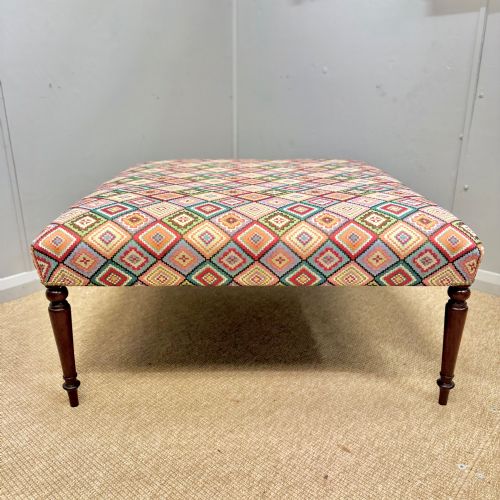
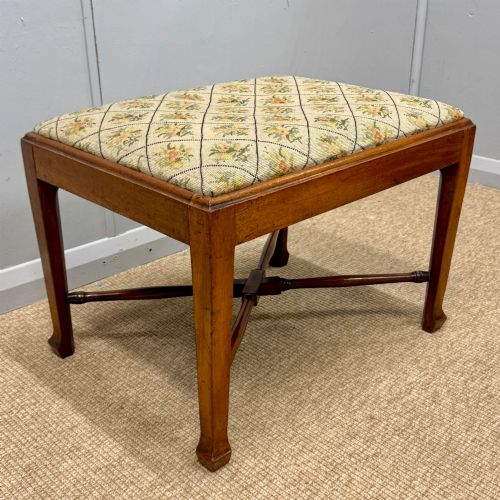
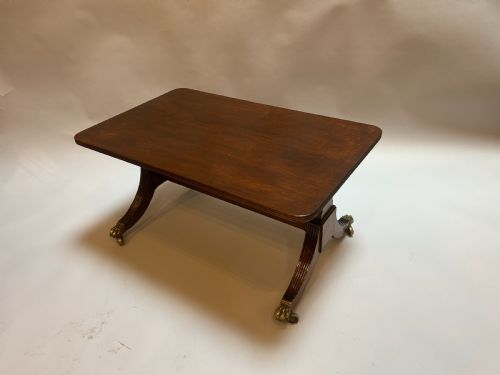
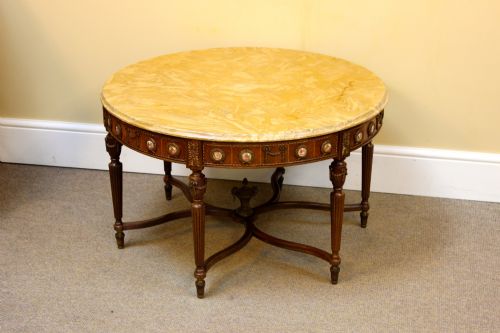
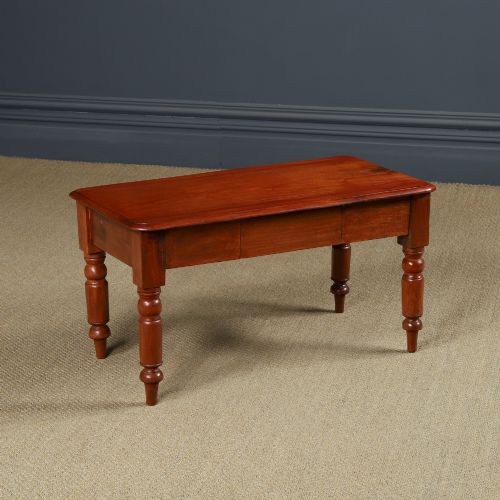
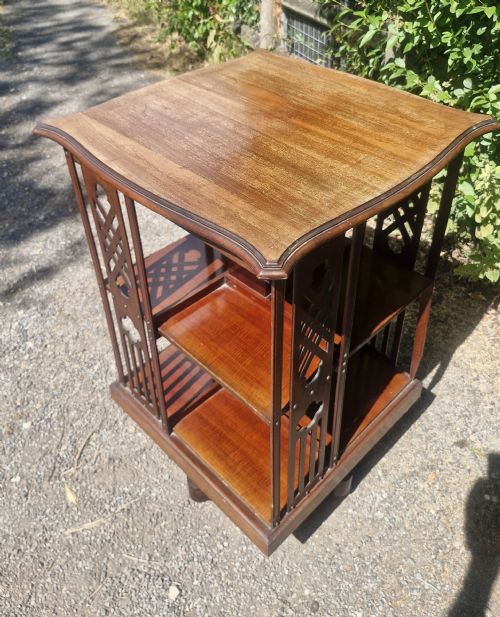
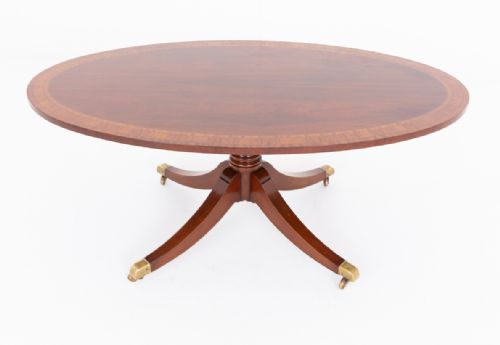
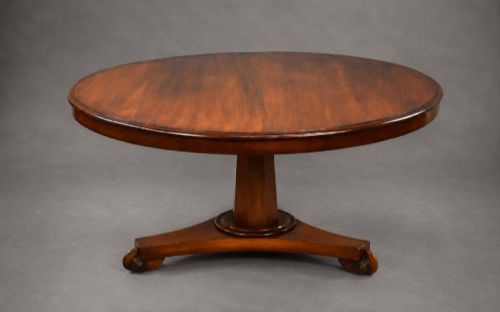
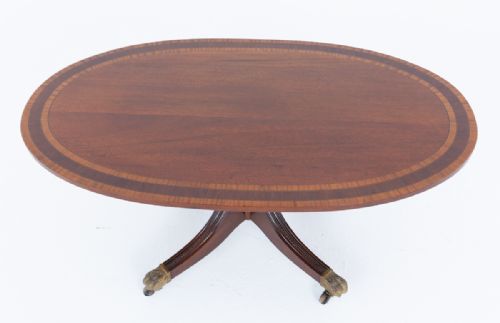
A mahogany low table is typically encountered as a coffee table, lamp table, or adapted piece from earlier forms like lowboys and side tables. Buyers seeking a mahogany low table will find pieces spanning the nineteenth century through to the early twentieth century, including revival pieces.
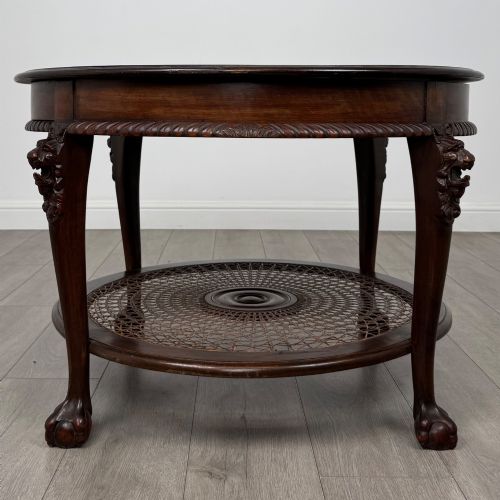
The selection ranges from round coffee tables and square tables with caned tops to French style occasional pieces and pairs of low lamp tables. These items reflect enduring interest in traditional timber furniture adapted for modern surface heights.

How they were made
Cabinet makers utilised solid mahogany and mahogany veneers, often incorporating contrasting timbers for inlay work where stylistic choices demanded it. Structural additions such as brass mounts, cast iron, or ormolu appear alongside natural materials like cane and marble inserts.
Joinery techniques followed traditional workshop practices, producing stable frames designed to support everyday use. Surface finishes relied on polishing to highlight the natural grain and deep red brown tone of the mahogany.
Retail Price Guide 2026
Typical UK retail prices for mahogany low table, calculated from the Sellingantiques database of over a million retail prices indexed since 2003. This retail price guide relies exclusively on Sellingantiques data; no external sources or auction records are used, so the figures do not describe the wider market.
Listings feature mahogany low tables spanning the nineteenth century and early twentieth century, incorporating brass, cane, and marble.
What varies in quality
Quality rests upon the selection of timber, particularly the choice of figured mahogany or clean grain, and the precision of the joinery. Finer examples display crisp carving on revival details and harmonious proportions.
The integration of secondary materials, such as heavy brass hardware, fine marble tops, or well-woven cane, distinguishes standard production from more ambitious workshop pieces.
Gillows·Waring and Gillow
The Mahogany Low Table Glossary
- Regency Style
- A design approach emulating the elegance of the British Regency period, often featuring classical lines and dark timber. This style frequently appears in nineteenth century revivals.
- Chippendale Revival
- A late nineteenth and early twentieth century movement reproducing the mid eighteenth century aesthetic associated with Thomas Chippendale. Pieces in this style display carved ornament and substantial mahogany frames.
- Gueridon
- A small French occasional table designed to hold a light, candle, or decorative object. Examples in mahogany often feature circular tops and integrated lower shelves.
- Lowboy
- A small eighteenth century side table with drawers, standing on relatively short legs. These forms are frequently adapted or referenced in low table designs.
- Ormolu
- Gilded bronze ornamentation applied to furniture as mounts. It provides metallic contrast against dark mahogany surfaces.
Frequently Asked Questions
What is a mahogany low table?
A mahogany low table is a surface designed for low placement, typically functioning as a coffee table or lamp table.
These pieces draw on historic forms, utilising mahogany timber alongside materials like marble, cane, and brass.
How do I identify a revival piece?
Revival pieces imitate earlier aesthetics such as Regency or Chippendale designs, usually dating from the late nineteenth or early twentieth century.
Examination of timber ageing, construction methods, and hardware helps determine whether a piece is an original period item or a later interpretation.
Where were these tables used?
These tables served primarily in reception rooms, drawing rooms, and studies as functional surfaces for lamps, books, or tea.
Lower formats evolved as seating arrangements changed and lower surfaces became desirable in domestic interiors.
What materials accompany the mahogany?
Mahogany is frequently paired with decorative elements such as brass handles, ormolu mounts, and cast iron supports.
Some designs incorporate inset marble tops, rattan, or cane panels to add texture and visual contrast.