

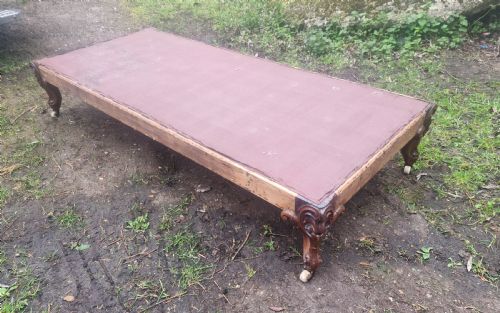


Rectangular Coffee Table
When you search for a rectangular coffee table, you find a remarkably varied selection of low surfaces stretching from the Victorian era into the twentieth century.
Rectangular Coffee Table
A rectangular coffee table brings a grounded, horizontal presence to a room, frequently adapting earlier forms such as low stools, centre tables, and occasional furniture into modern living spaces. When exploring the phrase rectangular coffee table, you encounter diverse regional expressions ranging from English country oak and mahogany pieces to French provincial styles.
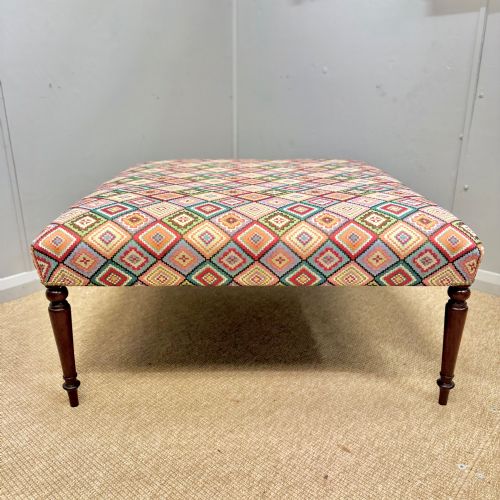
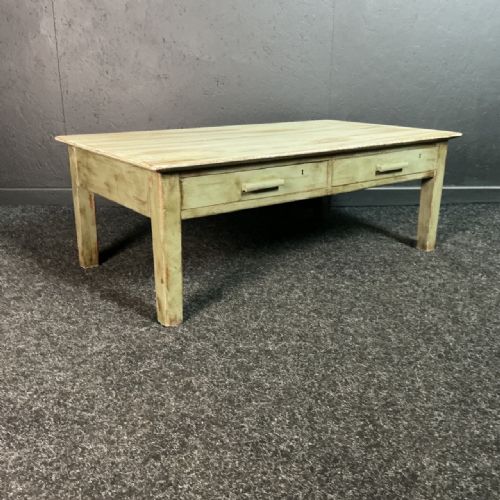
Many examples originate from broader categories of low furniture, including adapted footstools, ottomans, and side tables fitted or lowered for modern use. The selection spans distinct aesthetic movements, incorporating Victorian, Regency, Edwardian, and mid-century designs alongside rustic farmhouse interpretations.
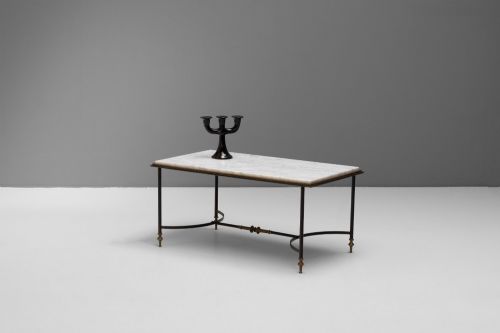
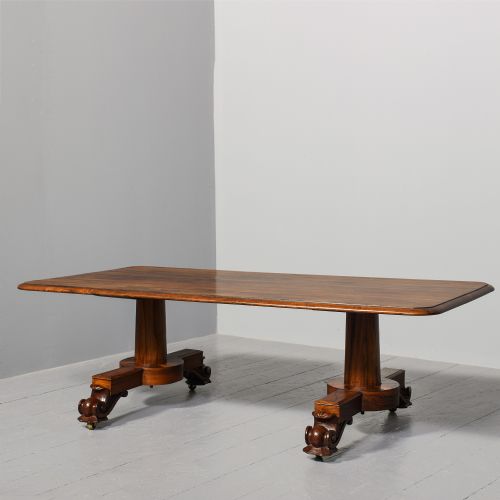
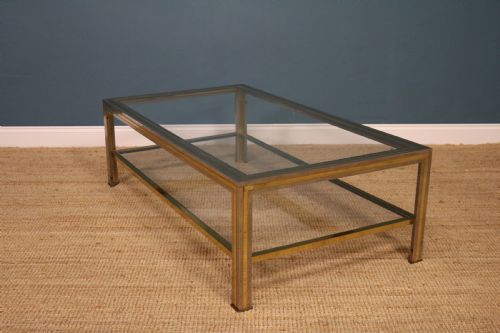
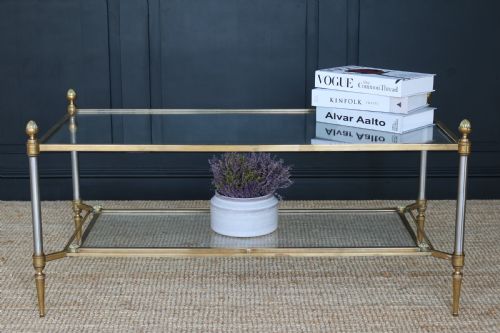
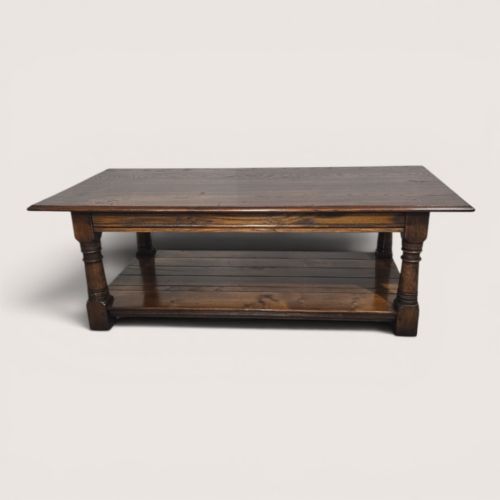
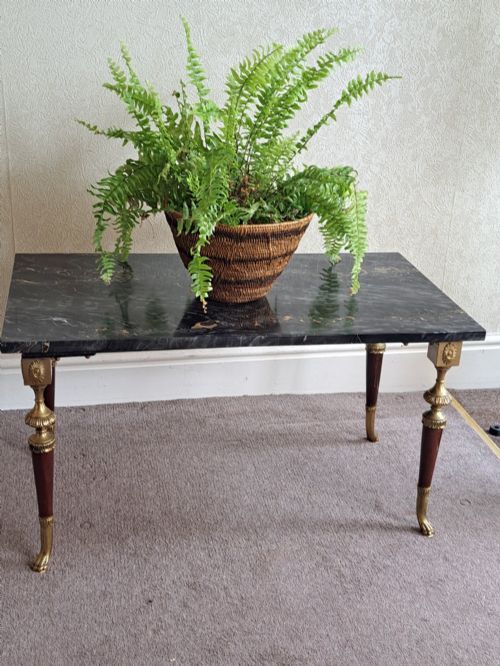
You are likely to meet solid timber constructions, glass-topped variants utilising antique panels, and marble-topped low tables intended for both utility and display. These pieces function as central anchors in a room, offering practical surface area while displaying the distinct character of their original periods.
How they were made
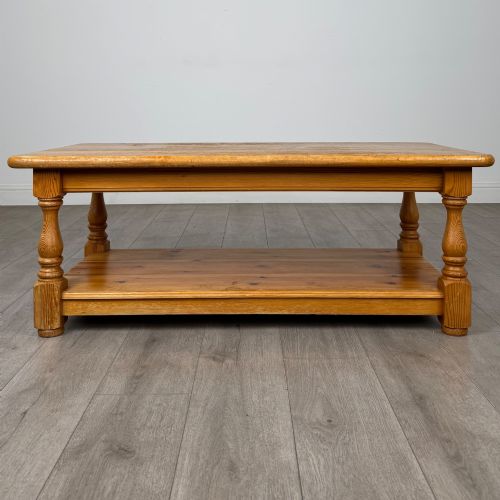
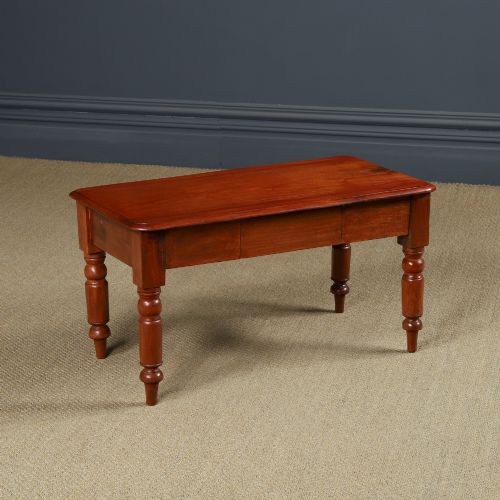
Cabinet makers utilised dense hardwoods such as mahogany, rosewood, walnut, and oak, often selecting burr veneers to create richly figured tabletops. Joinery techniques relied on traditional mortise and tenon frames, solid plank construction, and hand-carved detailing.
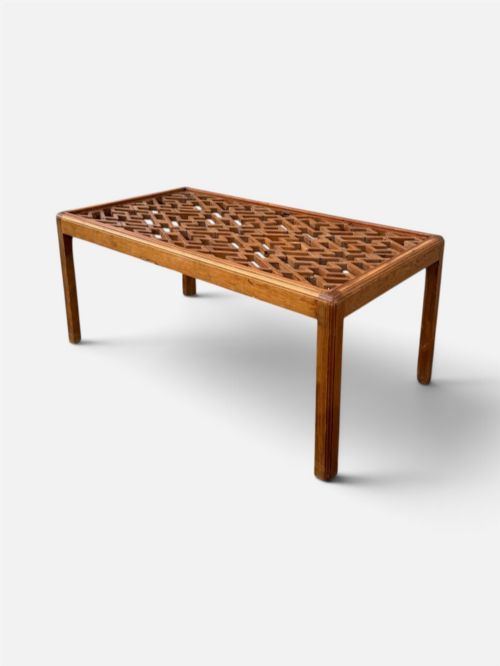
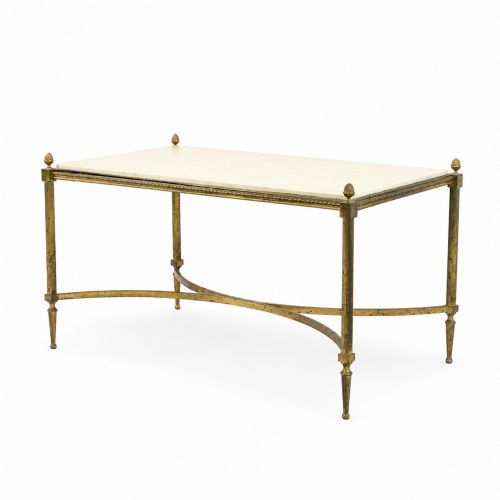
Surface treatments included French polishing, oiling, and painted finishes, while specialised pieces incorporated inset marble slabs, glass panels, brass framing, and carved fretwork. Structural foundations frequently combined robust turned legs, wrought iron supports, or bamboo-moulded timber.
Upholstered variants employed deep buttoning and heavy webbing over sturdy wooden frames, later adapted into low platform tables. Craftsmanship emphasised durability and visual warmth, utilising the natural grain of elm, pine, and satinwood.
Several tables started life as grumpy nineteenth-century footstools before finding a relaxed retirement holding coffee cups.
What varies in quality
The distinction between standard examples and finer works rests upon the selection of timber, such as highly figured burr walnut or dense, well-grained rosewood, matched with precise hand-cut joinery. Superior pieces display refined proportions and crisp, uncompromised carving on legs and edges.
The integrity of the surface finish and the preservation of original materials heavily influence the standing of a piece, especially where marble tops, glass inserts, or brass mountings are integrated. Workshop execution, visible in the snugness of joints and the stability of the frame, dictates longevity.
Provenance and attribution to notable makers or specific regional schools elevate certain pieces beyond standard utilitarian tables, rewarding the collector with superior material selection and distinct stylistic cohesion.
Maison Jansen·Masion Ramsay·Maple
The Rectangular Coffee Table Glossary
- Burr walnut
- A figured veneer sliced from the knot growths of walnut trees, prized for its swirling, decorative grain patterns on tabletops.
- Etagere
- A set of open tiered shelves used for displaying objects, appearing in low formats suitable for contemporary table use.
- Padouk
- A dense tropical hardwood known for its reddish-brown colour, frequently utilised in fine Asian and export furniture.
- Fretwork
- An ornamental design created by piercing wood with a scroll saw or fretsaw, often seen in Chinese-inspired panels.
- Sutherland table
- A narrow drop-leaf table designed to fold compactly, occasionally adapted into low occasional or coffee formats.
Rectangular Coffee Table: Frequently Asked Questions
What defines a rectangular coffee table?
A rectangular coffee table is a low horizontal surface specifically designed for living spaces, though many historic examples began life as side tables, centre tables, or footstools.
These pieces draw on centuries of cabinet making, utilising diverse timbers and decorative tops to serve both practical and aesthetic roles in a room.
How do I identify the period of a table?
Dating relies on observing characteristic materials, joinery methods, and stylistic cues such as Victorian buttoning, Regency rosewood, or mid-century brass framing.
Examining the underside and construction details often reveals the manufacturing era and regional workshop traditions.
How do I care for antique wooden tables?
Maintenance involves keeping wooden surfaces away from direct heat sources and moisture to protect historic polishes, veneers, and natural timber grains.
Regular gentle dusting and occasional appropriate wax application help preserve the patina accumulated over decades of use.