

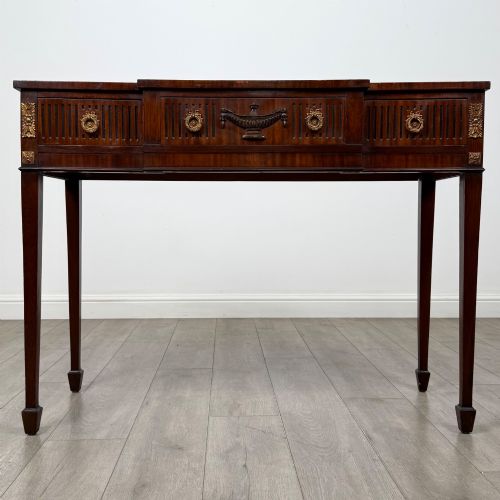
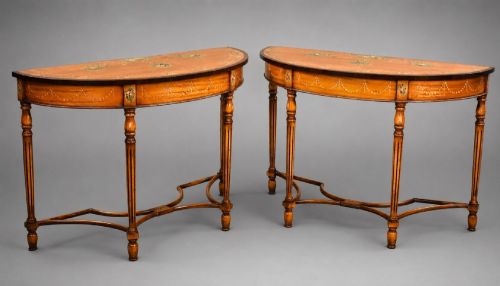
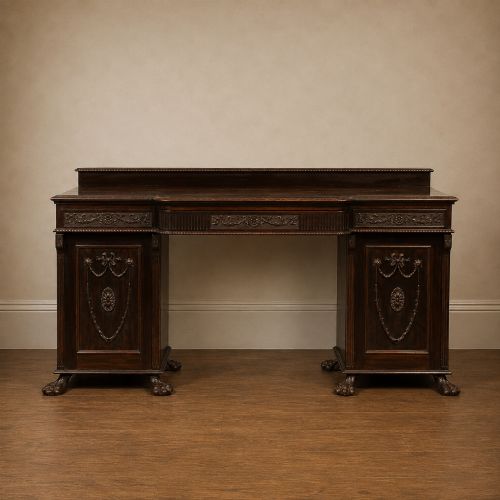
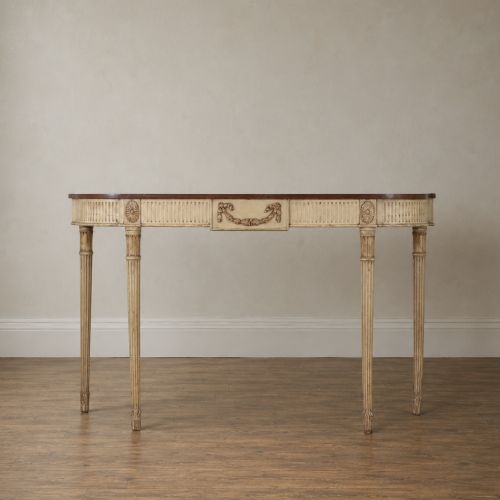
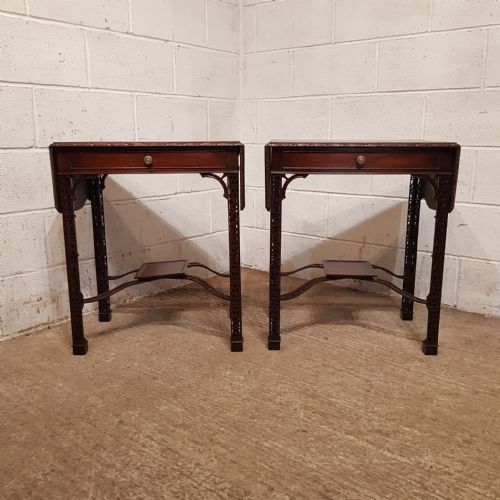
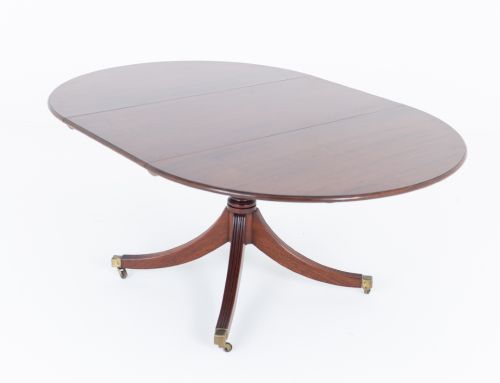
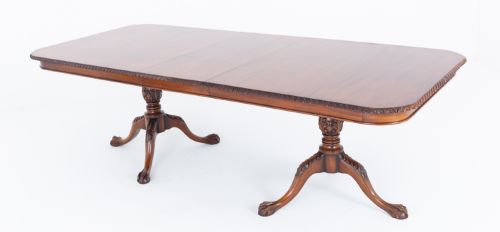
Georgian Revival Table
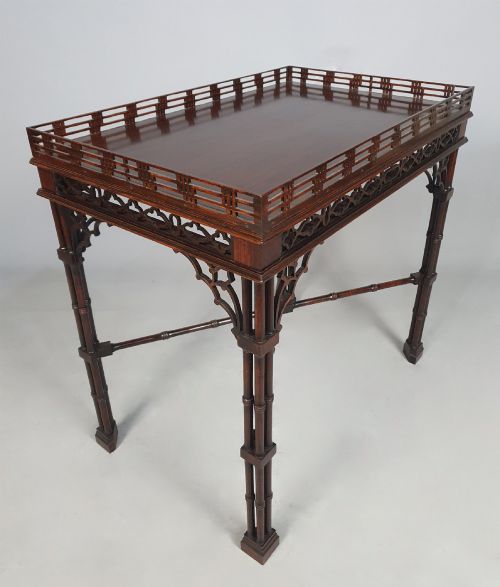
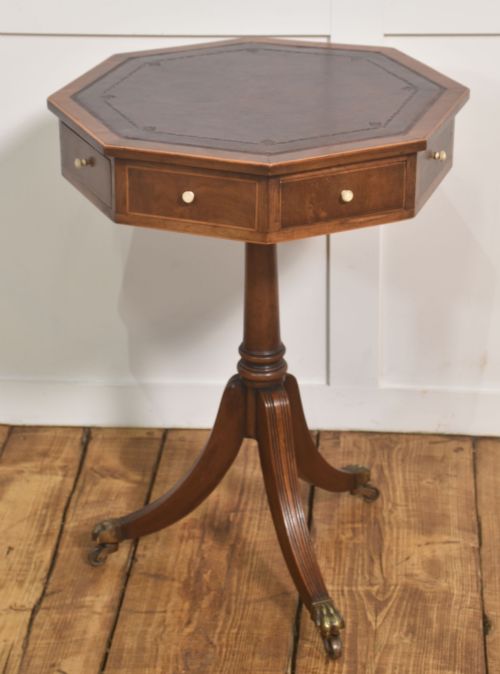
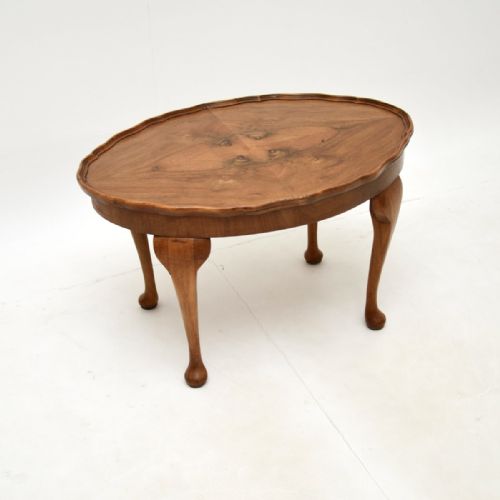
A georgian revival table brings eighteenth-century elegance into twentieth-century rooms through classic mahogany, walnut, and refined proportion.
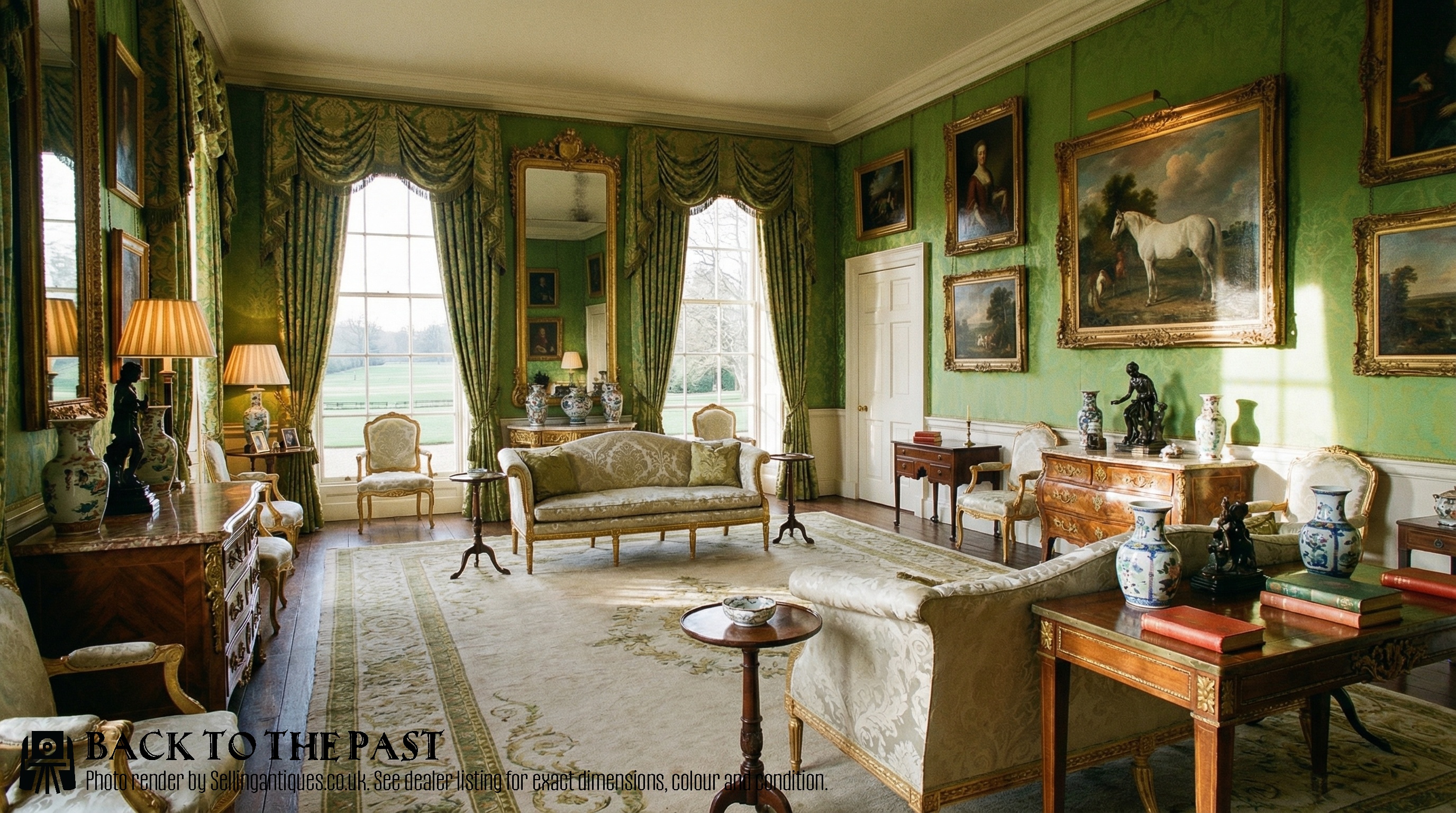
Form and Period
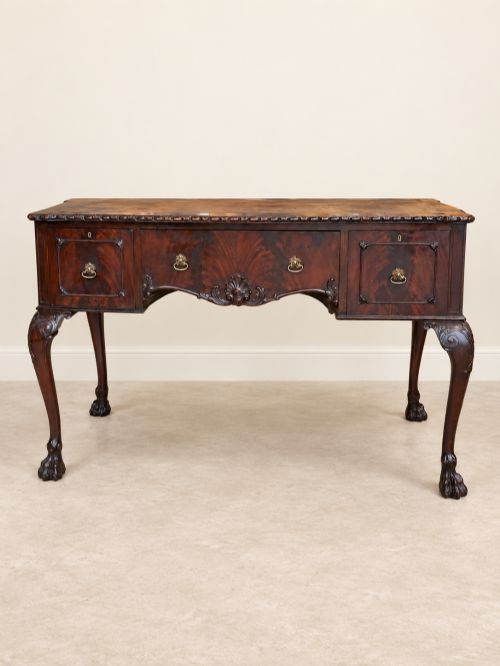
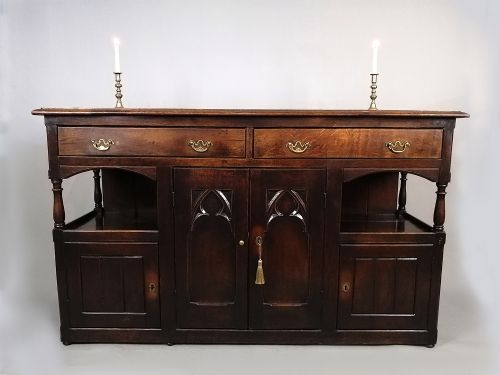
When you search for a georgian revival table, you encounter occasional furniture designed to echo the classic forms of the eighteenth century while drawing on nineteenth-century and early twentieth-century manufacture.
The pieces appearing on this page span several decades, reaching from the Victorian era and late nineteenth century through to the nineteen-twenties, incorporating both revivalist interpretations and older period adaptations.
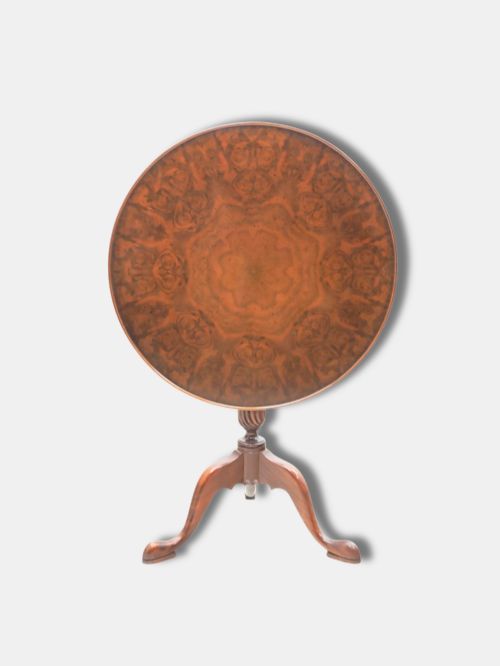
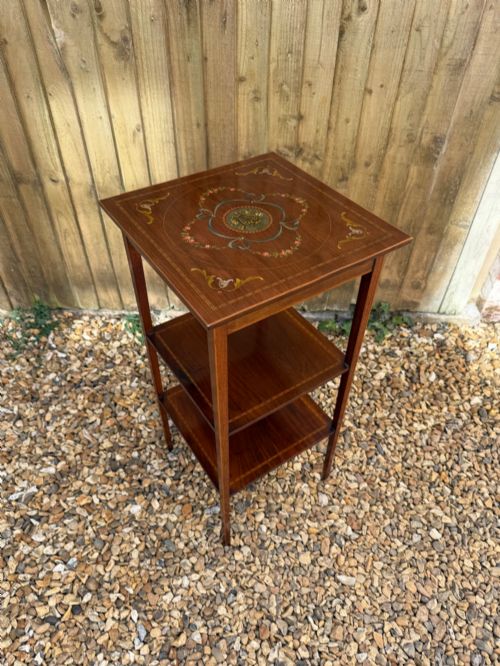
The forms vary widely, ranging from compact wine tables and bedside cupboards to drop leaf tables, games tables, and larger writing or centre tables.
The Measure of Quality
Distinctions in quality rest upon the selection of timber, such as figured mahogany or rich burr walnut, and the crispness of carved details or inlaid stringing.
Fine construction shows in the stability of folding mechanisms, the precise fit of drawers, and the thoughtful proportioning of legs and tops.
Retail Price Guide 2026
Typical UK retail prices for georgian revival table, calculated from the Sellingantiques database of over a million retail prices indexed since 2003. This retail price guide relies exclusively on Sellingantiques data; no external sources or auction records are used, so the figures do not describe the wider market.
Recorded periods span from the Victorian era and late nineteenth century through to nineteen-twenty.
Edwards and Roberts
The Georgian Revival Table Glossary
- Lowboy
- A small side table featuring one or more rows of drawers beneath the top. This form originated in the eighteenth century and found renewed favour in later revival pieces.
- Card table
- A folding table designed for games, typically featuring a hinged top that unfolds to reveal a baize-lined surface. These often stand on four legs, with one or two swinging out to support the open leaf.
- Dumb waiter
- A tiered stand or small table with multiple levels used for serving food or displaying items. Victorian and revival examples often feature revolving trays or graduated circular tiers.
- Stringing
- A narrow line of contrasting inlay used to outline the edges of table tops and drawers. This decorative technique highlights the geometry of the piece.
- Demi-lune
- A half-moon shape characteristic of side and console tables designed to sit flush against a wall. The curved front often incorporates crossbanding or fine stringing.
Frequently Asked Questions
How do I date a georgian revival table?
Dating relies on timber characteristics, secondary woods, and construction methods rather than stylistic clues alone. Revival pieces often combine eighteenth-century vocabulary with nineteenth-century or early twentieth-century hardware.
Examining drawer linings, screw types, and finish helps separate pieces made around nineteen-hundred from genuine earlier work.
Where should I place a wine table?
Wine tables suit compact spaces, functioning well beside armchairs or in unused corners. Their small tops accommodate a single glass or lamp without crowding a room.
Moving them is straightforward due to their lightweight construction, making them versatile additions to sitting rooms and studies.
What is a fold over card table used for?
These tables served primarily for card games and social gatherings in drawing rooms. When closed, they functioned as console or side tables against a wall.
Opening the top doubles the surface area, supported by a pivoting leg or swinging frame concealed within the frieze.
How do mahogany and walnut differ in these tables?
Mahogany offers a dense, reddish-brown ground that takes a deep polish and tolerates daily use. Walnut displays more varied grain patterns, particularly burr walnut, which provides rich figuring across table tops.
Both timbers were favoured during revival periods for their ability to emulate earlier eighteenth-century aesthetics.