
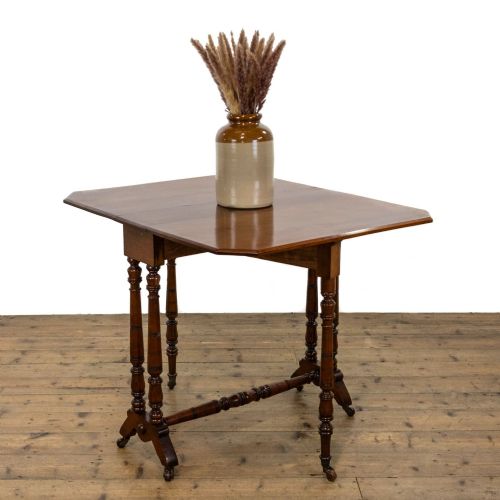
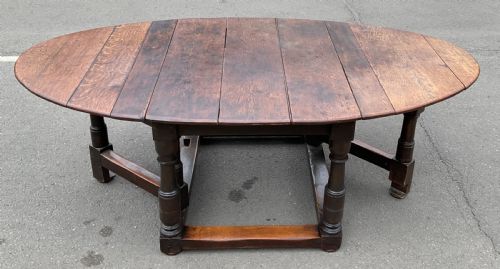
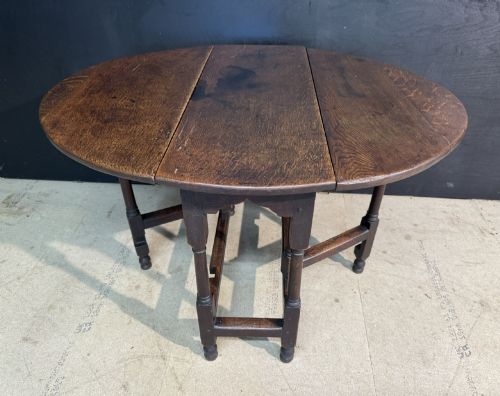
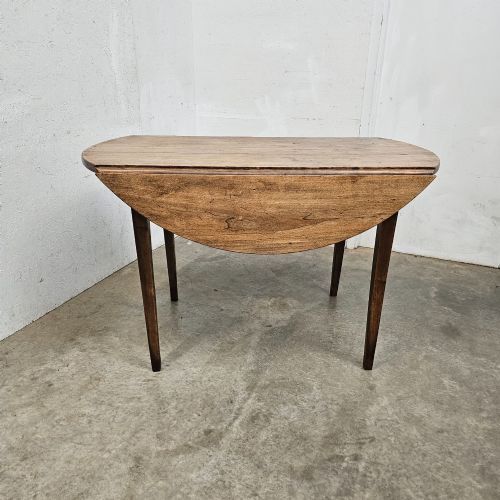

Vintage Gateleg Table
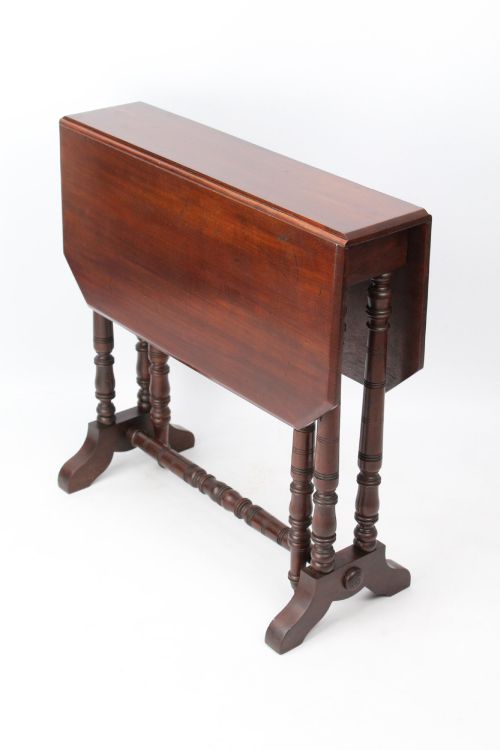
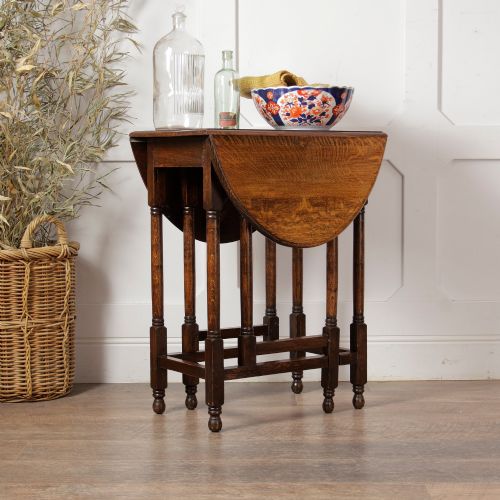
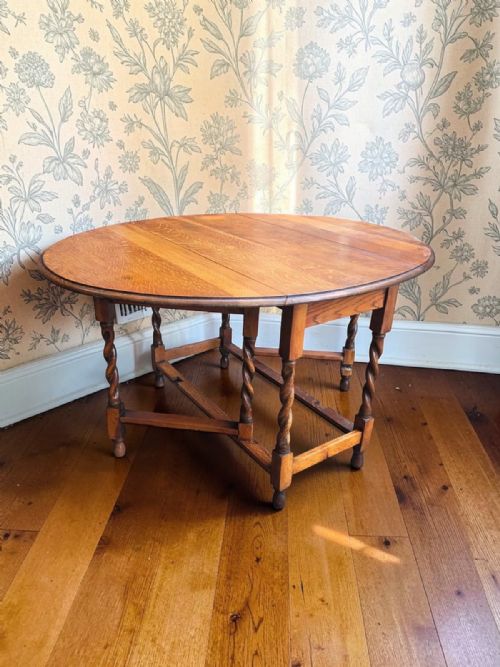
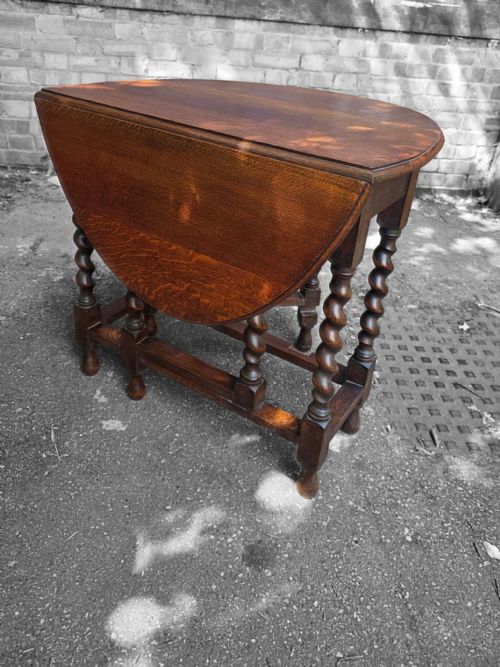
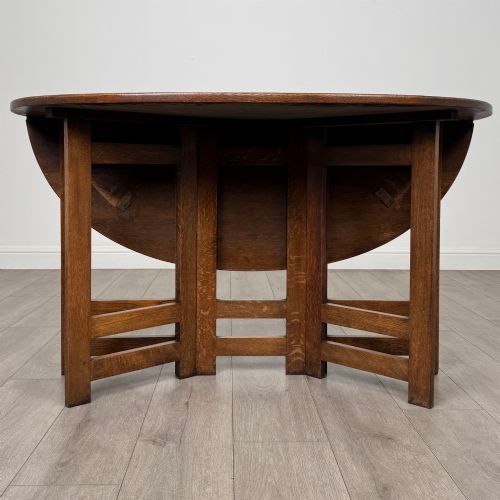
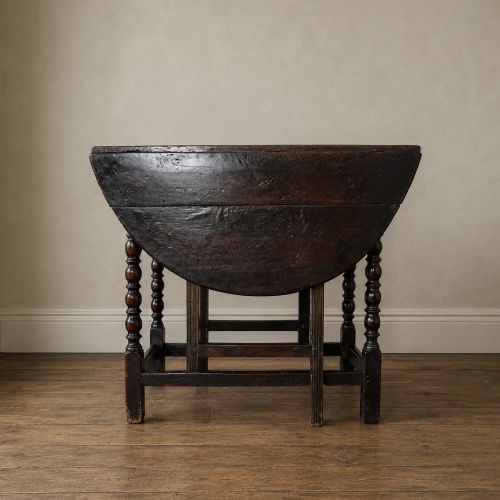
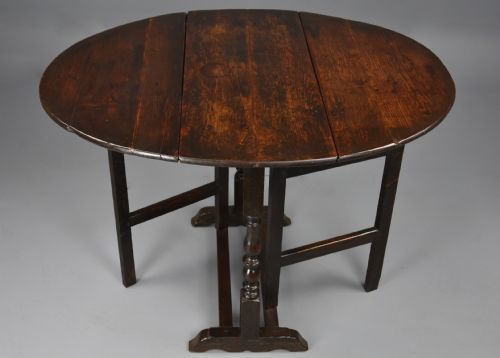
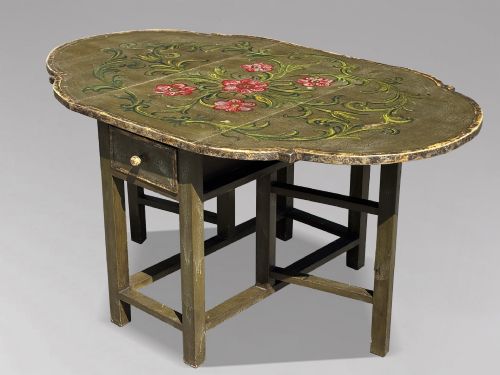
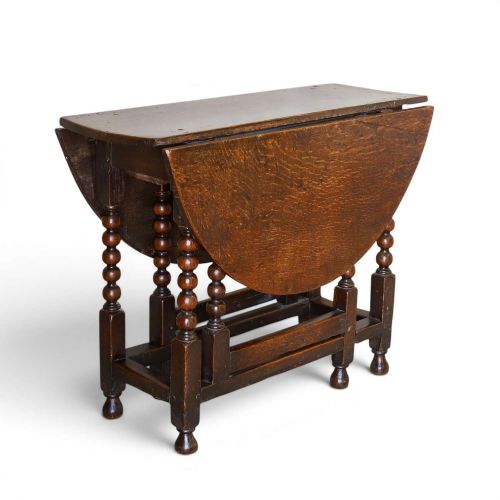
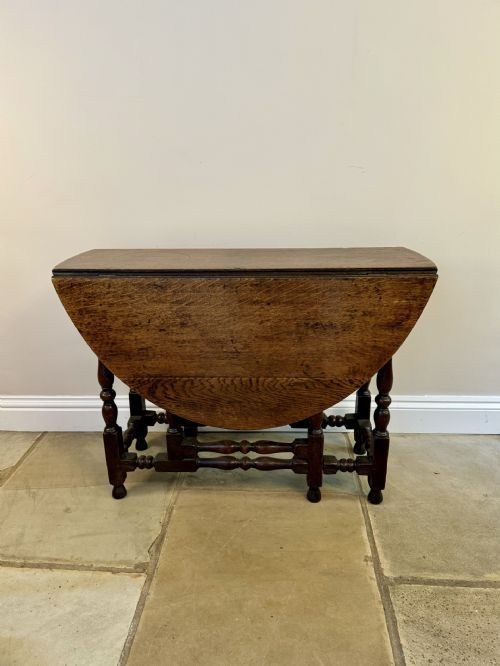
These vintage gateleg table examples combine hinged leaves with folding supports, offering adaptable dining and side surfaces for compact spaces.
What a vintage gateleg table is
The selections range from compact occasional side tables to large dining tables, spanning periods from the eighteenth century through the Victorian, Edwardian, and nineteen-twenties eras.
Buyers most frequently encounter oak and mahogany versions, reflecting the enduring popularity of both heavy timbers and lighter revival styles in domestic interiors.
How they were made
Cabinet makers constructed these tables primarily using solid oak, mahogany, elm, and occasional iron hinges or fixings to secure the pivoting wooden framework.
The drop leaf mechanism relies on precision joints and rotating leg frames that swing outward from a central fixed underframe to bear the weight of the extended leaves.
Retail Price Guide 2026
Typical UK retail prices for vintage gateleg table, calculated from the Sellingantiques database of over a million retail prices indexed since 2003. This retail price guide relies exclusively on Sellingantiques data; no external sources or auction records are used, so the figures do not describe the wider market.
Current selections include pieces from the 18th Century, 1860, 1920, and the Edwardian period.
What varies in quality
Quality rests upon the selection of timber and the stability of the swing action, where superior examples maintain tight joints and smooth movement in the gate mechanism.
Finer pieces display well-figured grain in the mahogany or honey oak surfaces, alongside sturdy construction that prevents the drop leaves from sagging under pressure.
The Vintage Gateleg Table Glossary
- Gateleg table
- A table with hinged leaves supported by swing-out legs. This clever design allows the surface area to double within seconds.
- Drop leaf table
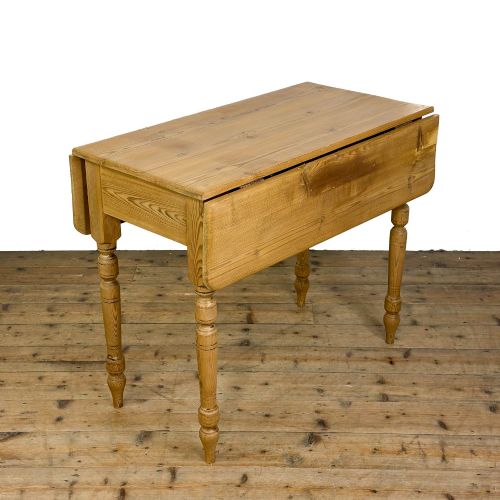
- A table with a fixed centre section and hinged flaps on either side. These flaps drop down when not in use to save space.
- Elm and oak
- Timbers commonly utilised in country furniture construction. Elm provides tough, resilient properties while oak offers strength and traditional grain.
Frequently Asked Questions
How do gateleg tables work?
The central fixed frame supports two hinged flaps that hang vertically when not in use. To expand the surface, you lift the leaf and swing the pivoted leg outward to lock it into position.
This clever gate mechanism provides substantial weight bearing capacity despite the table's narrow profile when folded.
Are these tables good for small spaces?
These tables excel in compact rooms because they fold flat against a wall or tuck neatly into a corner. You can extend one leaf for a compact desk or both leaves for a full meal.
Their dual nature makes them remarkably adaptable for modern flats and historic cottages alike.
What woods were used?
Makers utilised sturdy hardwoods such as oak, mahogany, and elm to ensure the swinging legs and hinged joints could withstand daily movement. Honey oak and rich mahogany dominate the surviving examples across different revival periods.
Each timber brings a distinct grain pattern and weight to the finished piece.
How do I date a gateleg table?
Dating relies on examining the timber species, hinge types, and stylistic indicators such as turned legs or revival motifs. Eighteenth century pieces typically show hand-worked joinery and aged timber patination.
Later Victorian and Edwardian interpretations often incorporate machine-cut elements and lighter woods like elm.