

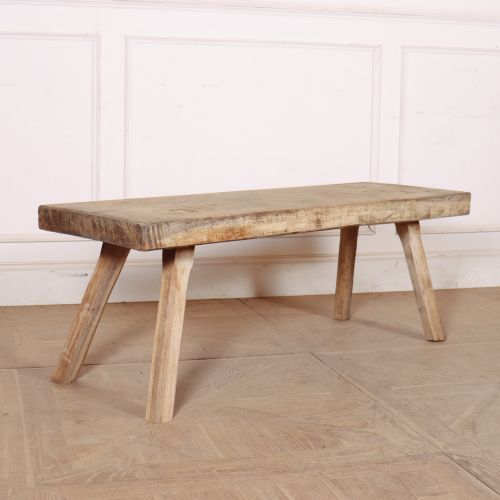
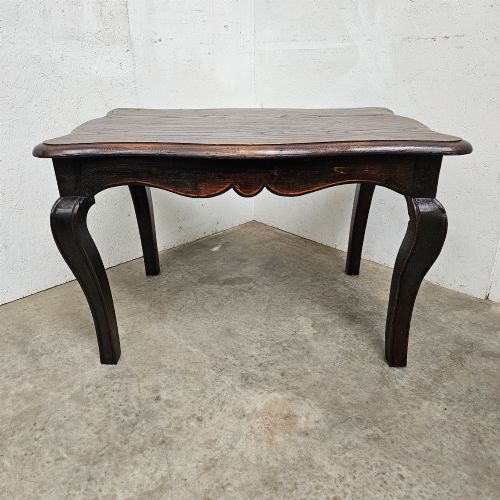


French Provincial Coffee Table
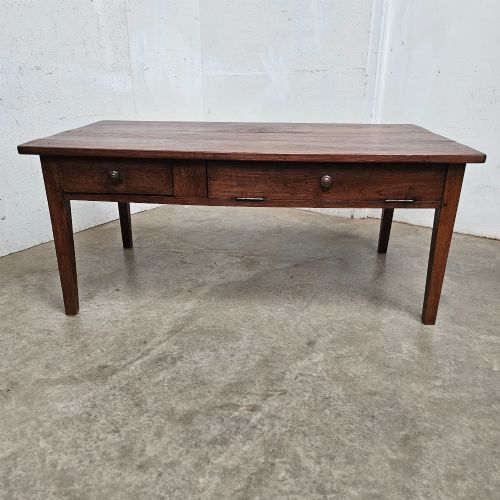
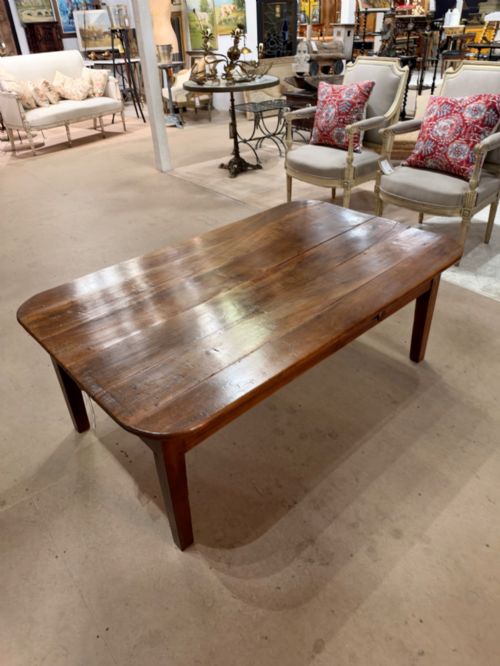
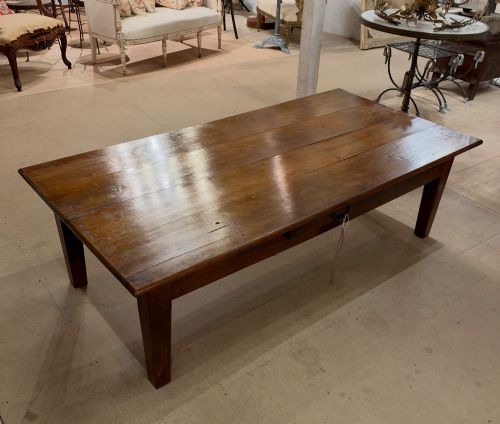
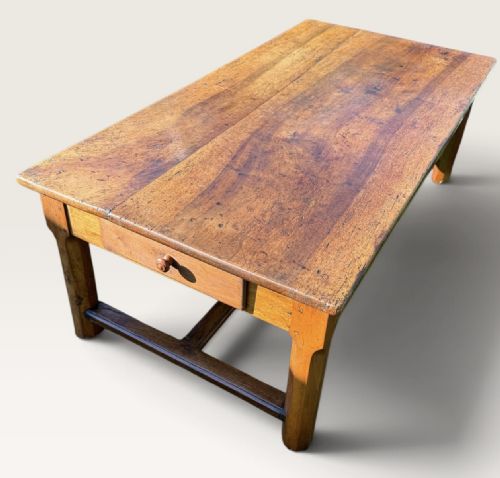
A french provincial coffee table brings rustic charm and timeless utility into a room through traditional regional craftsmanship.
French Provincial Coffee Table
When searching for a french provincial coffee table, a buyer finds low tables, side tables, and occasional pieces originating from regional France. These pieces span the eighteenth, nineteenth, and early twentieth centuries, reflecting rural domestic traditions rather than formal court tastes.
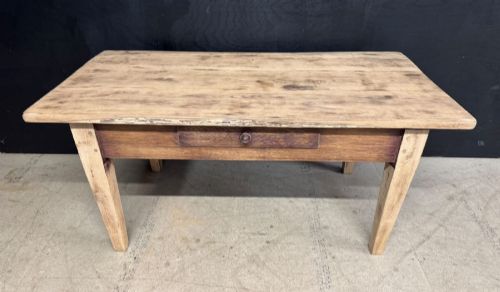
The version most commonly met on this page is constructed from robust timbers like oak, walnut, or fruitwood, often featuring low proportions suited for modern living rooms. Many examples show decades of honest use, translating into practical surfaces with deep patination.
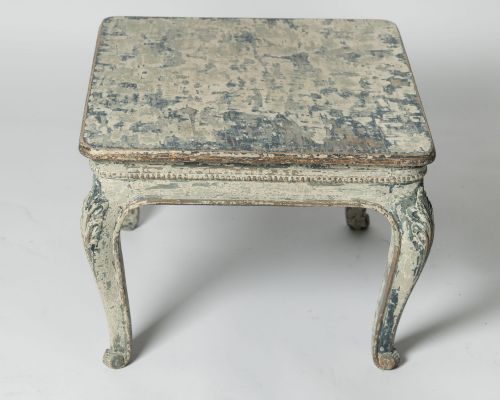
Beyond standard low tables, the selection includes adapted forms such as benches, window seats, and dough boxes repurposed for modern sitting rooms. These variations share a solid construction vocabulary rooted in provincial carpentry.
How they were made
Makers relied on regional hardwoods including oak, walnut, cherry wood, and chestnut, selected for durability and local availability. Surfaces often display straightforward joinery, pegged tenons, and hand-planed boards that reveal the working methods of country joiners.
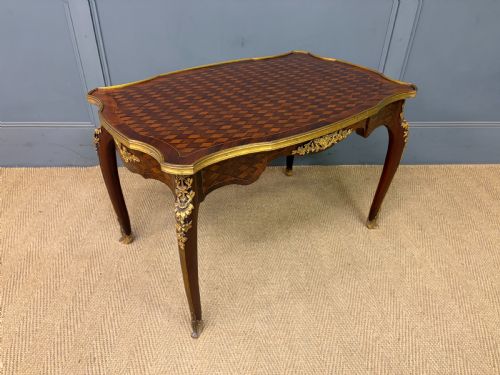
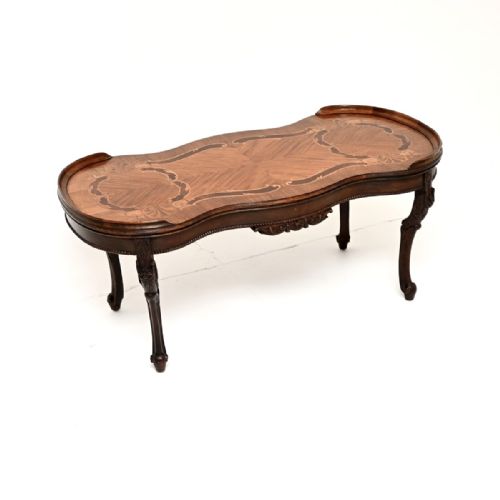
Decorative touches appear through restrained carving, inlaid marquetry, parquetry patterns, or occasional marble and brass additions. Scrubbed finishes on sycamore and elm demonstrate the practical nature of working furniture designed for daily utility.
French Provincial Coffee Table Retail Price Guide 2026
Typical asking prices for french provincial coffee table among the pieces listed under this phrase on Sellingantiques today, from the lower quarter to the upper quarter. They describe what is for sale here now, not the wider market.
Listings feature oak, walnut, fruitwood, and chestnut, alongside marble-topped variants from the eighteenth to the twentieth centuries.
What varies in quality
The standard of a french provincial coffee table rests on the integrity of its timber and the honesty of its proportions. Tables retaining their original unadulterated tops and natural patination command greater interest than heavily restored or altered examples.
Subtleties in regional carving and the crispness of turned legs separate standard utility pieces from finer country craftsmanship. The weight of the timber and the balance of the underframe dictate how well the piece sits within a room.
The French Provincial Coffee Table Glossary
- Fruitwood
- Timber sourced from fruit-bearing trees such as cherry, apple, or pear. Provincial makers favoured these dense woods for their warm tone and fine grain.
- Parquetry
- Geometric wood inlay work arranged in patterns such as chequers or diagonals. This technique decorates the tabletops of finer provincial pieces.
- Marquetry
- The art of applying veneer slices into pictorial or decorative motifs on furniture surfaces. Floral designs frequently appear on twentieth-century interpretations.
- Sycamore
- A pale hardwood often paired with elm or oak in regional trestle tables. It provides a durable, light-toned surface when scrubbed clean.
- Patina
- The surface sheen and deep colour developed by wood through age and handling. This gradual change marks genuine antique character.
French Provincial Coffee Table: Frequently Asked Questions
Are these authentic period tables?
The pieces span various periods, ranging from eighteenth-century originals to nineteenth-century vernacular furniture and early twentieth-century revivals. Each listing details the specific era of production.
Provincial furniture often continued traditional regional designs long after urban styles shifted, making period identification rely heavily on wood movement, joinery methods, and wear patterns.
How do I clean wooden tops?
Maintenance requires little more than a soft cloth and occasional application of appropriate natural wax to nourish the grain. Avoid modern chemical sprays that can strip historic finishes.
Timbers like oak and walnut benefit from gentle dusting to preserve the natural patination built up over centuries of domestic use.
Can marble top tables handle daily use?
Marble surfaces provide a durable, heat-resistant top that easily handles daily sitting room activities. Natural stone requires simple wiping with damp cloths to prevent staining.
These stone inserts sit within wooden frames, combining solid regional carpentry with classical decorative elements popular in nineteenth-century designs.
What woods were commonly used?
Makers utilised regional timbers readily available in the French countryside, predominantly oak, walnut, cherry wood, and chestnut. Sycamore and elm also appear in trestle and low table constructions.
Each wood species ages differently, yielding distinct surface textures and colour depths that define the character of provincial furniture.