

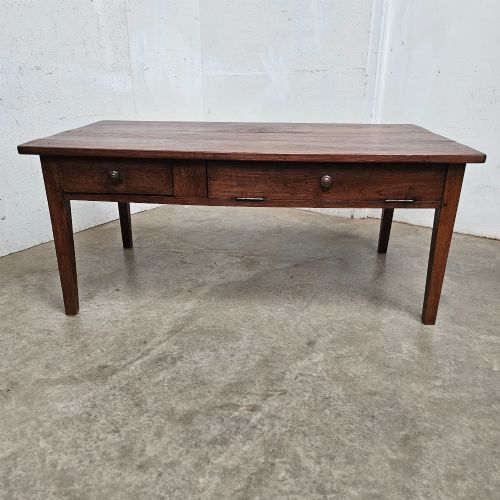
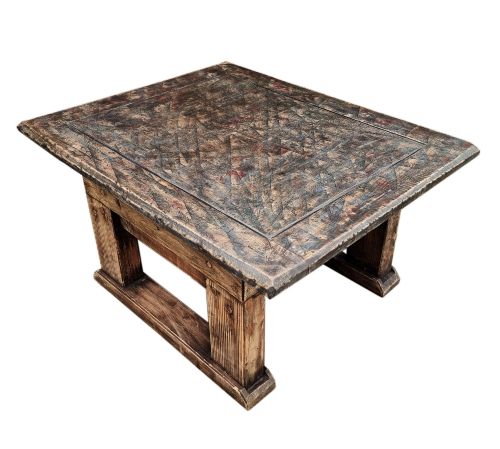
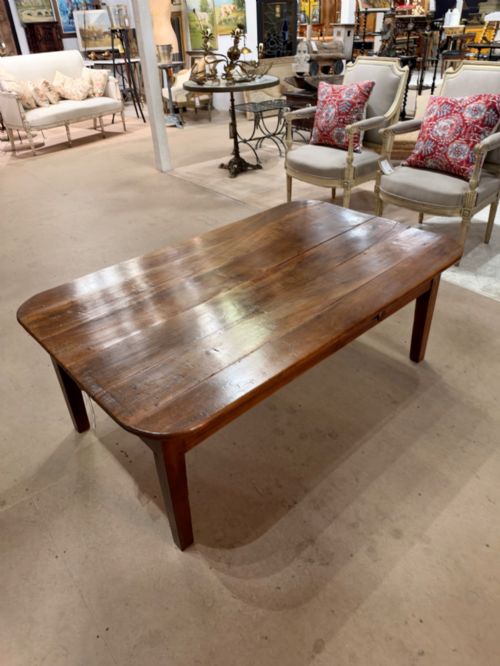
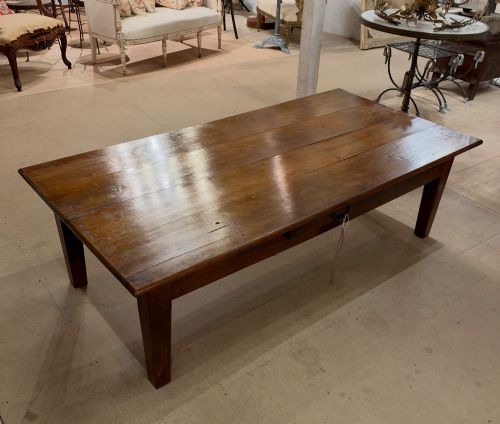
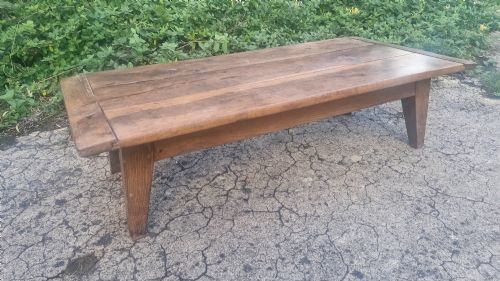
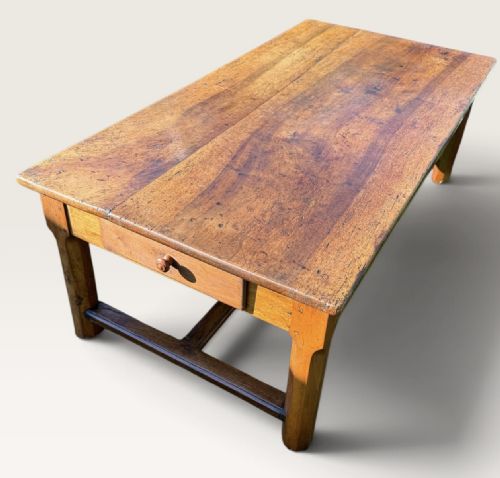
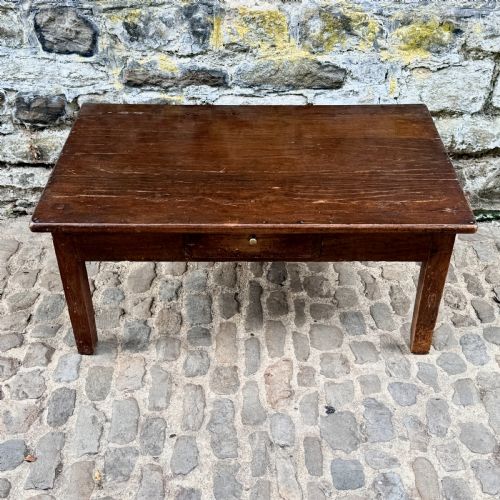
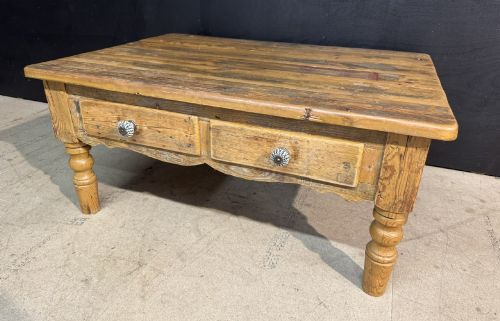
Rustic Farmhouse Low Table
A rustic farmhouse low table brings grounded timber warmth and low-slung utility into a modern room.
Rustic Farmhouse Low Table
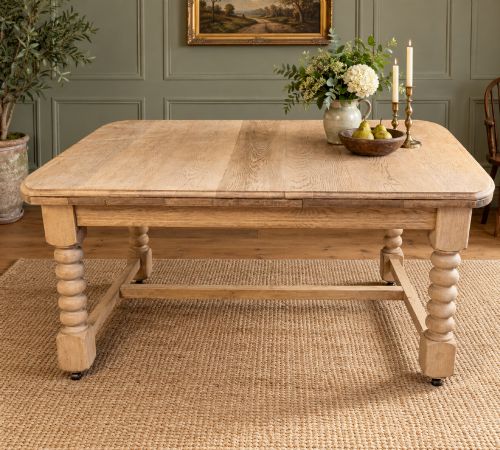
A rustic farmhouse low table grounds a sitting room with the honest proportions and weathered timber of historical domestic work surfaces. When you search for this phrase, you meet low coffee tables, low benches, and scrub-top plank tables adapted from earlier full-height furniture.
The pieces on this page span the eighteenth and nineteenth centuries through to the twentieth century, drawing on English, French, Scottish, Austrian, and Hungarian country traditions. Pine and oak dominate the selection, often accompanied by elm, walnut, fruitwood, and sycamore.
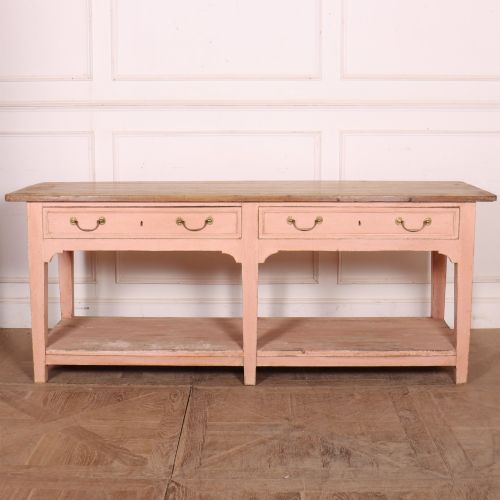
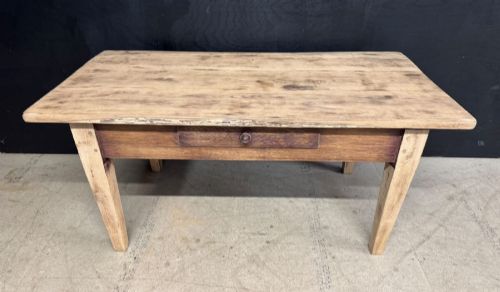
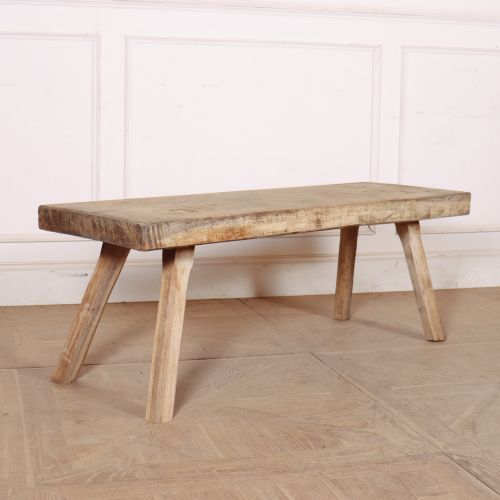
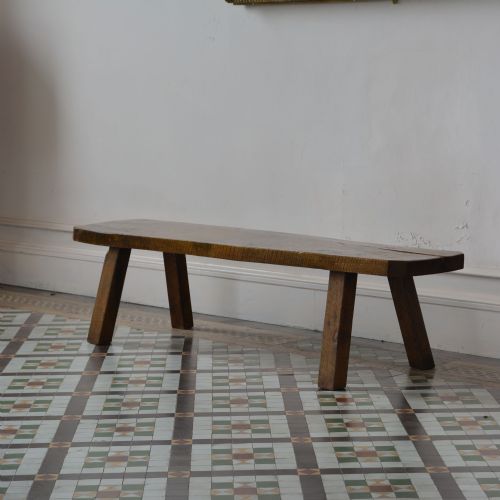
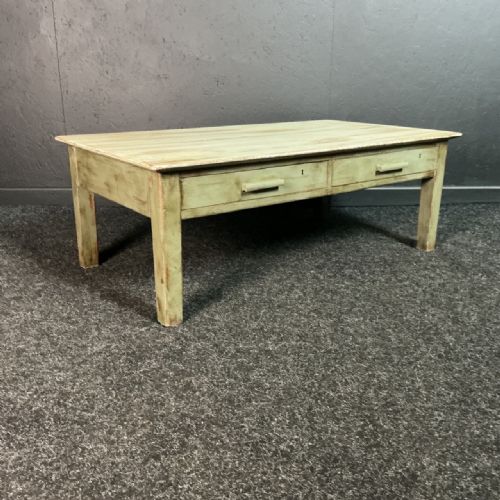
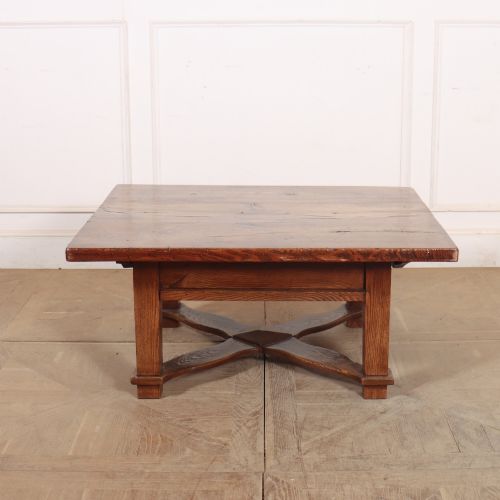
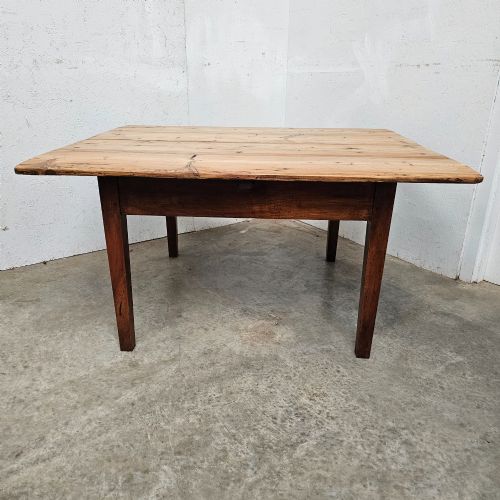
Forms range from simple plank-top trestle tables and turned-leg coffee tables to converted pig benches and cheese press tables. Each piece carries the marks of practical past use, offering a low surface suited to contemporary living rooms.
Materials and construction methods
Carpenters built these tables from robust domestic hardwoods and softwoods like oak, pine, elm, and walnut, selecting timber for strength and straight grain. Planks were joined solidly to withstand heavy daily labour in kitchens, dairies, and farmhouses.
Surfaces frequently show the effects of vigorous scrubbing, leaving pale scrubbed tops in pine, sycamore, or fruitwood contrasted with darker frames. Structural joints rely on traditional pegging and sturdy turnings rather than metal fixings.
Rustic Farmhouse Low Table Retail Price Guide 2026
Typical asking prices for rustic farmhouse low table among the pieces listed under this phrase on Sellingantiques today, from the lower quarter to the upper quarter. They describe what is for sale here now, not the wider market.
Current forms span low coffee tables, pig benches, trestle tables, and cheese press tables originating from English, French, and Hungarian traditions.
Assessing quality and character
Quality rests in the integrity of the original timber and the honesty of the conversion from a taller working table or bench to a low proportion. Untouched surface patination, developed through decades of domestic wear, distinguishes finer examples from later reproductions.
Proportion and timber selection dictate the visual weight of the piece, with dense grain in walnut, oak, or cherry offering a different presence to pale scrubbed pine. The clarity of hand-tool marks and the survival of original side drawers or brass details add distinct degrees of character.
The Rustic Farmhouse Low Table Glossary
- Pig bench
- A low wooden bench traditionally used in agricultural preparation, now repurposed as a narrow low table. These pieces usually feature thick plank tops and sturdy legs.
- Scrub top
- A wooden tabletop cleaned repeatedly with water and a stiff brush over generations, leaving the grain raised and bleached pale. This finish is typical of utilitarian kitchen and dairy tables.
- Trestle table
- A table supported by two or more trestles or framed uprights rather than four corner legs. This construction allows for maximum legroom beneath the top.
- Potboard dresser base
- The lower section of a kitchen dresser featuring a low storage shelf beneath the main surface. They provide substantial low storage and display space.
- Cheese press table
- A heavy utilitarian table associated with dairy production, adapted for modern domestic use. Their sturdy frames reflect industrial agricultural origins.
Rustic Farmhouse Low Table: Frequently Asked Questions
What is a rustic farmhouse low table?
These pieces are low-slung wooden tables created from historical country furniture, including converted work benches, dairy tables, and coffee tables.
They bring tactile timber grain and patinated surfaces into modern living spaces while retaining their functional agricultural heritage.
How were these tables originally used?
Many began life as full-height kitchen work tables, cheese presses, pig benches, or dairy dressers used in daily farm labour.
Over time, carpenters and owners lowered or adapted these sturdy surfaces to serve as low coffee tables and casual seating accompaniments.
How do I style a low farmhouse table?
Pair the natural timber grain and scrubbed surfaces with upholstered seating to create a balanced textural contrast in a sitting room.
Allow the weathered patination and tool marks to remain visible as a central focal point rather than covering the surface entirely.
How do I tell periods apart?
Eighteenth and early nineteenth-century examples often display deeper patination in oak, walnut, or fruitwood, alongside hand-cut joinery.
Later Victorian and Edwardian pieces frequently utilise pine or sycamore with simpler turned legs and lighter scrubbed finishes.