

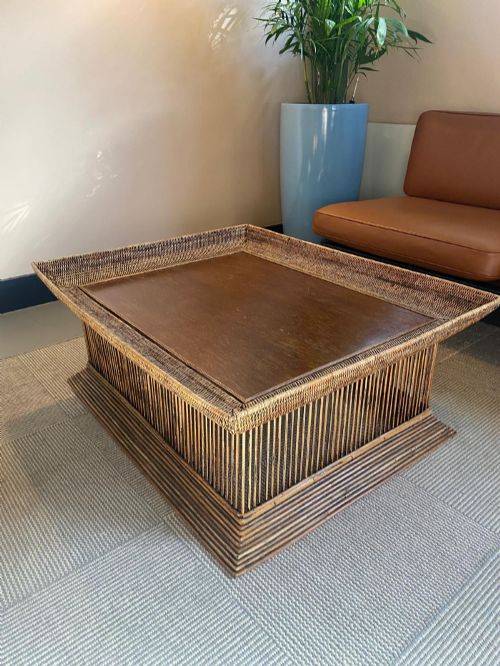
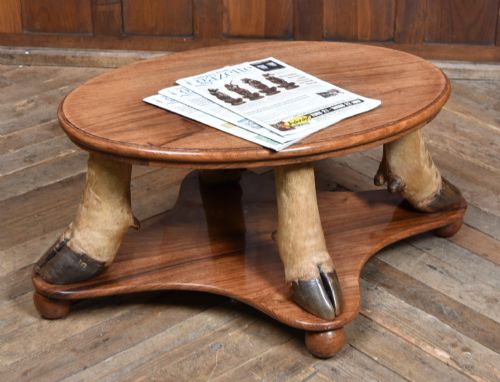
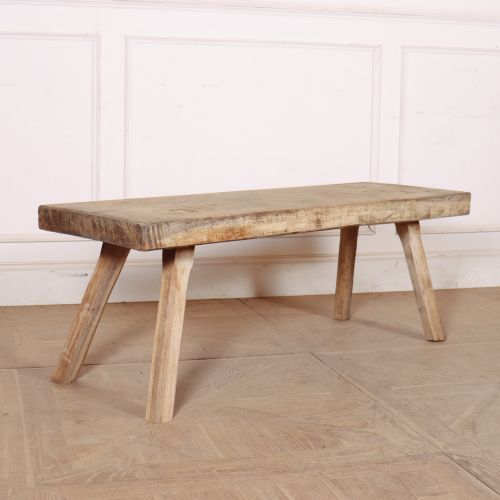
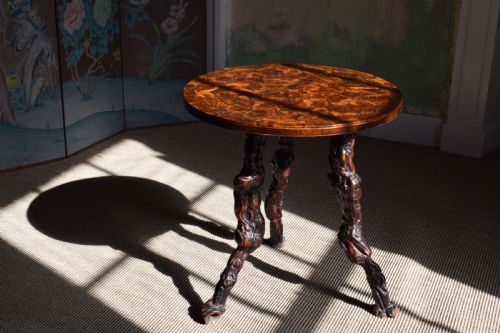
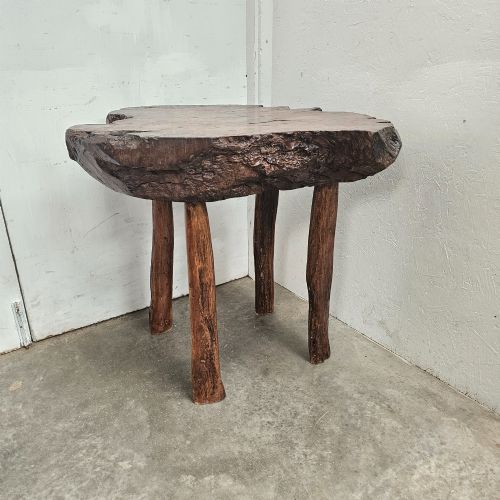


Natural Wood Coffee Table
A natural wood coffee table brings warmth and grain directly to a room, offering practical surface space anchored in timber history.

Natural Wood Coffee Table
A natural wood coffee table spans several centuries of domestic furniture, running from eighteenth century primitive works through Edwardian pine editions and nineteen hundreds farmhouse designs. Buyers examining a natural wood coffee table encounter low tables, side tables, and farmhouse formats shaped by practical everyday use.
The selections on this page lean heavily into rustic farmhouse and French provincial styles, utilising solid timbers rather than veneered surfaces. These low tables serve central living spaces with straightforward utility and honest construction.
Origins stretch across British, French, and Spanish workshops, recording vernacular traditions where timber availability dictated local manufacture. A natural wood coffee table from these traditions relies on robust proportions rather than courtly ornament.
How they were made
Construction relies upon solid timber species including pine, oak, sycamore, and cherrywood, chosen for durability and local availability. Makers joined planks using traditional methods suitable for everyday furniture.
Some examples incorporate functional additions such as drawers integrated into the apron beneath the top board, as seen in French provincial cherrywood pieces. Surface finishes remain simple, allowing the natural grain of the wood to remain visible.
Natural Wood Coffee Table Retail Price Guide 2026
Typical asking prices for natural wood coffee table among the pieces listed under this phrase on Sellingantiques today, from the lower quarter to the upper quarter. They describe what is for sale here now, not the wider market.
Listings feature four distinct timber species: pine, oak, sycamore, and cherrywood.
What varies in quality
Quality differences rest in the selection of timber and the integrity of the joinery rather than surface decoration. Eighteenth century primitive works show different handling of material compared to Edwardian production, reflecting the tools and time available to the maker.
The choice of denser hardwoods like oak and cherrywood against softer pine changes the weight and endurance of the piece over generations of domestic use.
The Natural Wood Coffee Table Glossary
- Pine
- A soft timber widely utilised in nineteenth and twentieth century farmhouse tables for its accessibility and straight grain. It takes on a rich patina through decades of household contact.
- Cherrywood
- A dense hardwood favoured in French provincial furniture making for its warm tone and fine texture. It provides a stable surface for tables subjected to daily duties.
- Sycamore
- A light coloured hardwood often paired with oak in late nineteenth century tables to create subtle tonal contrast across the surface. This timber offers resilience against heavy wear.
- Primitive
- A descriptive term for furniture made outside urban workshops, prioritising immediate utility over refined stylistic conventions. These pieces exhibit straightforward construction methods.
- Apron
- The wooden board fixed beneath the top edge of a table to connect the legs and support any integrated drawers. It frames the space beneath the surface.
Natural Wood Coffee Table: Frequently Asked Questions
What is a natural wood coffee table?
A natural wood coffee table is a low surface constructed from solid timbers such as pine, oak, sycamore, or cherrywood without synthetic overlays. These pieces originate from farmhouse and provincial traditions dating from the eighteenth century into the twentieth century.
Such tables provide sturdy function for living areas while displaying the natural grain and age marks of the wood. They range from primitive rustic formats to French provincial designs with drawers.
How do I care for a wooden table?
Wooden tables require minimal intervention beyond regular dusting and protection from excessive moisture or direct heat sources. Keeping the timber away from rapid temperature shifts prevents the solid boards from splitting.
Applying natural waxes periodically helps nourish the grain of pine, oak, or cherrywood without sealing the surface beneath a heavy plastic coating.
How do I date an old wooden table?
Dating relies upon observing tool marks, timber species, construction joints, and overall wear patterns consistent with specific periods like the Edwardian era or the eighteenth century. Primitive tables often show hand hewn marks and simpler fastening methods.
Comparing the style, such as French provincial versus British farmhouse, alongside the specific wood used helps narrow the manufacturing timeframe.