


Carved Walnut Low Table
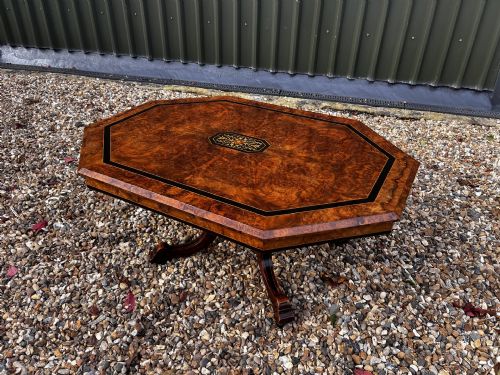
A carved walnut low table brings rich grain and practical surface height to a room, drawing on revival styles from the eighteenth century onwards.

Carved Walnut Low Table
A carved walnut low table combines sturdy timber construction with low-set proportions designed for modern and traditional interiors alike. When you search for carved walnut low table, you encounter pieces spanning from the Victorian era up to the nineteen-thirties, with earlier eighteenth-century examples appearing occasionally.
The selection includes specific coffee tables alongside low centre tables, occasional tables, and console formats adapted for lower heights. Walnut dominates the material palette, often paired with burr veneers and occasional brass details.
Revival aesthetics strongly shape these items, drawing heavily on Queen Anne, Georgian, and Rococo traditions alongside French provincial and chateau influences. Buyers frequently find pieces reflecting nineteenth-century craftsmanship as well as early twentieth-century revivals.
How they were made
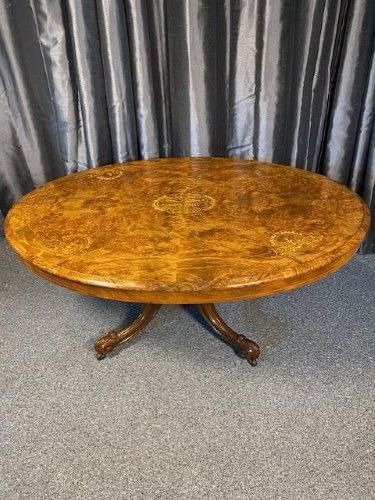
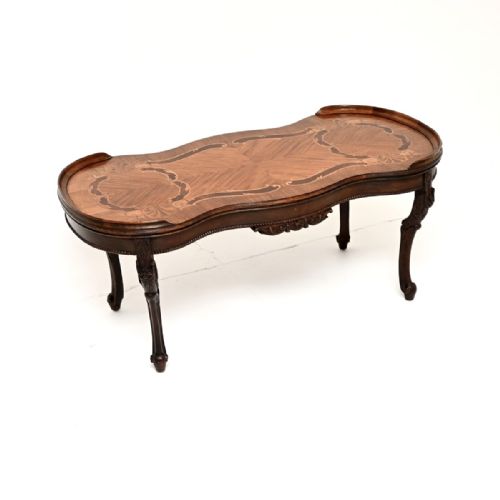
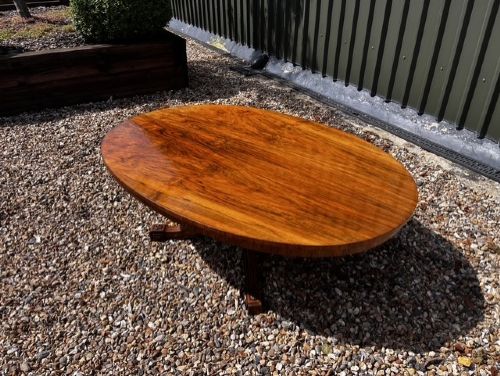
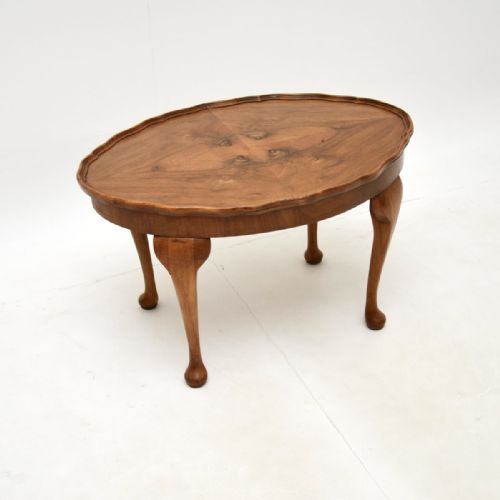
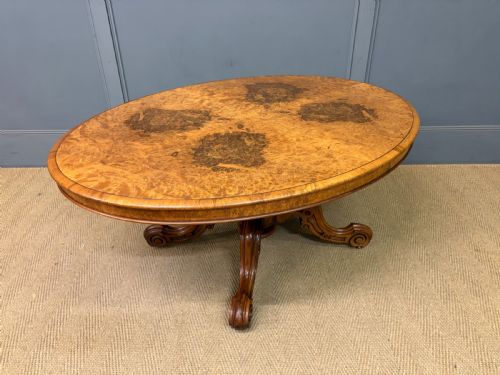
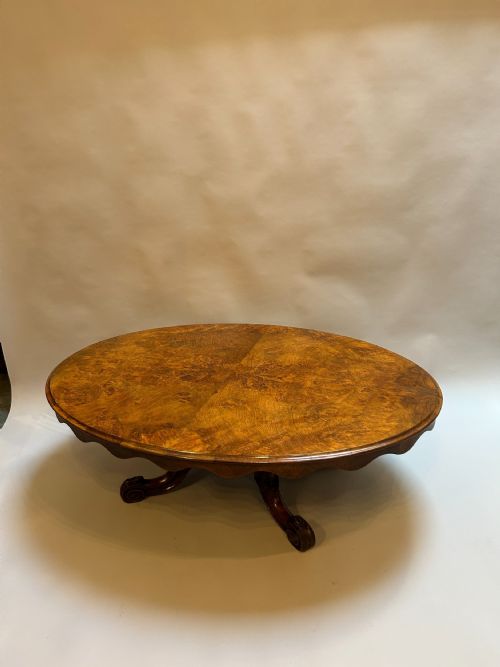
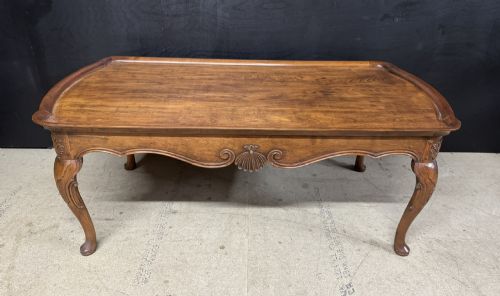
Makers utilised solid walnut and hardwood timbers, frequently applying burr walnut veneer to tabletops to highlight the swirling grain patterns of the wood. Some surfaces incorporate leather inserts or touches of gold leaf, combining traditional joinery with decorative finishes.
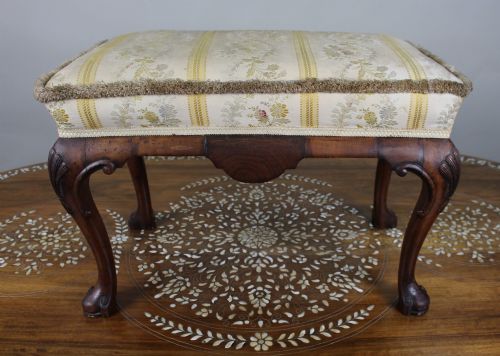
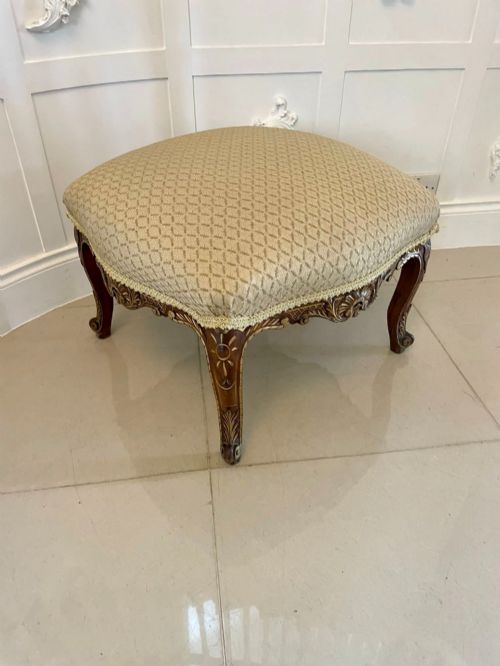
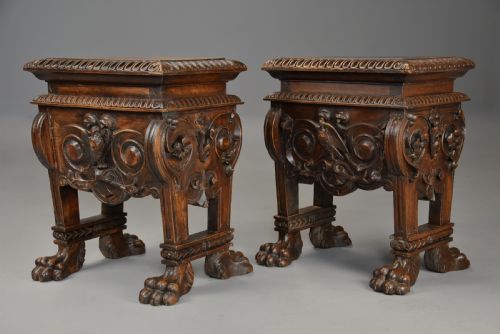
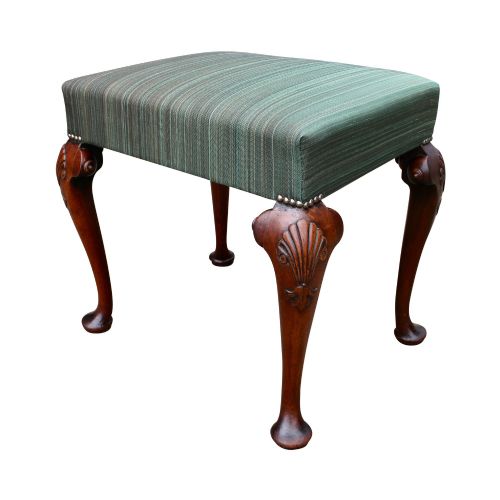
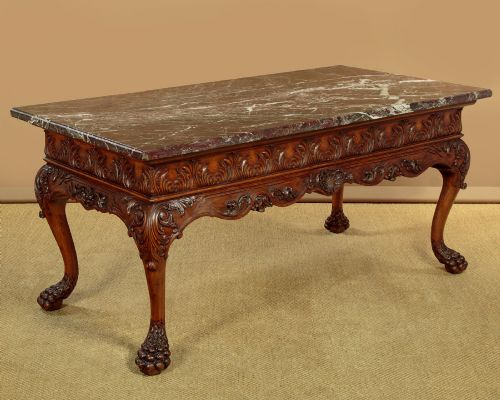
Carving serves as the primary ornamentation, shaping cabriole legs, edges, and aprons in styles ranging from restrained Georgian revival motifs to elaborate Rococo curves. Brass fittings appear on select items to accent drawers or structural mounts.
Carved Walnut Low Table Retail Price Guide 2026
Typical asking prices for carved walnut low table among the pieces listed under this phrase on Sellingantiques today, from the lower quarter to the upper quarter. They describe what is for sale here now, not the wider market.
Even nineteenth-century cabinetmakers could not resist the occasional flourish of gold leaf to brighten a gloomy parlor.
What varies in quality
The distinction between standard production and superior examples lies in the depth and sharpness of the hand-carving and the choice of timber figure. High-grade pieces display densely patterned burr walnut veneers matched symmetrically across the surface, whereas lesser examples rely on plain timber boards.
Construction methods also separate the range, with superior tables showing precise joinery and balanced proportions that maintain stability at low heights. The integration of period details, such as well-executed Queen Anne revival legs or crisp Rococo moulding, elevates the overall execution.
The Carved Walnut Low Table Glossary
- Burr walnut
- A wood veneer taken from the warted growths on walnut trees, prized for its intricate, swirling grain patterns. It creates highly decorative tabletops on revival and antique furniture.
- Cabriole leg
- A furniture leg that curves out and then narrows in, typically ending in a pad or claw foot. This form is common in Queen Anne and Rococo revival styles.
- Low centre table
- A freestanding table designed to sit low in a room, often serving a similar function to a modern coffee table. These pieces frequently feature carved aprons and legs.
- Occasional table
- A small, movable table intended for specific, intermittent use within a living space. They appear in various revival styles across the nineteenth and twentieth centuries.
- Console table
- A table designed to stand against a wall, sometimes adapted into lower formats for domestic use. Earlier examples often featured marble tops or elaborate underframes.
Carved Walnut Low Table: Frequently Asked Questions
What periods do these tables come from?
The available selection spans from the eighteenth century through the nineteenth century and into the early decades of the twentieth century, including nineteen-ten, nineteen-twenty, and nineteen-thirty.
Many pieces reflect later revivals of earlier historical styles rather than originating in the primary period of that style.
Are these tables suitable for everyday use?
Most pieces function well as coffee tables or low occasional surfaces in contemporary living rooms, offering sturdy timber construction.
Care should be taken with veneered surfaces and polished finishes to protect against moisture and heavy daily wear.
What is the difference between a centre table and a coffee table?
Traditional centre tables were designed to stand free in the middle of a room, while coffee tables are specifically built lower for use beside seating.
Many antique low centre tables are now utilised as coffee tables due to their accommodating proportions.
What styles are most common?
Revival aesthetics dominate, particularly Queen Anne revival, Georgian revival, and Rococo revival, alongside French chateau and provincial designs.
These styles incorporate ornamental carving, curved legs, and traditional silhouettes adapted from earlier centuries.