

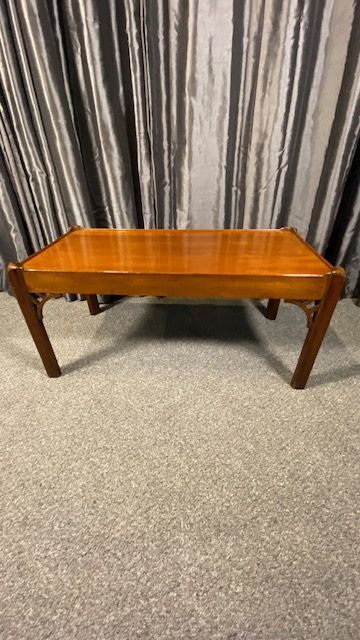
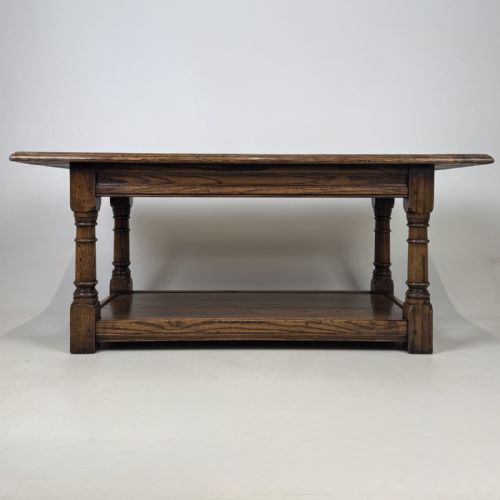


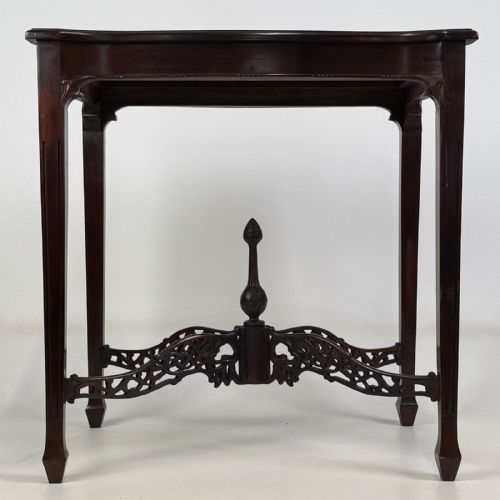
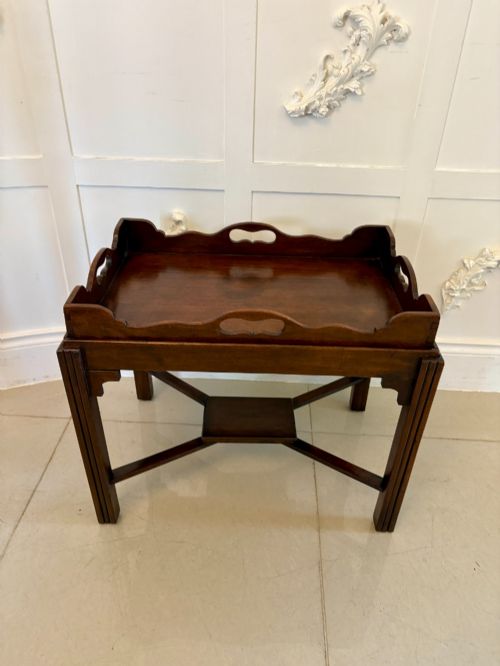
Carved Wooden Coffee Table
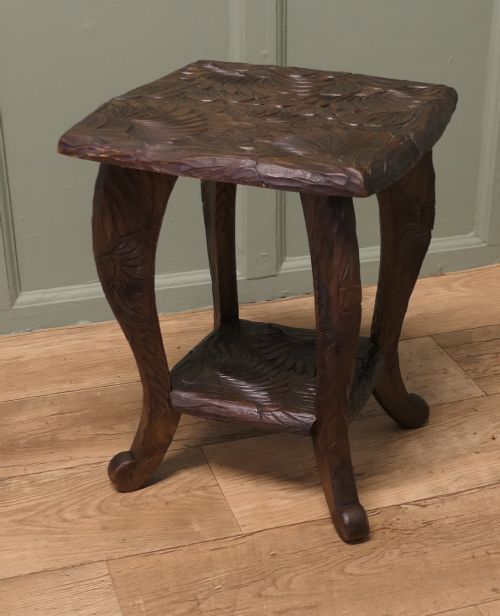
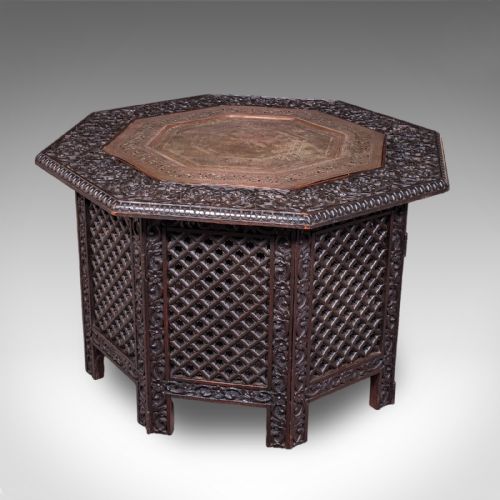
A carved wooden coffee table brings tactile depth and distinct regional character to a room, drawing the eye with intricate surface work and dense grain.
Carved Wooden Coffee Table
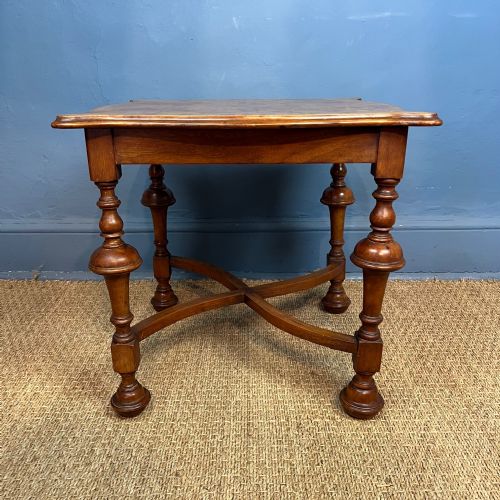
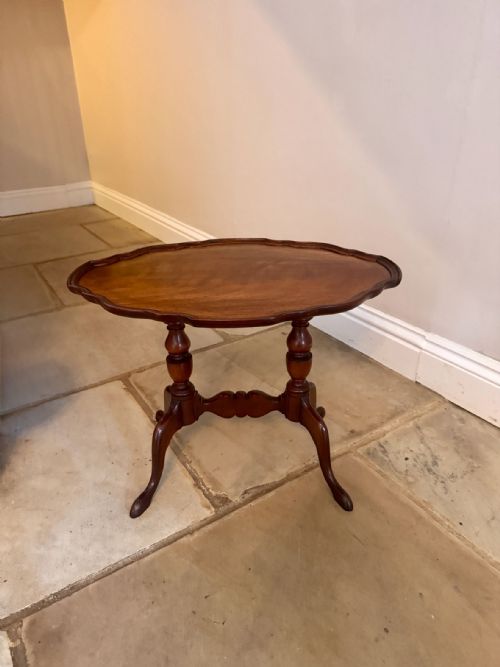
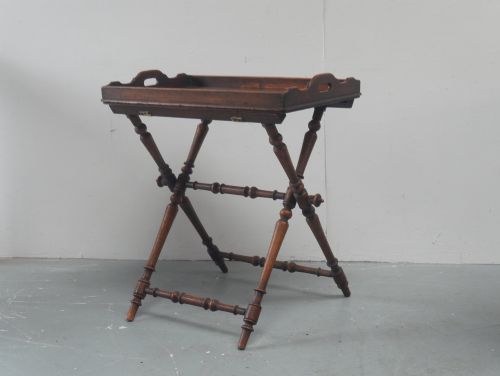
When you search for a carved wooden coffee table, you encounter a broad geographical mix ranging from English oak and French walnut to Anglo-Indian hardwood, Chinese rosewood, and Moorish or Damascus pieces. The form adapts traditional low tables, folding tray tables, wine tables, and occasional stands into domestic surfaces suited for modern seating arrangements.
The material palette is anchored by hardwoods, walnut, teak, padouk, and oak, often paired with brass, mother of pearl inlay, marble, or glass panels. These pieces span the eighteenth, nineteenth, and twentieth centuries, including Edwardian, Victorian, and revival styles alongside distinct regional workshop outputs.
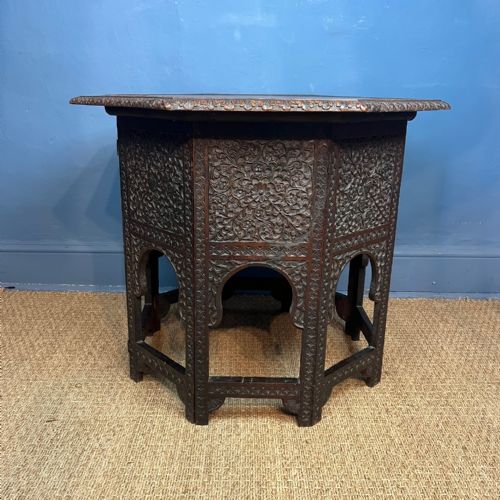
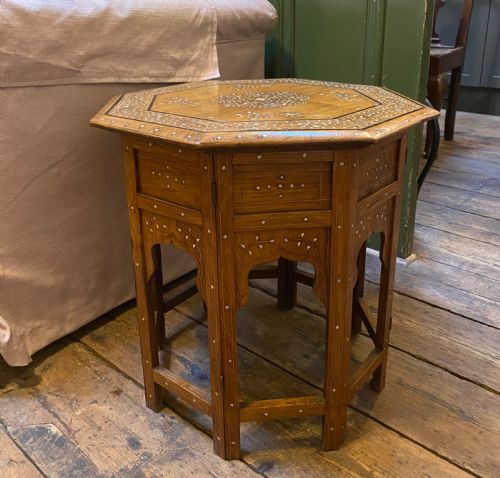
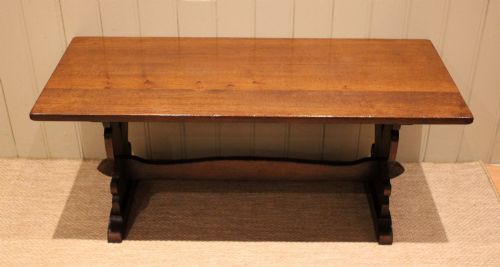
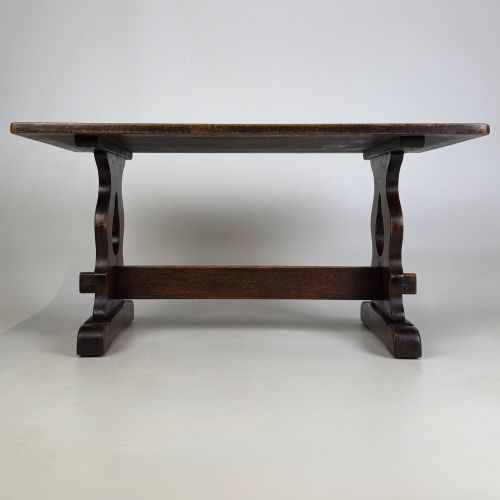
You are most likely to meet nineteenth-century Anglo-Indian octagonal tables, Edwardian oak coffee tables, and low Chinese or French occasional forms. Each variety carries the structural hallmarks and decorative vocabulary of its specific period of origin.
Construction and materials
Construction relies on dense timbers such as oak, walnut, teak, padouk, and mahogany, selected for their stability and ability to hold fine detail. Joinery methods vary from traditional English framing to folding mechanisms and pegged joints found in regional forms.
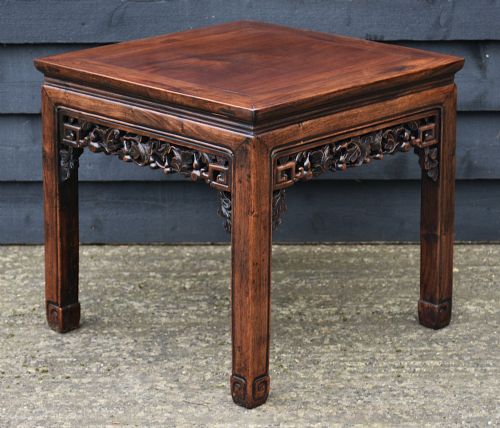
Carving, piercing, and marquetry define the surface ornamentation, executed by hand using chisels and gouges to create low-relief foliage, geometric lattice, and fretwork panels. Inlays of brass wire, mother of pearl, and contrasting satinwood or marquetry veneers further enrich the timber surfaces.
Carved Wooden Coffee Table Retail Price Guide 2026
Typical asking prices for carved wooden coffee table among the pieces listed under this phrase on Sellingantiques today, from the lower quarter to the upper quarter. They describe what is for sale here now, not the wider market.
Several tables arrive with folding octagonal frames designed to collapse flat, proving that Victorian travellers loved portable complexity.
Judging quality and execution
Quality rests upon the crispness of the hand carving and the selection of the timber grain, where burr walnut, padouk, and figured oak display superior depth and visual movement. Sharp undercutting and precise relief work distinguish skilled regional and domestic workshops from simpler production pieces.
Structural integrity and the retention of original decorative elements, such as inlaid brass, mother of pearl, or fretwork panels, determine the standing of an example. The harmony between the original function - whether an opium table, butler tray, or wine stand - and its adapted height dictates the success of the conversion.
Liberty & Co.
The Carved Wooden Coffee Table Glossary
- Hoshiarpur
- A style of Anglo-Indian woodwork originating from the Punjab, characterised by intricate inlaid patterns of brass and resin set into dense hardwood.
- Padouk
- A heavy, durable tropical hardwood with a rich reddish-brown tone, frequently utilised in nineteenth-century Chinese and Anglo-Indian furniture.
- Marquetry
- The art of applying small pieces of veneer to a structure to form decorative patterns, prominent in French provincial and continental tables.
- Fretwork
- Openwork ornamentation created by cutting patterns through thin wood, often seen in Chinese panels integrated into low tables.
Carved Wooden Coffee Table: Frequently Asked Questions
What is an opium table?
An opium table is a low, traditional Chinese form designed for domestic use at floor level, constructed from hardwoods like rosewood or padouk.
Today, these low proportions make them well suited as coffee tables in rooms with minimalist or low-slung seating.
How do I care for a carved wooden table?
Maintenance involves dusting the carved recesses regularly with a soft brush and feeding the timber with traditional beeswax to preserve the grain.
Avoid placing these tables in direct sunlight or near heat sources to prevent the wood from splitting and the intricate inlays from loosening.
Are these tables converted from older items?
Many coffee tables from earlier periods started life as lower occasional tables, wine stands, or folding tray tables before being adapted to standard coffee table heights.
This adaptation allows older craftsmanship and regional forms to function practically within contemporary living spaces.