

Antique Walnut Cocktail Table
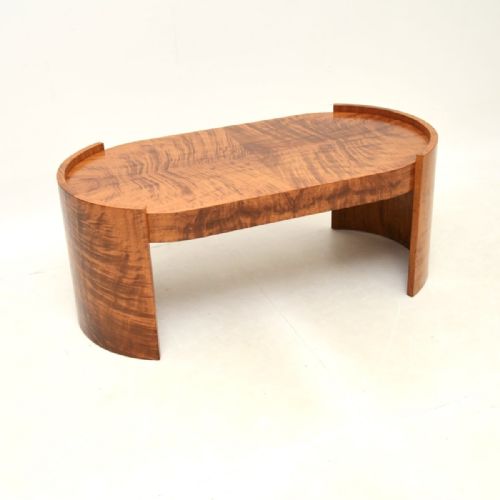
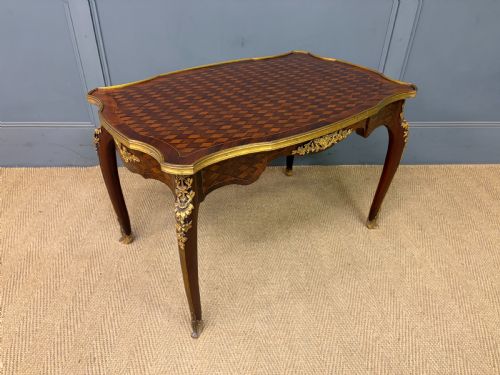
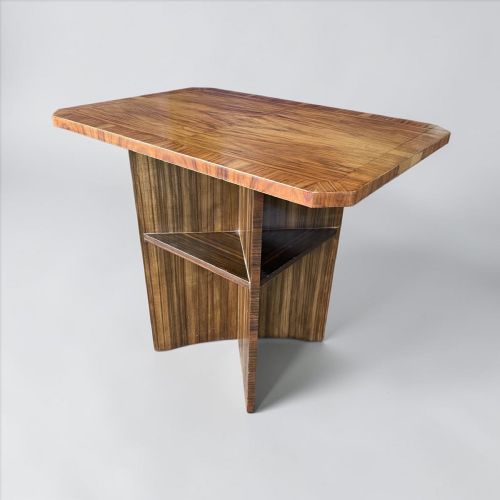
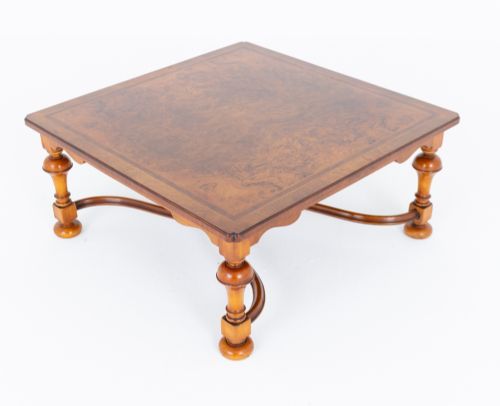
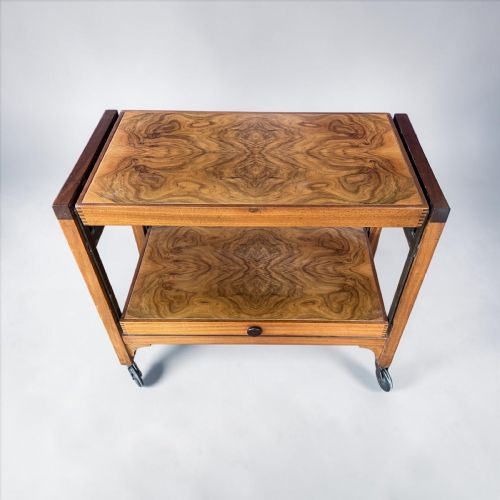
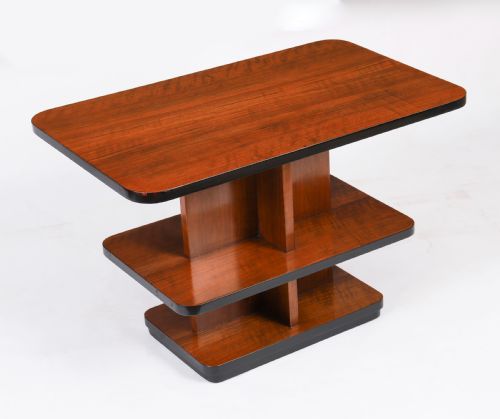
These antique walnut cocktail tables combine rich timber figures with low proportions, making them ideal centrepieces for period and traditional drawing rooms.
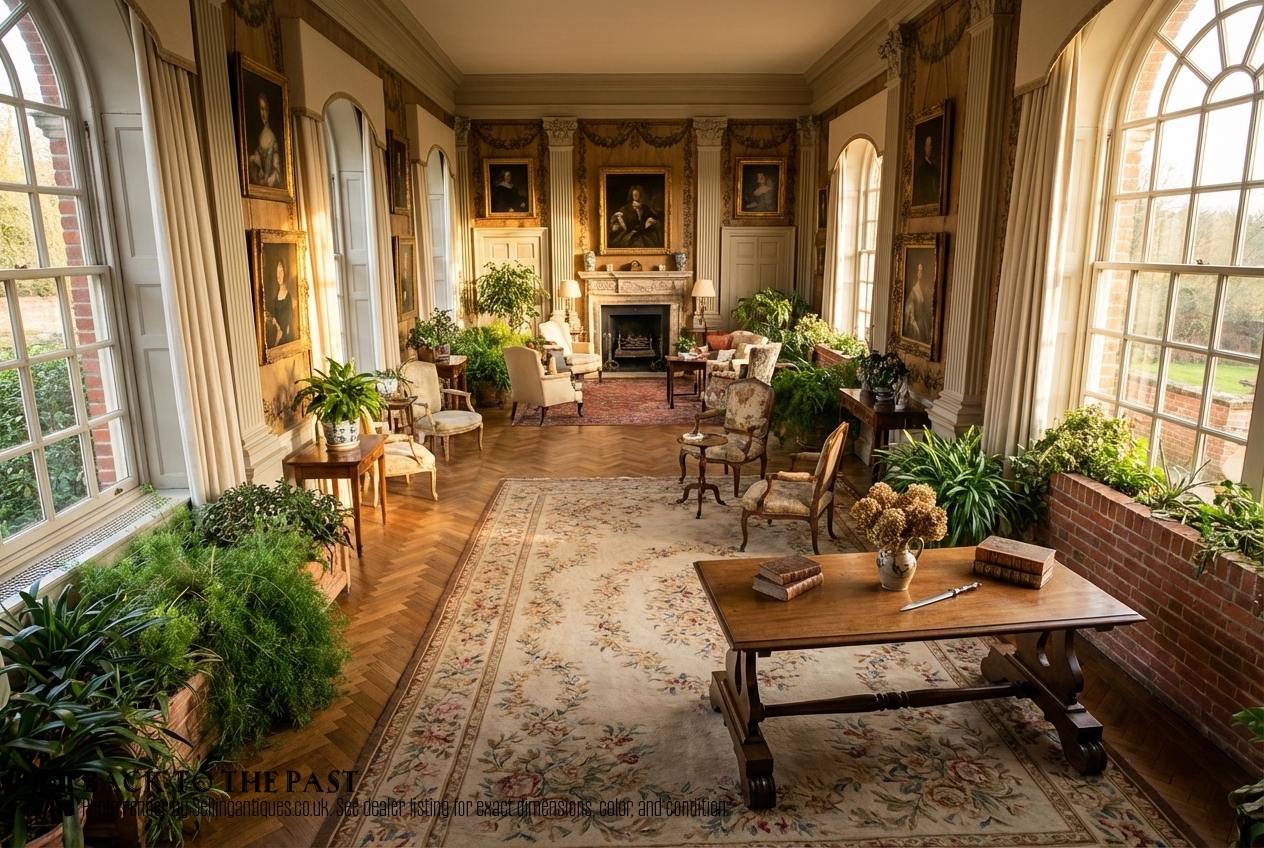
Antique Walnut Cocktail Table
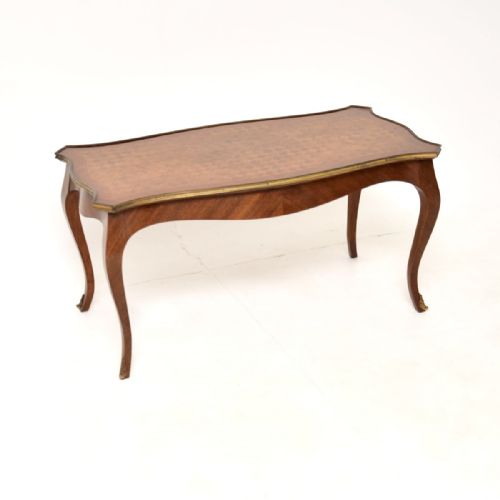
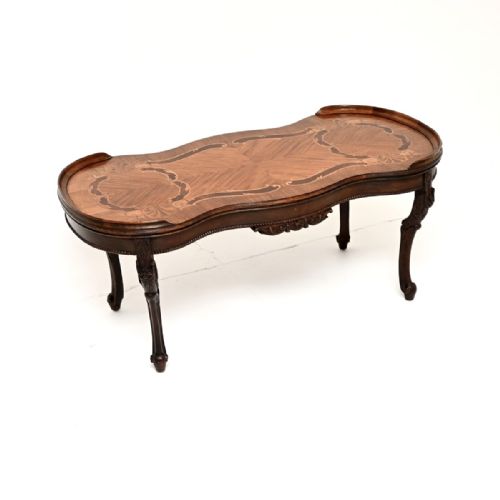
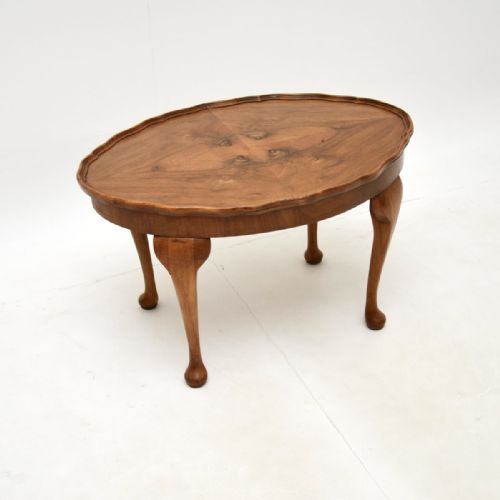
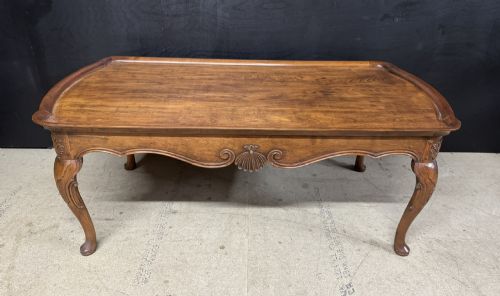
When searching for an antique walnut cocktail table, buyers encounter low coffee tables adapted from earlier forms or built during the early twentieth century and the Victorian era. These pieces frequently adopt the Queen Anne Revival style or traditional English cabinet-making traditions, offering practical surface space alongside decorative timber character.
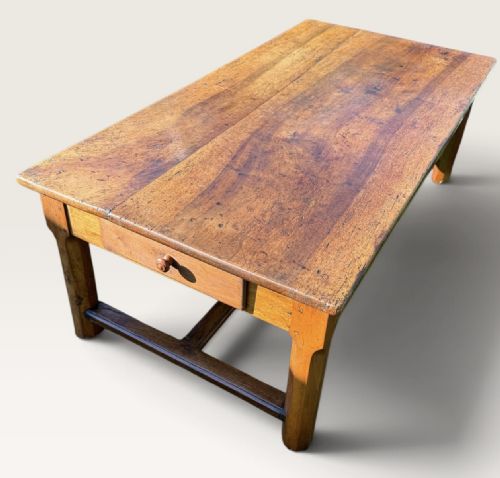
The selections available here range from solid timber surfaces to veneered tops resting upon traditional timber or modern cast iron tripod bases. Oval formats and smaller rectangular proportions predominate, giving buyers versatile options for various room layouts.
Materials and construction
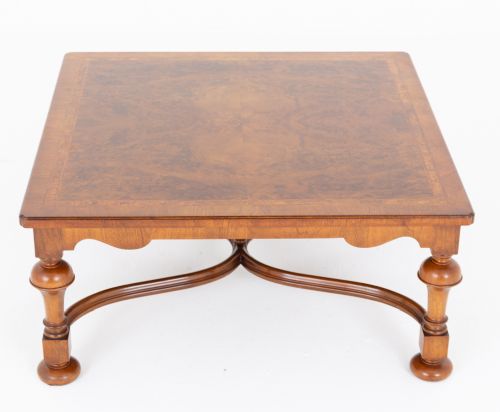
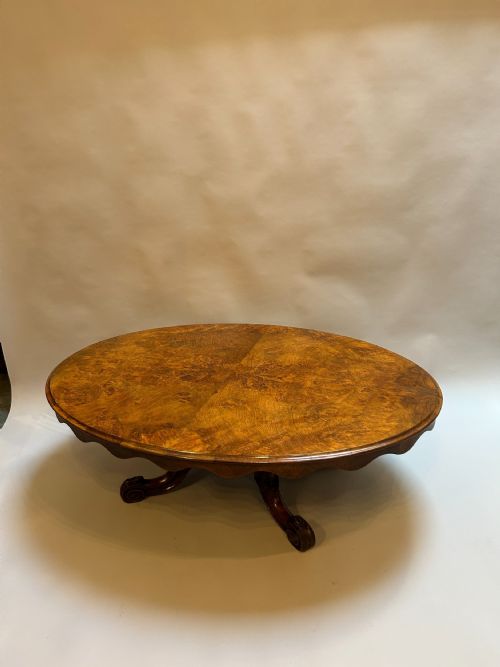
Makers utilised walnut, burr walnut, and walnut veneer to achieve striking grain patterns across the table top. Burr walnut displays intricate, swirling figure formations derived from tree growths, which cabinet-makers carefully selected for visual impact.
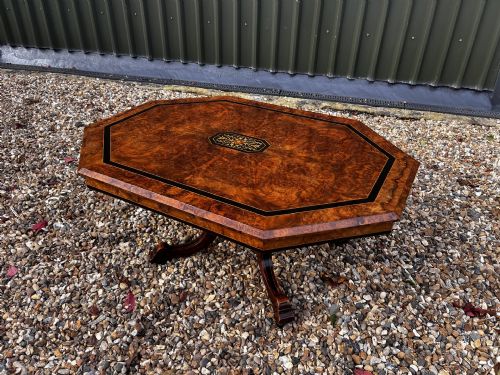
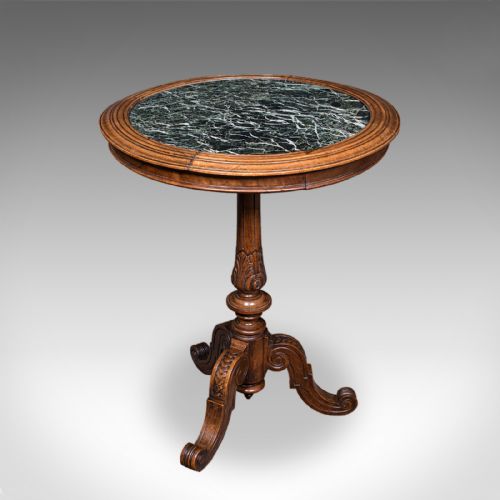
Supporting structures combine traditional timber framing with occasional contemporary adaptations, such as cast iron tripod bases paired with Victorian timber tops. Joinery methods reflect the standard practices of nineteenth-century and 1920s workshops.
Antique Walnut Cocktail Table Retail Price Guide 2026
Typical asking prices for walnut cocktail table among the pieces listed under this phrase on Sellingantiques today, from the lower quarter to the upper quarter. They describe what is for sale here now, not the wider market.
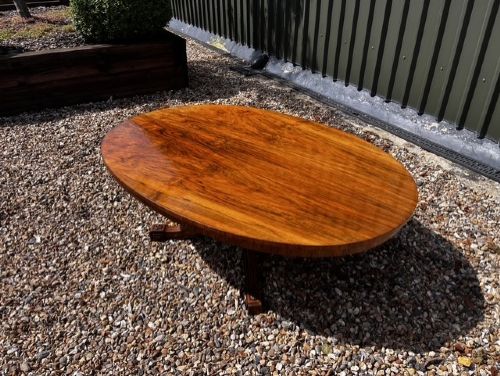
One resourceful Victorian top found a second lease of life atop a modern cast iron tripod base.
Assessing quality and craftsmanship
Superior examples distinguish themselves through exceptional burr walnut figure selection and meticulous matching of veneer sheets across the table surface. Fine quality manifests in the crispness of the timber mouldings and the stability of the foundational structure.
Lower tiers of the range often present simpler timber surfaces with less dramatic grain variation or utilise heavier, less refined base constructions. The harmony between the top surface and its support structure ultimately defines the visual success of each piece.
The Antique Walnut Cocktail Table Glossary
- Burr walnut
- A highly decorative wood harvested from tree growths, prized by cabinet-makers for its swirling, mottled grain patterns. It forms the primary visual focus on many finer table tops.
- Walnut veneer
- A thin slice of superior timber applied over a secondary wood foundation. This technique allows workshops to display rich grain figures economically.
- Queen Anne Revival
- A style popular in British furniture making that echoes the curved lines and cabriole forms of early eighteenth-century design. Pieces in this manner often appear in early twentieth-century productions.
- Tripod base
- A three-legged support structure underneath the table top. These bases can be formed from traditional timber turned legs or sturdy cast iron.
Antique Walnut Cocktail Table: Frequently Asked Questions
What is an antique walnut cocktail table?
These are low tables designed for living spaces, constructed from walnut or burr walnut during the Victorian era or around 1920.
They provide a functional surface while showcasing the natural grain and warm tones characteristic of traditional British cabinet-making.
How do I style a walnut cocktail table?
Place the table centrally in a drawing room or sitting area to anchor the seating arrangement.
Keep styling minimal to allow the burr walnut grain and period timber characteristics to remain visible.
Are these tables solid walnut?
Many examples utilise walnut veneer applied over a timber substrate, a standard method for displaying decorative burr grain.
Some pieces incorporate solid timber construction alongside veneered surfaces.
How do I identify a 1920s table?
Tables from this decade often reflect revival styles such as Queen Anne, combining earlier silhouettes with modern coffee table heights.
Construction details and timber preparation methods help distinguish these from Victorian predecessors.