


Antique Living Room Table
An antique living room table brings character and a solid foundation to a reception space, offering distinct periods and timbers that elevate daily use.
Antique Living Room Table
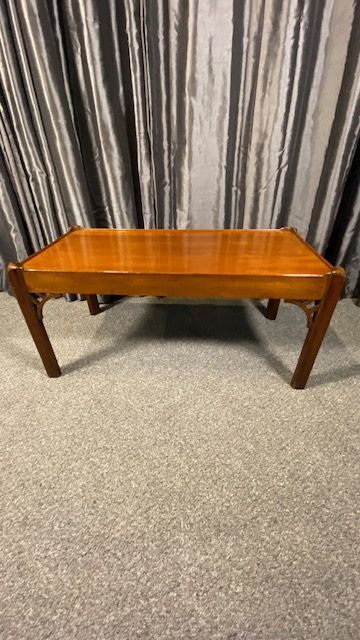
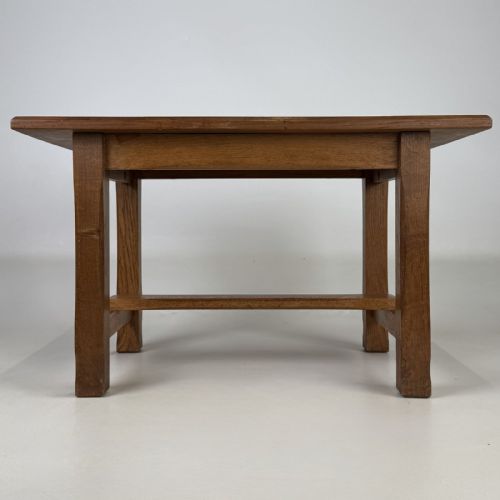
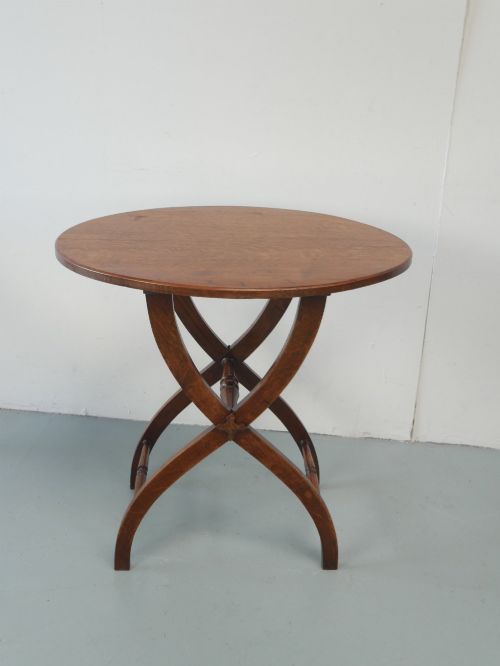
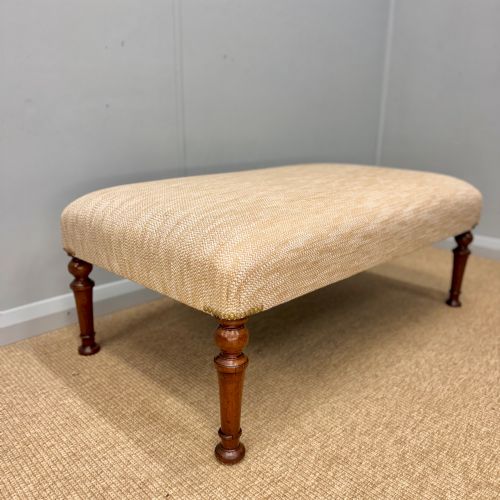
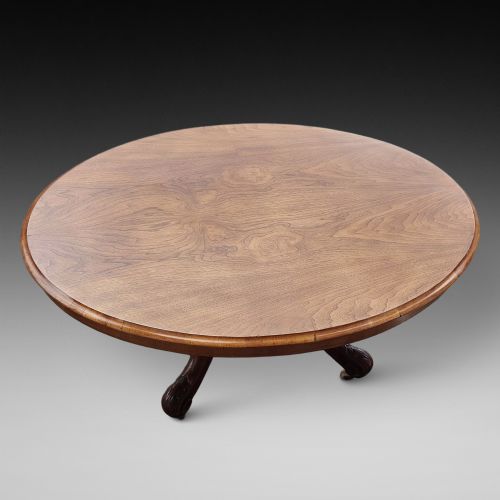
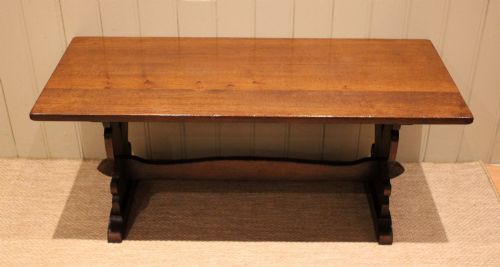
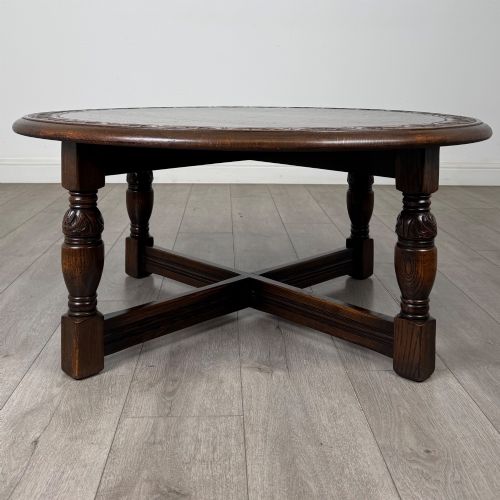
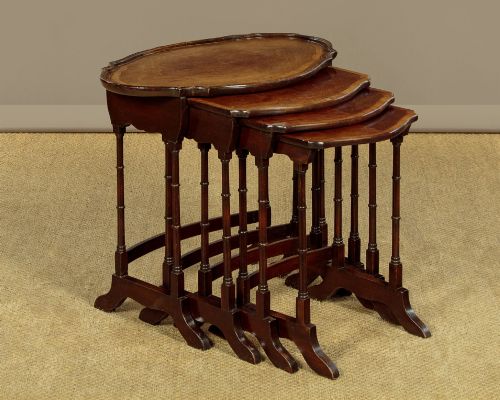
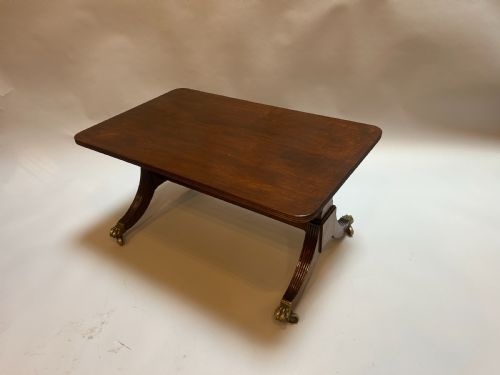
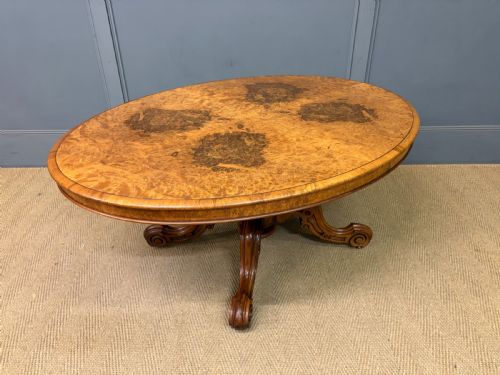
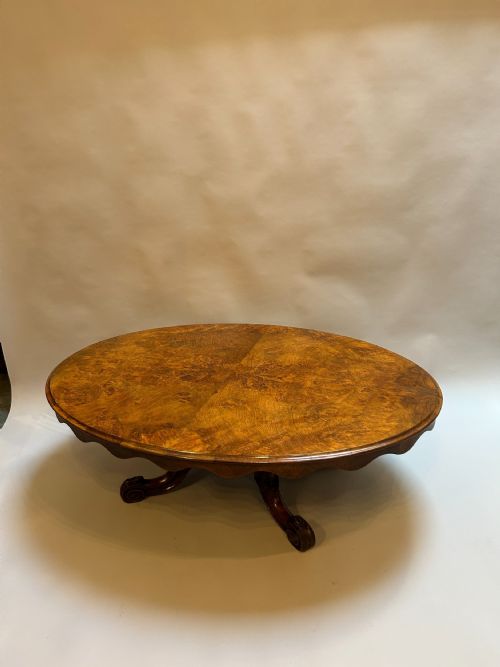
An antique living room table spans several distinct eras and stylistic revivals, appearing most frequently as coffee tables and occasional tables. These pieces emerge from the nineteenth and early twentieth centuries, drawing on George IV, Victorian, Edwardian, and Regency design traditions.
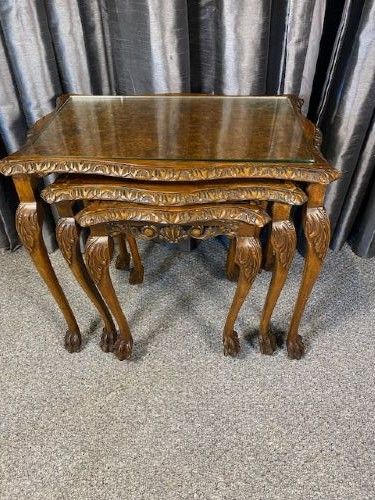
Buyers browsing this selection encounter forms ranging from compact coffee tables to larger formats and two-tier occasional pieces. The design vocabulary embraces Sheraton Revival and Queen Anne Revival influences alongside robust nineteenth-century proportions.
How they were made
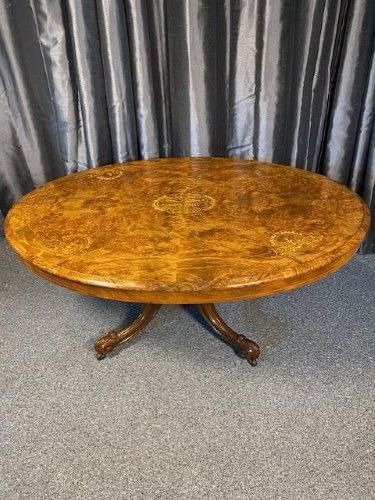
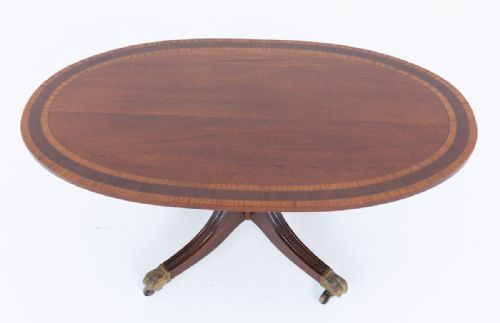
Cabinet makers utilised a rich palette of traditional timbers, constructing pieces from solid mahogany, walnut, burr walnut, fruitwood, and general wood substrates. Workshops applied figured walnut veneer and delicate satinwood inlay to achieve striking visual contrast across table tops.
Metal components appear in the form of brass hardware, adding functional detail to these wooden frames. Joinery techniques and decorative inlay methods reflect the period craftsmanship standard to nineteenth and early twentieth-century furniture production.
Antique Living Room Table Retail Price Guide 2026
Typical asking prices for living room table among the pieces listed under this phrase on Sellingantiques today, from the lower quarter to the upper quarter. They describe what is for sale here now, not the wider market.
The listings span pieces from eighteen-fifty up to nineteen-twenty, featuring mahogany, walnut, burr walnut, and satinwood inlay.
What varies in quality
Quality rests upon the selection and application of timber veneers, where finely figured burr walnut and crisp satinwood inlay elevate a piece far above plain surfaces. The depth of grain and the precision of the marquetry define the visual hierarchy.
Proportion and structural scale distinguish the finer examples, particularly when comparing large formats to standard occasional pieces. Refinement in edge detailing and the integrity of the secondary woods separate standard workshop output from superior cabinet work.
The Antique Living Room Table Glossary
- Burr walnut
- A highly figured timber taken from the wart or burl of a walnut tree, prized for its swirling grain patterns. It creates a decorative surface frequently utilised on table tops.
- Satinwood inlay
- A contrasting light-coloured wood inserted into the primary timber surface to form decorative borders or motifs. This technique highlights the refined aesthetic of revival pieces.
- Two tier
- A furniture configuration featuring an upper surface and a lower undertier shelf linked by supports. This design offers additional display or storage space within a compact footprint.
- Occasional table
- A small, movable table intended for intermittent use in a reception room. These pieces provide flexible surface space alongside primary seating arrangements.
Antique Living Room Table: Frequently Asked Questions
What is an antique living room table?
An antique living room table is a piece of furniture from the nineteenth or early twentieth century designed for everyday use in a reception space. These items primarily take the form of coffee tables and occasional tables.
They reflect historical design movements including Victorian, Edwardian, and Regency styles. Each piece demonstrates the period approach to domestic comfort and timber selection.
Where should I place an occasional table?
An occasional table suits positions beside seating or within social groupings where a movable surface is useful. Two-tier variants provide extra capacity for books or decorative items on the lower shelf.
Their compact scale allows them to integrate smoothly into various room layouts without dominating the floor space.
How do I care for mahogany and walnut tables?
Maintenance involves protecting the polished wooden surfaces from excessive moisture, direct heat, and strong sunlight. Regular dusting with a soft cloth preserves the finish of the timber and veneer.
Applying appropriate furniture wax periodically helps nourish the wood grain and maintains the lustre of the original polish.