





Dark Walnut Coffee Table
These dark walnut coffee table options bring rich timber tones and period character to a room, offering both practical surface space and historic presence.
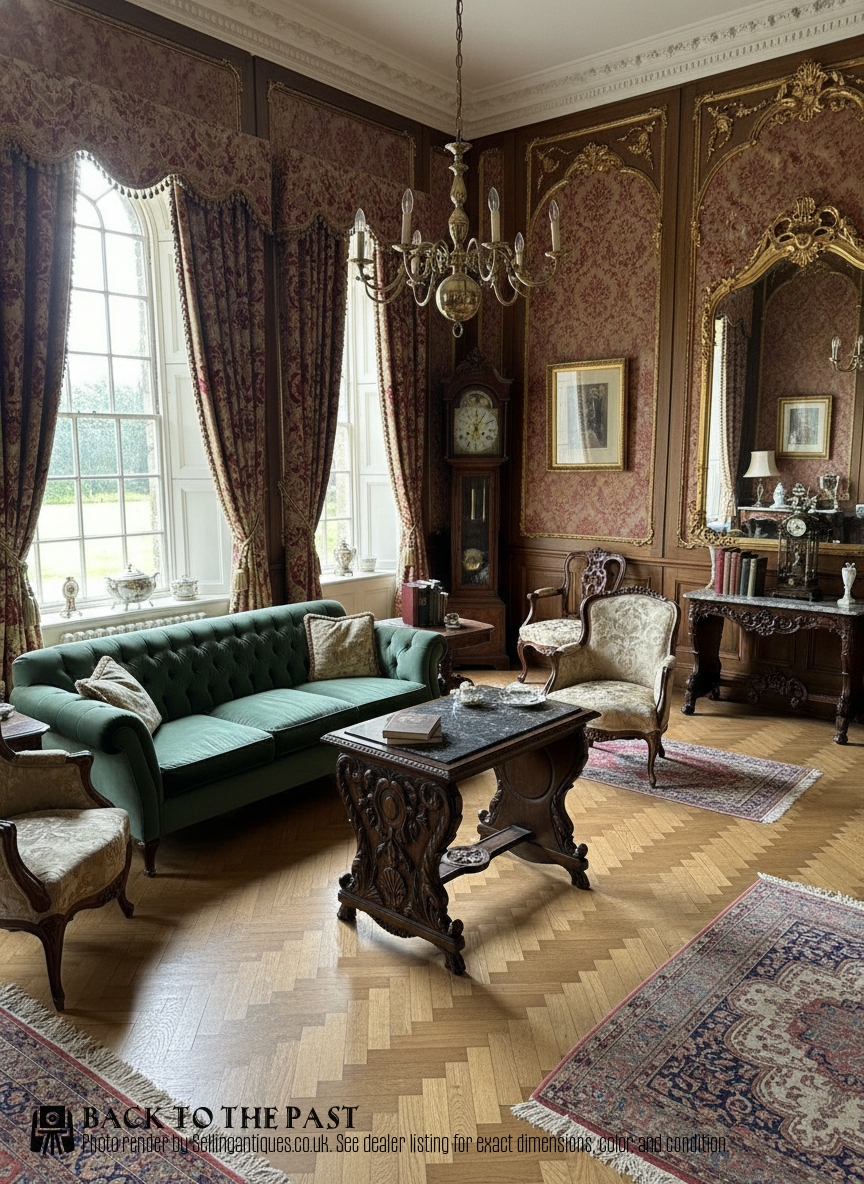
Dark Walnut Coffee Table
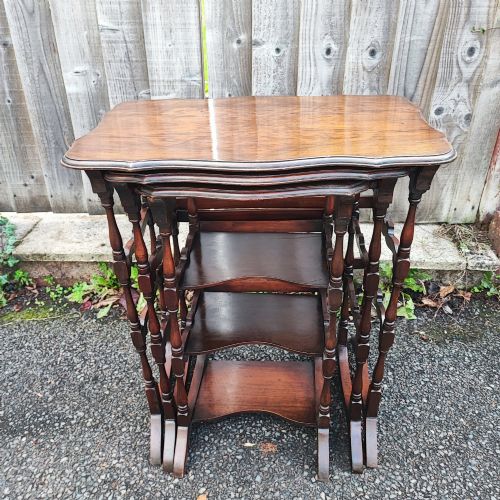
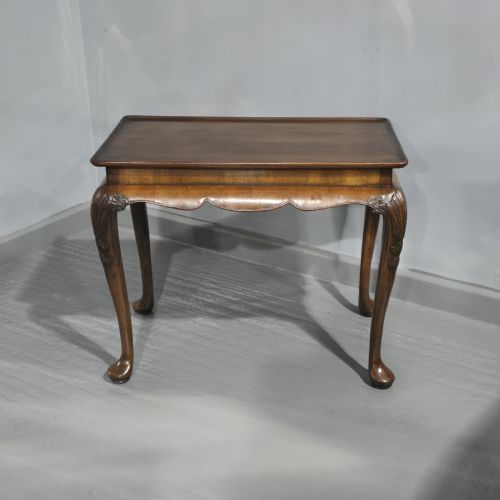
When you search for a dark walnut coffee table, you are looking at items adapted from earlier forms such as occasional tables, butlers trays, and wine tables. The pieces available here span from the eighteenth century through to the art deco period, taking in Victorian and Edwardian examples alongside French and Spanish provincial pieces.
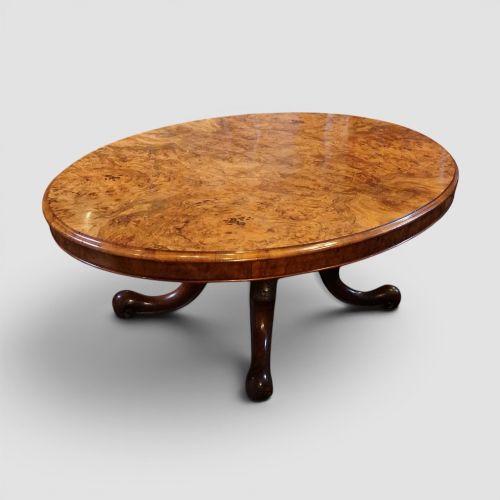
You are most likely to meet low-slung adaptations and converted occasional tables, including large oval burr walnut designs and circular Edwardian models. Many maintain the proportions of nineteenth-century centre tables and occasional furniture, lowered for modern use while retaining their original timber surfaces.
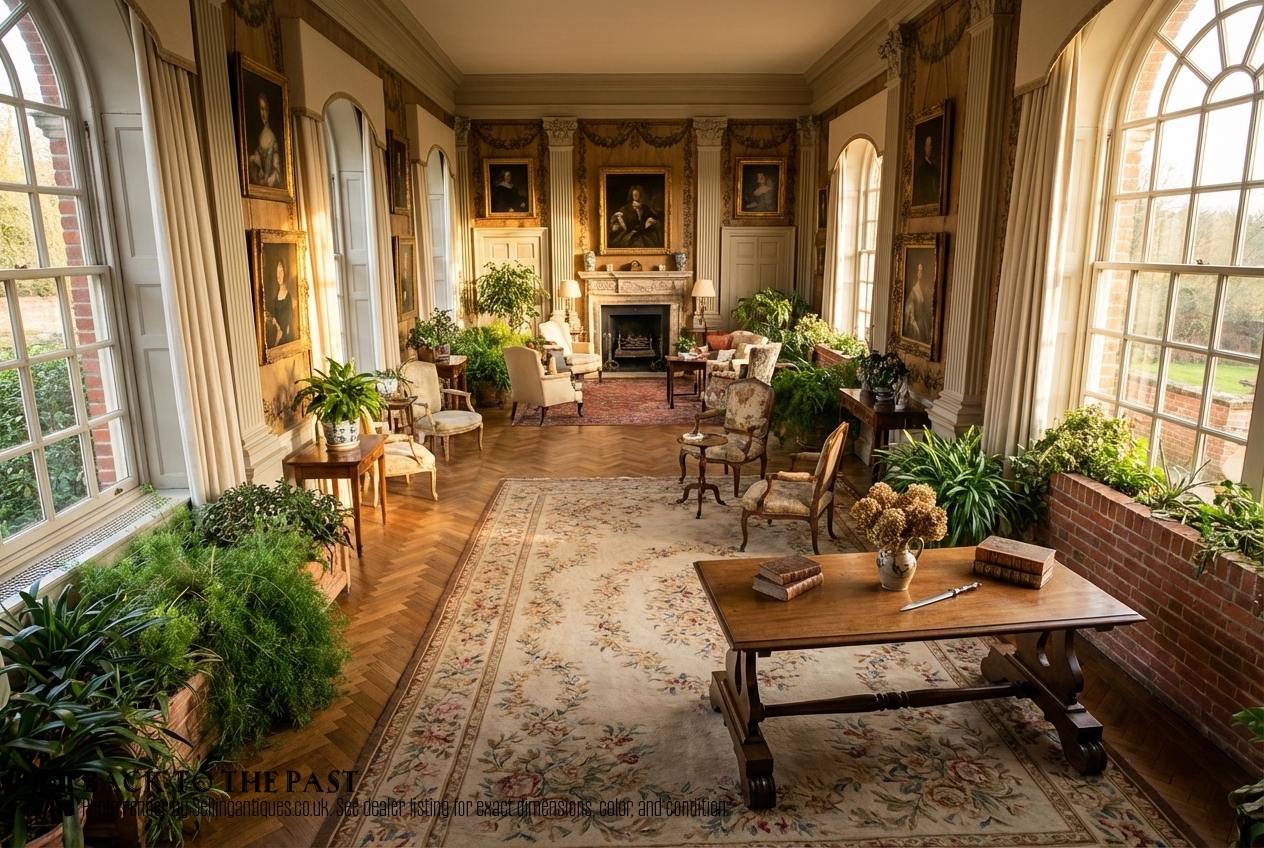
How they were made
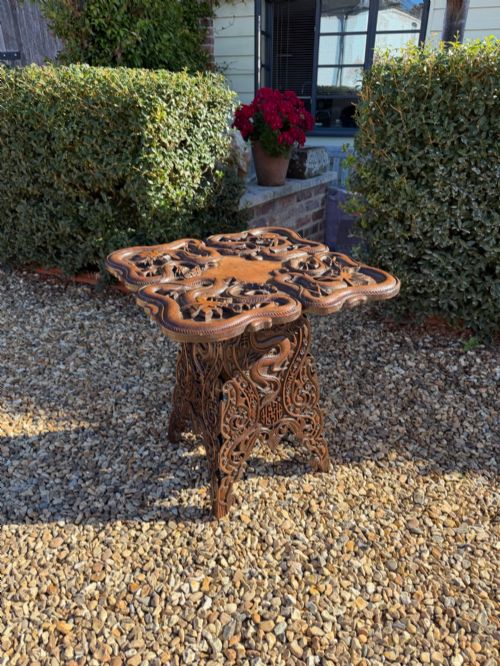
Makers utilised solid walnut and timber veneer, often selecting burr walnut for its distinctive swirling grain patterns on table tops. Structural elements frequently incorporate carved detailing, whilst specialist surfaces combine marble, glass, stone inlay, brass, and copper.
Construction methods range from traditional cabinet-making on larger centre tables to fitted stands supporting removable trays. Lowered wine tables and converted coffers display the hand-tool marks and joinery typical of their respective periods, from the eighteenth century to the twentieth.
Dark Walnut Coffee Table Retail Price Guide 2026
Typical asking prices for dark walnut coffee table among the pieces listed under this phrase on Sellingantiques today, from the lower quarter to the upper quarter. They describe what is for sale here now, not the wider market.
Listings span multiple centuries, incorporating eighteenth-century woodwork, Victorian burr walnut, and twentieth-century art deco occasional tables.
What varies in quality
The distinction between tiers rests in the choice of timber and the sophistication of the surface figure, particularly where burr walnut veneers or detailed stone and marble inlays are deployed. Finer examples display meticulous hand-carved decoration on the frames and superior integration of contrasting materials like brass and copper.
Proportion and structural integrity also divide the range, as pieces originally built for other domestic duties, such as butler trays or dough proving boxes, require careful conversion to function as stable coffee tables. The harmony of the conversion and the preservation of the original patina ultimately determine the standing of each piece.
Gillows of Lancaster·Thonet
The Dark Walnut Coffee Table Glossary
- Burr walnut
- A figured timber obtained from the wart-like growths on walnut trees, prized for its complex, swirling grain patterns. It is frequently used for decorative table tops.
- Pietra dura
- An inlay technique utilising cut and fitted polished coloured stones to create pictorial or geometric designs. It appears on select marble-topped tables.
- Brasero
- A traditional Spanish heating vessel or brazier, often adapted into a low table format. These pieces incorporate metal elements like copper within wooden frames.
- Centre table
- A freestanding piece designed to be viewed from all sides, often featuring detailed carving. Many examples from the nineteenth century are later adapted for coffee table use.
Dark Walnut Coffee Table: Frequently Asked Questions
How do I care for a walnut coffee table?
Keep the timber away from direct heat sources and strong sunlight to prevent the walnut veneer from drying out or splitting. Dust regularly with a dry cloth and apply a quality wax periodically to nourish the grain.
Avoid placing damp glasses directly onto the polished wood or marble surfaces to prevent water rings. Use coasters and address any spills immediately with a soft, dry cloth.
Are these tables originally made as coffee tables?
Most pieces listed under this type were not manufactured as low coffee tables originally. They are period adaptations of nineteenth-century occasional tables, wine tables, butlers trays, and centre pieces.
Craftsmen have lowered the heights of these tables to suit modern seating arrangements. This process preserves the original antique tops and bases while adapting them for contemporary living.
What is burr walnut?
Burr walnut comes from an excrescence on the tree where the grain has grown in a deformed, swirling manner. This produces highly decorative patterns when sliced into veneers.
Cabinet makers used these figured veneers on prominent surfaces like table tops to create striking visual contrast against solid walnut frames.
How can I tell the period of the table?
Examine the timber finish, construction joints, and decorative style to determine the era. Pieces from the eighteenth century show different hand-tool methods compared to Victorian or Edwardian examples.
Stylistic markers such as art deco geometric lines, Victorian carving, or Edwardian proportions help narrow down the date of manufacture alongside any maker stamps or structural evidence.