

Low Centre Table
When you need a low centre table, you are looking for a practical surface that anchors a room without blocking sightlines.

Low Centre Table
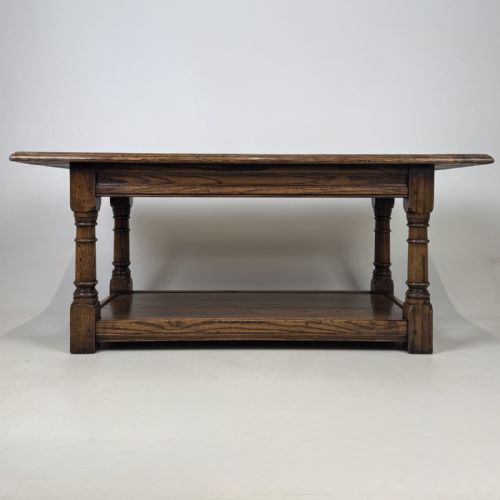
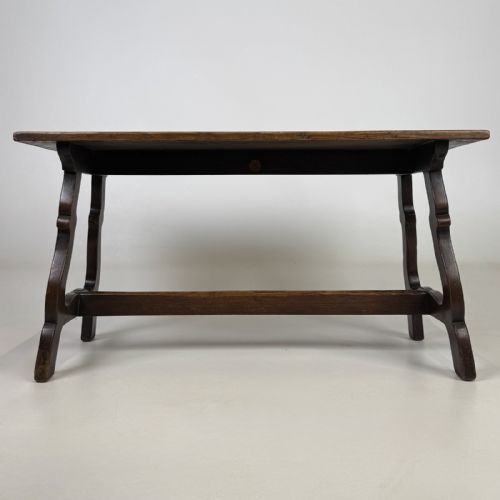
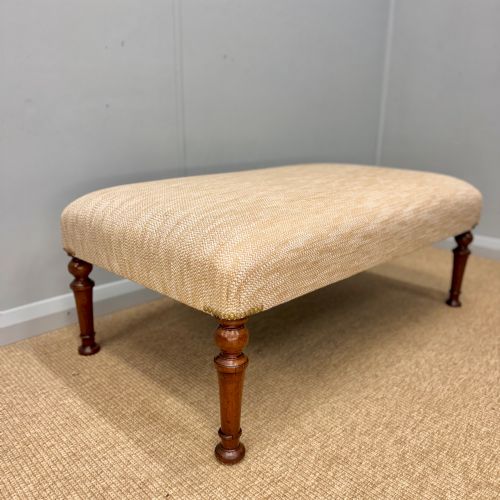
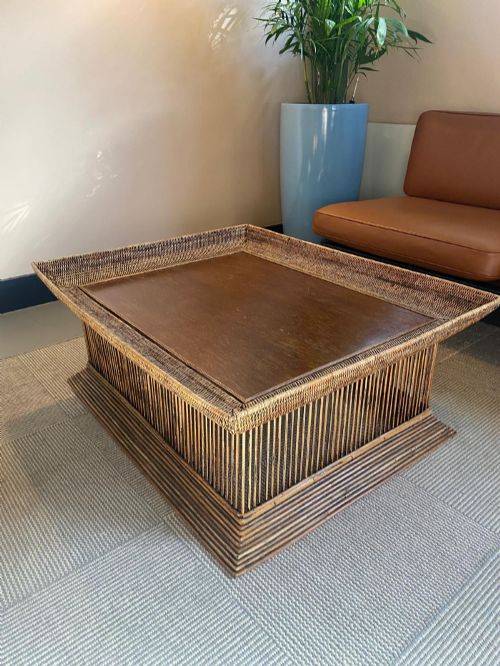
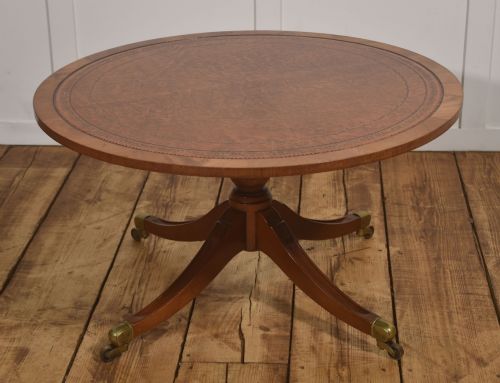
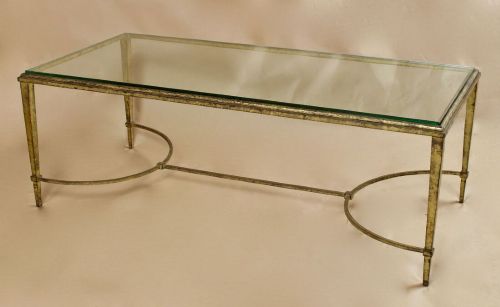
A low centre table provides a grounded surface for a sitting room, often taking the form of a coffee table or a low occasional table designed to sit centrally among seating.
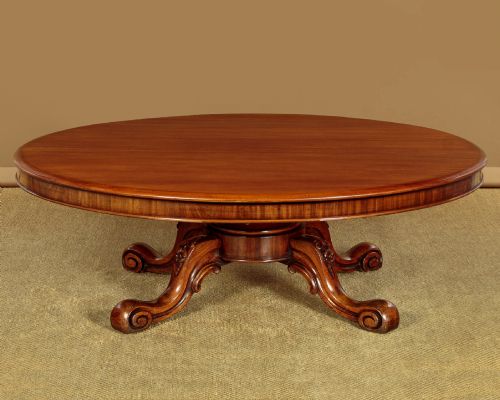
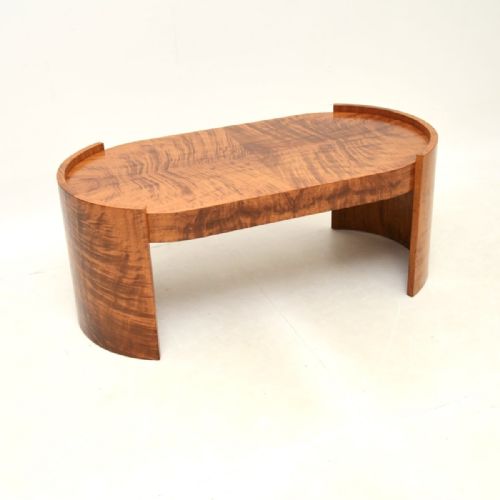
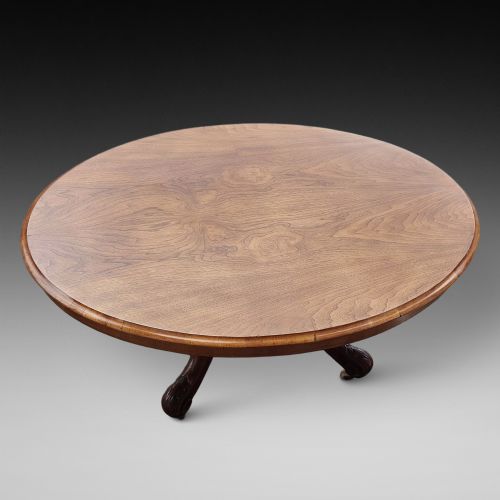
The selections available range from 19th-century Victorian walnut and mahogany pieces to French and Art Deco examples, uniting low proportions with decorative surfaces.
Many of these low forms originate from converted larger tables or purpose-built Victorian and Edwardian occasional designs intended for relaxed domestic spaces.
How They Were Made
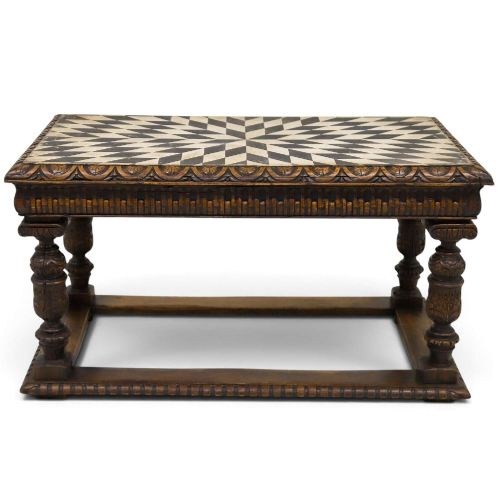
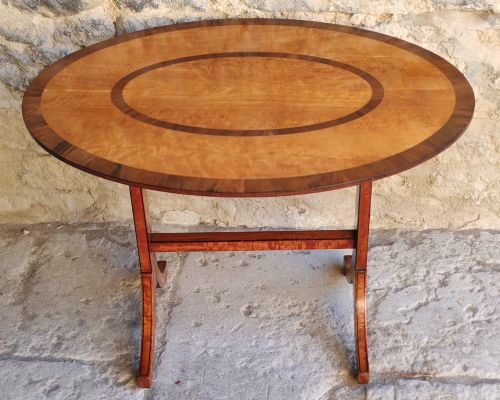
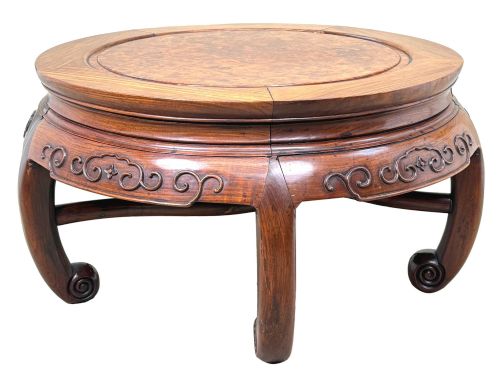
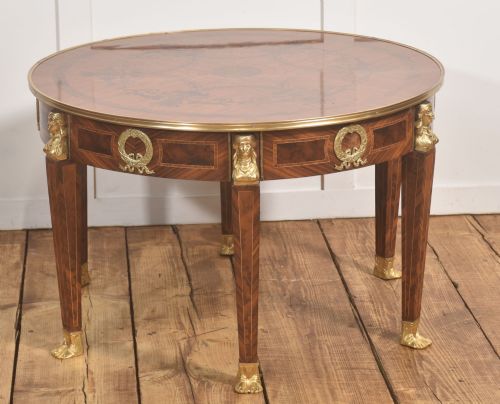
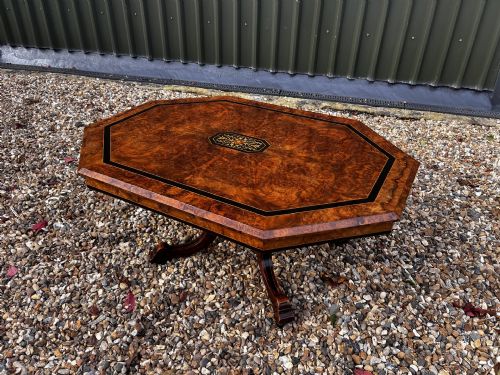
Cabinet makers utilised dense hardwoods such as walnut, mahogany, and rosewood, frequently applying burr veneers or intricate marquetry and parquetry inlay to top surfaces.
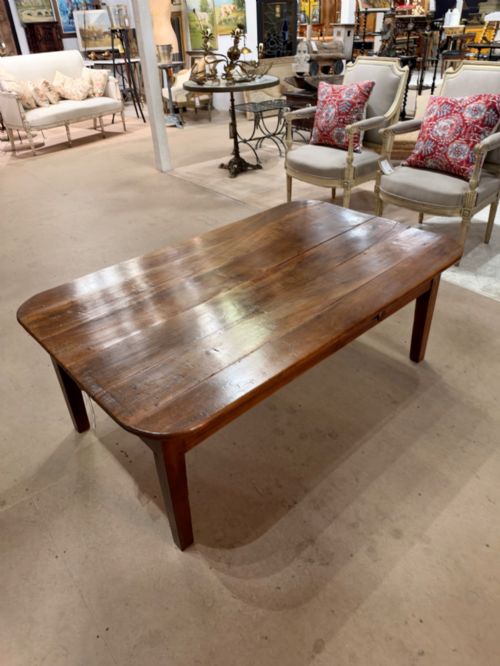
Structural elements often incorporated turned legs, brass mounts, or giltwood details, while certain provincial and earlier examples relied upon solid oak, pine, or chestnut construction.
Low Centre Table Retail Price Guide 2026
Typical asking prices for low centre table among the pieces listed under this phrase on Sellingantiques today, from the lower quarter to the upper quarter. They describe what is for sale here now, not the wider market.
Some Victorian tables began life as towering dining companions before having their legs shortened for modern lounging.
What Varies in Quality
The degree of refinement in timber selection and the precision of decorative inlays dictate the distinction between standard and exceptional examples.
Construction methods, from hand-cut joints to the integration of original marble tops and cast brass fittings, determine the enduring integrity of the piece.
Holland and Sons·Gillows·Waring and Gillow
The Low Centre Table Glossary
- Marquetry
- Decorative wood veneer arranged in pictorial or geometric patterns. This technique demands precise cutting of various contrasting timbers.
- Parquetry
- Geometric mosaic woodwork used for repeating patterns on table surfaces. It creates a structured, architectural aesthetic across the top.
- Burr Walnut
- Wood taken from a tree growth featuring swirling, irregular grain patterns. Cabinet makers prized this timber for its rich visual texture.
- Giltwood
- Wood carved and treated with a thin layer of gold leaf. This finish adds bright reflective highlights to the frame or legs.
Low Centre Table: Frequently Asked Questions
What is a low centre table used for?
These low surfaces serve as central points in reception rooms for holding books, decorative objects, or drinks within easy reach of seated guests.
They function visually to anchor furniture arrangements without obstructing views across the room.
How do I style a low centre table?
Balance the surface by grouping objects of varying heights, such as stacked books paired with a small ceramic or bronze bowl.
Leave enough clear space to maintain the practical utility of the timber or marble top.
Are these tables sturdy enough for daily use?
Period tables constructed from solid hardwoods like mahogany and oak provide robust daily durability for family life.
Finely veneered or inlaid surfaces require slightly more care with coasters and placemats to protect the historic finish.
How can I tell the period of a low centre table?
Examine the timber species, leg turning styles, and construction techniques to align with Victorian, Regency, or Art Deco characteristics.
Secondary woods on the underside and assembly methods offer further clues to the manufacturing decade.