



Italian Style Coffee Table
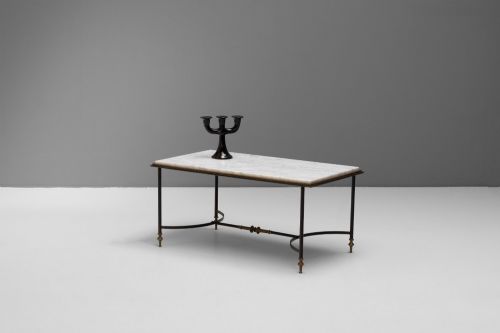
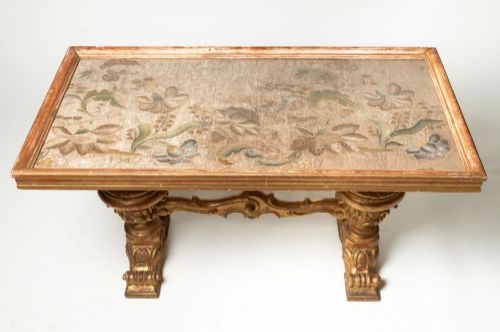
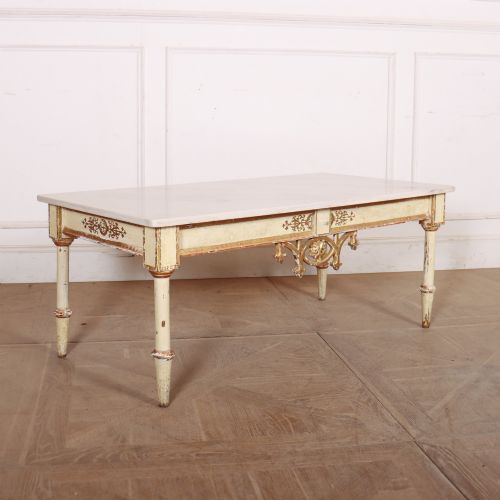
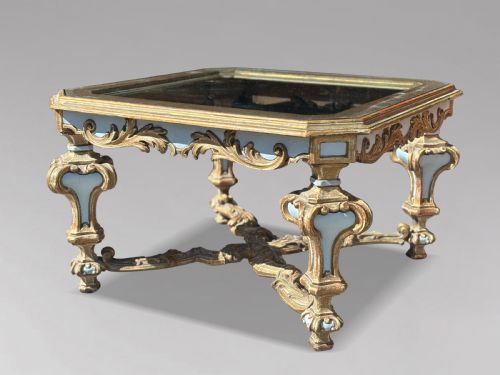
These Italian style coffee table examples combine classical forms with striking materials to anchor a reception room.
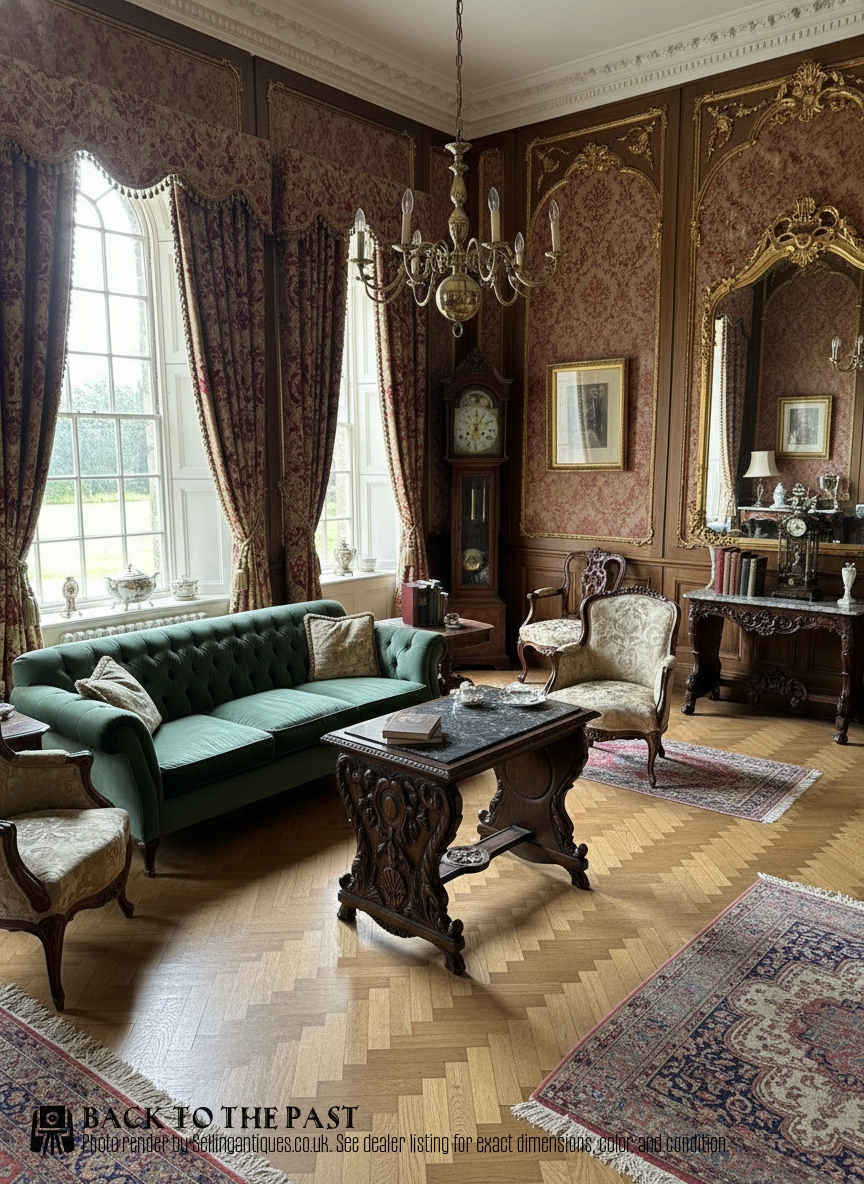
Italian Style Coffee Table
An Italian style coffee table brings classical European presence into a modern interior through distinct periods like the nineteenth century, nineteen twenty, and nineteen thirty. Buyers examining an Italian style coffee table will encounter forms spanning low centre tables, occasional tables, and side tables.
The aesthetic draws heavily on historical motifs, manifesting as Rococo Revival, Neoclassical, Italian Baroque, and Hollywood Regency styles. Most pieces on offer reflect these heritage designs through ornate carving, painted finishes, and classical proportions.
Origins range from antique nineteenth-century works to pieces from the nineteen fifties, offering variety in scale and decoration. A typical Italian style coffee table serves as a focal point in a drawing room while providing a functional surface.
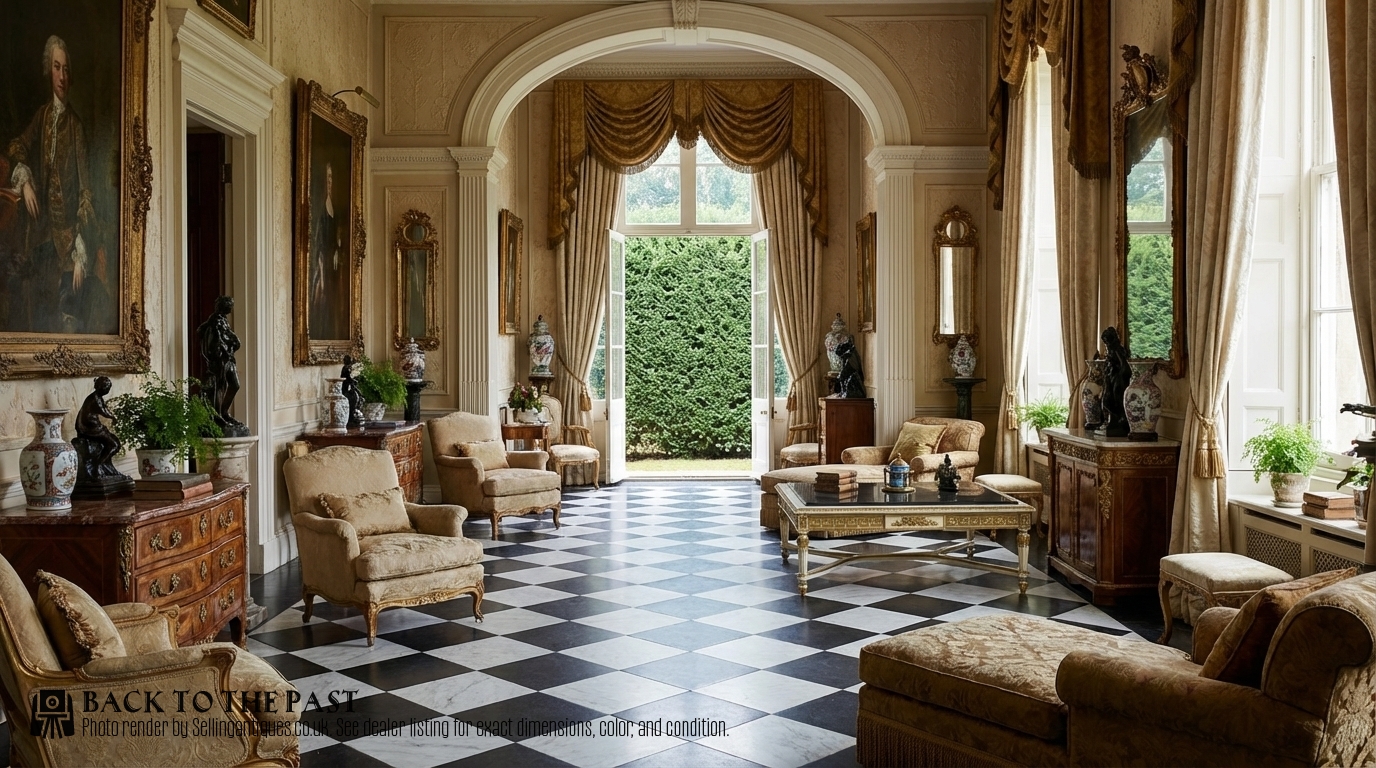
Materials and construction
Makers utilised traditional timbers including mahogany and walnut, often shaped into carved walnut frames or inlaid with marquetry. Painted wood finishes, sometimes enhanced with gold leaf, silver gilt, or copper details, provide surface texture.
Tops frequently feature heavy marble slabs, while others incorporate glass or gilt metal elements such as dolphin motifs and brass accents. Iron also appears in structural components, paired with stone or timber elements for stability.
Italian Style Coffee Table Retail Price Guide 2026
Typical asking prices for italian style coffee table among the pieces listed under this phrase on Sellingantiques today, from the lower quarter to the upper quarter. They describe what is for sale here now, not the wider market.
Among the creatures supporting these surfaces, gilded dolphins make an unexpected appearance beneath the glass.
Evaluating quality and execution
Superior examples display crisp hand-carving in the wood and secure, well-fitted marble tops that sit true within their frames. Lesser pieces may show softer detail in carved elements or less refined joinery in the underframe.
The application of surface decoration marks a clear distinction, with meticulous gold leaf or hand-painted details separating finer works from standard production. Quality also shows in the selection of materials, particularly the depth of grain in walnut or mahogany and the patterning of the marble.
B Battioli Varese·Harrods
The Italian Style Coffee Table Glossary
- Marquetry
- Decorative veneer work arranged in geometrical or pictorial patterns. Craftsmen apply thin slices of wood to the furniture surface to create detailed imagery.
- Gilt metal
- Metal coated with a thin layer of gold or gold paint. This technique gives base metals the appearance of solid gold.
- Neoclassical
- A style inspired by the classical art and architecture of ancient Greece and Rome. It emphasises symmetry, straight lines, and classical proportions.
Italian Style Coffee Table: Frequently Asked Questions
What periods do these tables represent?
The selection spans the nineteenth century through to the mid-twentieth century, including pieces from the eighteen seventies, eighteen nineties, and nineteen thirties.
Buyers will find specific design movements represented, such as Rococo Revival, Neoclassical, and Hollywood Regency, reflecting evolving tastes in European furniture design.
How do I care for a marble top?
Marble surfaces require regular dusting with a soft cloth and immediate wiping of any liquid spills to prevent staining. Acidic substances like citrus juice or wine can etch the polished stone.
Avoid abrasive cleaners and use coasters or mats beneath glasses and cups to protect the vintage finish from marks.
Are these tables solid wood?
Construction varies by piece, with many examples featuring solid timber frames in walnut or mahogany. Other pieces utilise wood as a base for painted finishes or intricate marquetry veneers.
Combination materials are common, particularly on pieces incorporating heavy stone tops or metal decorative elements.
How do I distinguish between styles?
Neoclassical pieces feature restrained classical motifs and symmetrical lines, whereas Rococo Revival examples display more flamboyant, curved scrolling and organic ornamentation. Baroque items tend to be heavier and more dramatic in their carving.
Hollywood Regency pieces from the mid-twentieth century introduce more theatrical use of metal and gilded finishes.