



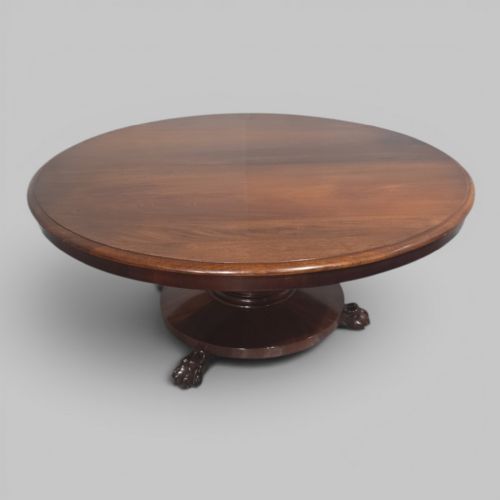


Carved Wood Cocktail Table
A carved wood cocktail table brings low-profile function and rich timber grain to a seating area, combining period craft with everyday utility.
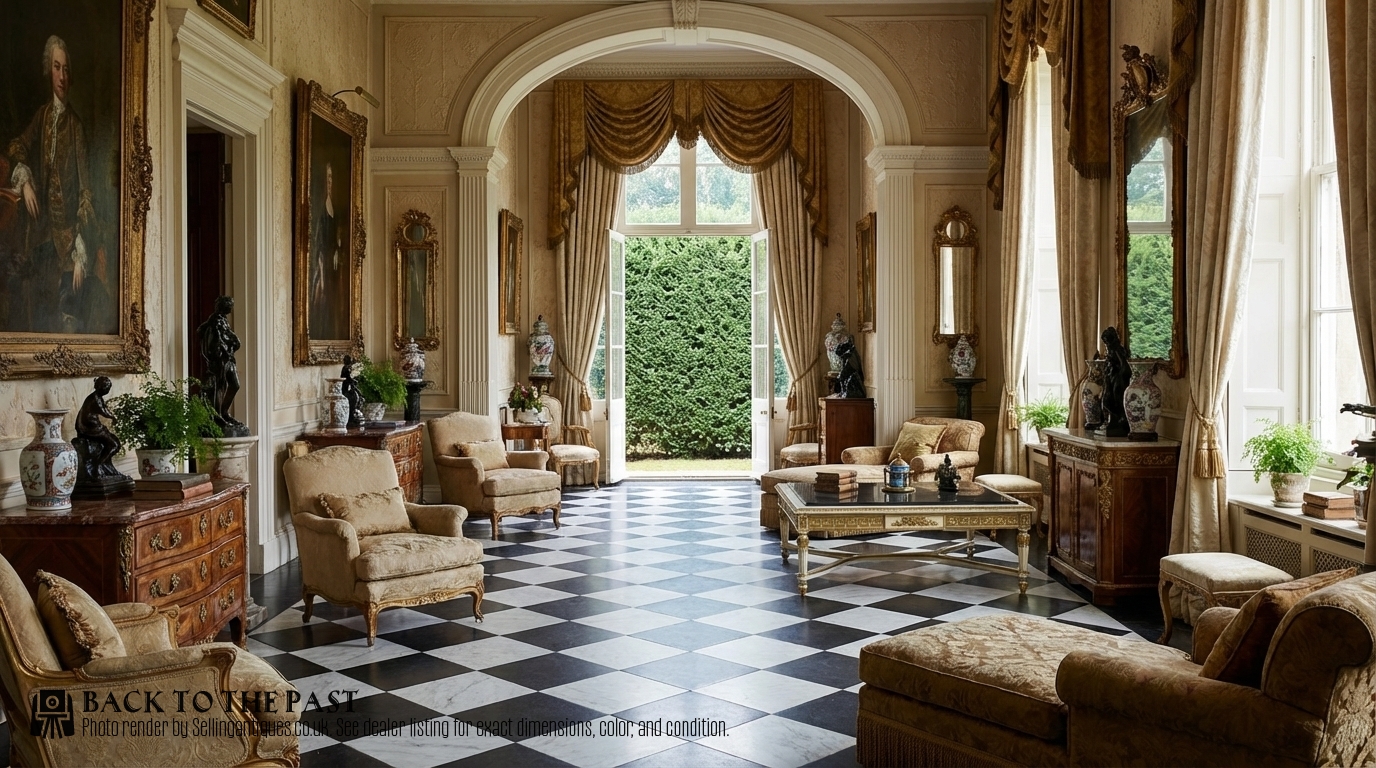
Carved Wood Cocktail Table
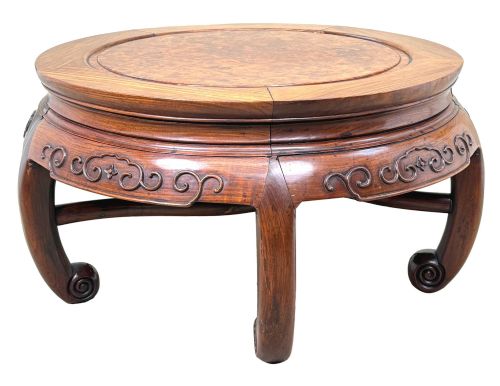
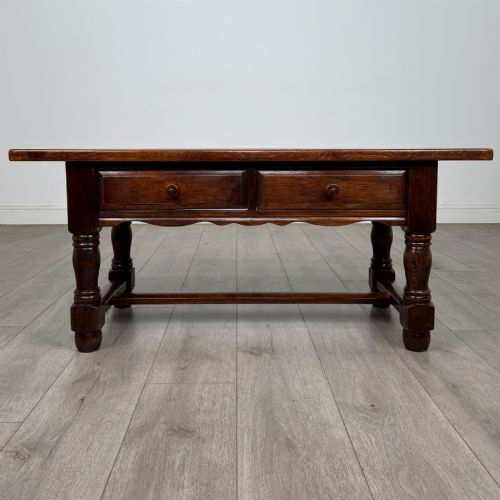
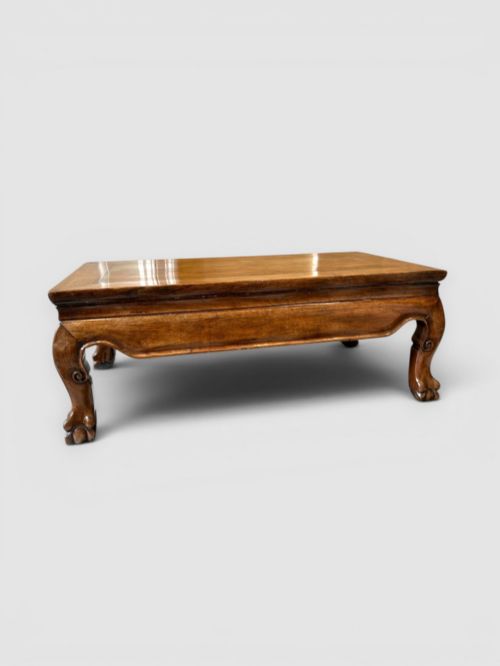
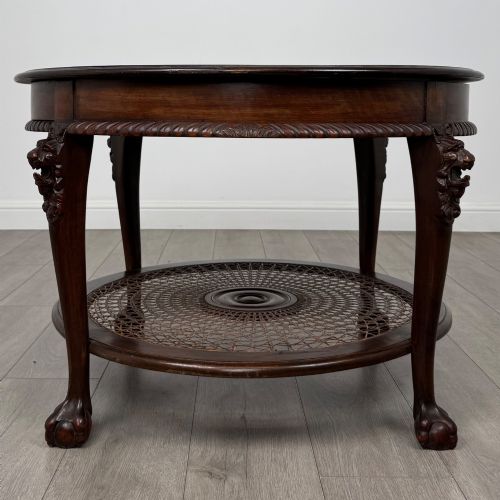
When you search for a carved wood cocktail table, you are looking at low tables designed for drinks and display, ranging from nineteenth-century Victorian walnut pieces to nineteen-thirties art deco designs. These pieces draw on various historical revivals, including Chippendale and French Rococo, alongside traditional Chinese forms.
Many of these tables began their lives as larger furniture forms or distinct seating accessories, later adapted or built low for modern entertaining. Alongside standard coffee tables, the evidence includes occasional tables, low centre tables, and specialised low tables with marble or glass tops.
How they were made
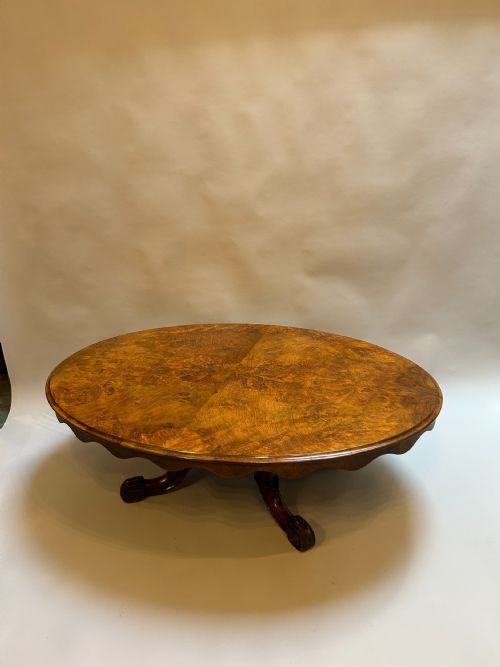
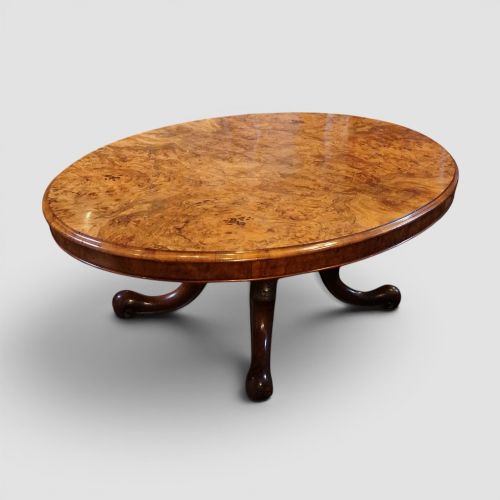
Cabinet makers utilised dense hardwoods like mahogany, walnut, and rosewood, often selecting figured burr veneers to create striking surface patterns on the top boards. Frames frequently incorporate intricate hand-carving along the edges, aprons, and cabriole legs.
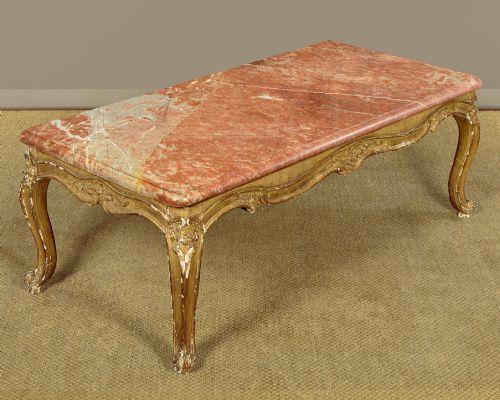
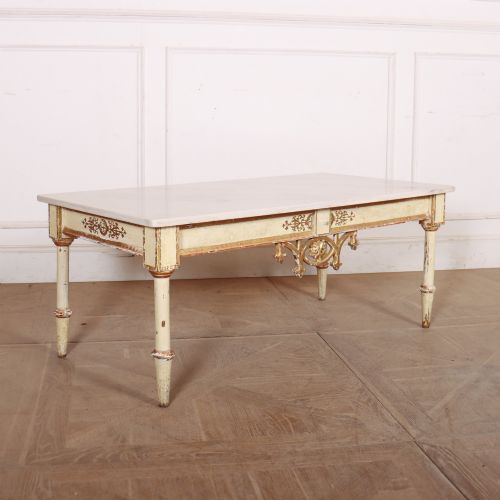
Insects and regional workshops also incorporated inset materials, pairing carved wooden structures with contrasting marble slabs, brass mounts, or glass inserts. Surface finishes range from traditional French polish to painted or bleached treatments seen in specific regional pieces.
Carved Wood Cocktail Table Retail Price Guide 2026
Typical asking prices for carved wood cocktail table among the pieces listed under this phrase on Sellingantiques today, from the lower quarter to the upper quarter. They describe what is for sale here now, not the wider market.
Periods represented span from the Victorian era and the nineteenth century through to nineteen-thirty art deco designs.
What varies in quality
Quality rests in the depth and crispness of the hand-carving and the selection of the timber, particularly where figured burr walnut or rosewood veneers are matched across the top. Stronger pieces display tight joinery and well-balanced proportions that maintain stability at a low height.
The integration of secondary materials also dictates the grade of the piece, with heavy, polished marble tops and precise brass detailing separating standard production from finer workshops.
The Carved Wood Cocktail Table Glossary
- Burr walnut
- A figured timber harvested from the tree's growth warts, prized for its swirling, organic grain patterns on table tops.
- Cabriole leg
- A furniture leg that curves out and down in a double S-shape, frequently terminating in a carved foot.
- Pie crust
- A raised, carved decorative moulding around the circular edge of a table top, resembling pastry work.
- Giltwood
- Timber treated with gold leaf or metallic paint, often seen on revival and decorative low tables.
- Chippendale style
- A decorative design vocabulary characterised by ornate carving, ball-and-claw feet, and influences from Chinese and Gothic motifs.
Carved Wood Cocktail Table: Frequently Asked Questions
What is a carved wood cocktail table used for?
These low tables serve as a central surface in a living space for holding drinks, books, and decorative objects.
They provide a stable platform within seating arrangements while displaying the natural grain and carved details of period timber.
How do I date a wooden cocktail table?
Dating relies on identifying the prevailing style, timber choices, and construction methods characteristic of periods like the Victorian era or the nineteen-thirties.
Changes in silhouette, from ornate nineteenth-century carvings to streamlined art deco veneers, help place the piece in its era.
Are these tables solid wood or veneered?
Makers utilised both solid timbers and veneers depending on the desired visual effect and the period of manufacture.
Figured woods like burr walnut were typically applied as fine veneers over stable secondary woods to showcase dramatic grain patterns.
How do I care for an antique wood table?
Maintain the finish by keeping the timber away from direct heat sources and strong sunlight that can dry out the polish.
Dust regularly with a dry cloth and avoid harsh chemical cleaners to preserve the original patina of the wood.