



Black Top Low Table
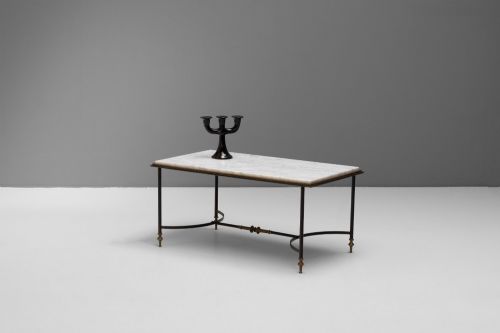
These black top low table examples bring low surface utility and striking dark surfaces into a room, spanning coffee and occasional tables from the nineteenth century to the interwar period.
Black Top Low Table
When you search for a black top low table, you encounter a selection of low coffee and occasional tables designed for modern living while drawing on historical aesthetics. The forms span from circular tray tables to rectangular designs used for serving or display.
The pieces on this page are most frequently represented by twentieth century iterations from the 1910s, 1920s, and 1930s, alongside examples rooted in Edwardian and nineteenth century traditions. These tables bridge historical design styles with the functional height required for contemporary seating arrangements.
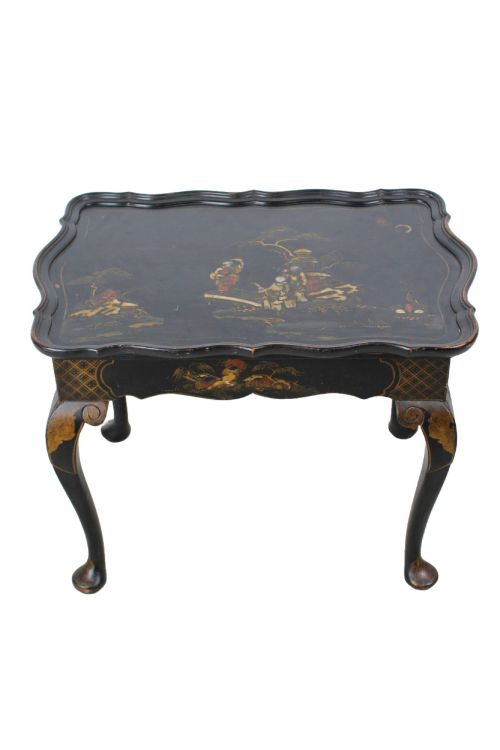
Origins and styling vary significantly across the selection, moving from English Chinoiserie interpretations to French provincial wrought iron and Italian neoclassical or rococo revival forms. Each piece utilises a dark or black upper surface paired with supportive frames of wood, iron, or brass.
How they were made
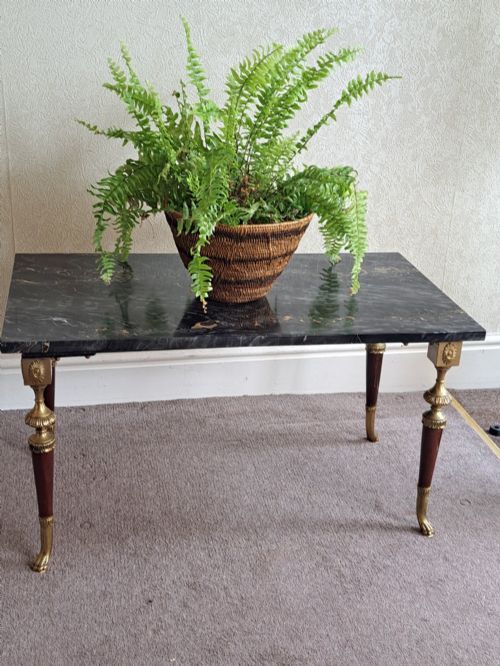
The construction of these tables relies on a combination of natural stone and worked metals, with heavy use of marble for the primary surfaces. Wrought iron and cast brass provide structural integrity for the bases, particularly in French and Italian provincial designs.
Wooden frames frequently feature lacquer and gilt work, especially in Chinoiserie pieces that employ traditional japanning and painted techniques to achieve a deep dark finish. Skilled joinery secures the low frames, accommodating the weight of stone slabs or raised tray borders.
Black Top Low Table Retail Price Guide 2026
Typical asking prices for black top low table among the pieces listed under this phrase on Sellingantiques today, from the lower quarter to the upper quarter. They describe what is for sale here now, not the wider market.
One Italian maker left their stamp in Varese, proving that even a coffee table appreciates a proper signature.
What varies in quality
Quality in these tables is defined by the integrity of the materials and the execution of the surface finishes, such as the depth of the lacquer or the natural figuring of the marble. Superior pieces demonstrate careful matching of stone slabs and precise hand-painted detail on Chinoiserie tray tops rather than mechanical uniformity.
The substance of the underframe distinguishes finer examples, where heavy wrought iron or solid seasoned woods provide stability without excess bulk. The integration between the dark top and the supporting legs reveals the maker's hand, separating standard commercial production from more considered workshop pieces.
The Black Top Low Table Glossary
- Chinoiserie
- European decorative style inspired by Chinese artistic traditions, popular in furniture decoration. It frequently employs lacquer, gold motifs, and black grounds on tray tables.
- Japanning
- European imitation of East Asian lacquerwork, built up in layers of varnish and heat-cured. This technique creates the durable dark glossy surfaces seen on many period tables.
- Tray top
- A table surface featuring a raised edge or gallery designed to keep items secure. These edges are often shaped or carved directly from the timber or added to the frame.
- Wrought iron
- Iron beaten into shape by hand with tools, yielding a fibrous structure and unique surface texture. It provides sturdy, slender supports for heavy marble tops.
Black Top Low Table: Frequently Asked Questions
Where should I place a black top low table?
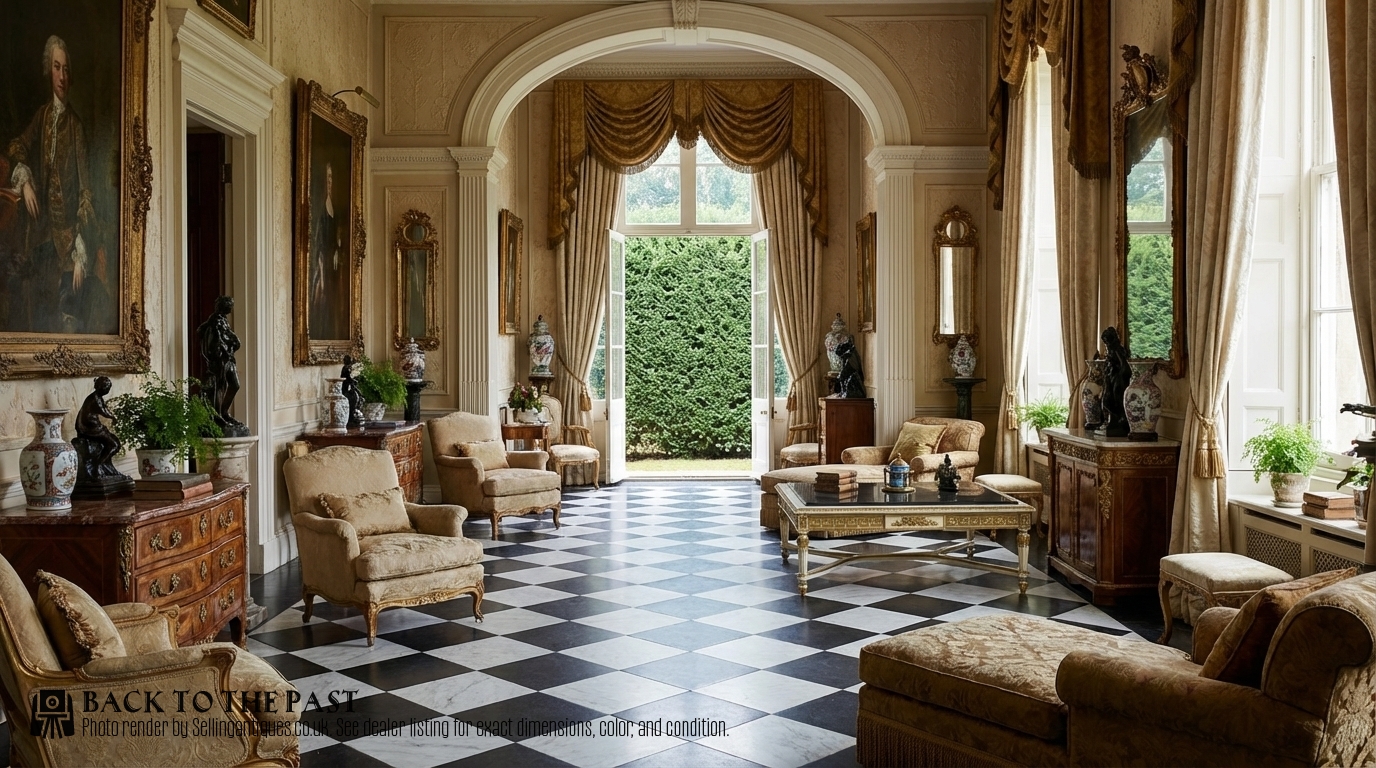
These low tables function effectively as central coffee tables in living spaces, providing a stable surface in front of seating. Their dark tops anchor a room visually, contrasting with lighter upholstery or rugs.
Smaller occasional versions also suit placement beside armchairs or in smaller reception rooms where surface space is needed without blocking sightlines.
How do I care for a marble top?
Marble requires gentle cleaning with warm water and mild, non-acidic soap to preserve the polish and prevent staining. Avoid harsh chemical cleaners or abrasive scouring pads that can dull the stone surface.
Using coasters and placemats helps protect vulnerable stone and lacquered wood finishes from moisture and heat rings during daily use.
What is the difference between Chinoiserie and Empire styles here?
Chinoiserie pieces feature painted or lacquered surfaces with Asian-inspired motifs, often in gold against a dark background. They emphasise decorative pictorial storytelling on tray tops.
Empire style tables draw on classical antiquity and Napoleonic design, relying on architectural symmetry, restrained metal mounts, and solid proportions rather than narrative painting.
How do I date a painted tray table?
Dating relies on examining the construction methods of the wooden base, the composition of the paint or lacquer layers, and stylistic cues from the period. Edwardian and early twentieth century interpretations often combine older decorative motifs with lighter internal framing.
Nineteenth century examples tend to use heavier timber construction and denser application of japanning materials, reflecting the manufacturing standards of the era.