






Rococo Style Coffee Table
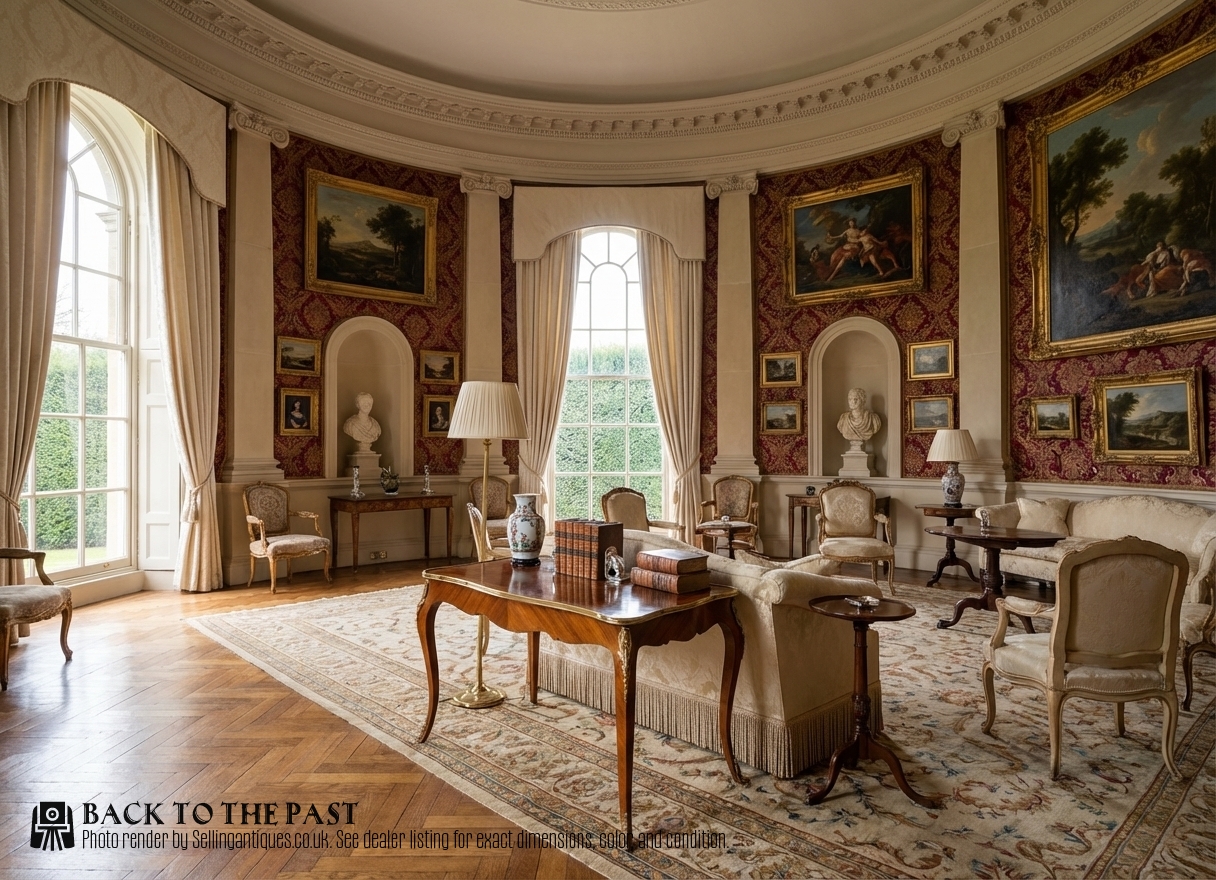
These rococo style coffee table pieces bring extravagant curves and intricate carvings into modern reception rooms.
Rococo Style Coffee Table
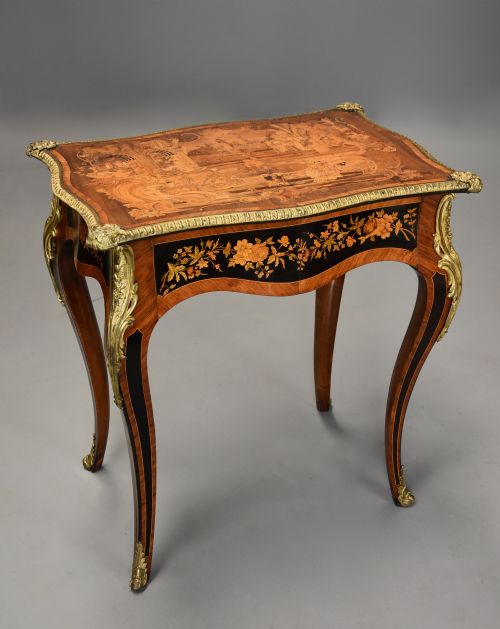
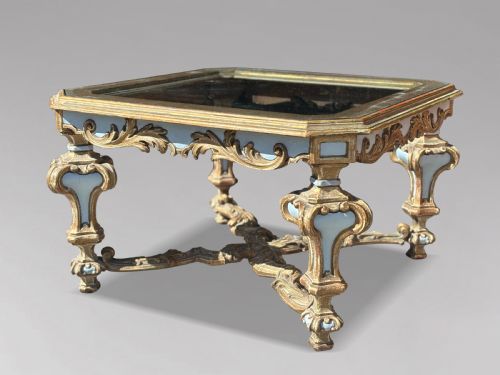
A rococo style coffee table draws on historical forms like the Louis XV revival, French chateau, and Italian baroque traditions. These low tables frequently adapt older centre tables, occasional tables, or benches into furniture suited for contemporary seating arrangements.
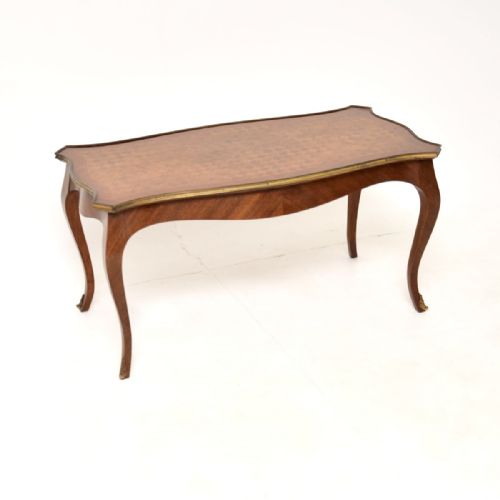
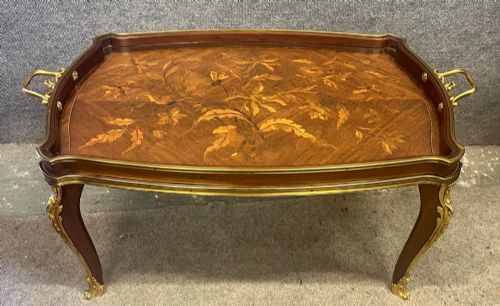
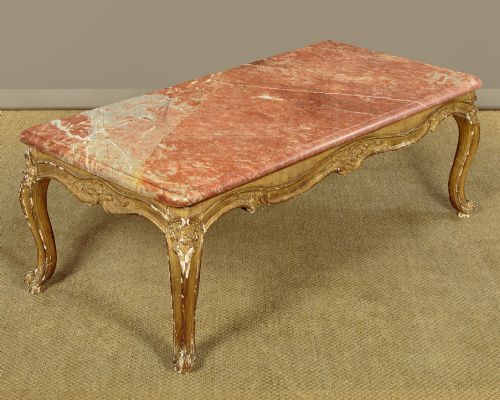
The selections span from the mid-nineteenth century through the 1920s and 1930s, showing how cabinetmakers reinterpreted eighteenth-century curves across different decades. Common formats include round marquetry tops, rectangular tray tops, and heavy marble inserts supported by elaborate frames.
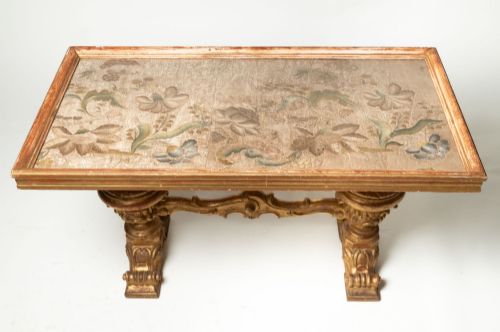
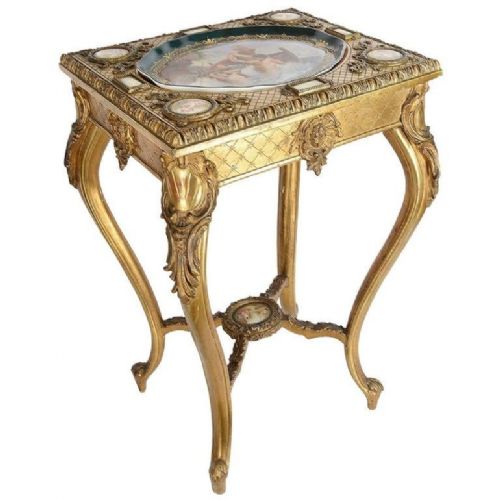
Originating largely from French and Italian workshops, these low tables often utilise rich veneers and decorative mounts. Buyers encounter everything from simple walnut occasional pieces to giltwood creations featuring porcelain plaques.
Materials and construction
Makers built these pieces using solid timbers like walnut, mahogany, and pine, frequently applying decorative veneers such as kingwood and satinwood in parquetry or marquetry patterns. Giltwood and ormolu mounts provide the characteristic metallic sheen and ornamental depth associated with the revival styles.
Surface details often include intricate hand-carved woodwork, black lacquer, and painted finishes. Heavy inset marble or glass tops complete the structure, resting securely within moulded wooden frames or cast bronze surrounds.
Rococo Style Coffee Table Retail Price Guide 2026
Typical asking prices for rococo style coffee table among the pieces listed under this phrase on Sellingantiques today, from the lower quarter to the upper quarter. They describe what is for sale here now, not the wider market.
The listings feature pieces spanning the mid-nineteenth century through the 1930s, utilising materials such as walnut, kingwood, marble, and giltwood.
Assessing quality and execution
The distinction between standard production and superior craftsmanship lies in the depth and precision of the carving. Finely executed pieces display crisp, fluid relief work in the wood or gilt, whereas simpler items show softer, more generalised moulding.
Materials also dictate the tier of a piece, with dense figured woods, genuine ormolu mounts, and heavy marble slabs elevating the work. The complexity of the marquetry inlay and the integration of porcelain plaques indicate the level of labour invested by the maker.
B Battioli Varese·Zwiener
The Rococo Style Coffee Table Glossary
- Marquetry
- Decorative veneer work arranged in pictorial or geometric patterns using various coloured woods. It creates detailed surfaces on tabletop panels.
- Ormolu
- Gilded bronze ornamentation applied to furniture mounts and feet. This technique provides a metallic highlight against dark wooden veneers.
- Parquetry
- Geometric wood inlay forming repetitive patterns such as cubes or triangles. It frequently covers the main surface of French tables.
- Giltwood
- Timber coated with a thin layer of gold leaf or paint. This finish defines the ornate frames of baroque and revival pieces.
- Tray top
- A tabletop featuring a raised moulded edge designed to prevent items from sliding off. This form appears frequently on French occasional tables.
Rococo Style Coffee Table: Frequently Asked Questions
How do I style a rococo style coffee table?
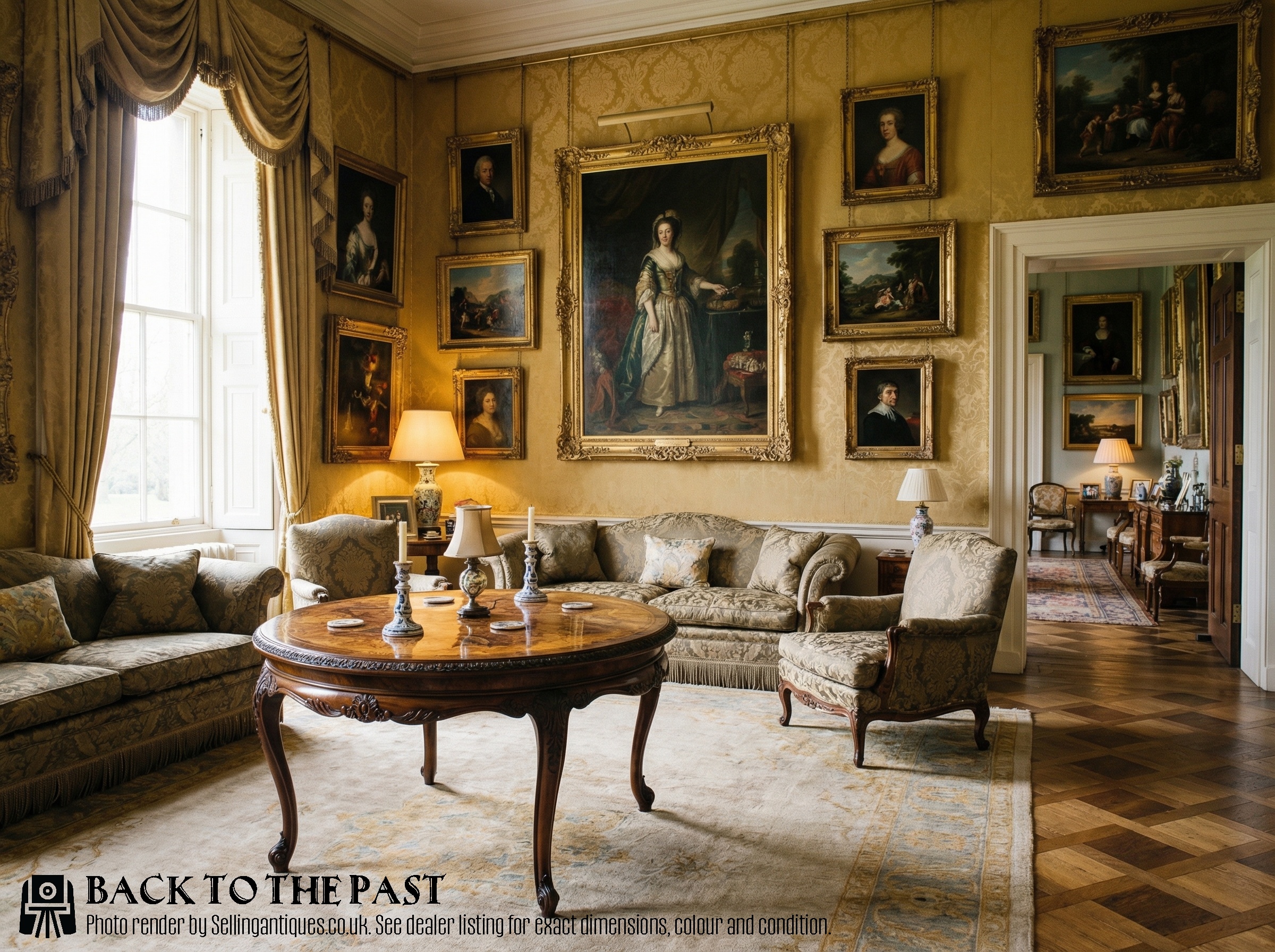
Pair these ornate, curved tables with neutral contemporary seating to let the carved woodwork and gilt finish stand out as a focal point. Keep surface accessories minimal to showcase the wood grain, marquetry, or marble top.
Because these pieces originate from different revival periods, they anchor a room with distinct historical character. They suit eclectic interiors that mix modern upholstery with antique wooden furniture.
Are these low tables original period pieces?
The selection includes items dating from the mid-nineteenth century up to the 1930s, representing revival periods rather than original eighteenth-century production. Many items were adapted from earlier centre tables, window seats, or occasional tables to serve as low coffee tables.
Cabinetmakers across the nineteenth and early twentieth centuries faithfully reproduced Louis XV and Italian baroque styles. This manufacturing history explains the variety of woods and construction methods found in the current listings.
What is the difference between rococo and baroque tables?
Baroque designs tend to be heavier, more symmetrical, and monumental, reflecting grandiose Italian and French court aesthetics. Rococo and Louis XV revival styles introduce asymmetric C-scrolls, shell motifs, and lighter, more fluid organic lines.
Tables from these overlapping traditions often share giltwood and carved elements but differ in the complexity of their silhouettes. Reviewing the specific decorative carvings helps identify the exact stylistic influence.
How do I care for marble and giltwood surfaces?
Clean marble tops with a damp cloth and mild soap, avoiding acidic cleaners that can etch the polished stone. Giltwood frames require gentle dusting with a soft brush to protect the delicate gold leaf finish.
Direct sunlight and fluctuating humidity should be avoided to preserve wooden veneers and lacquer. Regular maintenance ensures the original patination remains stable over time.