


Vintage Centre Table
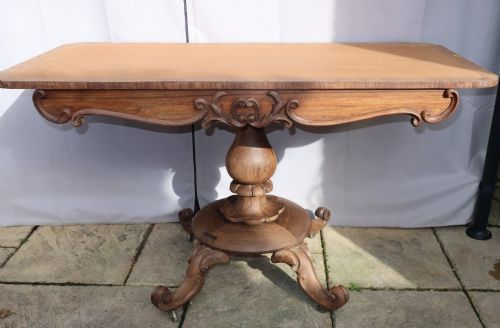
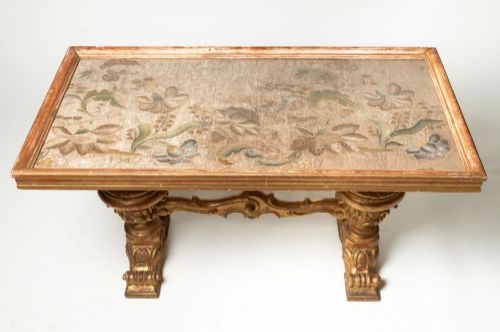
A vintage centre table anchors a room with presence, offering a freestanding platform crafted for display.
Vintage Centre Table
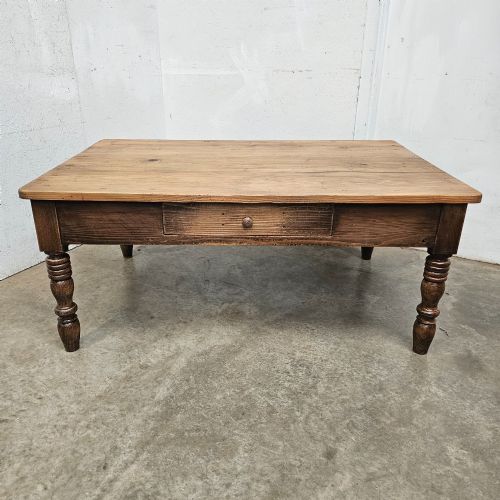
A vintage centre table serves as a prominent freestanding surface designed to sit proudly in the middle of a room rather than against a wall. The pieces found here span the Victorian era, the nineteenth century, and the nineteen-thirties, reflecting diverse influences from French Rococo Revival to Art Deco.
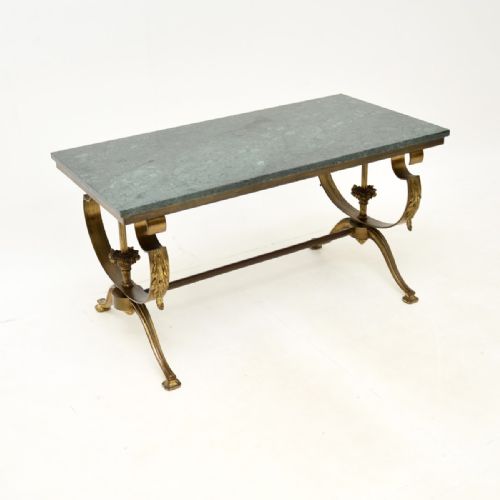
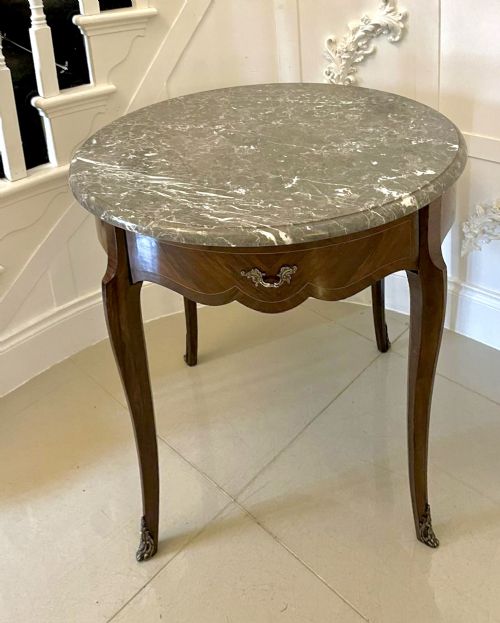
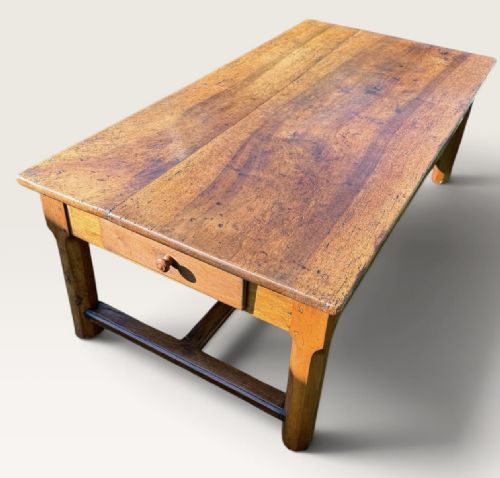
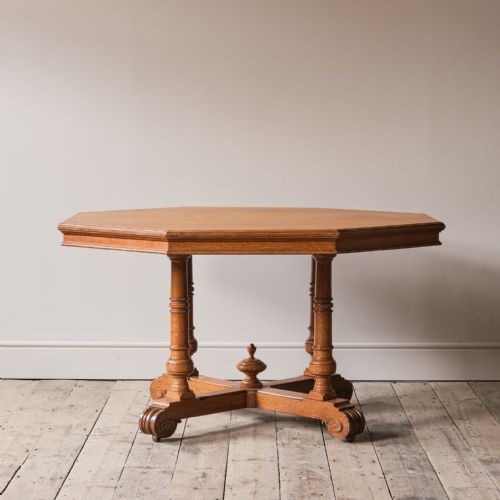
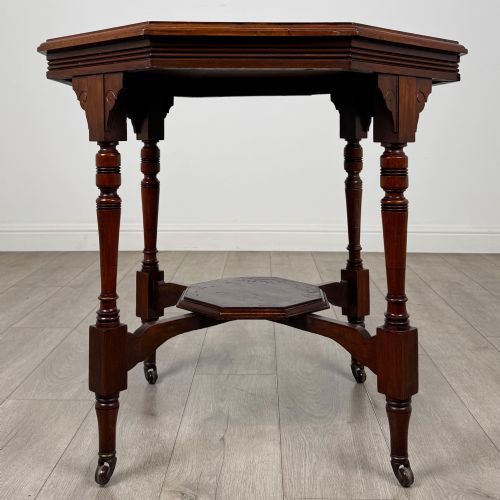
Buyers regularly encounter forms such as circular breakfast tables, octagonal tables, drum tables, and tiered occasional pieces. Materials range from traditional timbers like walnut, mahogany, and oak to decorative surfaces inset with marble, onyx, and malachite.
Origins stretch across England, France, and Italy, bringing together diverse regional cabinet-making traditions. These surfaces bridge historical utility and decorative presence, functioning equally well as lamp tables or primary display points.
How they were made
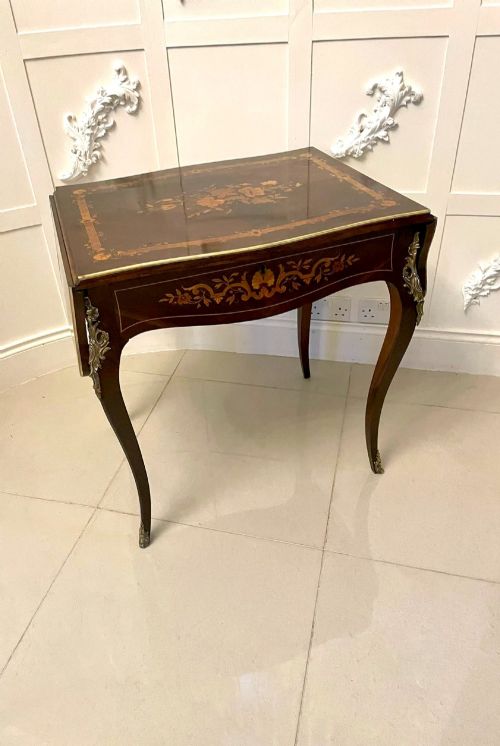
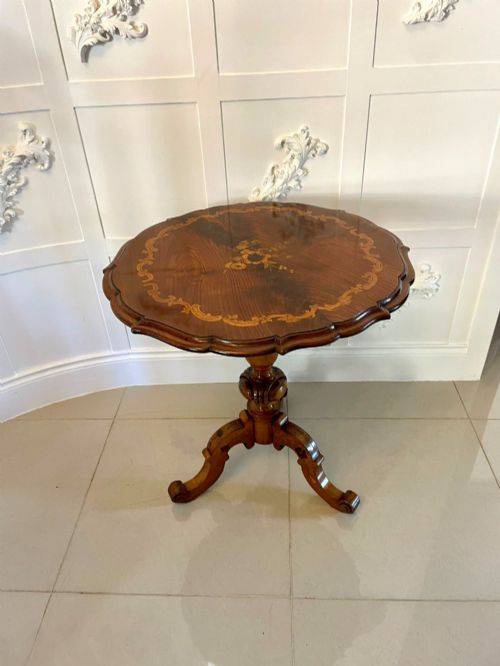
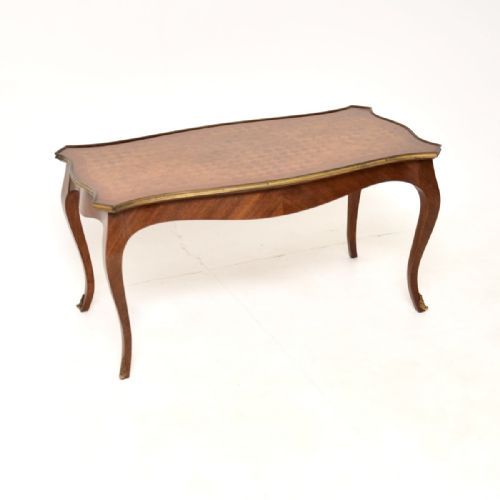
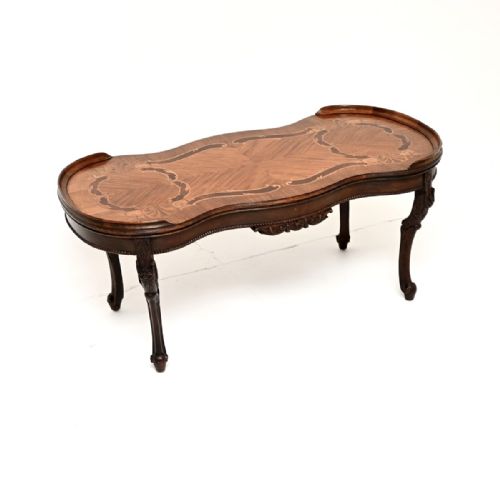
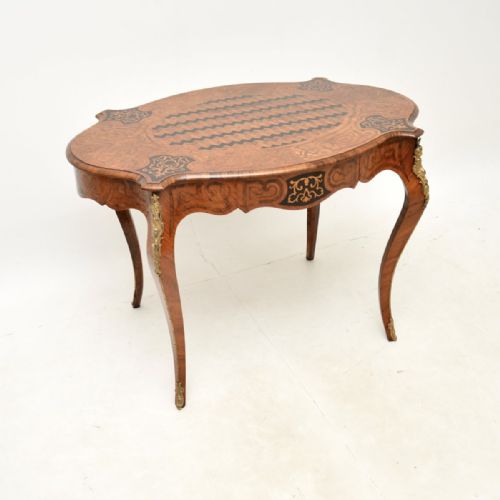
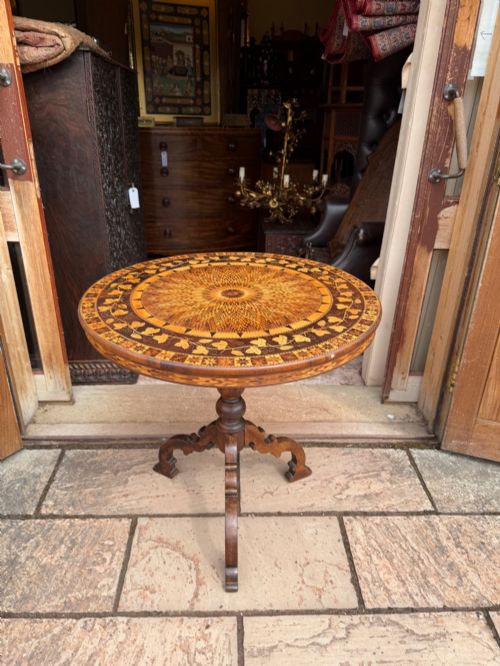
Cabinet-makers relied on solid timbers such as mahogany, oak, and walnut, frequently applying burr walnut, rosewood, kingwood, or satinwood veneers to create rich grain patterns. Marquetry and parquetry inlay introduced geometric or floral patterns across tabletops, utilising contrasting wood tones.
Structural elements frequently incorporated carved wood, turned legs, triform bases, and giltwood or ormolu mounts. Tabletops were often finished with inset marble, onyx, or polished stone, secured within wooden frames or supported by central pedestals.
Some nineteenth-century tables feature hidden compartments designed for secret correspondence.
What varies in quality
The distinction between ordinary and exceptional tables rests on the precision of the timber selection and the complexity of the surface decoration. Marquetry executed with varied exotic woods and crisp, hand-carved details signal superior craftsmanship.
Construction methods determine long-term stability, particularly in freestanding designs that experience stress from all angles. Tables featuring heavy stone tops, such as marble or onyx, require robust internal framing and solid pedestal bases to maintain balance.
Amleto Bertoni
The Vintage Centre Table Glossary
- Marquetry
- Decorative woodwork where pieces of veneer are fitted into a ground to form intricate pictorial or geometric designs. This technique frequently appears on French and Victorian tabletops.
- Parquetry
- A geometric mosaic of wood pieces used for decorative floors and tabletops. It creates repeating patterns like squares, triangles, or chequers.
- Ormolu
- Gilded bronze applications cast and chased to ornament furniture mounts and feet. It adds metallic contrast to wood surfaces.
- Gueridon
- A small French table, often circular, supported by a column or figures. The form originated in the seventeenth century and persisted through later revivals.
- Drum table
- A circular library table with a deep top resembling a drum, usually fitted with drawers around the circumference. They often stand on a central pillar with tripod feet.
Vintage Centre Table: Frequently Asked Questions
Where should I place a centre table?
These pieces are designed to stand away from walls, making them ideal for the middle of a drawing room or a large hallway. Their freestanding nature allows them to be viewed from all sides.
Ensure there is sufficient clearance around the piece for movement and seating. They function well beneath central ceiling light fixtures or chandeliers.
How do I care for wooden and stone tabletops?
Wooden surfaces benefit from occasional waxing to nourish the grain and protect the finish from moisture. Avoid placing untreated hot items or liquids directly onto the wood.
Marble and onyx tops require gentle cleaning with a damp cloth and mild soap. Acidic liquids can etch polished stone surfaces if left unattended.
What is the difference between a centre table and a coffee table?
Centre tables traditionally stood at standard dining or writing height in the middle of a room for display or games. Many examples from earlier periods have been adapted over time to lower coffee table heights.
Original nineteenth-century pieces tend to offer greater height and more substantial pillar or pedestal construction. Modern low tables focus primarily on seating arrangements.