
Carved Wood Table
A carved wood table brings tactile depth and historic character to a room, offering functional surfaces shaped by generations of cabinetmakers.
Carved Wood Table
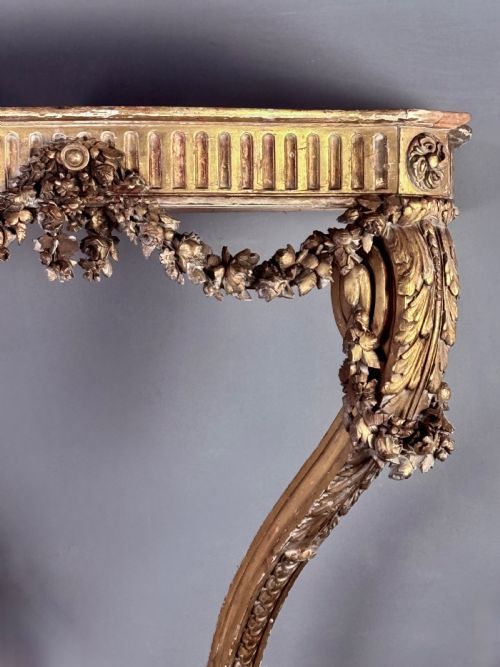
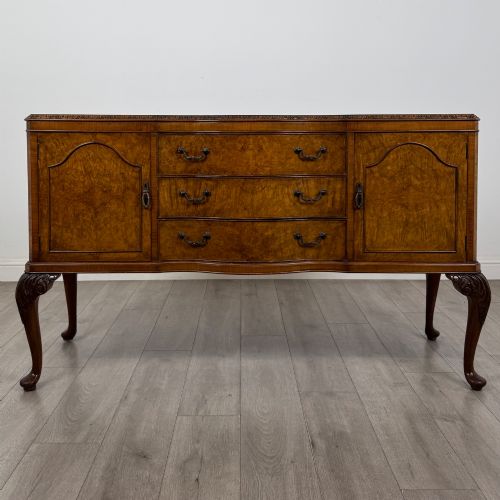
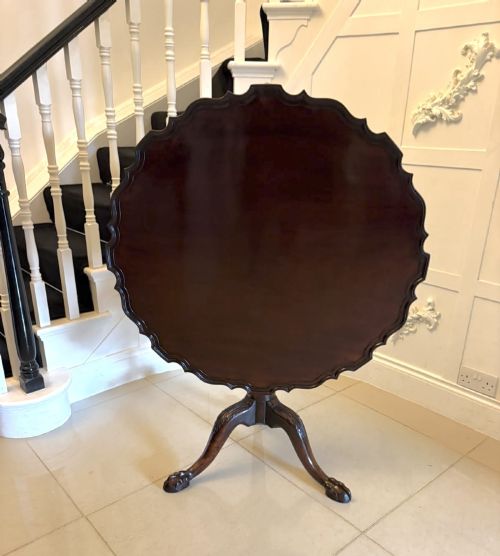
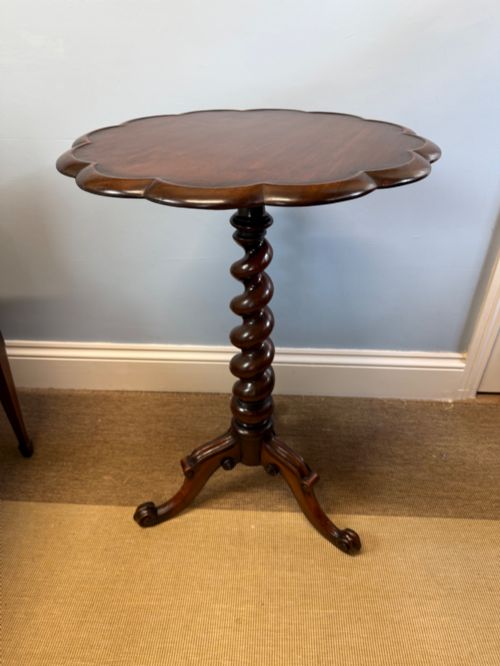
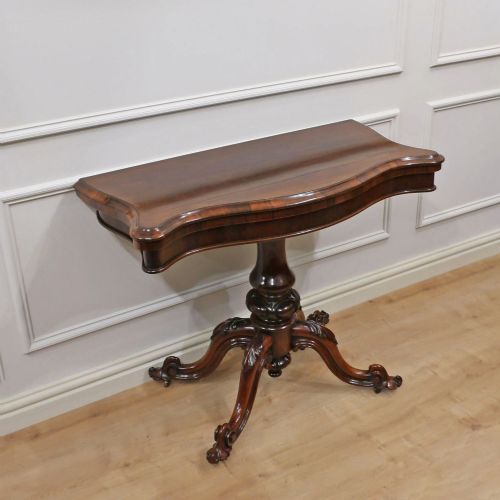
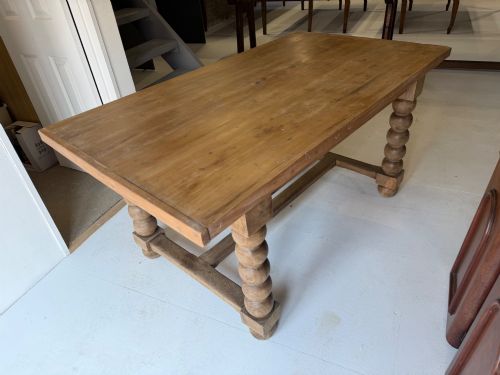
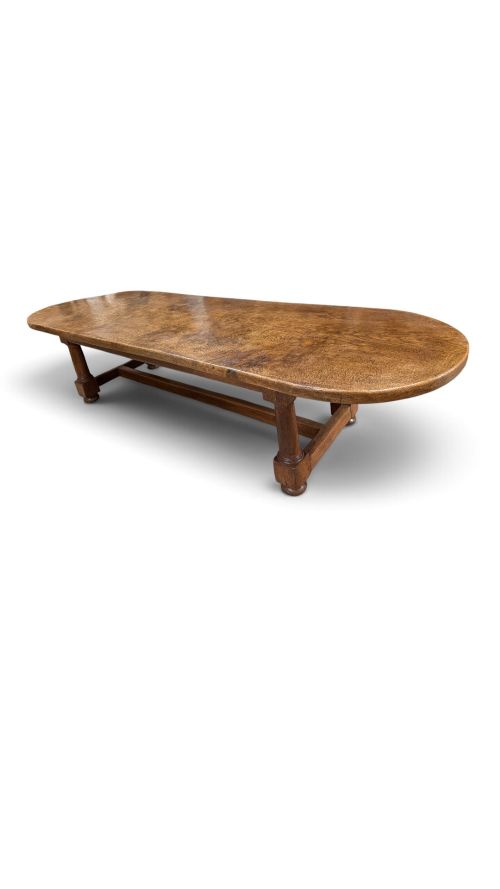
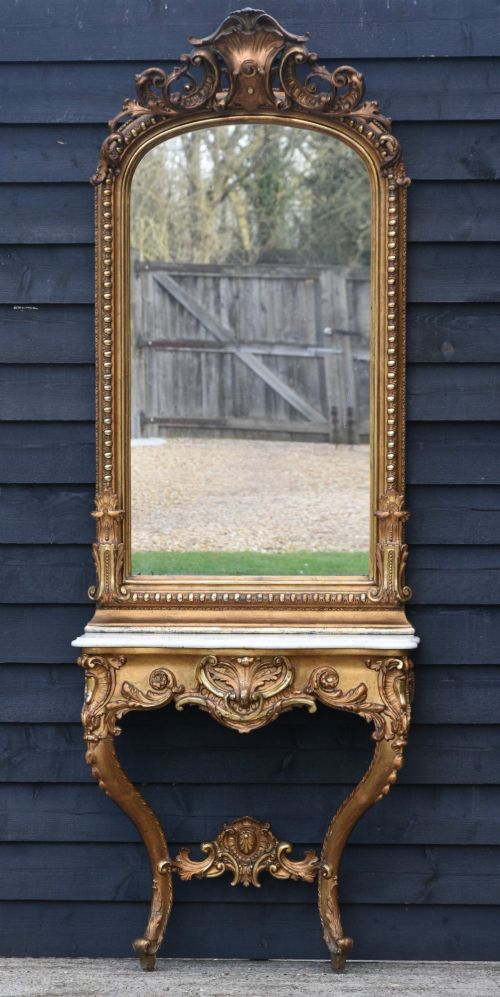
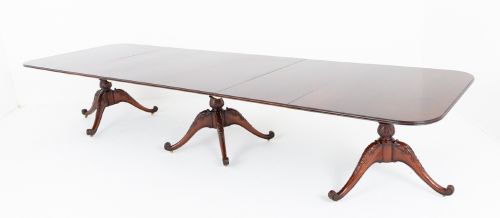
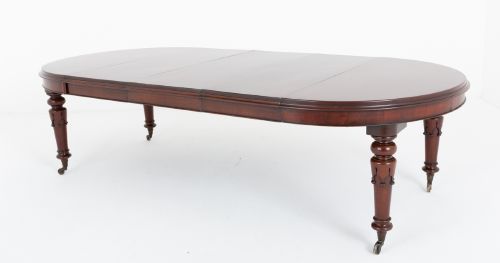
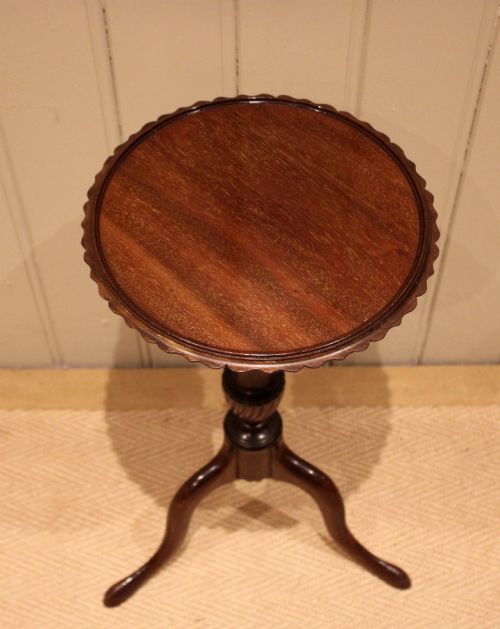
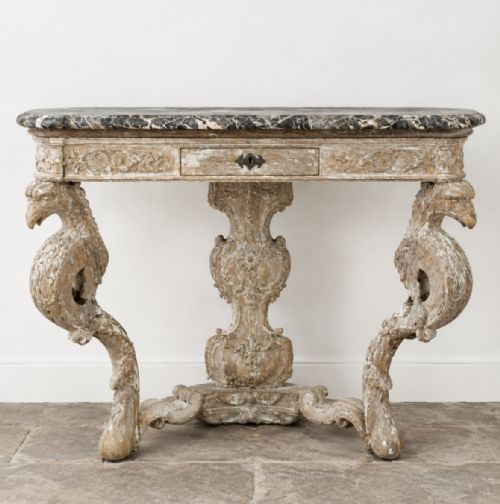
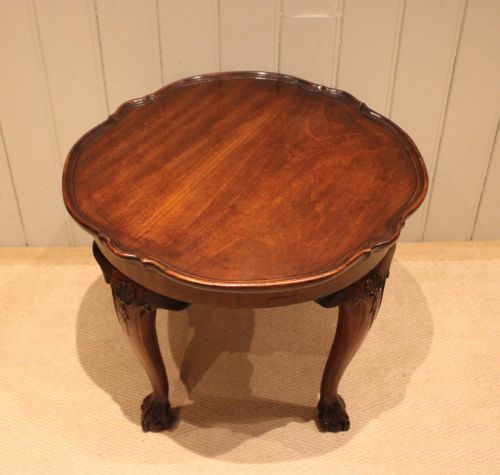
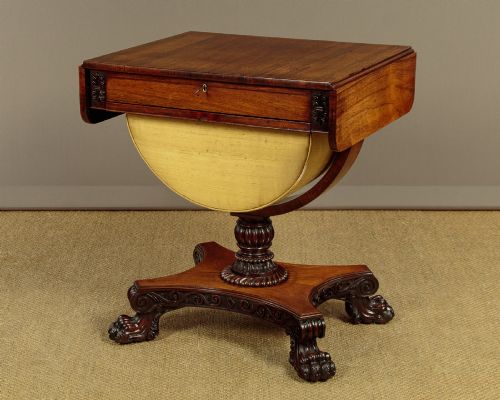
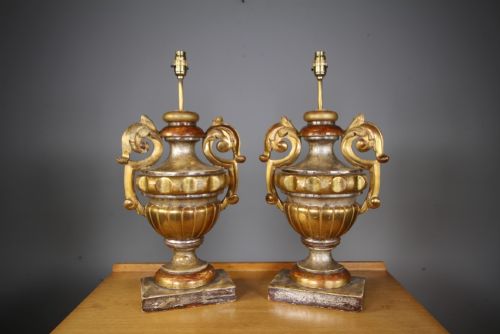
A carved wood table encompasses a broad variety of domestic forms, ranging from grand dining tables and console tables to compact side tables, card tables, and occasional lamp stands. These pieces emerge from diverse periods including the eighteenth century, the Victorian era, and the early twentieth century, reflecting both British traditions and international workshops.
Regional diversity shapes the selection, incorporating French giltwood designs, German walnut examples, and Burmese or Indian hardwood items. Each form serves a distinct domestic purpose, from hallway display surfaces to dining and games room focal points.
Materials and Construction
Makers utilised dense timbers such as mahogany, rosewood, walnut, and oak to build sturdy frames capable of supporting elaborate ornamentation. These foundational woods were frequently paired with contrasting materials, incorporating marble inserts, brass inlay, glass, and giltwood surfaces.
Joinery and carving techniques varied according to regional workshop practices and stylistic demands, ranging from crisp neoclassical motifs and Chippendale style relief work to organic bobbin legs and figurative supports. Gilt gesso and polished veneers completed the exterior surfaces of formal console and centre tables.
Listings feature mahogany, rosewood, oak, and walnut timbers across nineteenth-century and earlier forms.
Evaluating Craftsmanship
Quality rests in the crispness and depth of the carved ornamentation, where hand-chiselled details exhibit sharpness and fluency rather than soft or mechanical uniformity. Superior examples display careful timber selection, with figured grain patterns aligned harmoniously across table tops and friezes.
Trevor Page And Co·H.A.C.·Cesar Bagard·Amulet Bertoni
The Carved Wood Table Glossary
- Console table
- A table designed to stand against a wall, frequently secured with brackets or resting on carved front legs. These items often feature decorative marble or wooden tops.
- Giltwood
- Timber coated with a thin layer of gold leaf over a prepared gesso ground. This finish appears frequently on decorative frames and neoclassical console tables.
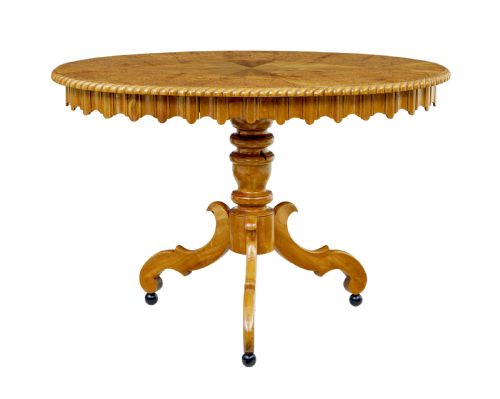
- Triform base
- A three-sided pedestal support configuration commonly found beneath nineteenth-century breakfast and centre tables. It provides stability while offering sculptural visual weight.
- Card table
- A folding table featuring a hinged top that opens to reveal a baize-lined surface for playing games. These pieces date prominently from the eighteenth and nineteenth centuries.
- Gueridon
- A small circular table supported by a central column or figurative legs, originating in seventeenth-century France. The form persisted through later revival periods in walnut and gilt finishes.
Carved Wood Table: Frequently Asked Questions
How do I care for antique wood surfaces?
Maintain timber surfaces by dusting with a soft, dry cloth and avoiding placement near direct heat sources or strong sunlight. Apply natural waxes sparingly to nourish the grain without building up heavy residues.
Protect marble tops from acidic spills and moisture by using coasters or protective pads. Gentle maintenance preserves the historic patina developed over centuries of use.
Where should I place a console table?
Console tables fit naturally against entrance hallway walls, beneath large mirrors, or behind freestanding seating arrangements in living rooms. Their shallow depth allows them to occupy narrow passages without obstructing movement.
Pairing a console with a lamp or decorative display items creates a balanced focal point. These surfaces function effectively for both decorative arrangement and practical drop zones.
What defines a Victorian centre table?
A Victorian centre table is designed to stand free in the middle of a room rather than against a wall, featuring finished craftsmanship on all sides. These pieces often incorporate robust rosewood or walnut structures with circular or serpentine tops.
They served as communal hubs in nineteenth-century drawing rooms for displaying books or lighting. Their substantial pedestals and carved bases provide strong visual presence.
How do I distinguish Regency styles?
Regency style furniture draws inspiration from classical Greek, Roman, and Egyptian motifs, displaying clean architectural lines alongside exotic timber veneers. Brass inlay and carved paw feet frequently characterise these refined compositions.
Proportions tend to remain restrained yet elegant, prioritizing geometric harmony over heavy ornamentation. This aesthetic bridges late eighteenth-century neoclassical design with early Victorian production.