

Italian Carved Furniture
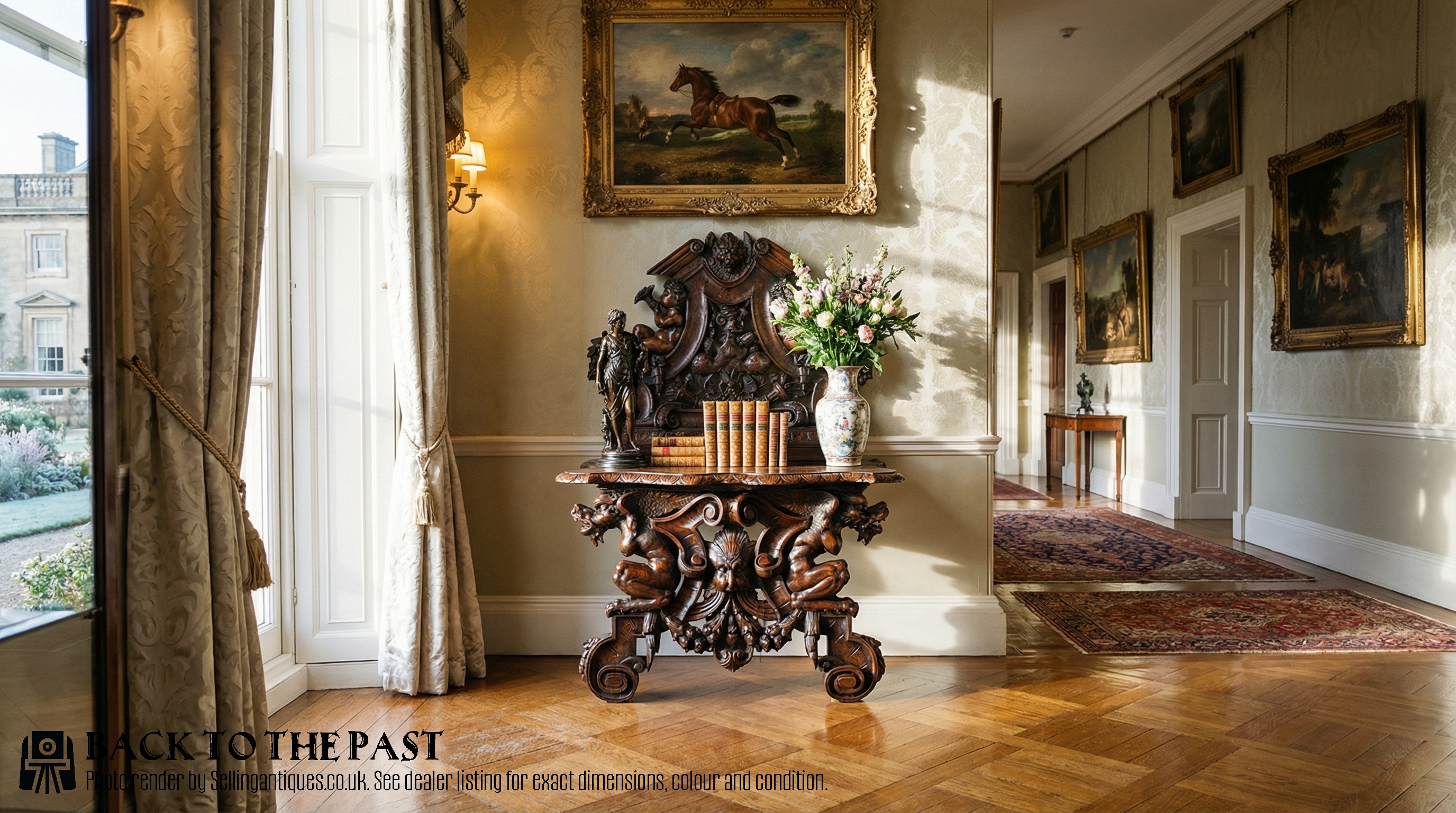
Italian carved furniture brings grand historical presence into a room through elaborate walnut, giltwood, and painted surfaces.
Italian Carved Furniture
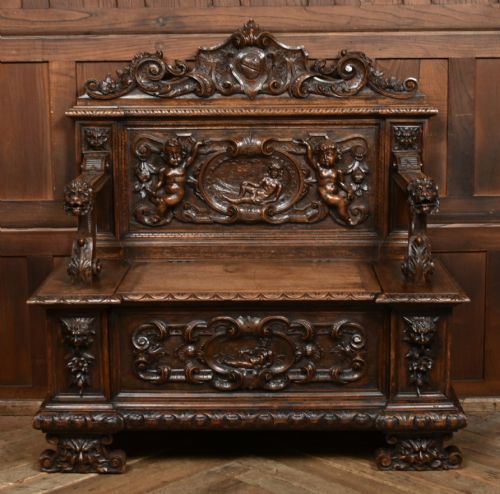
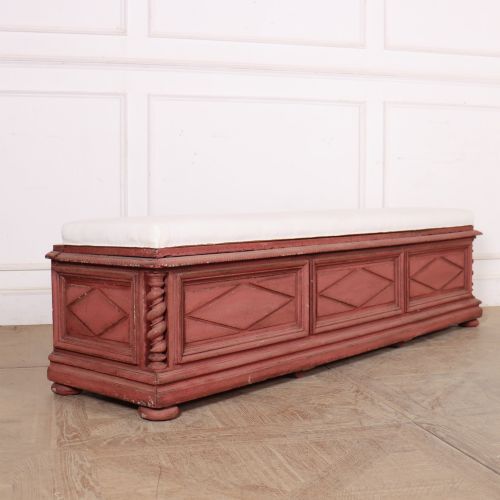
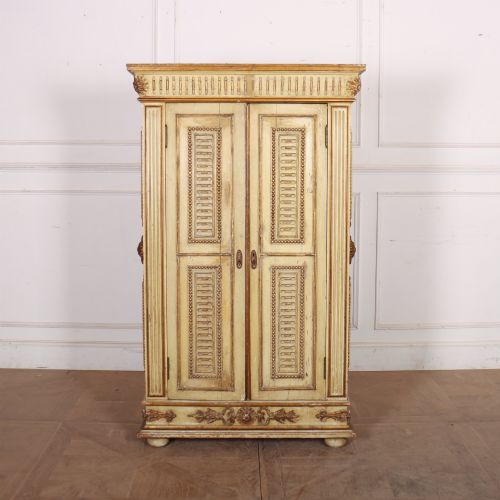
Italian carved furniture spans diverse forms including console tables, armchairs, cabinets, and benches rooted in centuries of craftsmanship. Buyers seek these pieces to anchor interiors with distinct historical character and sculptural form.
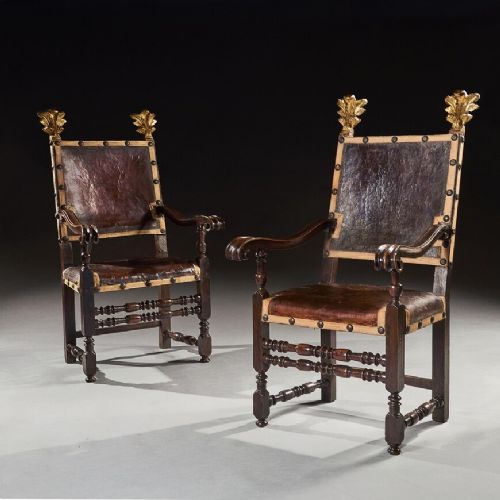
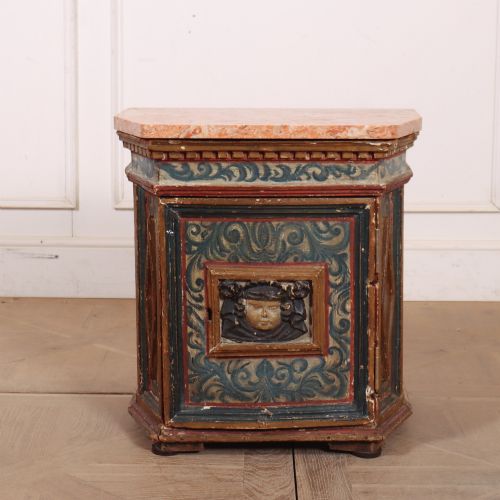
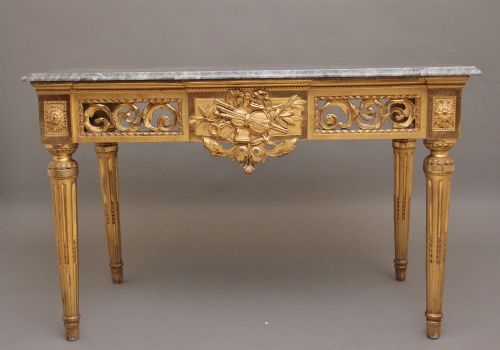
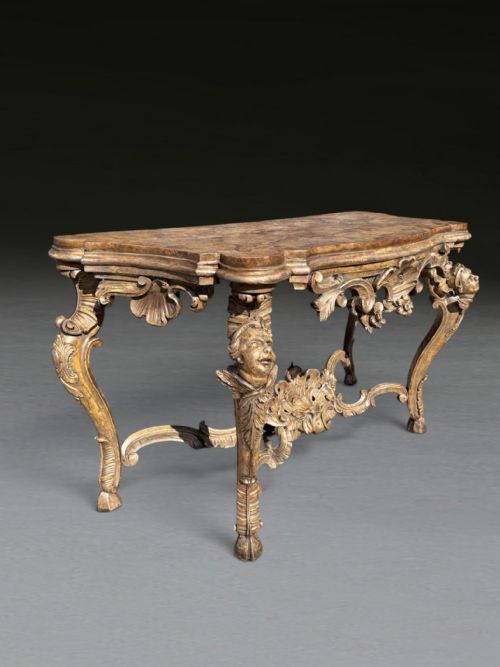
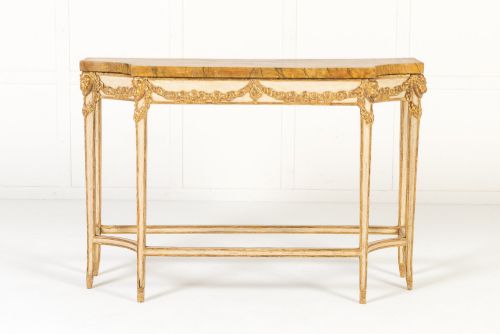
Console tables and seating dominate the selection, often rendered in elaborate Baroque, Rococo, or Neoclassical styles. Walnut and painted surfaces appear frequently alongside gilded finishes and marble tops.
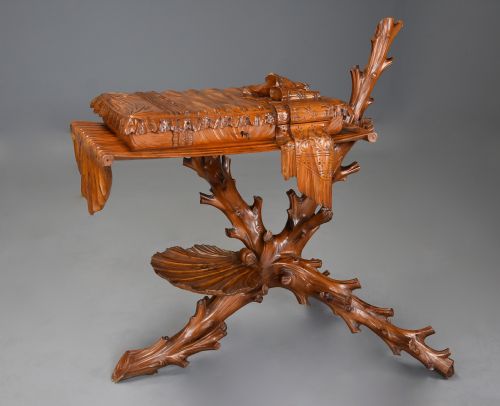
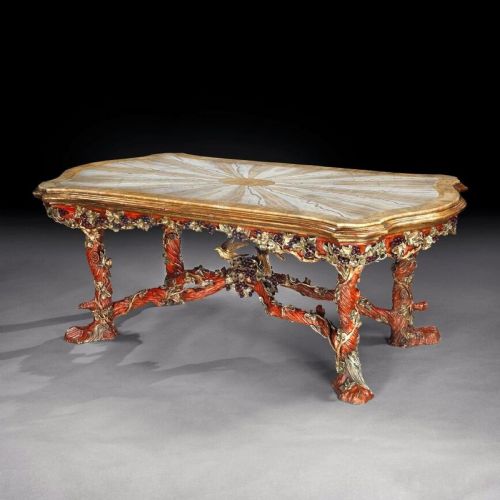
Originating across regions like Venice and Genoa, these items reflect local decorative traditions ranging from restrained walnut framing to vibrant polychrome finishes and grotto work.
Materials and Construction
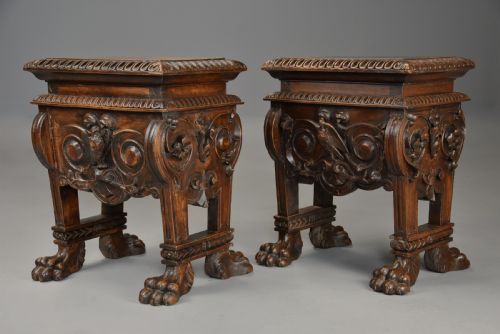
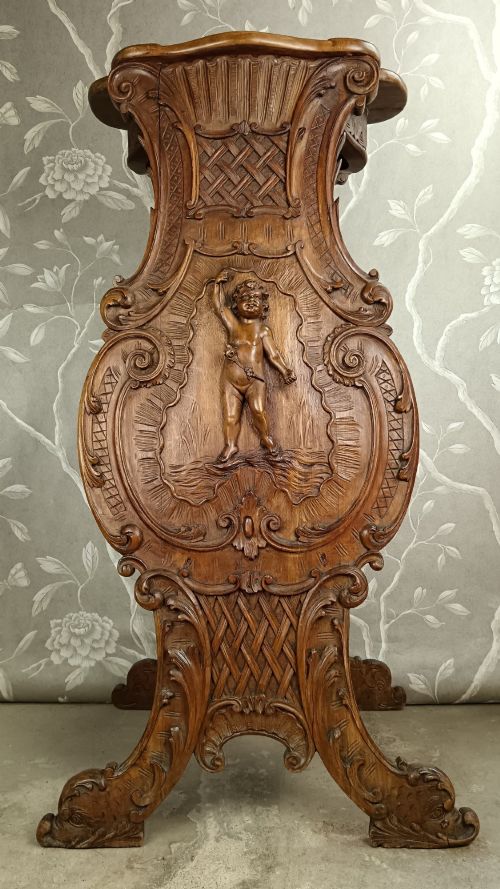
Carving relies primarily on solid woods such as walnut, oak, and pine, shaped into deep relief scrolls, foliage, and figural supports. Artisans applied gesso preparation layers to smooth surfaces before laying down gold leaf, silvering, or paint.
Decorative embellishments incorporate marble tops including Breccia and onyx, alongside intricate inlay work utilising olive wood, satinwood, and rosewood. Brass hardware and furniture fittings complete many functional storage and display pieces.
A solitary flintlock holster pistol fitted with decorative brass furniture occasionally keeps watch among the heavy walnut tables and gilded chairs.
Evaluating Quality
The distinction between tiers rests on the crispness of the hand-carving and the depth of relief work across the wood surface. Finer examples display fluid, confident tool marks rather than mechanical or soft detailing.
Original surface treatments dictate much of the desirability, with period paint, gold leaf, and parcel-gilt highlights holding greater visual integrity than later overpainting. The integration of high-status materials like genuine marble tops and specialised inlays elevates the standing of individual tables and cabinets.
Amleto Bertoni·Peters of Genoa·Pauly et Cie·White, Allom and Co
The Italian Carved Furniture Glossary
- Giltwood
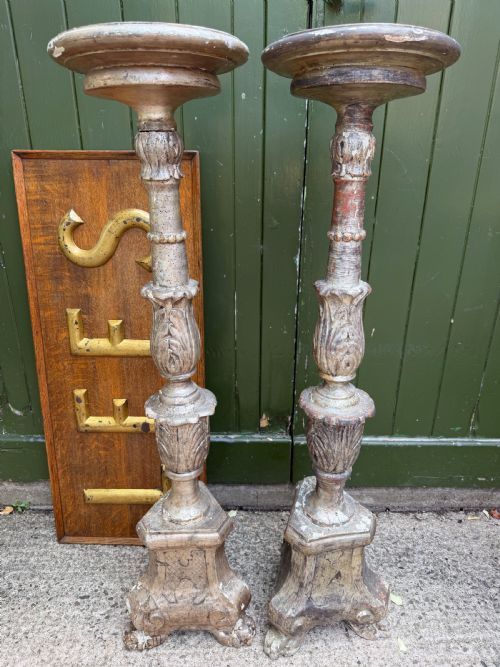
- Wood carved and coated with gold leaf. This surface treatment was widely utilised on grand console tables and torcheres to catch candle and natural light.
- Console table
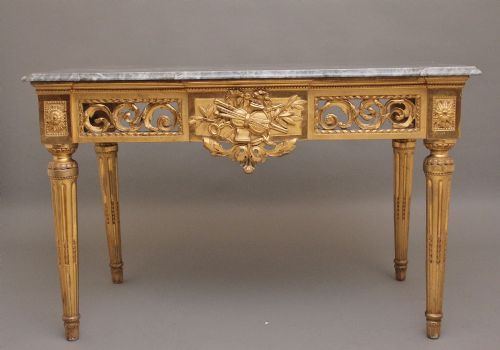
- A wall-mounted or freestanding table supported by sculptural legs or brackets. These pieces frequently feature elaborate marble tops and heavy carving.
- Polychrome
- Decorated in multiple colours. This paint technique appears on Venetian seating, cabinets, and tables.
- Cassapanca
- A wooden bench featuring a storage box base with a back and armrests. It combines seating with domestic utility.
- Sgabello
- A lightweight wooden chair with a high back and solid trestle supports. These portable seats date back to the Renaissance era.
Italian Carved Furniture: Frequently Asked Questions
How do I style a giltwood console table?
Place the table against a prominent wall in a hallway or principal reception room to showcase its sculptural base and marble top. Pair the surface with a simple mirror or modest decorative objects to let the carved woodwork remain the focal point.
Keep surrounding furniture understated to balance the ornate gilding and rich texture typical of Italian Baroque or Neoclassical console pieces.
What rooms suit painted Venetian furniture?
Painted side tables, cabinets, and seating bring brightness and decorative flair to bedrooms, dressing rooms, or light-filled drawing rooms. Their pastel tones and floral motifs work well against neutral wall colours.
Avoid placing delicate polychrome surfaces in humid environments or areas prone to direct, harsh sunlight to protect the historic paint layers.
How do I care for antique walnut furniture?
Dust the carved surfaces regularly with a soft, dry cloth to prevent dirt accumulation in the deep recesses of the relief work. Avoid commercial liquid polishes that can build up and dull the historic patina of the wood.
Maintain stable room humidity levels to protect solid walnut construction from shrinking, expanding, or cracking over time.
What is the difference between Baroque and Rococo styles?
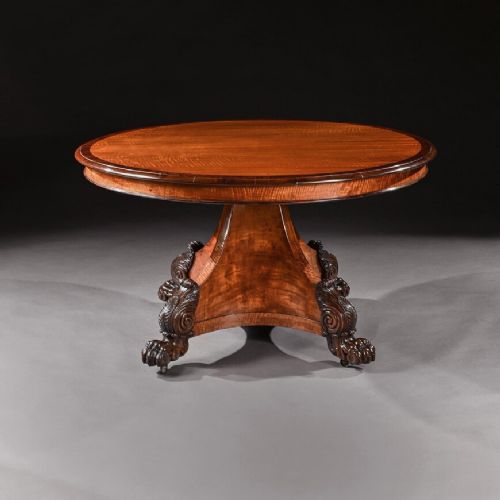
Baroque pieces emphasise monumental scale, symmetry, and heavy classical motifs like lion's paw feet and deep architectural moulding. They project a sense of dramatic weight and formal grandeur.
Rococo designs introduce asymmetrical curves, C-scrolls, and lighter, more playful floral ornamentation suited to intimate interior spaces.