
Giltwood Side Table
A giltwood side table brings a flash of carved gold and polished stone into a room, joining centuries of European craftsmanship with practical surface space.

Giltwood Side Table
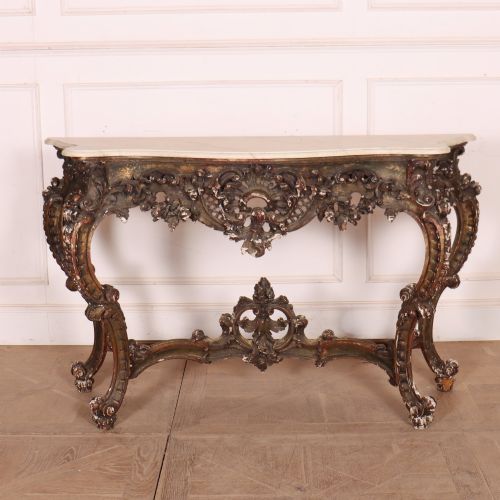
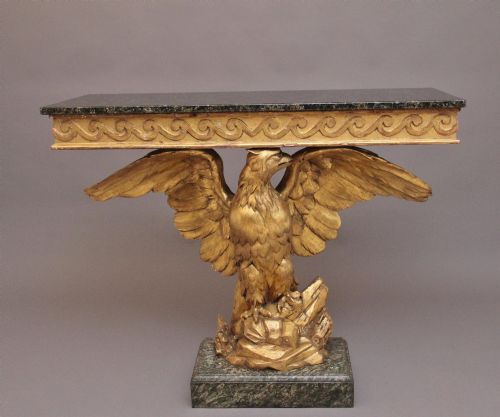
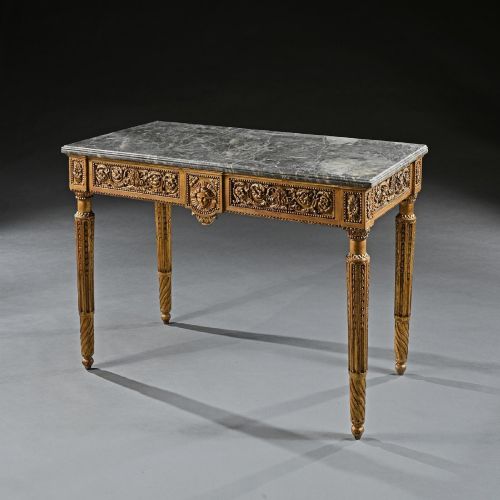
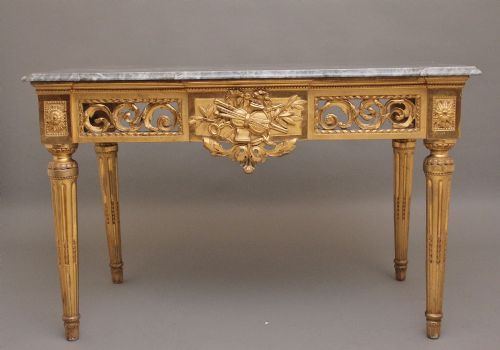
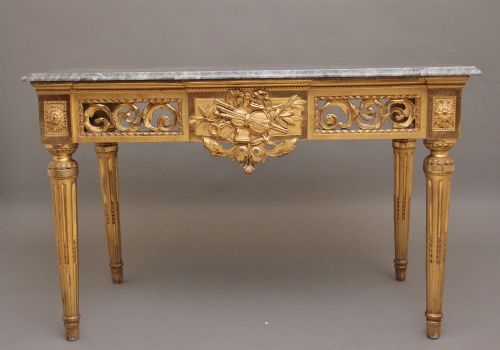
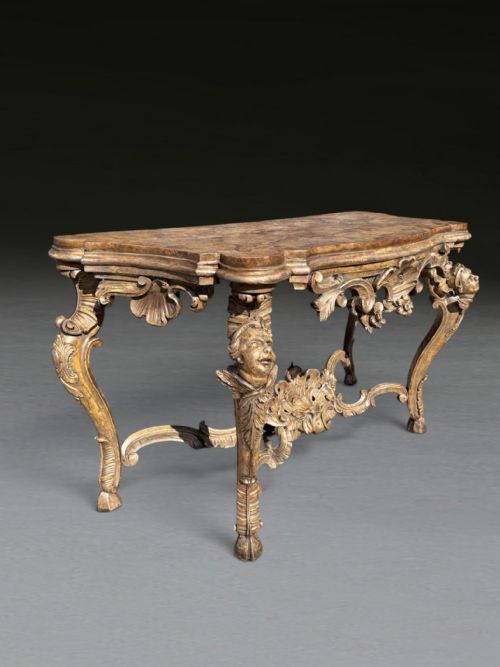
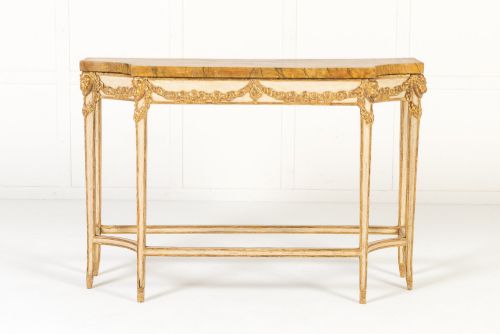
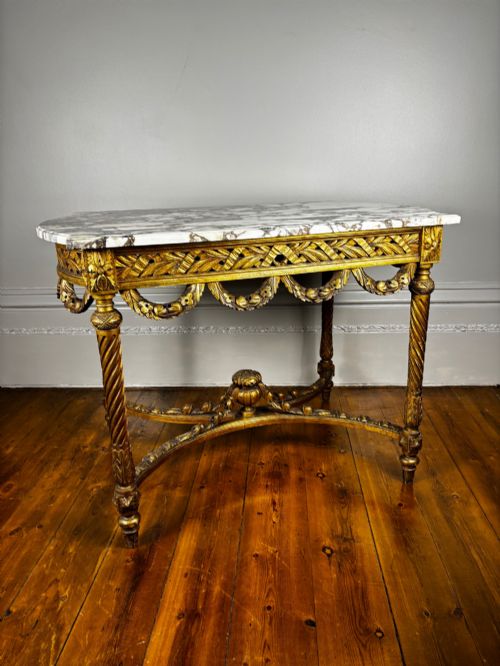
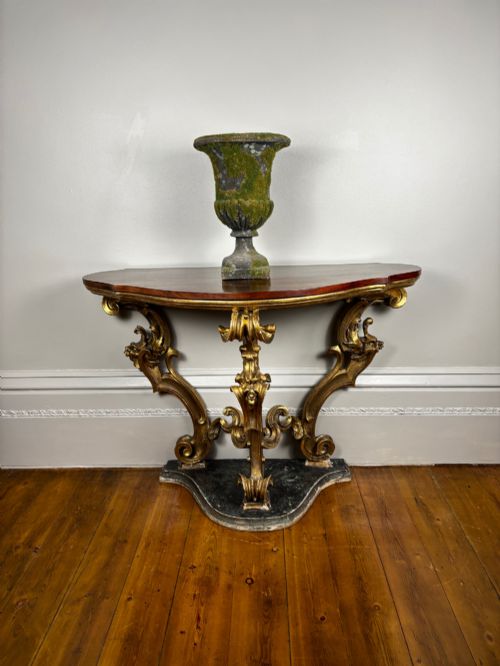
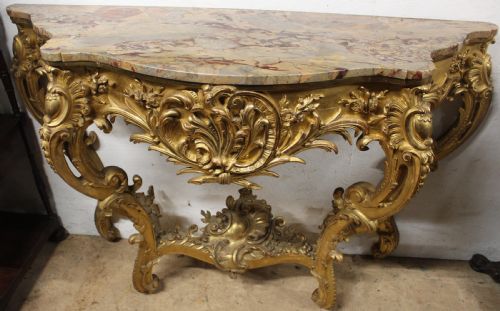
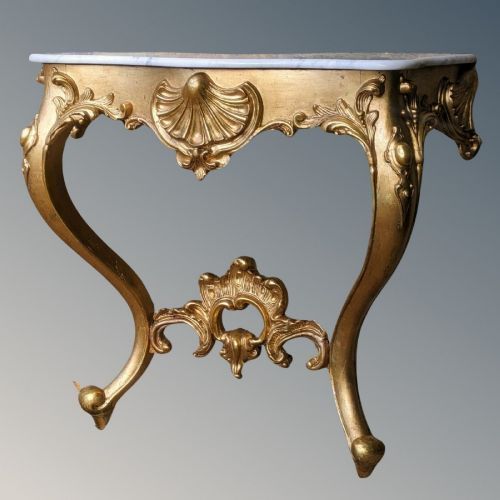
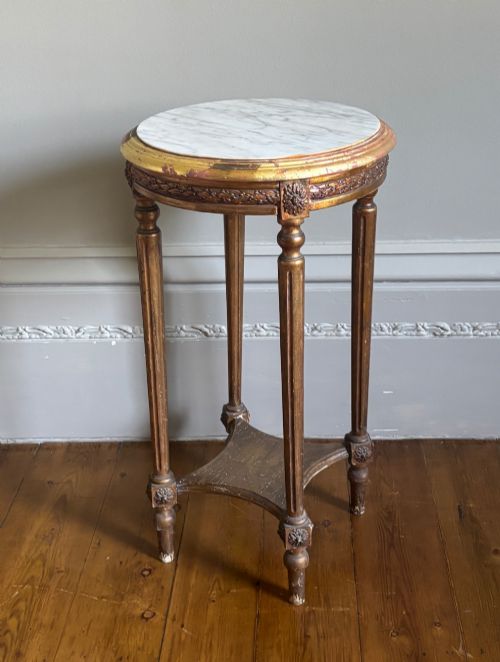
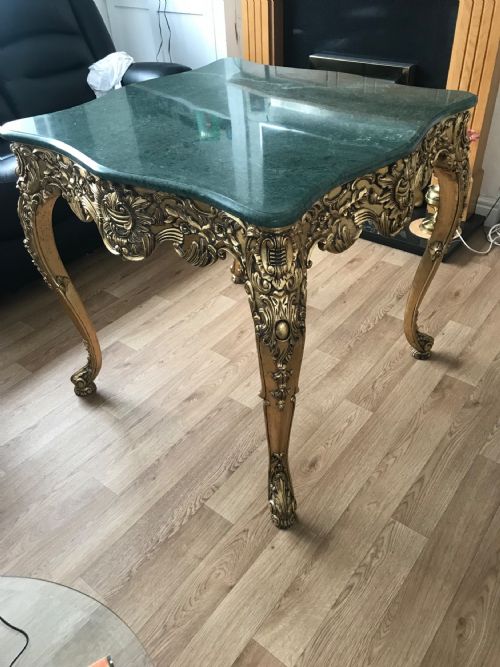
When searching for a giltwood side table, buyers encounter a lineage of console tables, occasional tables, and centre tables originating mainly from the eighteenth and nineteenth centuries. These pieces frequently pair carved wooden frames coated in gold leaf or gesso with heavy marble tops, reflecting Neoclassical, Rococo, and Regency design influences.
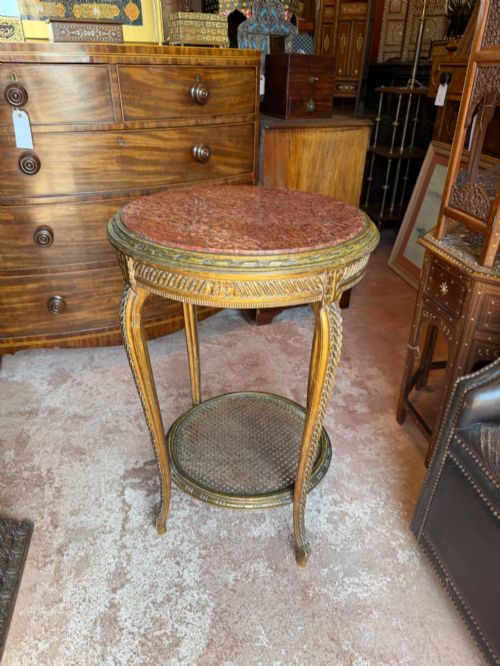
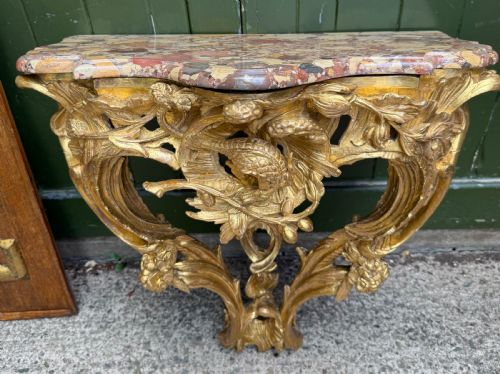
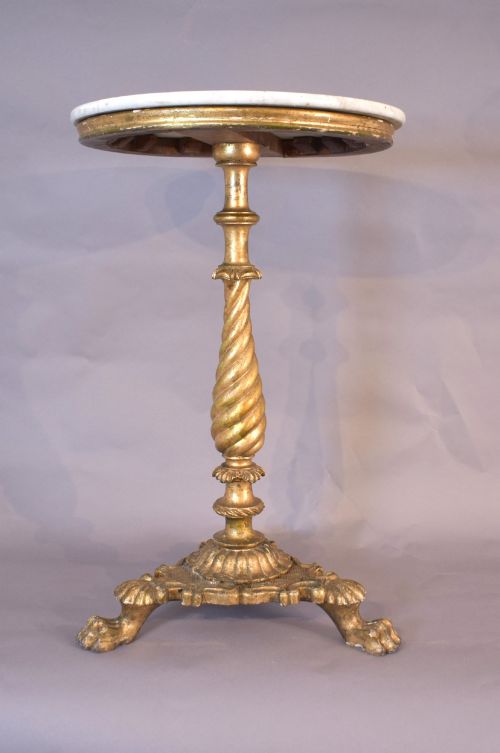
Italian and French workshops dominate the heritage of these forms, ranging from Venetian and French serpentine console tables to compact tripod and wine tables. The inventory spans grand Baroque revival pieces with lion's paw supports down to smaller occasional tables featuring marble, onyx, or polished timber surfaces.
How they were made
Maker's hands shaped timber such as lime wood, oak, and satinwood into intricate frames before applying layers of gesso to smooth the surface for gilding. Artisans laid thin sheets of gold leaf over the prepared wood, burnishing the metal to achieve a bright metallic finish alongside painted or carved details.
Heavy stone tops, including breccia, sienna, rouge, and breche d'alep marble or onyx, were cut and polished to fit precisely onto the wooden bases. Joinery and hand-carved floral mouldings, scrolls, or figurative elements completed the structural integrity of each console and table.
Giltwood Side Table Retail Price Guide 2026
Typical asking prices for giltwood side table among the pieces listed under this phrase on Sellingantiques today, from the lower quarter to the upper quarter. They describe what is for sale here now, not the wider market.
Several tables in the records include carved swans and lion's paws, ensuring the furniture stares back at you while holding your tea.
What varies in quality
The crispness of the hand-carving defines the distinction between standard production and superior work, where deeper undercut foliage and figurative details show the sculptor's direct skill. High-grade pieces maintain integrity in the original gesso and gold leaf layers rather than modern repainting.
The selection and weight of the inset marble top alter the character of the piece, with thick, figured stones like sienna or breccia marking higher ambition than plain timber or thin slabs. Structural stability in the joints of heavily carved console frames underpins the long-term survival of these tables.
Pauly et Cie
The Giltwood Side Table Glossary
- Giltwood
- Wood that has been coated with gold leaf or gold paint. This finish creates a reflective metallic surface that catches light across ornate carved frames.
- Console table
- A table designed to stand against a wall, frequently supported by decorative brackets or legs. These pieces often feature elaborate front aprons and marble tops.
- Gesso
- A plaster mixture applied to wood surfaces as a base for gilding or painting. It provides a smooth white ground that holds fine carved details before gold leaf is laid.
- Neoclassical
- A design style inspired by classical Greece and Rome focusing on symmetry and restraint. It appears frequently in eighteenth and nineteenth-century furniture with straight lines and classical motifs.
- Gueridon
- A small French table supported by a central column or figures. These round tables served various functional uses in domestic interiors.
- Breccia
- A type of marble composed of broken rock fragments embedded in a fine-grained matrix. It yields a variegated, highly patterned stone top prized in antique tables.
Giltwood Side Table: Frequently Asked Questions
Where did people place these tables?
Console tables were traditionally fixed or placed flat against drawing room and hallway walls, often beneath mirrors. Centre tables stood free in the middle of principal rooms to display decorative objects.
Smaller occasional and wine tables moved easily beside seating areas to hold drinks, lamps, or small accessories during daily domestic use.
How do I clean marble tops?
Stone surfaces require gentle wiping with a soft, damp cloth and neutral soap to avoid damaging the polished finish. Acidic liquids like wine or citrus juice can etch marble if left sitting on the stone.
Keeping giltwood frames free of dust requires a dry, soft brush without applying liquid cleaners that might lift the gold leaf.
Are these tables sturdy enough for daily use?
Most antique console tables rely partly on wall fixings or substantial wooden stretchers to stay stable, particularly when carrying heavy marble slabs. Heavier centre and occasional tables use sturdy tripod or column bases designed to bear weight.
Placing them away from high-traffic household paths protects fragile carved gesso and gilded edges from accidental knocks.
How do I spot a Regency period piece?
Regency items typically date from the early nineteenth century and draw heavily on classical Greek, Roman, and Egyptian motifs. Look for dark timbers like amboyna and rosewood combined with parcel-gilding and clean architectural lines.
Proportions during this era favoured restrained elegance compared to the heavier ornamentation of later Victorian revivals.